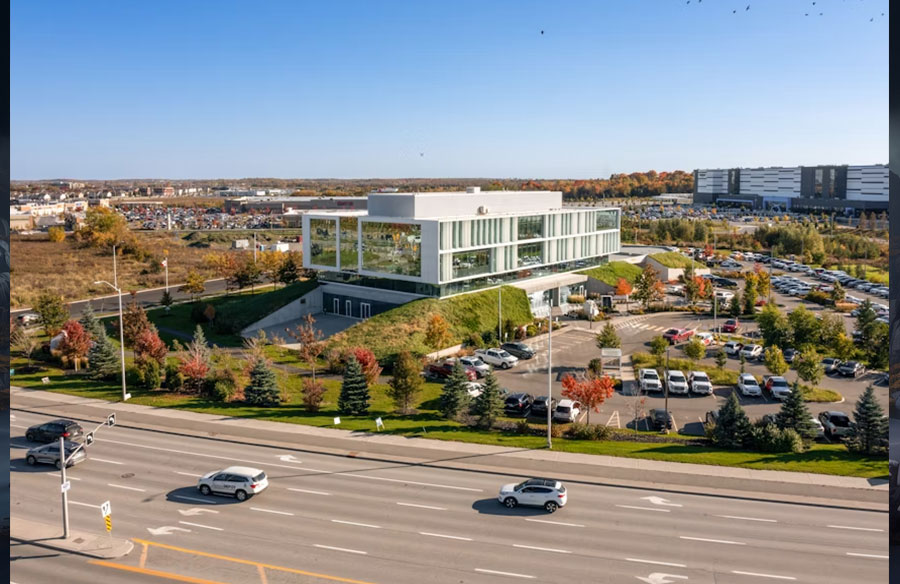
Green design promotes wellness in commercial real estate by enhancing air quality, increasing natural light, and improving overall comfort. These features lead to healthier, more productive occupants. They also add long-term value to properties.
Wellness is no longer a luxury in commercial spaces. It is a growing priority for tenants, investors, and employees who seek environments that support both physical and mental health. This article explores how green design improves well-being, why it matters in real estate, and how property owners and developers can apply these principles effectively.
Wellness as a Driver in Modern Real Estate
Health and well-being are no longer fringe concerns in the commercial real estate market. Tenants and investors increasingly evaluate buildings based on how they support human health, not just lease terms or amenities. This shift is transforming how spaces are designed and managed.
Work environments that offer clean air, access to daylight, and calming design elements are in high demand. These spaces tend to generate higher tenant satisfaction and longer lease commitments.
That means you must prioritize foundational changes to meet the evolving expectations. Improve indoor air circulation, enhance lighting access, and carve out quiet or restorative areas. Even modest upgrades can elevate a building’s appeal and overall performance.
What “Green” Really Means in This Context
In commercial real estate, green design goes well beyond energy savings or compliance checklists. It refers to thoughtful strategies that reduce environmental impact while actively supporting human comfort and health. When done right, green design creates spaces that perform better for both people and the planet.
Key elements of green design include:
- Air quality improvements, such as advanced filtration and low-emission building materials
- Resource efficiency, using daylight, insulation, and water-saving systems to reduce waste
- Biophilic design, which integrates natural textures, greenery, and views into everyday spaces
These design choices are not just aesthetic. They support physical well-being and promote a deeper sense of calm and connection. These are qualities that tenants are increasingly seeking.
How Green Design Supports Wellbeing
Green design has a direct impact on how people feel, think, and function within a space. By focusing on health and comfort, it creates environments that help reduce stress, increase focus, and support overall wellness.
Start by maximizing natural light. Use larger windows, skylights, or transparent partitions to bring sunlight deeper into the space. Light plays a critical role in mood regulation, circadian rhythm, and visual comfort. In areas where natural light is limited, use lighting systems that closely mimic daylight.
Incorporate natural elements wherever possible. Indoor plants, wood finishes, and open views of trees or gardens help foster a sense of calm and connection. For outdoor spaces, thoughtful integration of greenery through commercial landscaping NYC professionals can transform rooftops, courtyards, or entryways into restorative zones. Pair these with improved air ventilation and acoustic comfort to create spaces that support both physical and mental well-being throughout the workday.
 Financial and Operational Payoffs
Green wellness design is not just about comfort. It delivers clear business returns. Property owners, tenants, and developers all benefit from investing in healthier buildings.
Here are a few key payoffs:
- Stronger tenant retention, due to greater occupant satisfaction and comfort
- Lower operating costs, driven by energy and resource efficiency
- Improved employee performance, resulting from better indoor environments
Spaces designed with wellness in mind are more likely to attract and retain high-quality tenants. Over time, these benefits translate to higher property value and stronger asset performance.
Bringing Green Wellness Design to Life
Implementing wellness-focused design starts with clear priorities. From the earliest planning stages, health and comfort should be treated as essential goals. Every team involved, including designers, engineers, and managers, should align around these values.
In existing buildings, begin with manageable improvements. Upgrade ventilation, introduce more natural light, and reduce unwanted noise. Replace outdated materials with healthier alternatives. Add plants and create quiet spaces for rest or focus. And don’t forget to enhance your landscape with native low-maintenance plants.
Even small, consistent upgrades can have a meaningful impact. When buildings are shaped around how people feel and function, they become more productive, more desirable, and ultimately more successful.
Conclusion
In addition to being a commercial real estate trend, green design is a practical and proven strategy that supports wellbeing, enhances building performance, and meets the expectations of modern tenants.
By focusing on air quality, daylight, comfort, and natural elements, you create spaces that help people thrive. Wellness-centered design is better for people and smarter for business.