Choosing the right extractor hood for your kitchen can sometimes feel like a real headache. You’ve got ceiling hoods dangling from above and wall-mounted ones stuck to the wall behind your hob. But which one works better for your cooking space?
Let me walk you through the key differences. And trust me, getting this decision wrong means living with cooking smells that just won’t budge.
What Are Ceiling Hoods?
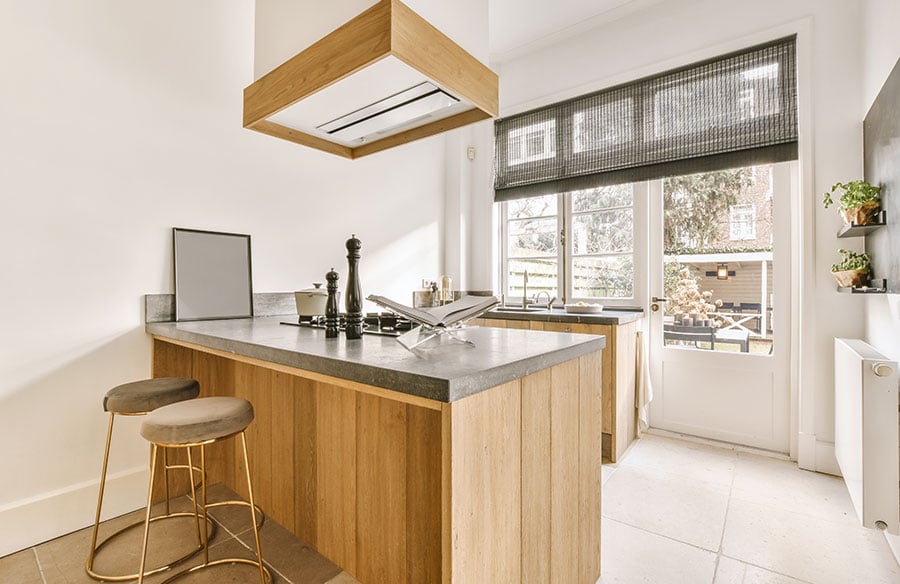
Ceiling hoods hang down from your kitchen ceiling directly above your cooking area. They’re also known as island hoods because they work exceptionally well over kitchen islands. You’ll spot them in modern, open-plan kitchens where the hob is situated away from any walls.
These extractor fans create a real statement piece in your kitchen. They come in sleek stainless steel, glass, or even wooden finishes that match your kitchen units. But they’re not just about looks.
Wall-Mounted Hoods Explained
Wall-mounted hoods fix directly to the wall above your cooker. They’re the traditional choice that most UK homes have. You’ll find them in chimney-style, integrated into kitchen cabinets, or as sleek, flat designs.
These kitchen extractors connect to your home’s ventilation system through the wall behind them. The installation tends to be more straightforward than ceiling options.
Kitchen Layout Matters Most
Your kitchen layout decides which extractor hood works best. Do you have a kitchen island with a hob? You’ll need a ceiling-mounted option. There’s simply no wall to attach anything else to.
However, if your cooker is situated against a wall, wall-mounted hoods make perfect sense. They’re designed exactly for this setup. And they’ve been doing the job well in British kitchens for decades.
Open-plan kitchens often benefit from ceiling hoods. They help contain cooking odours without blocking sight lines across your living space. Wall mounted extractors can feel chunky in these modern layouts.
Design and Aesthetics
Ceiling hoods win the style stakes. They create a modern, professional kitchen feel. The best designs barely seem to hang there at all.
Some ceiling extractors even disappear into the ceiling when not in use. These pop-down models give you clear sight lines until you start cooking. Modern livings fantastic range of ceiling cooker hoods is an excellent investment for your kitchen.
Wall mounted hoods have improved massively in recent years. The chunky chimney designs of the past have given way to sleek, minimal options. Some integrate completely into your kitchen units.
Think about your kitchen’s overall design. Ceiling hoods suit contemporary, minimalist spaces. Traditional kitchens often look better with classic wall-mounted extractors.
Maintenance and Cleaning
Both types need regular cleaning to work properly. Grease filters require washing or replacing every few months. However, accessing ceiling hoods for maintenance can be more challenging.
You’ll need to reach up to clean the external surfaces and change filters. Wall mounted hoods sit at a more comfortable working height for most people.
Consider how often you cook and what type of food you prepare. Heavy frying or wok cooking produces more grease and requires more frequent cleaning regardless of your hood type.
Budget Considerations
Ceiling hoods typically cost more upfront. The units themselves are often pricier, plus installation usually involves more work. Expect to pay extra for proper ceiling mounting and additional ductwork.
Wall mounted options offer more budget-friendly choices. You can find decent basic models for under £200, though high-end designs cost similar amounts to ceiling units.
Don’t forget ongoing costs. More powerful motors use more electricity. And if your ceiling hood needs professional maintenance due to awkward access, that adds up too.
Making Your Decision
Start with your kitchen layout. If you’ve got an island hob, ceiling mounting is probably your only sensible option. Wall-positioned cookers naturally suit wall mounted extractors.
Consider your cooking habits. Heavy cooking with lots of steam and strong odours might benefit from the direct capture of wall mounted hoods. Light cooking can work fine with either option.
Consider your budget for both the purchase and installation. Factor in any building work needed for ceiling mounting.
Most importantly, choose an extractor with adequate power for your kitchen size. A beautiful hood that doesn’t remove cooking odours defeats the whole purpose.
Both ceiling and wall-mounted hoods can work brilliantly in the right kitchen. The key is matching your choice to your specific space and cooking needs.