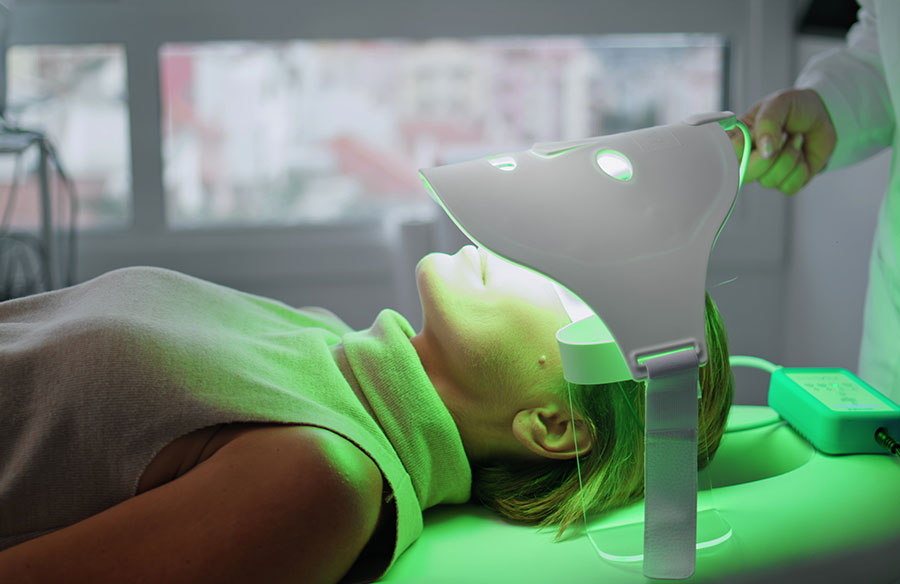
If you’ve ever wondered whether those glowing face masks all over social media actually do anything for your skin, you’re not alone. LED light therapy may look futuristic, but it’s actually backed by science, and it’s becoming a go-to for skincare enthusiasts and dermatologists alike.
So, how does it work, and what can it really do for your skin? Let’s break it down.
What Is LED Light Therapy?
LED stands for light-emitting diode. In skincare, LED light therapy uses different wavelengths of light to target various skin concerns. The treatment was originally developed by NASA to help with wound healing in space, but today it’s widely used for its cosmetic benefits.
Different colors of light penetrate the skin at different depths, stimulating cells and promoting healing. The most popular wavelengths are red, blue, and near-infrared light. Each has its own unique superpower when it comes to skin health.
The best part? It’s painless, non-invasive, and safe for all skin types.
Red Light: The Skin Booster
Red light is the star of the LED therapy world. It penetrates deep into the skin, where it stimulates collagen and elastin production, two proteins essential for firm, youthful skin. This makes red light ideal for reducing the appearance of fine lines and wrinkles.
It also boosts circulation, helping to deliver oxygen and nutrients to your skin cells, which can leave your complexion looking more vibrant and healthy. With consistent use, red light therapy can improve skin texture and tone, and even help fade scars over time.
Blue Light: The Acne Fighter
If breakouts are your main concern, blue light may be your new best friend. It works closer to the skin’s surface and is known for its antibacterial properties. Specifically, it targets the acne-causing bacteria Propionibacterium acnes (or P. acnes), helping to reduce inflammation and prevent future breakouts.
Unlike harsh acne treatments that can dry or irritate the skin, blue light therapy is gentle and soothing, making it a great option for sensitive or combination skin.
Combining Light for Better Results
Many LED light therapy devices combine red, blue, and even near-infrared light to target multiple concerns at once. For example, red light can help smooth and firm, while blue light keeps breakouts at bay.
Using a multi-wavelength approach allows for more comprehensive results, whether you’re trying to tackle signs of aging, improve overall skin health, or maintain a clear complexion.
Some people even incorporate LED therapy into their weekly routine, much like a mask or serum. Over time, it can become a calming ritual that delivers both short-term glow and long-term benefits.
What to Expect and How to Use It
LED light therapy doesn’t produce instant miracles, but with regular use, the results can be impressive. Most experts recommend starting with sessions three to five times per week for the first month, then scaling back to maintenance treatments.
Each session typically lasts between 10 and 20 minutes, depending on your device and skin goals. The key is consistency. Think of it like fitness for your skin; the more regularly you do it, the more you’ll see the benefits.
And yes, you can do it from the comfort of your own home. That’s one of the reasons LED masks have become so popular. They’re easy to use, hands-free, and often designed to fit right into your skincare routine.
A Smart Addition to Your Skincare Routine
LED light therapy isn’t just a trendy tool, it’s a skin investment. Whether you’re looking to reduce fine lines, calm breakouts, or simply support your skin’s natural renewal process, this technology has real potential when used consistently.
Curious about how to get started? A great place to begin is with a high-quality, well-designed red light therapy mask from Maysama that’s both effective and convenient for at-home use.