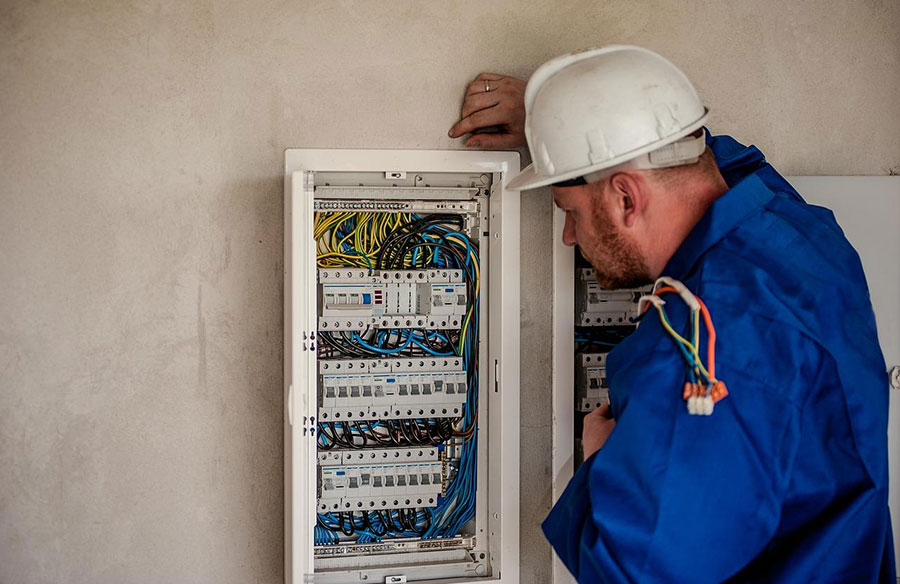
Manufacturing facilities depend on precision and reliability to keep operations running smoothly. Even small disruptions can lead to delays, reduced output, or costly repairs.
Specialized industrial wiring plays a critical role in maintaining efficiency. Proper installations prevent electrical failures that often stem from poorly selected or implemented systems.
Is your facility equipped with the right setup? Stay tuned to learn how advanced wiring methods enhance productivity and avoid code violations, which may reveal solutions you’ve overlooked.
Understanding the Role of Wiring in Manufacturing Operations
Electrical wiring is fundamentally important to manufacturing facilities involved in mass production and smaller-scale operations. It connects equipment, powers systems, and ensures seamless communication between devices.
When wiring is tailored for specific industrial needs, it minimizes inefficiencies caused by power fluctuations or miscommunication. This allows machines to perform optimally without unexpected interruptions.
Improper installation can lead to breakdowns that halt production lines or create safety hazards. Specialized setups focus on durability and precision to match heavy-duty demands.
Prioritizing well-designed wiring lets manufacturers support uninterrupted workflows and reduce repair costs over time. Effective systems keep operations running as intended day after day.
Preventing Costly Downtime with Advanced Electrical Systems
Unexpected equipment failures can grind production to a halt, creating annual costs across the industry of $50 billion. Faulty wiring is often the hidden culprit behind these disruptions.
Advanced electrical systems prevent such issues by providing stable, reliable power distribution. Designed for heavy-duty environments, they reduce risks like overheating or short circuits.
Proactive installations also simplify troubleshooting. When wiring aligns with industrial requirements, identifying and fixing faults takes less time.
These upgrades help businesses avoid unplanned downtime, protecting productivity and revenue streams. By investing in tailored solutions upfront, manufacturers create more dependable operations that stay on schedule regardless of challenges.
Compliance and Safety Considerations
Industrial wiring must adhere to strict safety codes. Risks of non-compliance include accidents, equipment damage, and costly legal penalties.
Proper installations reduce hazards like electrical fires or shocks. They also ensure systems meet industry standards for functionality and efficiency.
Working with professionals who have achieved certification via reputable courses like the Unitech electrical program will guarantee high-quality results. Certified experts understand code requirements and implement durable, compliant setups.
In short, prioritizing adherence to regulations improves safety and safeguards long-term operations against disruptions caused by subpar wiring practices.
Common Installation Mistakes That Impact Efficiency
Errors during wiring installations can cause long-term operational problems. You need to avoid frequent mistakes to maintain a productive facility. These include:
- Using low-quality materials, which leads to faster wear and potential system failures
- Overloading circuits, creating risks of overheating or tripped breakers
- Failing to plan for future equipment needs, resulting in inadequate power distribution
- Ignoring grounding requirements, increasing the chances of electrical shocks or damage
- Skipping inspections or maintenance checks that catch minor issues early on
Such missteps reduce efficiency and may also compromise safety. Inadequate planning and execution lead to avoidable disruptions and costly repairs over time.
Hiring certified professionals ensures installations are tailored to meet industrial demands. With expert guidance, manufacturers minimize risk factors while enhancing their systems’ performance and durability. It also lets them tap into modern tools and processes, rather than being left behind by progress.
Choosing Materials That Withstand Industrial Environments
Industrial settings demand wiring materials capable of handling tough conditions. The wrong choice can lead to system failures and frequent replacements. Durable options for long-lasting performance include:
- Copper wires for excellent conductivity and resistance to wear
- PVC insulation to protect against moisture, chemicals, or abrasions
- Stainless steel conduits for environments with high temperatures or corrosive elements
- Fire-resistant cables that enhance safety in risk-prone areas
- Armored cables designed to withstand heavy impacts or vibrations
Each material suits specific operational needs. For instance, stainless steel is ideal where corrosion is a concern, while fire-resistant cables offer critical protection in high-risk zones.
Matching the right material to your facility’s challenges ensures systems operate reliably under demanding conditions. Upgrading to resilient options helps manufacturers avoid downtime and unnecessary expenses tied to premature deterioration.
Final Thoughts
Specialized industrial wiring offers eminent functionality. It also safeguards operations, reduces downtime, and supports long-term efficiency in manufacturing environments.
Prioritizing durable materials, compliant installations, and expert oversight means facilities can avoid disruptions caused by poor setups or overlooked details. Small improvements lead to significant benefits.
Most importantly, investing in tailored electrical systems ensures a productive future. Proactive choices keep equipment running smoothly and help manufacturers anticipate challenges.