

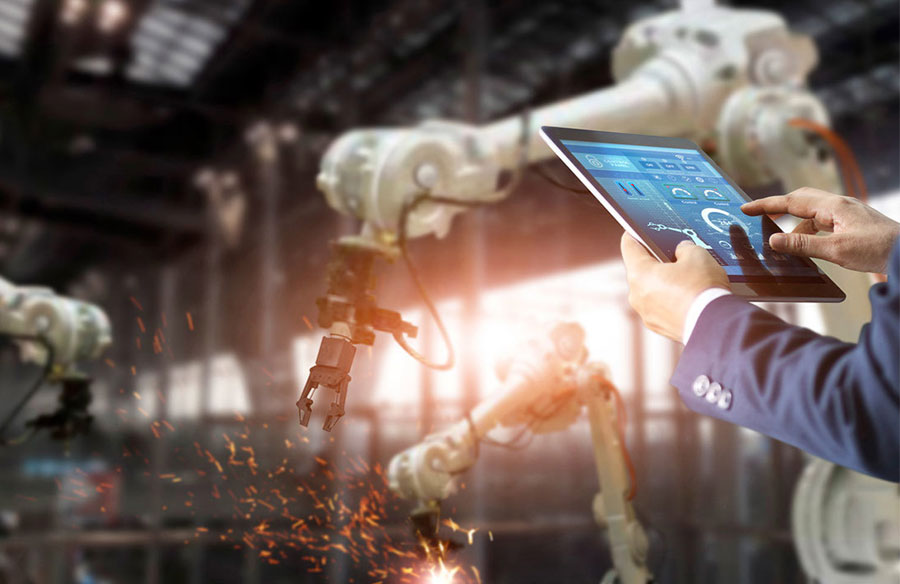
Our rapidly evolving technological landscape is revolutionising modern manufacturing processes across the planet. From robotics to AI, these solutions are making production a more efficient, sustainable and profitable endeavour in a wide range of niches.
Working out how to leverage these tools to your benefit can be difficult, and it’s important that you take the right approach. Here, we take a look at the most effective ways to approach manufacturing optimisation, taking a brief glimpse at what the future might hold.
Advanced robotics
People have been touting the robotics revolution for centuries now, and it’s important to take these proclamations with a pinch of salt. That being said, modern advances are starting to result in robots that can play increasingly complex roles in a range of manufacturing processes.
As robots and the computers that control them continue to evolve, we can expect to see them become increasingly critical to maintain a competitive edge. Keep an eye on how your competitors are leveraging robotics, so that you don’t inadvertently miss out on anything crucial.
Start-to-finish automation
When looking to optimise your manufacturing systems, it’s important to take a holistic perspective that covers the whole process – from start to finish. This means expanding your search for areas that can be made more efficient, including your loading and unloading systems.
You can find a range of production line solutions that are designed to be integrated into manufacturing environments, allowing for a seamless transition of parts to the production line. It’s worth working with a specialist service provider when doing this, to make sure you don’t miss out on any potentially invaluable insights.
Real-time analytics
A big part of optimisation depends on working out where you should be focusing your energy. Identifying bottlenecks and potential sticking points can be surprisingly difficult, especially in highly complicated systems that interlock in unexpected ways.
By using data and AI-powered analytic software, gaining these kinds of insights can be done in real-time, allowing for micro-adjustments that can have a substantial effect overall.
3D printing
Lastly, it would be remiss to talk about modern manufacturing processes and not talk about 3D printing. While in some areas, it’s true that the hype around 3D printing technologies came too strong and too soon, in some manufacturing niches, it absolutely does have the potential to revolutionise how things are done.
With the capacity to make many, often complex parts on-site as and when they’re needed, not only are outsourcing costs substantially cut, but bottlenecks can effectively be eliminated. So long as you have the raw materials – whether metal or plastic – you can make as many parts as you need to produce your end products.
As you can see, the future, in many ways, is already here. What we can expect over the coming years is for the innovations listed above to become more and more capable – moving from the realm of research and development to tangible applicability. It’s vital that you stay on top of the latest updates, so that you don’t end up missing any potential game-changers along the way.







