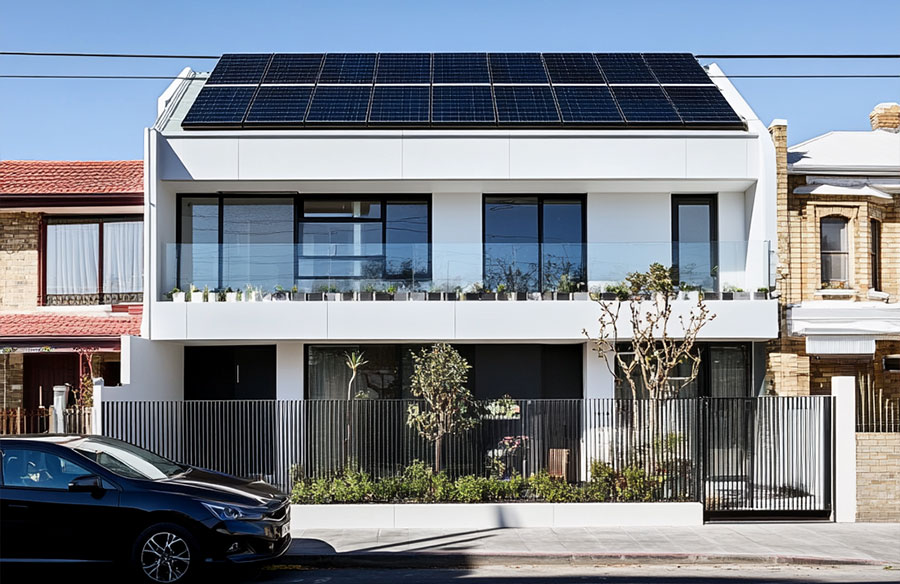
Architectural solar panel installation has evolved dramatically in recent years, transforming from purely functional additions to integral design elements that enhance both aesthetics and energy efficiency. Modern residential solar installation approaches now seamlessly integrate renewable energy technologies directly into building materials, creating structures that generate power while maintaining visual harmony with their surroundings.
The Architectural Revolution of Building-Integrated Photovoltaics
The marriage between solar technology and architectural design represents a fundamental shift in how we conceive built environments. Building-integrated photovoltaics (BIPV) reimagines solar panels not as afterthoughts perched atop existing structures, but as essential building components that serve dual purposes: construction material and energy generator.
This approach is like the difference between wearing a bulky backpack and having pockets sewn directly into your clothing. Both carry your essentials, but one becomes an intrinsic part of the overall design while the other remains a visible addition. BIPV systems achieve what conventional solar installations often cannot: invisibility through integration.
Solar Roofing Systems: Beyond Traditional Panels
Among the most mature BIPV technologies, solar roof tiles represent a quantum leap in both aesthetics and functionality. These systems replace conventional roofing materials with photovoltaic tiles that mimic traditional roofing in appearance while generating electricity.
The visual transformation is remarkable. From street level, many solar tile installations are virtually indistinguishable from premium roofing materials. Available in various profiles that simulate slate, terracotta, and asphalt shingles, these systems allow architects to preserve historical aesthetics while embracing modern energy technology.
One architect describes working with solar tiles as “having your cake and eating it too.” Clients get the traditional roof appearance they desire along with significant energy production capabilities that conventional roofing simply cannot provide.
Installation approaches for solar roofing differ substantially from rack-mounted panel systems. The integration happens at the structural level, with solar tiles installing directly to roof decking using methods similar to traditional roofing. This creates a more seamless weather barrier while eliminating the characteristic elevated profile of conventional solar panels.
Solar Facades: Walls That Work
Perhaps the most visually striking BIPV applications appear in building facades, where solar technology transforms exterior walls into power-generating surfaces. These systems range from semi-transparent glass installations that replace conventional windows to opaque panels that function as exterior cladding.
The versatility of solar facades allows for remarkable design flexibility. Architects can vary panel opacity, color, and arrangement to create visual interest while optimizing energy production. Some installations incorporate dynamic patterns that change appearance throughout the day as the sun moves across the sky.
Think of solar facades as the multi-tasking employees of the building world. While traditional walls simply stand there holding up the roof, solar facades actively contribute to operational efficiency while looking good doing it.
Creative Integration Points Beyond Roofs and Walls
Innovative architects have found numerous ways to incorporate solar technology throughout building designs:
Solar Carports and Canopies
Free-standing structures provide shade and weather protection while generating electricity. These installations often serve as dramatic architectural features while offering practical benefits.
Solar Pergolas and Outdoor Living Spaces
Translucent solar panels integrated into pergolas, patio covers, and outdoor living spaces create comfortable microclimates below while capturing energy above.
Solar Balustrades and Railings
Glass solar panels serving as safety barriers for balconies and terraces generate power without obstructing views.
The Technical Evolution Driving Integration
Several technological advances have enabled the architectural integration of solar systems:
Thin-Film Technologies
Unlike traditional crystalline panels, thin-film solar cells can be applied to flexible substrates and incorporated into various building materials. While generally less efficient than conventional panels, their versatility opens new integration possibilities.
Colored and Textured Solar Cells
Advancements in solar cell manufacturing now allow for colored and textured finishes that better complement architectural designs. These treatments inevitably reduce efficiency somewhat, but the aesthetic gains often justify the trade-off for visually prominent installations.
Frameless and Custom Configurations
Solar manufacturers increasingly offer frameless panels and custom shapes that integrate more seamlessly with building elements. These bespoke solutions allow architects to incorporate solar generation without compromising design vision.
Practical Considerations for Designers
For architects considering BIPV systems, several factors deserve careful attention:
Orientation Flexibility
Traditional solar installations demand optimal orientation toward the sun, but building-integrated systems must sometimes prioritize architectural considerations. Understanding efficiency trade-offs becomes crucial when balancing energy production against design requirements.
Thermal Management
Solar cells operate less efficiently at higher temperatures. When integrated directly into building materials without the air circulation that rack-mounted systems enjoy, thermal management becomes critical for maintaining performance and longevity.
Maintenance Accessibility
Integrated systems may present challenges for maintenance and component replacement. Thoughtful detailing can ensure future serviceability without compromising architectural integration.
Economic Considerations in Building-Integrated Solar
The economics of BIPV systems differ substantially from conventional solar installations. While equipment costs typically exceed those of traditional panels, these systems offset some building material expenses and potentially eliminate the separate installation phase associated with conventional solar.
The calculation resembles choosing between an expensive multifunctional appliance versus purchasing several single-purpose tools. The integrated solution may cost more upfront but eliminates duplicate expenses and often requires less space.
The Future of Solar in Architecture
As BIPV technologies continue maturing, we’re witnessing a fundamental shift in architectural thinking. Solar integration is increasingly considered during initial design phases rather than as an afterthought or addon. This approach produces buildings that generate energy more efficiently while maintaining aesthetic integrity.
The coming years will likely bring continued innovation in materials integration, with solar cells incorporated into an expanding range of building products. The distinction between energy systems and building materials will continue blurring until renewable energy generation becomes an assumed characteristic of high-performance architecture.
For architects and designers, building-integrated solar represents not just an energy strategy but an expanding palette of materials that generate value throughout a building’s operational life. By embracing these technologies thoughtfully, designers create structures that respond intelligently to both human needs and environmental imperatives.