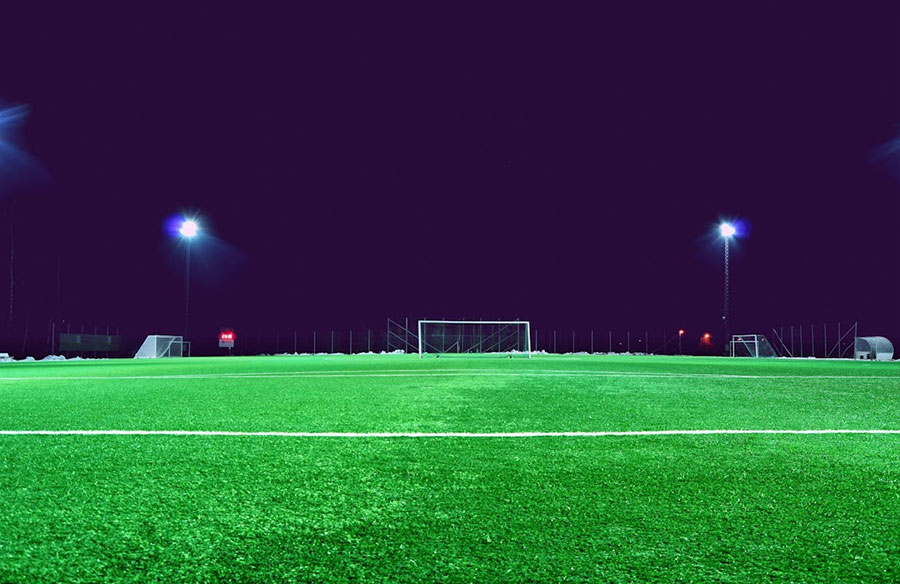
Urban landscapes are evolving rapidly, with sustainability at the forefront of design strategies. In cities, where natural resources are often limited, artificial turf has emerged as a versatile solution to create green spaces without the environmental drawbacks of natural grass. While it has sometimes been viewed as a substitute for traditional lawns, artificial turf is much more than a replacement—it’s a cornerstone of innovative urban design. Discover more about how this technology shapes sustainable urban environments’ future.
Greening up the Urban Environment
Synthetic grass has become the new face of so-called green areas in urban environments. Where fresh water is scarce, and space is a constraint, Synthetic Grass is a cost-effective, hard-wearing, and aesthetically appealing landscaping option. This makes artificial turf advantageous to densely populated cities since it needs almost no attention. Hence, little money is spent on its maintenance compared to that required for natural grass. It offers all-round greening for seasons without browning or wearing off under the test of abrasive use, which makes it ideal for use in parks, playgrounds, and other common facilities.
In particular, artificial turf is efficacious in improving space utilization in the densely packed urban landscape. Rooftop gardens, which are becoming more widespread in cities, are advantageous because synthetic grass offloads weight compared to the natural ground. Such flexibility enables designers to practice beautiful, functional greenery even in generally unsuitable spaces, thus encouraging human interaction and health. Artificial turf allows cities to incorporate green spaces in areas previously considered off-limits.
Environmental Advantages of Synthetic Grass
Another compelling reason artificial turf is popular is its ability to save water – an ever-so-important factor in many urban cities. Natural grass needs water to be sprinkled on it to maintain that green look; with synthetic turf, this is not the case. Not only does this shift decrease water use, but it also decreases the use of chemical fertilizers and pesticides, which damage local water supplies.
Artificial turf also aims at sustainability by eliminating greenhouse gases emitted during lawn maintenance. This type of grass usually needs constant mowing, and, as is well known, mowing is generally done using gasoline-based machinery. This way, artificial turf reduces the carbon impact of the urban landscaping projects by doing away with this requirement. Also, for today’s synthetic grass, many materials are friendly to the environment, and the products themselves are recyclable.
Addressing Challenges and Misconceptions
However, artificial turf has drawbacks; criticism was received regarding almost everything, from heat and material to sustainability. However, as we shall see, these problems are being solved by technology. The newer turf products are designed with cooling technologies to reduce heat accumulation and, therefore, can be used for recreation during hot weather. Likewise, manufacturers use non-toxic, recyclable materials to produce products consistent with the more general goals of sustainable urban development.
Another stereotype is that artificial turf has no ecological advantages compared to natural grass and can not support the local fauna. While it is correct that synthetically turfed lawns do not support the same biomes as real lawns, they can be fitted into more significant landscape concepts that include other elements, such as indigenous plants, bushes, and trees. Together, this makes for a natural setting that supports the presence of different species while at the same time enjoying the benefits accruing from synthetic surfaces.
The Future of Sustainable Urban Landscaping
As more people move to cities and neighborhoods, there is increased pressure to find environmentally friendly landscaping solutions. The need for a practice surface at present is most suitably addressed by artificial turf since the latter is both realistic and environmentally friendly compared to natural grass. Due to its flexibility and low maintenance needs, it is a critical tool for urbanists who must address the problem of creating more green space while maintaining the planet’s health.
In the future, artificial turf applications are expected to increase with the advancement of technology, resulting in better performance and sustainability. From creating entirely environmentally friendly synthetic turf to using structures that include solar panels within synthetic turf, artificial grass will have a significant role in designing future cities.
Conclusion
Artificial turf is not just a convenient replacement material for natural grass but a flexible component of sustainable urban design. Through its dependency on the efficient use of resources, its ability to reduce maintenance, and its support of creativity in the design of green space, it responds to a number of the issues inherent to the process of urbanization. All in all, artificial turf will undoubtedly stay at the center of the development of environmentally friendly cities of the future.