

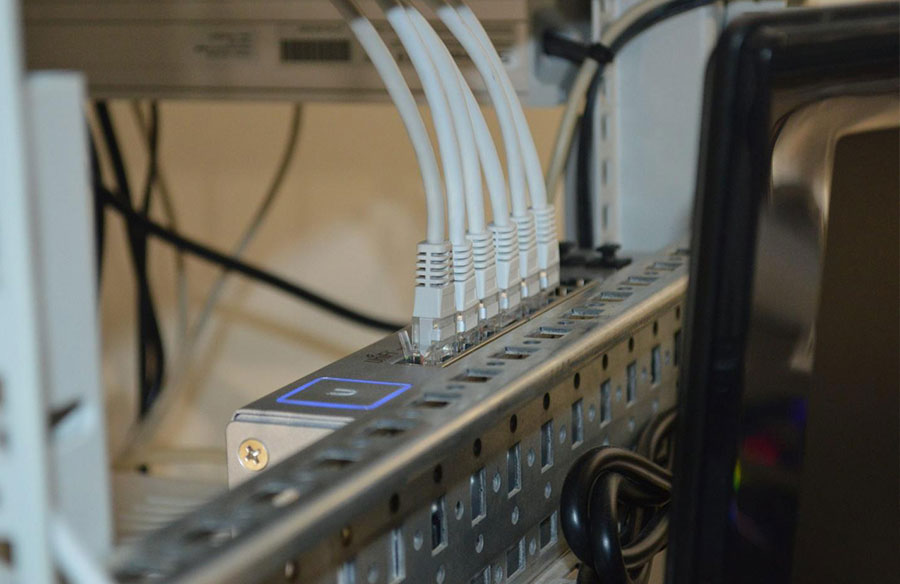
While it’s often underrated, networked infrastructure is the backbone of every business or building. It enables a reliable IT infrastructure that is responsible for productivity, less downtime, and enhanced security. Besides data efficiency, proper network cabling allows the architecture to reach flexibility, so experts can modify, expand, or rearrange it due to expansion needs or repairs.
However, we’re still witnessing mistakes in establishing this infrastructure, including tangled cables. While it might not be a big deal, cables dangling or stretching can affect signal quality, but they can become a hazard. Inadequate cable management can lead to accidents like slips, trips, and falls.
Therefore, experts and entrepreneurs must devote all their time and research resources to properly establishing a network cabling architecture that ensures safety and productivity. Here are some tips to consider.
Design the installation network
Managing a cabling system requires thorough planning according to the building’s infrastructure and needs. Analyzing the network requirements, from devices to traffic speeds, will help determine the cable types needed.
Before purchasing all the items, it’s also important to design the cabling system based on routes, closet locations, and exit points. These details will ensure ease of access in the future when modifications are needed and the use of shorter cables where needed.
Cable length measurement is the final step in installation planning. Routing paths are checked to calculate cable lengths, but make sure to leave some extra slack in your calculations. Remember also to get the specifically designed products for network cable management, including J hooks and bridle rings from Doc’s Industries, Inc. These products are great for supporting and organizing cables efficiently, and they can also be used for horizontal and vertical surfaces. J hooks ensure the best bed radius against performance degradation, while bridle rings are great for suspending cable bundles.
Choose the right cables
There are plenty of network cables on the market, each with unique features that make the infrastructure more productive. For example, twisted pair copper cables are standard in the industry. CAT5/CAT5e models are usually best for home use, whereas CAT6/CAT6a are adequate for medium-sized companies or demanding home applications.
Fiber optic cables, on the other hand, are especially known for providing high-speed networks and long-distance applications in single mode. They also come in multimode for applications that need high reliability and capacity for short distances.
These cables are not affected by electromagnetic and electrical interference and are high-security for data transmission. The best shields against these waves are usually made of copper or aluminum. Before purchasing cables, consider length limits, environmental factors, and future-proofing.
Organize the site
Once you’ve settled on the plan and the products, it’s time to work on the site. Cleaning the space of debris and old cabling can drive a smoother installation for the team and ensure the work areas don’t impede efficiency or become dangerous.
Ventilation is considerably important in cable management because it keeps the cable temperatures within safe limits, preventing deterioration. Proper airflow is especially important in confined networking rooms.
Finally, ensure you’ve got all the permits for special cabling scenarios. Depending on the operating tasks, you may need different types of permissions for Environmental and Historic Preservation (EHP) considerations or private assets.
Adhere to safe practices
Cabling installation is about safety and reliability, so your team should adhere to a series of practices that ensure ease of maintenance. For example, cable routing ensures the network is functional, and it includes providing overhead space for cables above the ceiling or preventing the cables from being adjacent to sources of electromagnetic interference (EMI).
Cable termination, on the other hand, involves using high-quality materials to adequately assess terminations and avoid further damages. Strain relief mechanisms are best for avoiding signal loss following excessive tension.
Testing and certification are essential for safety considerations. Conduct tests that detect and solve failures before they become a problem. Complying with performance standards is ideal.
Troubleshoot issues
Following the cable installation, you may encounter various issues, which is why troubleshooting is important. For example, external sources might trigger interference problems, and finding the cause is imperative.
Cable testers are used to measure the performance of new and existing cable runs. They can help identify the cables that need replacement so the network can connect adequately. At the same time, you may need shielded cables when external sources, like motors, trigger electromagnetic interference. These protections support uninterrupted data transmission.
Finally, investigate the reasons for connectivity loss. The cable speeds must match the network device requirements, so outdated ones will need to be restored. Cable damage is often the cause of issues, and it can happen following poorly handled cable during installation.
Document and label
Documenting and labeling are also part of adequate cable management. For example, cable ends and patch panel ports require labeling to ensure easy identification in the future. This not only makes troubleshooting faster but also supports clear network connections.
Cabling routes should also be documented with details of specifications and lengths. Updating is necessary in this case to provide a comprehensive outlook on changes and the need for future modifications.
Proper documentation requires high-quality labels, which are resistant to tear and scratch and can be printed or handwritten. The naming and numbering system on the cables should follow a logical hierarchy and reflect important information regarding patch cords, panels, or different cabinets.
Documenting modifications, like cabling alterations, is ideal. The date, hardware details, and the experts responsible for maintenance should be provided for future reference in troubleshooting. This practice’s main benefit is reducing downtime during upgrades.
Network cabling installation done right
Network cabling installation is necessary for every business or building because it supports fast and reliable connectivity. In addition, proper cabling protects hardware and people from fire hazards because dangled cables can easily become dangerous. Efficient cabling management requires time for planning the area and cleaning the site to ensure safety at work. After checking the cables’ terminations, experts must troubleshoot any potential issues, followed by correct documentation and labeling.







