

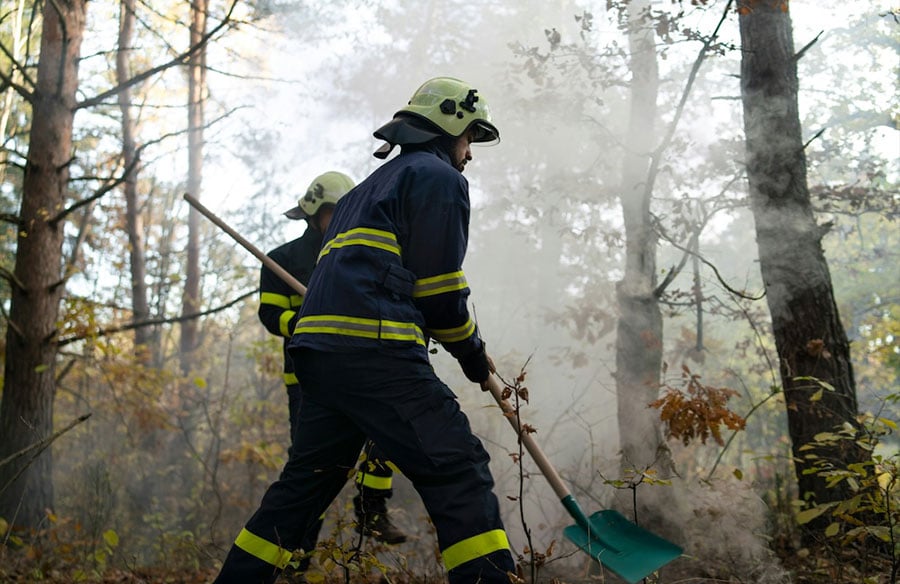
Australia’s unique and diverse landscape is home to a vibrant mix of ecosystems but is also highly susceptible to bushfires. With climate change intensifying the frequency and severity of these fires, protecting homes and communities has become a critical priority.
The Australian Standard AS 3959:2018, titled Construction of Buildings in Bushfire-Prone Areas, is pivotal in mitigating bushfire risks and safeguarding Australian communities. Here’s an in-depth look at this essential standard and its impact.
What is AS 3959?
AS 3959 is an Australian Standard designed to improve the resilience of buildings in bushfire-prone areas. It outlines specific construction requirements tailored to reduce the risk of ignition and minimize damage from ember attack, radiant heat, flame contact, and wind-borne debris. The standard provides a framework to determine a property’s Bushfire Attack Level (BAL), which dictates the level of bushfire risk and corresponding construction measures.
The Importance of Bushfire Attack Levels (BAL)
The BAL assessment is the cornerstone of AS 3959. It categorizes properties into six levels based on their proximity to bushfire hazards, vegetation type, slope of the land, and other risk factors. These levels range from BAL-LOW, indicating minimal risk, to BAL-FZ (Flame Zone), signifying the highest risk.
Each BAL category informs specific construction requirements, such as:
- Use of fire-resistant materials.
- Enhanced window glazing and sealing.
- Installation of ember guards for vents and roof cavities.
- Fire-retardant treatments for external finishes.
By implementing these measures, AS 3959 ensures homes are better equipped to withstand bushfire threats.
Key Features of AS 3959
AS 3959 encompasses a range of design and construction requirements, including:
- External Walls: Use of non-combustible materials or those tested for fire resistance.
- Roofing: Elimination of gaps where embers might lodge, with materials like metal or fire-resistant tiles recommended.
- Windows and Doors: Double-glazed windows with toughened glass and doors fitted with weather seals to resist ember entry.
- Decks and Verandas: Built with non-combustible or bushfire-resistant timber and properly sealed to prevent ember accumulation.
These guidelines not only reduce the risk of structural loss during bushfires but also enhance occupant safety.
Community Impact of AS 3959
AS 3959 contributes significantly to safeguarding Australian communities by:
- Reducing Losses: Structures built to AS 3959 standards are more likely to survive bushfires, minimizing economic and emotional losses for residents.
- Improving Emergency Planning: Local councils and urban planners use AS 3959 as a basis for zoning and development decisions, ensuring safer community layouts.
- Raising Awareness: The standard promotes greater understanding among homeowners and builders about the importance of bushfire resilience.
Challenges and Future Directions
While AS 3959 is a robust tool, challenges remain. Retrofitting existing buildings to meet these standards can be costly, and some
homeowners may find compliance requirements complex. Additionally, as bushfire conditions evolve with climate change, the standard must be periodically reviewed and updated to remain effective.
Looking ahead, advancements in fire-resistant materials, coupled with innovative construction techniques, will further enhance the application of AS 3959. Government incentives and community education programs can also play a key role in ensuring broader adoption of these safety measures.
Conclusion
The Australian Standard AS 3959 is more than just a regulatory framework—it is a lifesaving tool that protects lives, homes, and entire communities from the devastating effects of bushfires. By integrating science, engineering, and practical insights, AS 3959 empowers Australians to build resilient structures and foster a culture of preparedness. For those living in bushfire-prone areas, adhering to this standard is not just a compliance measure but a critical investment in safety and peace of mind.







