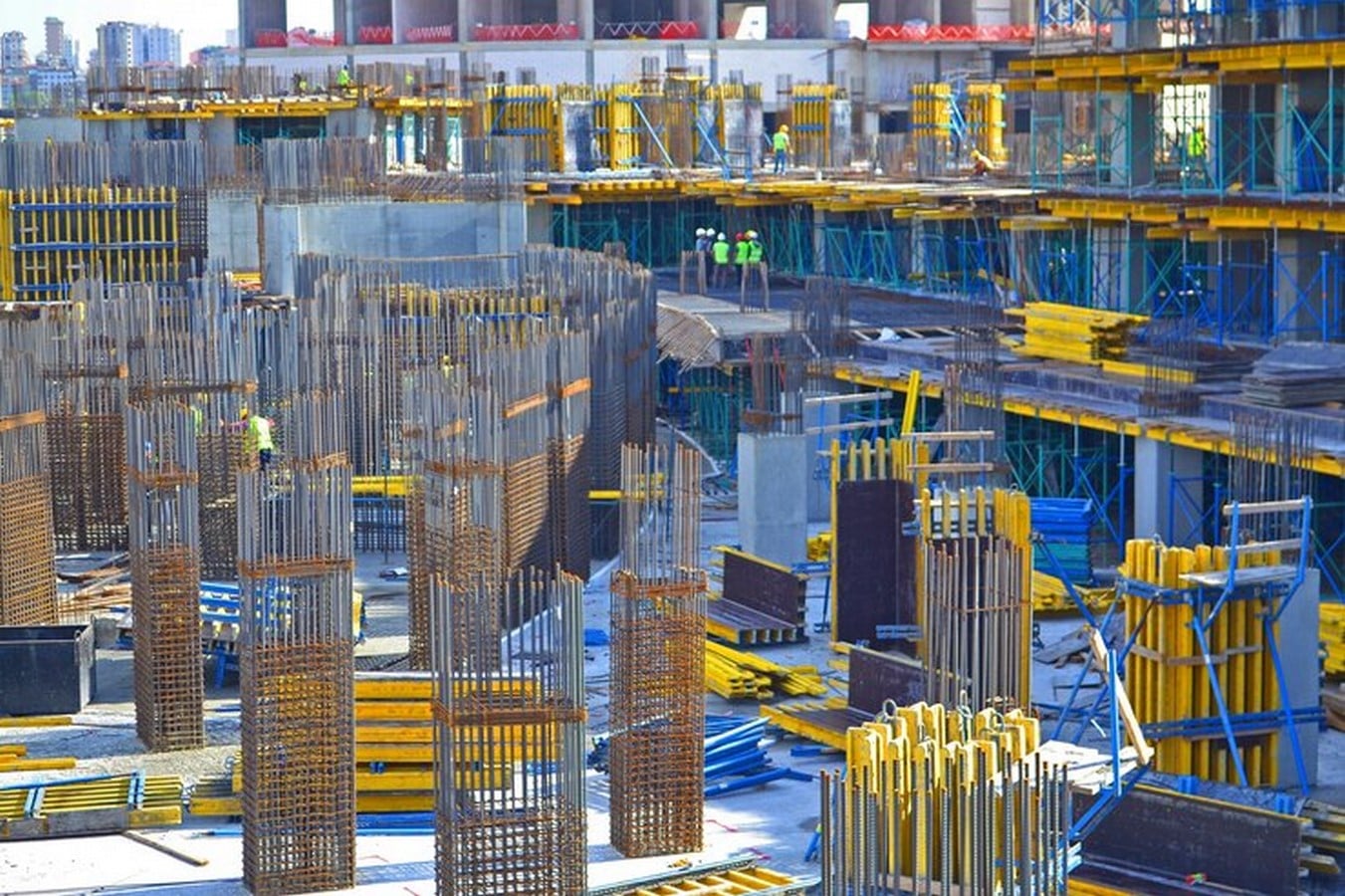
Aluminum formwork has become a staple in modern construction due to its versatility, durability, and efficiency. Whether you’re working on a large-scale commercial project or a residential settlement, understanding how to use aluminum forms for slabs and columns can significantly streamline your process and improve your overall results. In this article, we’ll dive into the advantages, best practices, and considerations when working with aluminum form systems like Alumlight.
Why Choose Aluminum Formwork?
Aluminum formwork systems are preferred by many in the construction industry for a variety of reasons. These systems are lighter than their steel counterparts, making them easier to handle and position. This reduces labor costs and time, two crucial factors in any construction project.
Moreover, aluminum forms are reusable. With proper care, these forms can be used for multiple cycles, providing great cost savings in the long term. For slab and column work, aluminum offers the precision and smoothness required for a high-quality finish.
Advantages of Using Aluminum Forms for Slabs and Columns
Aluminum formwork stands out due to its inherent benefits when working on slabs and columns, two essential elements in construction. Let’s explore some of these advantages in detail.
1. Lightweight and Easy to Handle
One of the most significant benefits of aluminum formwork is its lightweight nature. Aluminum weighs significantly less than steel, making it easier to transport, position, and remove from a site. When working with columns or pouring large slabs, a lighter form means quicker setup times and less strain on workers.
2. Durability and Reusability
While lightweight, aluminum form systems are known for their durability. These forms can withstand heavy loads and frequent use without deforming or deteriorating. They can be reused many times without significant wear and tear, as long as they are maintained properly. This reusability offers substantial savings over time, especially in long-term or repetitive projects.
3. Smooth Finish for Columns and Slabs
Aluminum formwork systems like Alumlight provide a smooth and consistent finish, particularly for exposed concrete work. When building columns, a clean, smooth surface is often necessary for aesthetic purposes or for further finishing processes like painting or plastering. For slabs, a smoother finish means less need for post-pour treatments, saving both time and resources.
4. Precision and Consistency
Aluminum forms are manufactured with high precision, ensuring that each slab and column is cast to exact specifications. This precision is critical in large construction projects where minor discrepancies can lead to significant issues later on. Whether you’re working with slabs that span large areas or complex column arrangements, aluminum forms offer the consistency needed for professional-grade results.
Best Practices for Working with Aluminum Forms
To get the most out of aluminum formwork systems, it’s important to follow best practices for their use, care, and handling. Below are some key tips to ensure your aluminum forms remain in excellent condition and function effectively throughout your project.
1. Proper Preparation of Forms
Before starting any work with aluminum forms, it’s essential to inspect and prepare them. Check for any damages, warping, or debris that may affect the pour. Cleaning the forms thoroughly and applying a release agent ensures that concrete won’t stick to the form, making it easier to dismantle once the concrete has set.
2. Ensuring Proper Alignment
Alignment is crucial when working with slabs and columns. Improperly aligned forms can result in uneven columns or a poorly poured slab. Take the time to ensure that the forms are set up correctly before pouring begins. Use levelers and other tools to make sure everything is straight and secure.
3. Regular Maintenance
Aluminum forms can last for years if maintained properly. After each use, forms should be cleaned and inspected for any signs of damage or wear. If a form becomes dented or bent, it can affect the quality of future pours. Make it a point to store the forms properly to avoid unnecessary damage during transport or storage.
4. Efficient Form Removal
One of the key benefits of using aluminum formwork is how quickly it can be removed once the concrete has set. However, removing forms too early can lead to structural issues with the concrete. It’s important to follow the recommended curing times for slabs and columns to avoid weakening the structure. Once the concrete has cured sufficiently, aluminum forms can be dismantled easily without damaging the concrete.
Common Applications: Slabs and Columns
Aluminum form systems are particularly effective when used for slab and column construction. Let’s take a closer look at how these forms are used in these specific applications.
1. Slab Construction
Aluminum forms are ideal for pouring concrete slabs. Their light weight allows for easy setup, and their precision helps ensure that the slab is poured to the correct depth and dimensions. Whether you’re working on a ground-level slab or multiple floors, aluminum formwork can be adjusted and reused for each floor, streamlining the process.
2. Column Construction
Columns play a crucial role in supporting the weight of a building. Aluminum forms allow for the efficient creation of strong, stable columns. The lightweight nature of aluminum is especially beneficial in vertical construction, where heavier form materials would be difficult to maneuver. Additionally, the smooth finish provided by aluminum forms means less post-pour work is needed to prepare the column for its final appearance.
The Environmental Impact of Aluminum Formwork
As the construction industry moves towards more sustainable practices, aluminum formwork systems offer an eco-friendly alternative to traditional materials. Since aluminum forms are reusable, they reduce the need for disposable wood or plastic forms, which often end up in landfills after just one use. Additionally, aluminum is a recyclable material, meaning that even at the end of its life cycle, it can be melted down and repurposed for other uses.
Choosing the Right Aluminum Form System
Selecting the right form system for your project can make a significant difference in efficiency and quality. When looking at aluminum formwork options, consider factors such as the size of the project, the type of construction, and the specific requirements for slabs and columns. Alumlight and other reputable manufacturers provide durable, high-precision systems that cater to a wide range of construction needs. Investing in a high-quality aluminum form system ensures not only smoother workflows but also longer-lasting results.
Conclusion: Efficiency and Quality with Aluminum Formwork
Working with aluminum forms for slabs and columns offers a range of benefits, from faster setup times to better finishes. By choosing a system like Alumlight, you can streamline your construction process and ensure that each pour is consistent, precise, and durable. Whether you’re a seasoned contractor or new to aluminum form systems, incorporating them into your next project could lead to significant improvements in both quality and efficiency.
By understanding the best practices and following proper maintenance protocols, aluminum forms can offer a reliable, long-term solution for various construction needs. From large-scale commercial buildings to smaller residential projects, aluminum formwork continues to set the standard for modern construction.
Rethinking The Future (RTF) is a Global Platform for Architecture and Design. RTF through more than 100 countries around the world provides an interactive platform of highest standard acknowledging the projects among creative and influential industry professionals.
We use cookies to ensure that we give you the best experience on our website. If you continue to use this site we will assume that you are happy with it.