

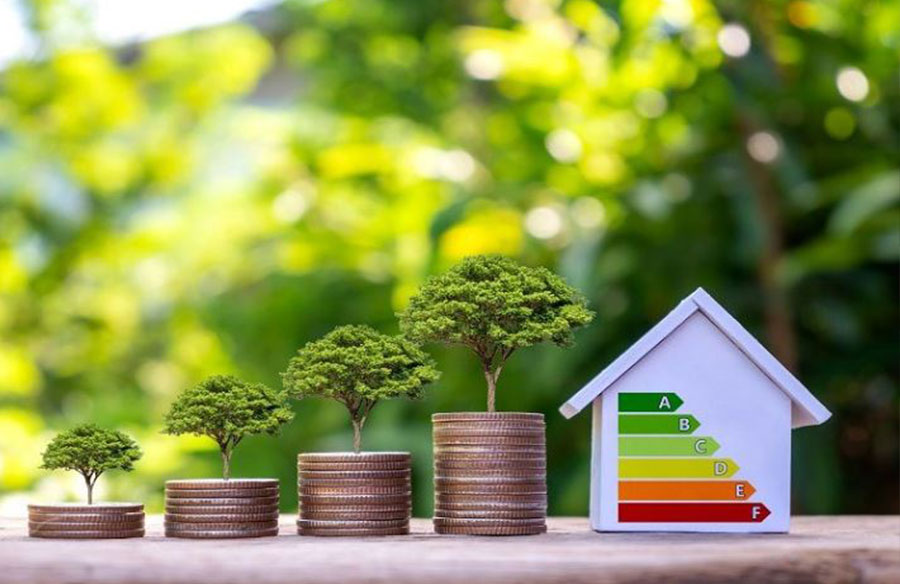
The choices we make have a direct impact on the environment, which is why sustainability is a cause more and more individuals and companies are throwing their weight behind.
For designers, this means creating spaces that are not only beautiful but also sustainable. For companies, especially those that operate in industries like construction, retail, and real estate, it means looking for ways to embrace sustainable designs with stringent safety measures and efficient storage.
Ultimately, sustainability is about reducing waste and conserving resources through eco-friendly practices. At the same time, efficient storage is about creating functional living or working spaces.
If both of these concepts are something you or your business are committing to, here are eight ways you can embrace them.
1. Use eco-friendly and reclaimed materials
The first thing you will need to do is use eco-friendly, recycled and reclaimed materials wherever possible.
To do this successfully, you’ll need to be both proactive and reactive. Proactive enough to go out and find materials like wood from old barns, metal from decommissioned factories, and glass from outdated windows that you can use, and reactive enough to use them when you find them.
You will also need to be creative enough to see the potential of using these materials to create a practical storage solution that saves you money, reduces the demand for new materials, and creates a unique design feature.
2. Think safety
Sustainable designs for storage take into account more than just the way something is made. They also factor in the degree to which they protect the environment from potential damage.
An example of this is gas cylinder & bottle storage, which should always be done with government safety restrictions in mind. This involves ensuring proper natural ventilation and a secure enclosure.
3. Use multi-functional furniture
One of the most innovative ways to create extra storage is to use furniture that is multi-functional.
Beds with built-in drawers, coffee tables that double as storage chests, and steps with hidden compartments are all innovative solutions that can not only look good but also provide extra room for your things.
These types of furniture pieces are excellent in homes where space is at a premium, as they can help you declutter your spaces and live more organisedly.
4. Create Built-In Storage
The most sustainable designs for storing possessions tend to include built-in storage, such as wall-mounted shelves, under-stair cabinets, and recessed niches.
These solutions maximise space by using existing architectural features. As they are efficient and unobtrusive, they reduce the amount of furniture you need to incorporate within your floor plan.
Built-ins also tend to be quite durable and can easily be designed to complement the overall aesthetic of a space.
5. Maximise vertical spaces
Storage solutions often focus on ground and floor levels. However, if you live in an urban area where square footage is at a premium or operate commercially within a small space, it is important to think outside the box—or at least higher up the box.
The likes of floor-to-ceiling shelves, wall-mounted cabinets, and hanging storage systems can all make a significant difference to your ability to keep your possessions in a tidy and organised manner.
Like with multi-functional furniture and built-in storage, they also reduce the need for bulky furniture that takes up valuable floor space.
6. Utilise Modular Systems
When it comes to storage systems, one size does not have to fit all. Instead, one size should be adjustable. That is the basic premise behind modular systems, which are versatile enough to allow you to add or remove components as your needs change.
This adaptability means that you don’t have to replace entire units as your storage requirements evolve, which, therefore, helps to reduce waste and the production of new materials.
Additionally, modular systems can be customised to fit any space, which means you can make better use of resources.
7. Get innovative with renewable energy sources
Sustainable designs are not just those that incorporate natural materials. They can also incorporate clean and renewable energy sources such as solar power or plants.
For instance, sheds or storage facilities don’t have to be generic structures. Instead, solar panels and plants can be placed on their roofs and sides to derive energy from the sun, giving the storage facility a dual purpose.
8. Embrace Smart Storage Solutions
Smart solutions are a terrific way to take your storage game to another level.
Thanks to advances in technology in modern interior design, there are now app-controlled storage units and modular closet systems which can adjust in size based on the volume of space that is being used.
The great thing about these types of systems is that they reduce the need to buy bulky storage furniture that might otherwise clutter up your space.







