

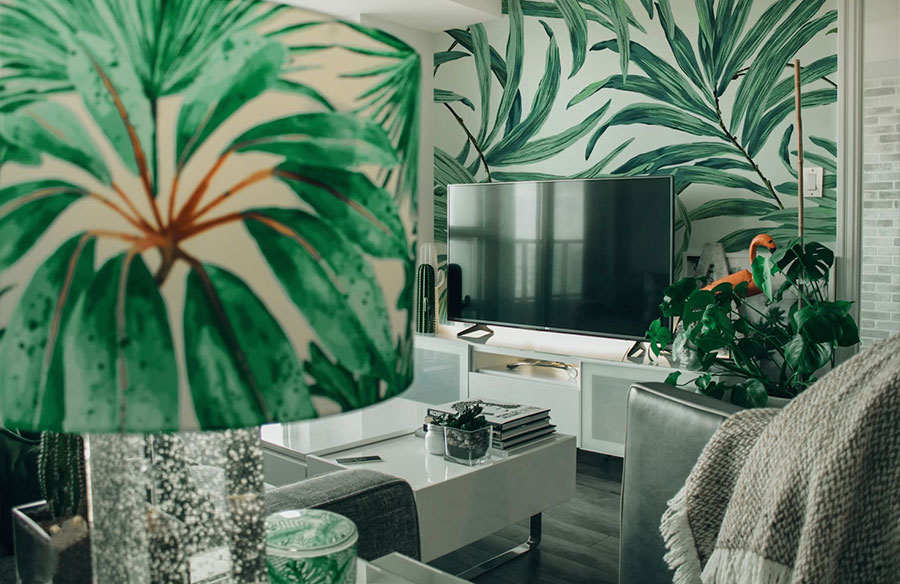
Biophilic design reconnects us with nature by integrating natural elements into built environments. It draws inspiration from the outdoors, using features like natural light, plants, water, and organic materials to create spaces that promote well-being.
This approach not only enhances aesthetic appeal but also boosts mental health and productivity. By mimicking the patterns and forms found in nature, biophilic design creates harmonious living spaces that feel more balanced and nurturing.
Embracing this design philosophy transforms our homes into serene sanctuaries that echo the tranquility of the natural world. Biophilic design can even create healthier living spaces.
The Role of Indoor Plants in Enhancing Air Quality
There are various ways of reconnecting with nature, from hiking in hills to eating plant-based meals. (For the latter, consider EveryPlate’s calorie-smart meal delivery service). But by employing biophilic design principles in your home, you can feel connected to the natural world all the time. One simple but effective element of biophilic design is the incorporation of indoor plants.
Indoor plants don’t just beautify your living space and connect you to nature. They can also significantly improve air quality.
Plants like the peace lily, spider plant, and snake plant absorb toxins such as formaldehyde, benzene, and trichloroethylene. This process naturally filters the air you breathe indoors. Plus, these green companions increase humidity by releasing water vapor during transpiration.
Better air quality means fewer respiratory issues and a healthier environment overall.
For an extra touch of nature’s magic at home, consider arranging multiple varieties to create a mini indoor garden that both purifies the air and adds aesthetic appeal to any room.
Using Natural Materials to Create Sustainable Interiors
Natural materials bring warmth and sustainability into our living spaces. Wood, stone, bamboo, and cork are excellent choices for floors, walls, and furniture. These materials not only provide a timeless aesthetic but also have low environmental impact compared to synthetic alternatives.
For example, reclaimed wood offers a rustic charm while promoting recycling efforts. Stone countertops add durability with an earthy touch. And bamboo grows rapidly, making it a highly renewable resource ideal for flooring or cabinets.
Incorporating these elements fosters an eco-friendly home environment that balances beauty with responsibility toward nature’s resources.
Harnessing Natural Light
Natural light boosts mood, productivity, and overall well-being.
Large windows, skylights, and strategically placed mirrors maximize sunlight in your home. South-facing windows offer the most consistent daylight throughout the year.
Consider using sheer curtains to diffuse harsh rays while maintaining brightness. And light-colored walls and reflective surfaces amplify natural light’s reach, reducing dependence on artificial lighting.
Incorporating these techniques creates a welcoming atmosphere that enhances mental clarity and energy levels. Plus, leveraging sunlight can lead to energy savings by lowering electricity use during daylight hours.
Maximizing Views of Nature for Mental Well-Being
Having a clear view of nature can significantly boost mental health and reduce stress. So, if possible, position furniture to face windows with the best outdoor views, creating cozy nooks for relaxation or workspaces that inspire creativity. If natural vistas are limited, consider landscape photography or artwork depicting serene environments.
Balconies and patios can extend your living space into the outdoors, providing fresh air and a direct connection with nature. Open-plan designs also facilitate unobstructed sightlines to gardens or green spaces outside.
Integrating these elements nurtures a peaceful environment, promoting calmness and enhancing overall well-being in everyday life.
Incorporating Organic Shapes and Patterns into Modern Spaces
Organic shapes and patterns draw inspiration from nature, adding harmony to modern interiors. Curved furniture, flowing lines, and irregular forms mimic the natural world’s aesthetics. Think of a sofa with gentle curves or a coffee table shaped like a river rock.
Textiles with leaf motifs or wallpapers featuring floral designs bring subtle yet impactful visual interest. Even simple touches like round mirrors or asymmetrical rugs soften rigid layouts.
These elements create dynamic spaces that feel both fresh and soothing. Embracing organic shapes fosters a sense of comfort and connectivity to the natural environment within contemporary settings.
The Psychological Impact of Color Choices in Biophilic Design
Colors derived from nature have profound psychological effects. Greens and blues, reminiscent of forests and skies, promote relaxation and reduce stress. These hues are ideal for bedrooms or living areas where tranquility is essential.
Warm earth tones like browns and tans create a cozy atmosphere that feels grounding. Accents in bright floral colors can invigorate spaces like kitchens or home offices, boosting energy and creativity.
Selecting a color palette inspired by nature ensures that interiors not only look harmonious but also support mental well-being by evoking the calming essence of the natural world.
Water Features in Interior Design: Calming Effects and Practical Tips
Lastly, water features, such as indoor fountains or aquariums, introduce tranquility to any living space. The gentle sound of flowing water soothes the mind and can reduce anxiety.
A small tabletop fountain can fit perfectly on a desk or side table, providing a constant source of calm.
Aquariums add both movement and a splash of nature’s beauty indoors. For practical installation, ensure adequate lighting and maintenance plans for cleanliness.
These elements enhance your environment with peaceful vibes while also improving air humidity levels.
Integrating water features transforms interiors into serene retreats that nurture mental wellness.







