

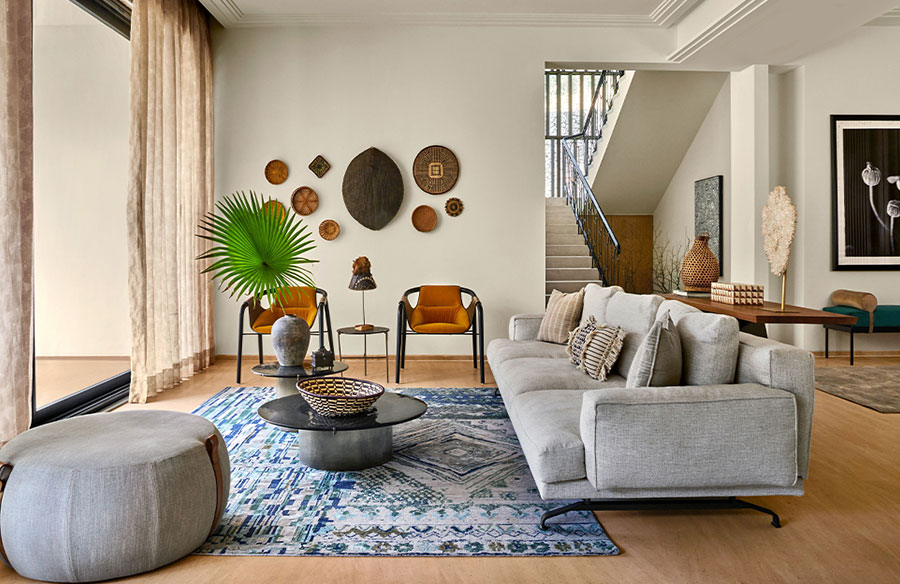
The Danish concept of “hygge” (pronounced hoo-ga) has taken the world by storm, influencing interior design and lifestyle choices — even social interactions.
Hygge, loosely translated as a feeling of cozy contentment and well-being through enjoying the simple things in life, has become a global phenomenon.
Although the Danes have been proponents for many years, few outside Scandinavia knew of it until it was internationally popularized by authors like Meik Wiking, CEO of the Happiness Research Institute in Copenhagen and author of “The Little Book of Hygge,” and Louisa Thomsen Brits, who wrote “The Book of Hygge: The Danish Art of Living Well.”
The appeal of hygge lies in the comfort, warmth, and connection it emphasizes — elements that resonate deeply in our fast-paced, often stressful modern world. As people seek to create sanctuaries within their homes, the principles of hygge have become central to many interior design strategies. In terms of interior design, you might have heard it referred to as the Airbnb look.
One key aspect of this is flooring, particularly in large open areas where creating a sense of coziness can be challenging.
“Carpets not only provide physical warmth underfoot but also play a crucial role in acoustics, color scheme, and overall ambiance,” according to Mike Jones from the UK-based carpet underlay store Simply Underlay. “These are all essential components of a hygge-inspired space.”
Texture: The Foundation of Comfort
The texture of your carpet plays a crucial role in creating a hygge atmosphere. Soft, plush carpets invite bare feet and lounging, essential elements of hygge living.
“The right underlay can enhance the comfort of any carpet,” says Jones. “For a truly hygge feel, I recommend a high-density foam underlay. It not only adds extra cushioning but also improves heat insulation, perfect for those cozy winter evenings.”
Color: Warmth in Hues
Color choice is vital in setting the mood of a room. For a hygge feeling, consider warm, neutral tones that create a sense of calm and comfort.
“Earthy tones like warm greys, soft browns, and muted greens are popular choices for creating a hygge atmosphere,” notes Mike. “These colors connect us to nature and create a soothing backdrop for relaxation.”
Pattern: Subtle Interest
While solid colors work well, subtle patterns can add depth and interest to a large open area without overwhelming the space.
Mike suggests: “For large areas, consider carpets with gentle, organic patterns. These can add visual warmth and help define different zones within the space, enhancing the cozy feel.”
Material: Natural Comfort
The material of your carpet contributes significantly to both its feel and its environmental impact. Natural fibers align well with the hygge philosophy of simplicity and connection to nature.
“Wool carpets are excellent for creating a hygge atmosphere,” Mike points out. “They’re naturally insulating, durable, and have a wonderful, soft texture. Plus, they’re a sustainable choice, which fits well with the mindful aspect of hygge living.”
Installation: The Finishing Touch
Proper installation is crucial, especially in large open areas where seams might be necessary — and obvious if carpet was badly laid.
Always use a professional installer, particularly for large areas. They can ensure seams are nearly invisible and that the carpet is properly stretched. This not only looks better but also extends the life of your carpet.







