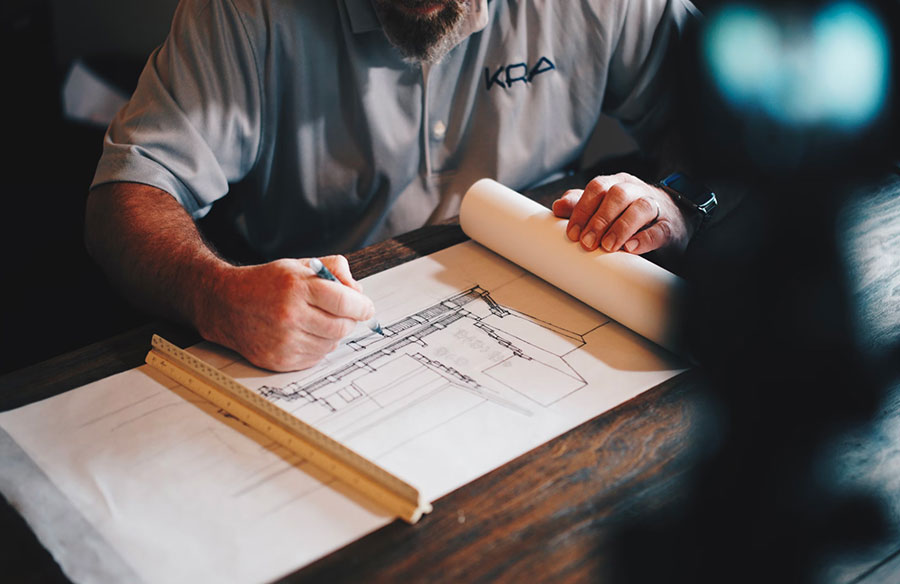
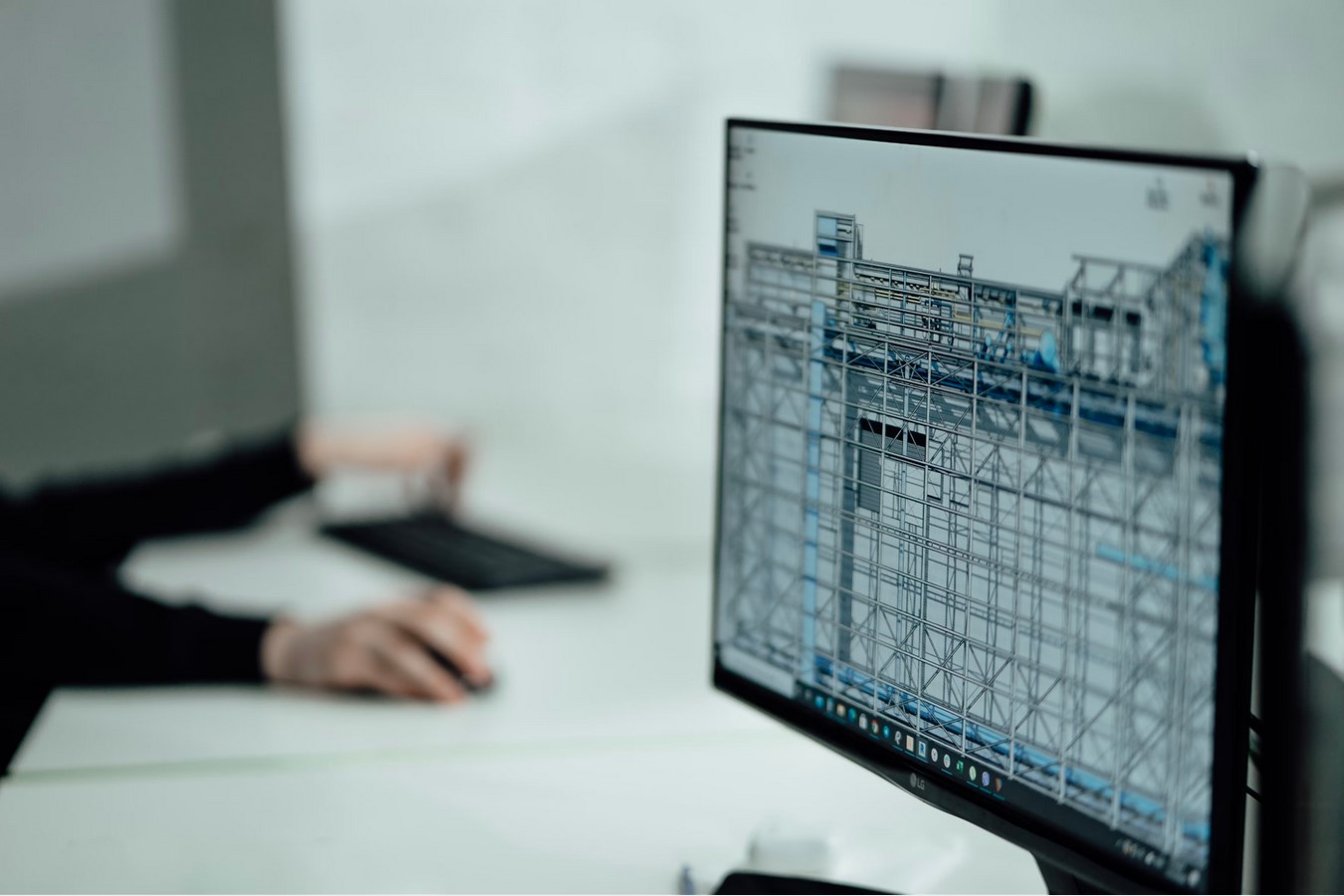
In the bustling world of architecture, small firms often find themselves in a David Vs Goliath scenario, being outspent, outnumbered, and frankly out of ideas. It takes years of consistent work to just match up with the big guns, but with the recent advances in technology, the playing field is starting to get leveled for the better.
From CAD and BIM, to generative AI and 3D printing, in this article, we take a deep dive into the high-tech revolution that is coming for the architecture sector, and how smaller players can play and come out ahead making the most of these new solutions.
The Dawn of Innovation In Small Architectural Firms
Small architectural firms are often bustling with creativity, and are yet strapped for resources, leaving them unable to ever punch above their weight class.
However, with the latest in tech solutions, coupled with digital transformation and generative AI, things are finally turning around for the small players. We aren’t just talking about fancy software and design tools, but a top-to-bottom remodeling of workflows and operations at architecture firms.
It’s hard to say exactly what the future of small architectural teams will look like, but what can say with certainty is that the magnitude of change will be phenomenal, unlocking substantial value and opportunities for the industry as a whole.
The Tech Toolkit: More Than Just Software
Architectural design has seen large transformations in recent years brought about by computer-aided design, or CAD, and building information modeling, or BIM, but all of this will likely pale in comparison to what the future holds.
We’ve now got augmented reality and virtual reality stepping onto the scene, just as 3D printing has started to make headway in creating tangible value for organizations. The biggest shift, however, will be brought about by generative AI, which stands to unlock possibilities beyond anything that we can imagine.
Instead of manually designing various elements and getting them to look just fine, architects in the future will rely entirely on prompts to get the designs and elements they want to showcase. It is also possible for AI to generate designs entirely on its own, based on the prompts, guidelines, and requirements provided.
The Budget Balancing Act
Of course, this tech will be expensive, with many exceeding the limited budget of small and mid-sized architectural practices, however, most of them are very well worth the price, considering the amount of manual work saved, and the increased throughput.
Firms can see reduced errors, more competitive bids, and happier clients with these solutions, meaning they pay for themselves in the long run. It does, however, require a balancing of the budgets upfront to be able to pay for the expensive licensing, along with the training required to use them.
Investing in such tech solutions is never a waste, it’s finding a way to pay for them, which is a problem for most small-sized and startup architecture firms.
Breaking Down The Integration Process
With digital transformation comes a range of different tools and solutions, all from different vendors and service providers, working separately from each other. This can soon turn into a problem, giving rise to regular context switching and killing team productivity for good.
In order to truly unlock the value of these high-tech solutions, you need them working together, making integration a key element.
Over time, all these tools, whether it is CAD, BIM, or any of the umpteen other project management, collaboration, and visualization tools, should become part of a unified system, or workflow that ensures seamless productivity.
Integration and interconnections don’t just stop here, and can in fact penetrate deeper into the value chain. Third-party vendors and contractors, such as a plumbing contractor service software can now be hooked up to your BIM software, increasing visibility, and unlocking substantial value in the process.
Overcoming The Fear Factor
Change can be scary, especially when it comes with a side of tech jargon. There’s this fear factor that can be a major hurdle. But here’s the thing: you don’t need to be a tech wizard to make these changes.
There are tons of resources out there, from online tutorials to tech consultants who specialize in helping firms like yours. Plus, many tech companies offer training sessions as part of their packages. The key is to approach this with an open mind and a willingness to learn.
It’s a lot easier to embrace change at a small firm than a giant behemoth. Small architecture firms stand to gain a lot by adopting the best systems and practices right away, and all it takes is a few minor tweaks and adjustments to truly embrace the digital revolution.
The Future is Now: Staying Ahead of the Curve
Embracing tech solutions isn’t just about catching up, it’s about staying ahead. The architectural world is evolving at a breakneck pace, and what’s innovative today might be standard practice tomorrow.
By integrating tech solutions now, you’re not just solving current problems, you’re future-proofing your business. It’s about being ready for whatever comes next, whether that’s virtual reality site visits or AI-driven design proposals.
As a small firm, you have the advantage of being nimble, and as the adage goes, the Goliaths often never see David coming for them. Keep an eye out for new innovations, and invest in training and education, and slowly, but surely you will start one-upping your bigger and better competitors at their own game.
The Bottom Line: A Strategic Investment
In conclusion, integrating innovative tech solutions in small architectural businesses isn’t just a nice-to-have, it’s a must-have for those looking to thrive in a competitive landscape.
It’s a strategic investment in your business’s efficiency, creativity, and growth potential. Sure, it requires a bit of a mindset shift and some upfront investment, but the returns—in terms of time saved, errors reduced, and opportunities created—are well worth it.
By embracing these solutions, small firms can not only level the playing field with their larger counterparts but also carve out a niche for themselves as forward-thinking and innovative designers.
So, let’s get tech-savvy and transform those architectural dreams into high-tech realities. Who knows? The next architectural marvel might just come from a small firm that dared to think big, tech-wise.
Rethinking The Future (RTF) is a Global Platform for Architecture and Design. RTF through more than 100 countries around the world provides an interactive platform of highest standard acknowledging the projects among creative and influential industry professionals.
We use cookies to ensure that we give you the best experience on our website. If you continue to use this site we will assume that you are happy with it.