

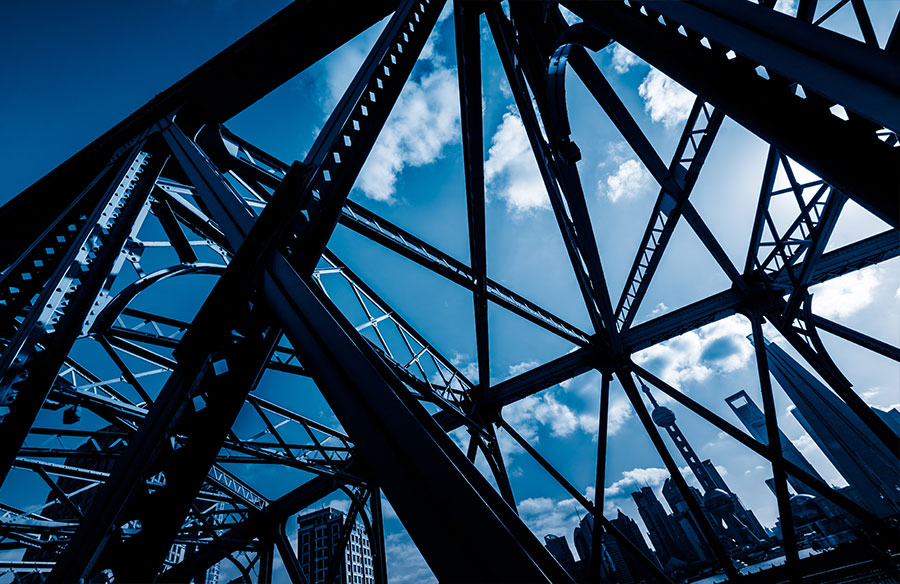
In the heart of modern civil engineering within the UK, steel plays a pivotal role, not merely as a backbone to the towering structures that define our skyline but also as a beacon of sustainability and innovation. As we stride further into the 21st century, the conversation around construction materials has increasingly pivoted towards sustainability. In this context, steel reinforcement and steel framing have emerged not just as structural necessities but as significant contributors to the eco-friendly narrative of construction.
The Sustainable Edge of Steel
Steel’s journey in the realm of civil engineering is storied, with its virtues of strength, durability, and flexibility being well-documented. However, what sets steel apart in today’s environmentally conscious world is its remarkable sustainability. Steel is endlessly recyclable, with the potential for reuse without degradation of its properties. This recyclability positions steel as a material of choice in the pursuit of green building certifications and sustainable project goals.
In the UK, where environmental sustainability is a national priority, the construction sector has been quick to adopt steel for its green credentials. The use of steel reinforcement in concrete structures improves longevity and reduces the overall carbon footprint by minimising the need for repairs and rebuilds. Similarly, steel framing is lauded for its precision and efficiency, allowing for off-site construction that reduces waste and energy consumption on the building site.
The Versatility of Steel in Construction
The application of steel in civil engineering is multifaceted, ranging from the cores of skyscrapers to the frameworks of bridges. Its ability to withstand high stresses and adapt to various shapes and sizes makes it invaluable in complex architectural designs and large-scale infrastructure projects. This versatility ensures that steel can meet the diverse needs of today’s construction industry, from residential buildings to public infrastructure.
Furthermore, steel framing systems support the concept of modular construction, where components are prefabricated in a factory setting and then assembled on-site. This approach not only streamlines the construction process but also significantly reduces the environmental impact associated with traditional construction methods.
Driving Innovation in the UK’s Construction Sector
The UK’s construction sector is at the forefront of embracing steel for its potential to drive innovation and sustainability. Initiatives like the Target Zero guide, which provides insights into achieving zero carbon buildings, underscore the role of steel in meeting environmental targets. Through advanced engineering techniques and the development of new steel alloys, the industry is continually enhancing the performance and sustainability of steel as a construction material.
Projects across the UK demonstrate the innovative use of steel in construction. The Shard in London, one of the tallest buildings in Europe, is a prime example of steel’s capabilities in supporting high-rise construction while adhering to sustainability standards. Similarly, the use of steel in infrastructure projects like the Queensferry Crossing in Scotland highlights its strength, durability, and adaptability in challenging environments.
The Economic and Environmental Synergy
The sustainability of steel goes beyond environmental benefits, offering significant economic advantages as well. By reducing the need for maintenance and offering longevity, steel structures can offer better long-term value for investors and developers. Additionally, the efficiency of steel construction can lead to shorter project timelines and reduced labour costs, further enhancing its economic viability.
The UK’s commitment to reducing its carbon footprint and building a sustainable future is reflected in its approach to civil engineering. The integration of steel into construction practices exemplifies how materials can be chosen not just for their physical properties but for their environmental impact. As we continue to build and innovate, the role of steel in shaping a sustainable and resilient built environment remains undeniably crucial.
Looking Forward
As the UK continues to pave the way in sustainable civil engineering, the role of steel as a key component in this journey is both undeniable and indispensable. Its recyclability, versatility, and innovation potential make it a cornerstone of sustainable construction practices. For architects, engineers, and developers, steel is not just a material choice; it’s a commitment to building a future where sustainability and durability go hand in hand.
Steel use in systems like framing, reinforcement, and cladding are not just elements of construction; they are pillars of sustainable development in the UK’s civil engineering landscape. As we move forward, the continued focus on materials that offer environmental benefits alongside structural integrity will be paramount. Steel, with its unique combination of durability, flexibility, and recyclability, is set to play a central role in this sustainable future, shaping not just the structures we live and work in but the very horizon of UK civil engineering.







