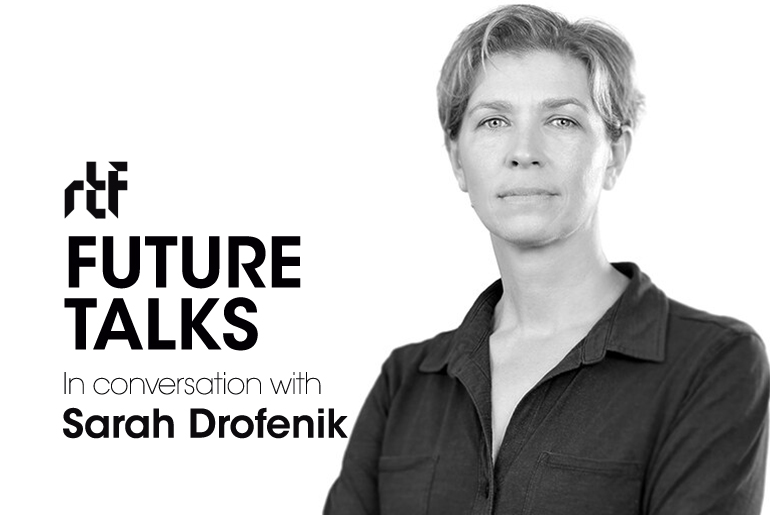
Ladies and gentlemen, welcome to Future Talks by RTF, where we have the honor of engaging with the pioneering individuals who breathe life into the captivating stories of design. Today, our journey takes us into the world of architecture, and our guest, Sarah Drofenik, is a visionary whose career spans nearly two decades, dedicated to crafting exceptional residential spaces that harmonize with their environment.
Sarah Drofenik embarked on her architectural journey by earning her degree at the esteemed University of Melbourne in 1993. With a strong foundation in her education, she set out to explore the world of architecture by joining medium-sized architectural practices. For a decade, she honed her skills, gaining valuable experience and insight into the profession.
In 2003, Sarah’s path took an exciting turn when she crossed paths with Paul Baker. Their collaboration and shared vision led to the establishment of Baker Drofenik Architects in 2004. This partnership would mark a pivotal moment in Sarah’s career, opening up a new chapter of creative exploration and design innovation.
Throughout her illustrious career, Sarah Drofenik has exhibited a particular passion for smaller-scale residential architecture. Her work over the past 20 years has left an indelible mark on the architectural landscape, with a primary focus on climate-responsive design. Her commitment to creating living spaces that not only reflect the needs and desires of the residents but also coexist harmoniously with the natural surroundings has set her apart as a true luminary in the field. Sarah’s projects have graced various locales, including Melbourne, the Surf Coast, and the Bellarine Peninsula in Victoria, each reflecting her unwavering dedication to her craft.
Join us in this enlightening conversation with Sarah Drofenik, as we explore the art of residential architecture, the nuances of climate-responsive design, and the remarkable stories behind her projects.
RTF: Hi Sarah, We are glad to have you as a guest on Future Talks by RTF. Thanks for joining us. What are your views on a carbon-zero economy? How has it influenced Baker Drofenik architecture’s work?
Sarah: From a building and architectural perspective we see much opportunity and hope in working to Carbon Zero. We are very excited by the growth in the understanding of how to approach architectural design with a Carbon Zero future. The shift to having a scientific understanding of building construction is both liberating and exciting. I like a rational approach to design where decisions are strategic and purposeful and where materiality goes beyond style. There are challenges associated with low carbon construction, and rigorously working through these allows for opportunities to redefine how we use space.
RTF: What kind of attention do you give to the ‘community’ in conceptualizing a project? How do pragmatism and subjectivity go hand-in-hand in it?
Sarah: In regards to single residential projects, there is a struggle between the ideal of home and the vision of home. We respect our clients and purposely respond to their cultural idea of home. We also engage with a broader idea of neighborhood and street that allows for opportunities for inhabitants’ engagement beyond their boundaries. The process of architectural design is simultaneously inherently subjective and pragmatic, as is the idea of home.
RTF: How do you look at rendering in architecture? What are the positive and negative sides to it?
Sarah: We like to keep our rendering simple. Rendering is a great visual tool, but ultimately the process is about constructing living spaces that enliven people’s lives.
RTF: How has the presentation of projects changed with time?
Sarah: Our project presentations rely on the process of abstract visualization, and presenting clients with real materials that they can touch and see. We also provide simple 3D models for clients to visually experience their spaces.
RTF: Which has been the most rewarding project for you until today? And, what factors made it so?
Sarah: Paul and I are currently building our own house. It has been built to Net Carbon Zero and Passive House Standards. The process of understanding both net zero construction and Passive house has been a steep learning curve, and incredibly rewarding. We are amazed at the feeling of being in a Passive house, and also excited that we will be living with a net zero future. We have also enjoyed the physical process of construction and the day to day experience of watching the spaces change.
RTF: What is your process of developing the initial thoughts about a project? How do you start?
Sarah: The process of developing initial thoughts about a project is specific to each project. Listening to clients is the first step, engaging physically with a site and understanding a site is essential, then design discussions and extensive hand drawing.
RTF: How do you look at the responsibility of informing others and inculcating architectural and design wisdom in people through lectures and workshops along with exemplary projects?
Sarah: The great thing about being an architect is that it is a profession where you are in a constant state of learning, thinking and growing. I get a lot out of listening to design professionals. Participating in lectures and workshops have been essential throughout my career
RTF: What advice would you give to emerging architects who are looking to increase their chances of getting their work published? Are there any specific resources or platforms that you would recommend for architects seeking publication opportunities?
Sarah: Bowerbird Architectural App is a good way of connecting with journalists.
RTF: Where does one find you when not working?
Sarah: On site, building a house at the moment!
RTF: How do you foresee architecture and design to transform in the coming years?
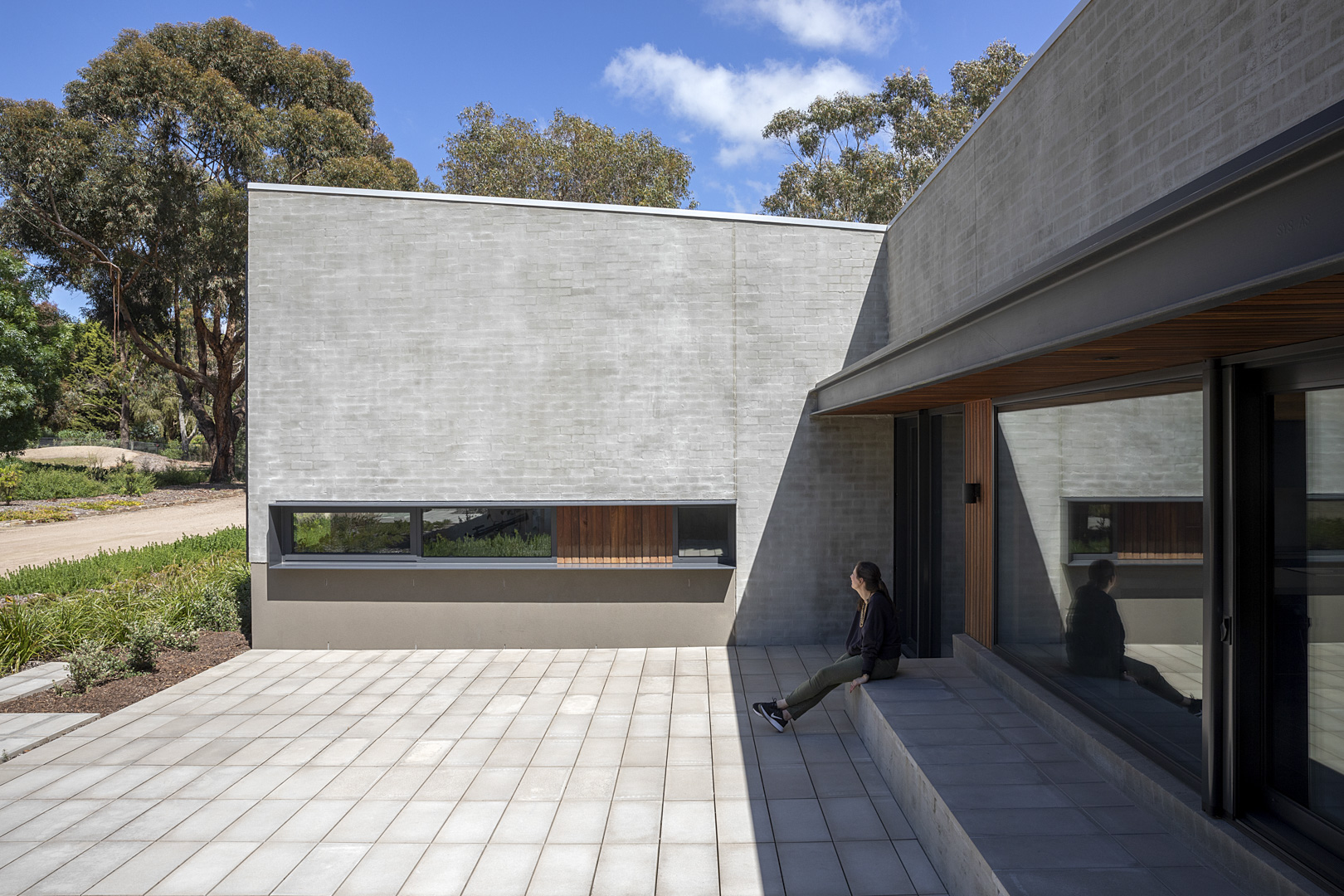
Sarah: Hopefully architecture and architectural design will become less material and energy intensive, with greater sensitivity to the earth, less dependent on style, and more human and nature focused. It would be great if architects began to know and understand where the materials they are using are coming from, and then where they will go once a building’s use needs redefining or is complete.