• Careers
  • About
  • Submit Your Story
  • Subscribe
Search for:
  • Facebook
  • Twitter
  • Pinterest
  • LinkedIn
RTF | Rethinking The Future
  • RTF Awards 26
    • Rethinking The Future Awards 2026
    • Previous Awards
      • 2025
        • RTF Awards 2025 | Results
        • GADA 2025 | Results
      • 2024
        • RTF Awards 2024 | Results
        • GADA 2024 | Results
      • 2023
        • RTF Awards 2023 | Results
        • GADA 2023 | Results
      • 2022
        • RTF Awards 2022 | Results
        • GADA 2022 | Results
      • 2021
        • RTF Awards 2021 | Results
        • GADA 2021 | Results
      • 2020
        • ACD Awards 2020 | Results
        • RTF Awards 2020 | Results
      • 2019
        • GADA 2019 | Results
      • 2018
        • ACD Awards 2018 | Results
        • GADA 2018 | Results
      • 2017
        • RTF Awards 2017 | Results
        • RTF Sustainability Awards 2017 | Results
      • 2016
        • RTF Sustainability Awards 2016 | Results
      • 2015
        • RTF Sustainability Awards 2015 | Results
      • 2014
        • RTF Awards 2014 | Results
    • Competitions
      • RTF Writing Competition 2021
      • Architectural Photography Competition May 2020 – Results
      • RTF Architectural Visualization Competition 2020 – Results
      • RTF Essay Writing Competition April 2020 – Results
      • Designer’s Days of Quarantine Contest – Results
      • Urban Sketching Competition May 2020 – Results
  • Articles
    • Architecture+
      • Architectural Community
      • Architectural Facts
      • RTF Architectural Reviews
      • Architectural styles
      • City and Architecture
      • Fun & Architecture
      • History of Architecture
    • Design+
      • Design Studio Portfolios
      • Designing for typologies
      • Product Design
      • RTF Design Inspiration
    • Art
    • Architecture News
    • Construction & Materials
    • Covid and Architecture
    • Know Your Architects
    • RTF Fresh Perspectives
    • Career Advice
    • Case Studies
    • Landscape Architecture
    • Narratives
    • Sustainable Architecture
    • Technology & Architecture
    • Top Architects
    • Travel and Architecture
    • Technologies
    • Architectural Insights
    • Articles
  • Courses
  • Future Talks
  • Projects
    • Architecture
      • Cultural
      • Commercial
      • Educational
      • Healthcare
      • Hospitality
      • Housing
      • Institutional
      • Mixed Use
      • Office Buildings
      • Public Building
      • Recreation
      • Residential
      • Sports & Recreation
      • Temporary Structure
    • Interior Design
      • Commercial Interior Design
      • Corporate Interior Design
      • Healthcare Interior Design
      • Hospitality Interior Design
      • Residential Interior Design
    • Landscape
    • Product Design
    • Skyscraper
    • Sustainability
    • Transportation
    • Urban Design
  • Submit
  • More
    • Architectural Writing Training Programme | WFH
    • Careers
    • About RTF
      • Contact RTF
      • Work with RTF
        • Host your Course with RTF
        • Internships at RTF
          • Editorial Internship | In-office
          • Graphic Design Internship
          • Research Internship | WFH
          • Research Internship | New Delhi
      • Advertise on RTF
      • Subscribe
  • Search for:
Join Rethinking The Future Awards 2026
In RTF Fresh Perspectives

Economic Viability of Floating Cities

7 Mins Read
Share
Share on Facebook Share on Twitter Pinterest Email

For some of the most important urban issues of our day, floating cities offer a creative and progressive solution. Floating cities have a distinctive possibility for sustainable growth, economic stability, and financial resilience as urbanization keeps accelerating and rising sea levels threaten coastal communities. The various facets of the economic sustainability of floating cities are examined in this essay, with a focus on employment creation, tourism, aquaculture, maritime industries, and the adoption of efficient economic models. We will also use actual examples of floating city projects and activities to provide a thorough insight.

An Economic Driver: Tourism

Floating cities have the potential to develop and become major destinations for international travel. Their attraction stems from a variety of factors:

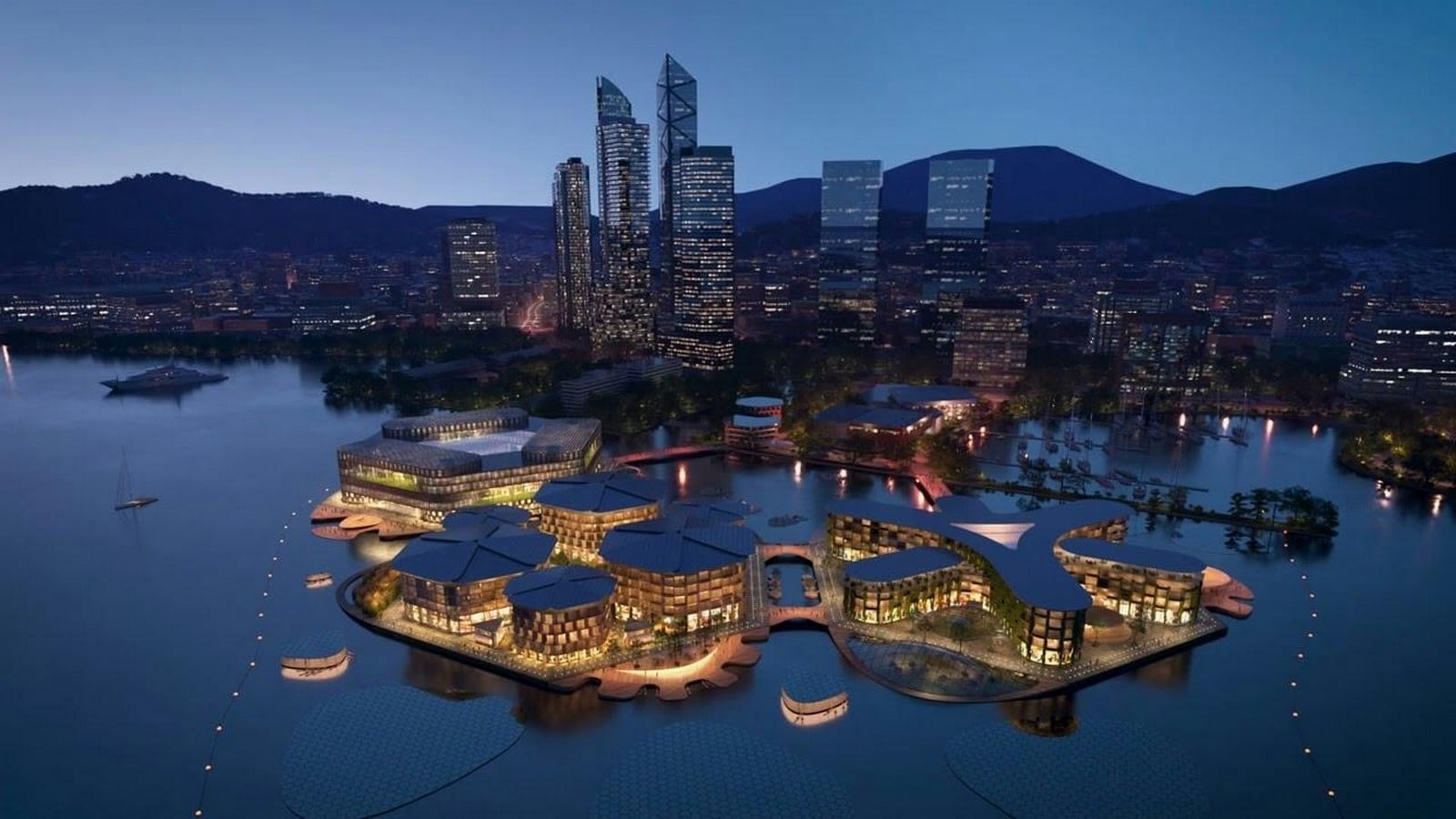
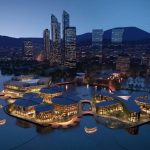
  1.     Distinctive Attractions: With their inventive designs and scenic waterfront settings, floating cities provide a variety of distinctive attractions that enthrall visitors. Consider the envisioned Oceanix City. This ambitious idea promises luxurious floating gardens, underwater restaurants, and floating hotels, giving visitors a unique experience. Adventuresome travelers looking for new experiences are sure to be drawn by the appeal of dining under the waves or resting in a floating hotel room with magnificent ocean views.
Economic Viability of Floating Cities - Sheet1
OceanixCity_©FreeThink
  1.   Tourism that prioritizes sustainability: Floating cities might promote themselves as leaders in environmentally sustainable travel. The idea of sustainable floating cities is promoted by the NGO Seasteading Institute. These cities can draw eco-aware tourists by highlighting attributes like renewable energy sources, effective trash management, and low environmental impact. These travelers are drawn to floating cities for the novelty they offer and to promote environmentally friendly methods.
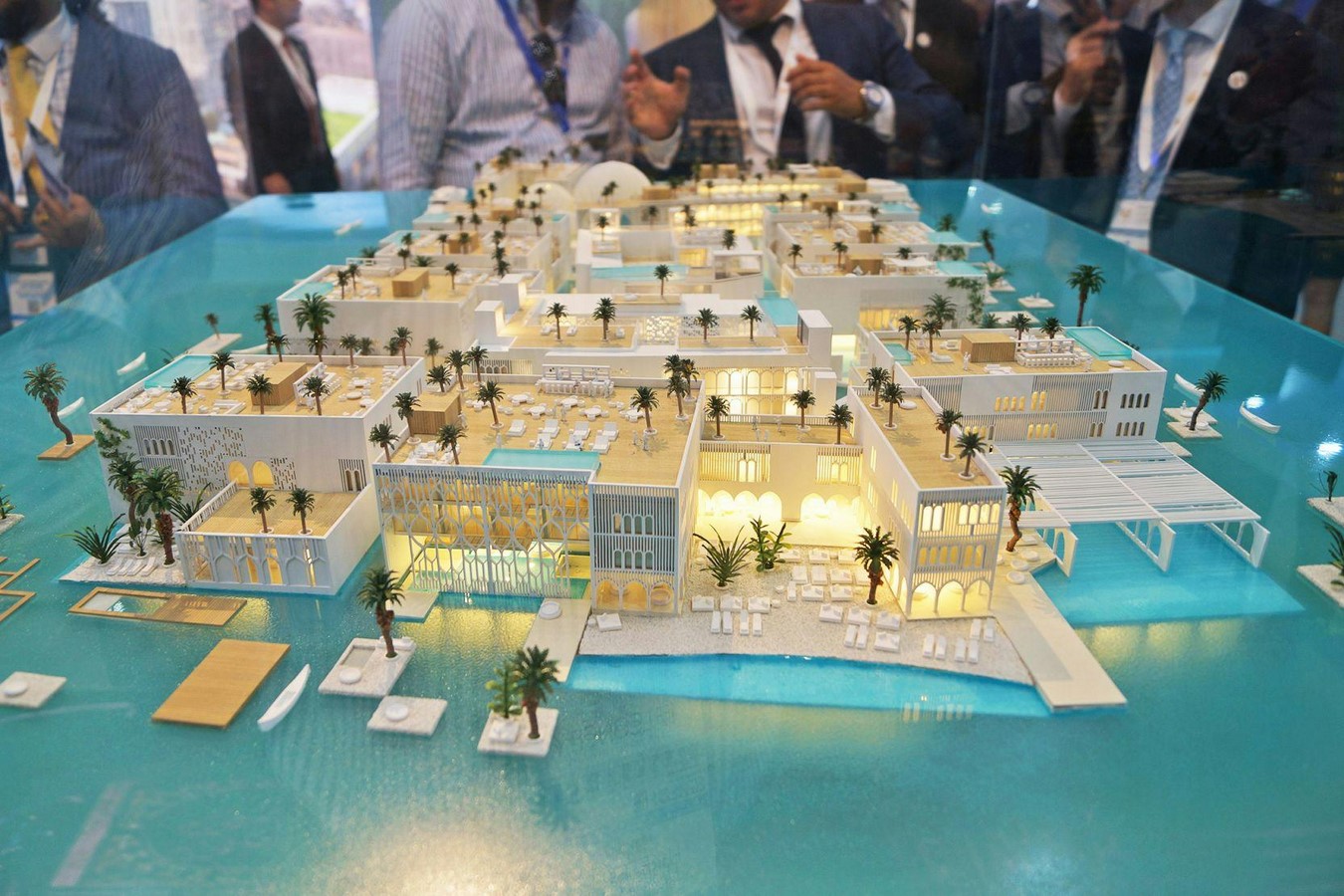
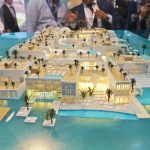
  2.     Floating cities can take advantage of their marine settings to commemorate and promote maritime traditions. For instance, the idea of “The Floating Venice” seeks to provide visitors with a comprehensive cultural experience. A deeper and richer travel experience is promised by this resort’s planned cultural events, marine museums, and local arts and crafts markets.
Economic Viability of Floating Cities - Sheet2
FloatingVenice_©Propsearch

Aquaculture for the Production of Sustainable Food

Within floating cities, aquaculture is essential for providing food security and economic stability:

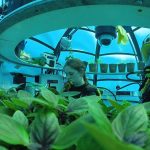
  1.     Local Food Production: The potential of floating cities to integrate aquaculture systems is one of its major advantages. Right outside the city, these systems offer a dependable source of fresh seafood. Floating cities improve food security and lessen their carbon impact by decreasing the need for long-distance food delivery. NEMO’s Garden, an attempt at underwater farming off the coast of Italy, serves as a prime example. It shows the possibilities of raising marine life in regulated settings, assuring a steady and long-lasting supply of seafood.
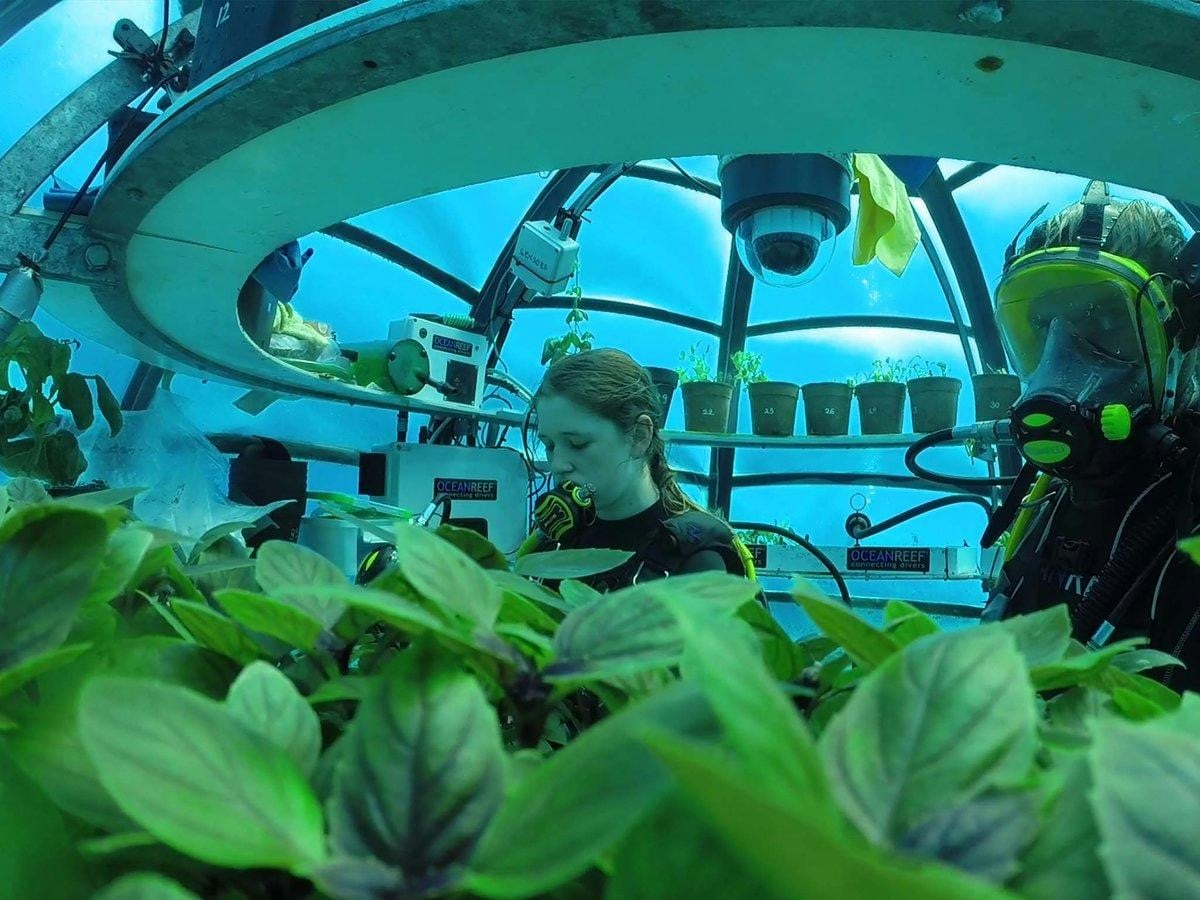
Economic Viability of Floating Cities - Sheet3
NemoGarden_©WCSAWORLD
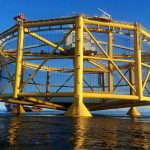
  1.     Economic Opportunities: Within floating cities, aquaculture generates a wide range of employment opportunities. Jobs include anything from fish farming and processing to researching and developing methods for sustainable aquaculture. For instance, the possibility of extensive fish farming is demonstrated by Ocean Farm 1, which is located off the coast of Norway. Along with growing seafood, it also entails establishing jobs in the development and upkeep of aquaculture technology.
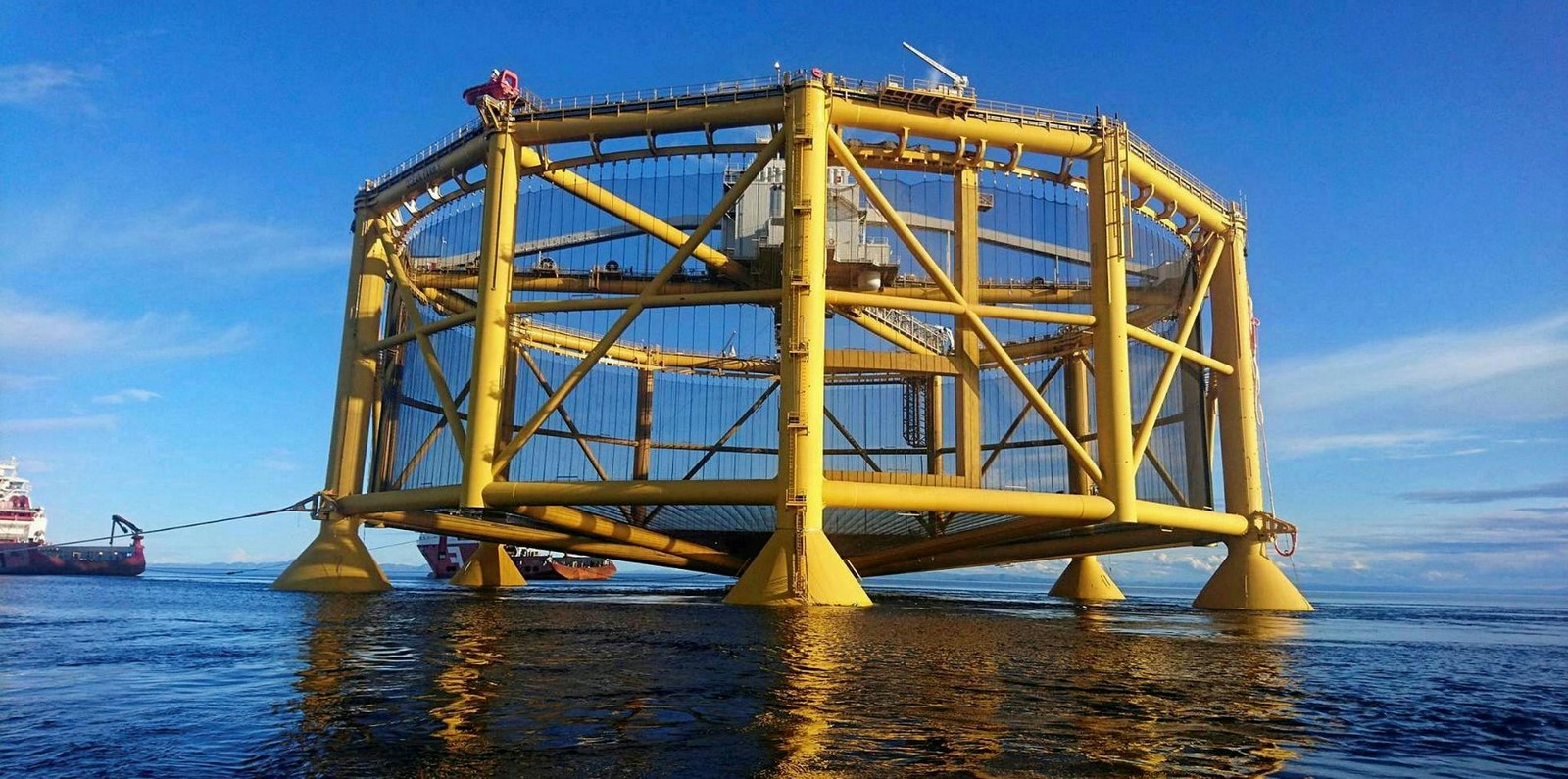
Economic Viability of Floating Cities - Sheet4
OceanFarm_©IntraFish
  1.     Export Potential: Floating cities can use their excess seafood production to boost their trade balances and increase their revenue sources. Their economic resiliency is increased by this export potential. Floating fish farms have been investigated by Singapore, a city-state renowned for its ingenuity and forward-thinking urban development. Singapore can increase its economy by exporting its surplus seafood production.

Maritime Trade and Industries

Due to their waterfront positions, floating cities are perfectly situated to promote maritime industry and ease trade:

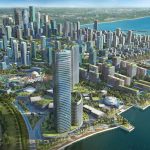
  1.     Ports and shipping: Contemporary port facilities can be built inside floating cities to serve as docking areas for yachts, cruise lines, and freight ships. The city’s ability to enable trade and tourism is greatly improved by this infrastructure, which eventually promotes economic growth. Port City Colombo in Sri Lanka is a real-world illustration of this type of development. This large-scale land reclamation project intends to develop into a significant port and financial hub, illustrating how contemporary port facilities can drive economic growth.
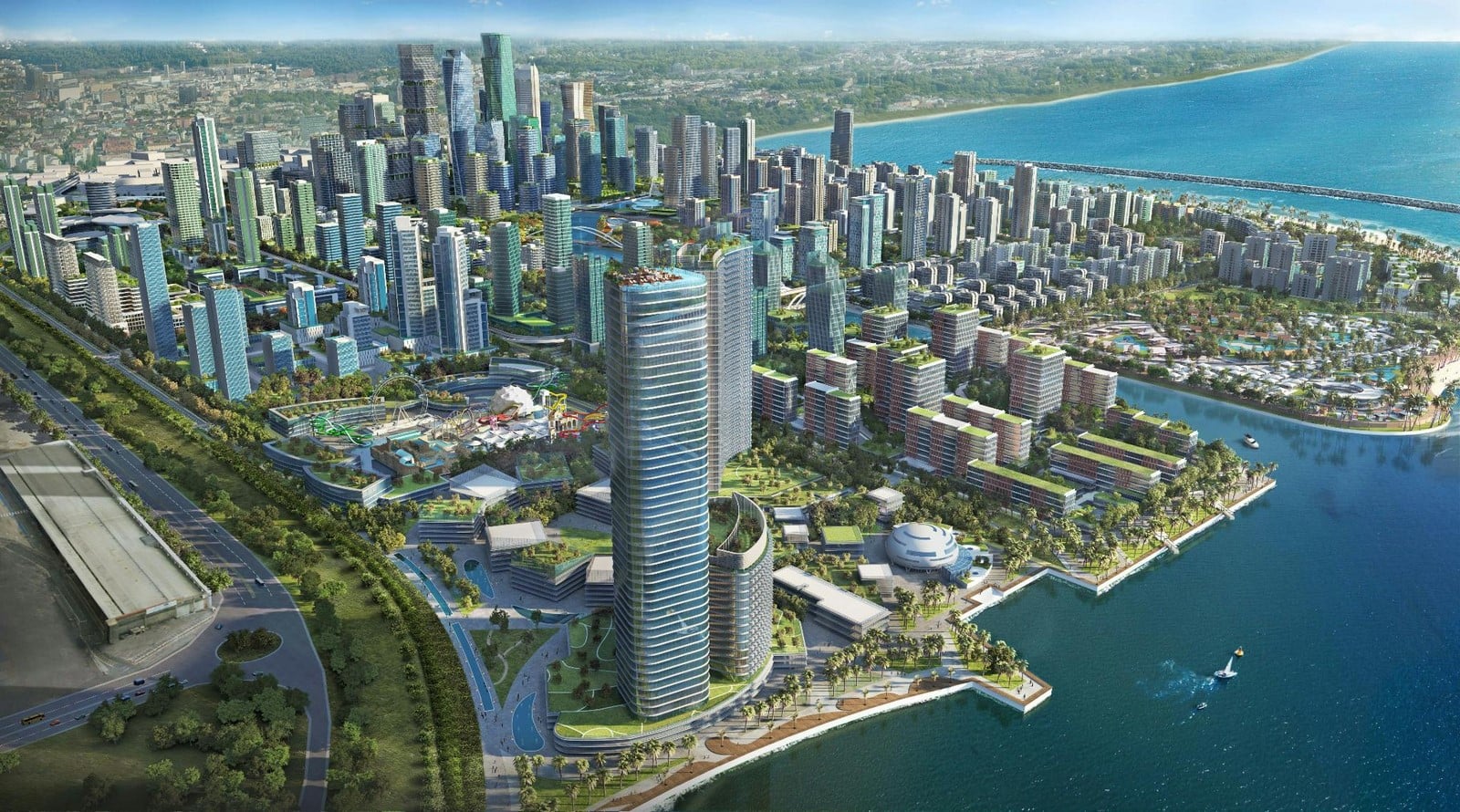
Economic Viability of Floating Cities - Sheet5
Colombo_©cajascartonbogota
  1.     Shipbuilding and Repair: The presence of water makes maritime businesses like shipbuilding, ship repair, and ship maintenance viable. These sectors boost economic activity and create jobs. A perfect example of a successful maritime industry is Keppel Offshore & Marine in Singapore. It highlights the economic potential of the nautical industry by including shipbuilding, repair, and maintenance operations.
  2.     Trade Hubs: Although they are not technically floating cities, coastal cities like Rotterdam in the Netherlands are excellent examples of trade hubs. The transportation of products and services between coastal and inland regions can be facilitated by floating cities, which can similarly establish themselves as regional trading hubs. Their function as trade middlemen has the potential to greatly increase their economic significance.

Models of the Economy for Financial Stability

Effective economic models must be adopted by floating cities to guarantee financial stability and economic viability:

  1.     Public-Private Partnerships (PPPs): PPPs offer an appealing finance and development strategy for floating cities. By this paradigm, public and private organizations work together to share risks and resources. This cooperative strategy can assist in raising the money required for floating municipal projects while ensuring some level of financial security. One such proposal that has the assistance of the Seasteading Institute and the architectural company Bjarke Ingels Group (BIG) is Oceanix City. It serves as an example of how PPPs can be used to create floating cities.
  2.     Special Economic Zones (SEZs): To entice international investment and firms, Special Economic Zones are designated areas that provide tax benefits and simplified regulations. Floating cities can use their SEZ status to promote stability and economic progress. Although not a floating city, Shenzhen in China is a compelling illustration of how SEZs have been successful. Foreign investment was attracted, which hastened economic growth and urbanization.
  3.     Innovation Hubs: By positioning themselves as such, floating cities might draw entrepreneurs and tech firms. They may diversify their economies and provide employment possibilities while fostering financial stability by encouraging entrepreneurship and innovation. The Seasteading Institute’s collaboration with French Polynesia highlights the potential for floating cities to function as innovation centers. These centers can promote economic diversity and serve as exhibitions.
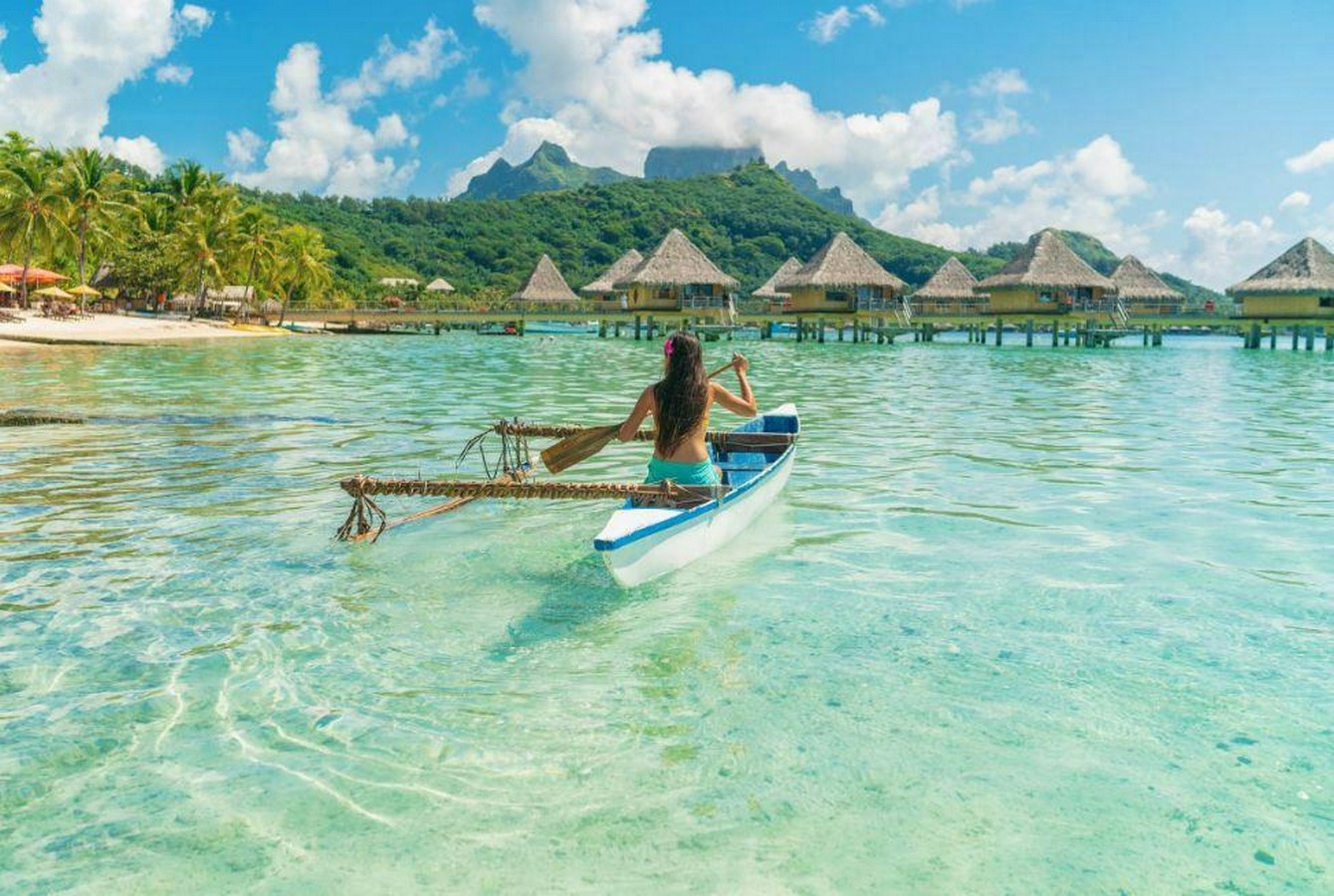
FrenchPolynesia_©Viator

Financial stability depends on the management and reinvestment of tourism earnings. The infrastructure, social services, and catastrophe readiness of the city can all benefit from tourism-related revenues, assuring its financial stability. Venice, Italy, offers a case study of how carefully managed tourism earnings may be used to preserve the city’s infrastructure and services, despite its problems with overtourism.

Production of Employment and Financial Stability

To encourage economic viability and financial stability, floating cities must prioritize job creation:

  1.     Education and Training: To prepare locals for professions in important areas including tourism, aquaculture, maritime industries, and technology, investments in educational and vocational training programs are crucial. A trained workforce improves a city’s corporate attraction potential and guarantees long-term monetary stability.
  2.     Innovation and entrepreneurship: Promoting these two factors can help with economic diversification. Floating cities can generate employment opportunities and advance financial stability by promoting a climate that is favorable for startups and tech firms. Innovation hubs offer venues for entrepreneurial activities, such as those the Seasteading Institute has suggested.
  3.     Economic Resilience: Floating cities need to prepare backup plans and keep cash reserves to preserve financial stability. They can withstand sudden difficulties or economic downturns thanks to their resources. For floating cities to be sustainable in the long run, financial resiliency is essential.

Visionary solutions to the problems of urbanization and sea level rise include floating cities. Their capacity to capitalize on businesses like tourism, aquaculture, maritime commerce, and job creation is crucial to their economic sustainability and financial stability. Floating cities can develop self-sustaining economies that prosper despite environmental difficulties by fusing these sectors with successful economic models. Establishing successful and resilient communities along the water’s edge requires strategic planning, investments in education and innovation, and the development of various economic landscapes. Floating cities are positioned to establish new benchmarks for sustainable urban development and economic progress as practical examples and creative ideas continue to be developed.
Economic Viability of Floating Cities - Sheet1
OceanixCity_©FreeThink
Economic Viability of Floating Cities - Sheet2
FloatingVenice_©Propsearch
Economic Viability of Floating Cities - Sheet3
NemoGarden_©WCSAWORLD
Economic Viability of Floating Cities - Sheet4
OceanFarm_©IntraFish
Economic Viability of Floating Cities - Sheet5
Colombo_©cajascartonbogota
FrenchPolynesia_©Viator
architecture studentscollaborationCooperationDesign EducationIntellectual EngagementProblem solvingstudio culturetime management
Author Sanjana Sarkar

An undergraduate student of architecture, Sanjana has always been fascinated by the artistic and the technological aspect of space and how it constructs our world. She is driven by the stories associated with it, its historical, literary, cultural and visual significance. Writing is how she satiates her love for it.

Prev Post

Architectural Typography and Poetry

5 Mins Read
Next Post

What makes cities livable’ and the lost knowledge we can learn from the history of old cities

6 Mins Read

Related Posts

Why Storytelling Is the Secret Weapon for Modern Design Consultants

June 5, 2026

The Paradox of Planned Heritage Cities: Can Culture Be Designed?

June 5, 2026

Work-from-Anywhere Architecture: Homes Built Around Screens and Calls

May 4, 2026

Multi-Generational Living 2.0: Designing for Care, Conflict, and Privacy

May 4, 2026

Beyond Informality: Rethinking the Creative Economy as Urban Infrastructure

May 2, 2026

Processional Urbanism: The Architecture of Movement and Ritual Memory

May 2, 2026
  • Join Now
  • How to Design Architecture Portfolio
  • The Ultimate Thesis Guide
  • Complete Architecture Package for Design Studios
  • Complete Architecture Package for Students
  • How to Get Your Projects Published | Online Course
  • How To Build A Brand For A Design Studio | Online Course
  • Introduction to Architectural Journalism | Online Course
  • Design Thinking in Architecture | Online Course
  • Introduction to Landscape Architecture | Online Course
  • Introduction to Urban Design | Online Course
  • How to Use Biomimicry in Architecture | Online Course
  • Introduction to Product Design | Online Course
  • How to Design Streets | Online Course
  • Introduction to Passive Design Strategies | Online Course
  • Introduction to Skyscraper Design | Online Course
  • How to Design Affordable Housing | Online Course
  • Complete Guide to Dissertation Writing | Online Course
  • The Ultimate Masters Guide For Architects | Online Course
  • The Perfect Guide to Architecting your Career | Online Course
  • Complete Architecture Package for Design Studios v 3.0
  • Complete Architecture Package for Students v 3.0
  • Test
  • About RTF

    Contact RTF

    RTF Content Policy

    RTF Privacy Policy

    RTF Terms & Condition

  • Facebook
  • Twitter
  • Instagram
  • Pinterest
  • Dribbble
RTF | Rethinking The Future

©2025 Rethinking Internet Media Pvt Ltd All registered. Sitemap

Top
  • Articles by RTF
    • Architecture+
      • Architectural Community
      • Architectural Facts
      • RTF Architectural Reviews
      • Architectural styles
      • City and Architecture
      • Fun & Architecture
      • History of Architecture
    • Design+
      • Design Studio Portfolios
      • Designing for typologies
      • RTF Design Inspiration
    • Art
    • Architecture News
    • Career Advice
    • Case Studies
    • Construction & Materials
    • Covid and Architecture
    • Interior Design
    • Know Your Architects
    • Landscape Architecture
    • Materials & Construction
    • Narratives
    • Product Design
    • RTF Fresh Perspectives
    • Sustainable Architecture
    • Top Architects
    • Technology & Architecture
    • Travel and Architecture
    • Technologies
    • Architectural Insights
  • Awards
    • Rethinking The Future Awards 2022
    • Previous Awards
      • 2021
        • RTF Awards 2021 | Results
        • GADA 2021 | Results
      • 2020
        • RTF Awards 2020 | Results
        • ACD Awards 2020 | Results
      • 2019
        • GADA 2019 | Results
      • 2018
        • ACD Awards 2018 | Results
        • GADA 2018 | Results
      • 2017
        • RTF Awards 2017 | Results
        • RTF Sustainability Awards 2017 | Results
      • 2016
        • RTF Sustainability Awards 2016 | Results
      • 2015
        • RTF Sustainability Awards 2015 | Results
      • 2014
        • RTF Awards 2014 | Results
    • Competitions
      • RTF Architectural Visualization Competition 2020 – Results
      • Architectural Photography Competition 2020 – Results
      • Designer’s Days of Quarantine Contest – Results
      • Urban Sketching Competition May 2020 – Results
      • RTF Essay Writing Competition April 2020 – Results
      • Architectural Photography Competition 2019 – Finalists
  • Courses
    • The Ultimate Thesis Guide
    • Introduction to Landscape Architecture
    • Perfect Guide to Architecting Your Career
    • How to Design Architecture Portfolio
    • How to Design Streets
    • Introduction to Urban Design
    • Introduction to Product Design
    • Complete Guide to Dissertation Writing
    • Introduction to Skyscraper Design
  • Projects
    • Architecture
      • Cultural
      • Commercial
      • Educational
      • Healthcare
      • Hospitality
      • Housing
      • Institutional
      • Mixed Use
      • Office Buildings
      • Public Building
      • Recreation
      • Residential
      • Sports & Recreation
      • Temporary Structure
    • Interior Design
      • Commercial Interior Design
      • Corporate Interior Design
      • Healthcare Interior Design
      • Hospitality Interior Design
      • Residential Interior Design
    • Landscape
    • Product Design
    • Skyscraper
    • Sustainability
    • Transportation
    • Urban Design
  • More
    • Work with RTF
      • Host your Course with RTF
      • Architectural Writing Training Programme | WFH
      • Internships at RTF
        • Editorial Internship | In-office
        • Graphic Design Internship
        • Research Internship | WFH
        • Research Internship | New Delhi
      • Careers
    • RTF | About RTF
    • Submit Your Story
    • Contact
    • Advertise
We use cookies to ensure that we give you the best experience on our website. If you continue to use this site we will assume that you are happy with it.