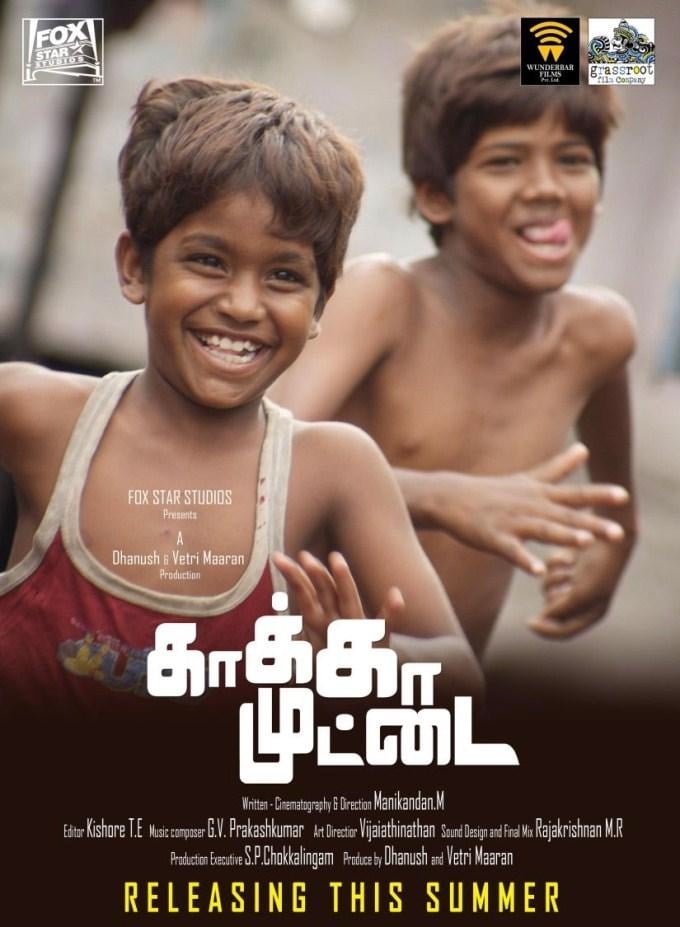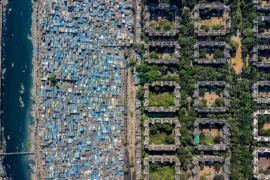
The movie Kaaka Muttai came out in 2015. Manikandan directed Kaaka Muttai, and Aishwarya Rajesh starred in Kaaka Muttai. The film features new faces J. Vignesh and V. Ramesh. It is a comedy-drama that realistically showcases the story of people living in slums in North Chennai. It follows two young brothers, Periya Kaaka Muttai and Chinna Kaaka Muttai. Both have stopped studying and now do daily wage work. Their lives revolve around this daily wage work. The mother plays a major role, struggling to support the family while seeking help for her husband’s release from prison.
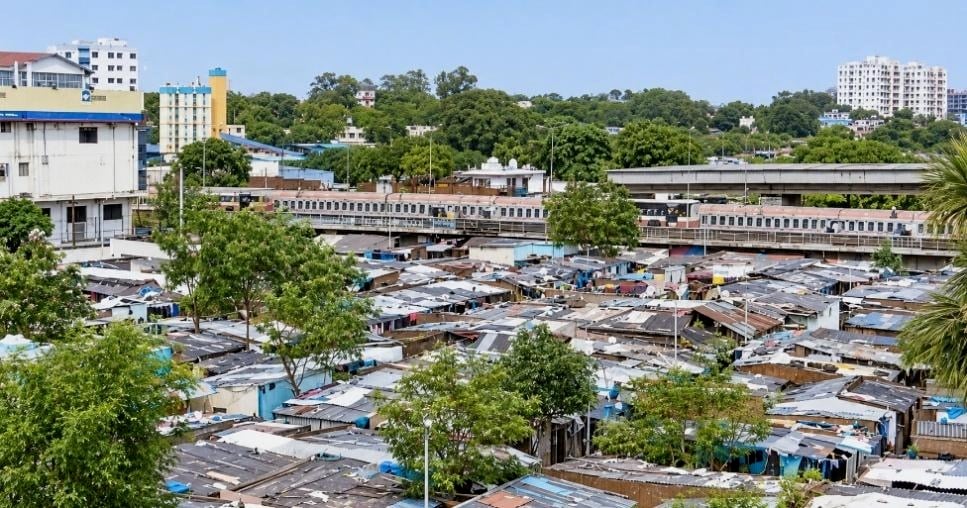
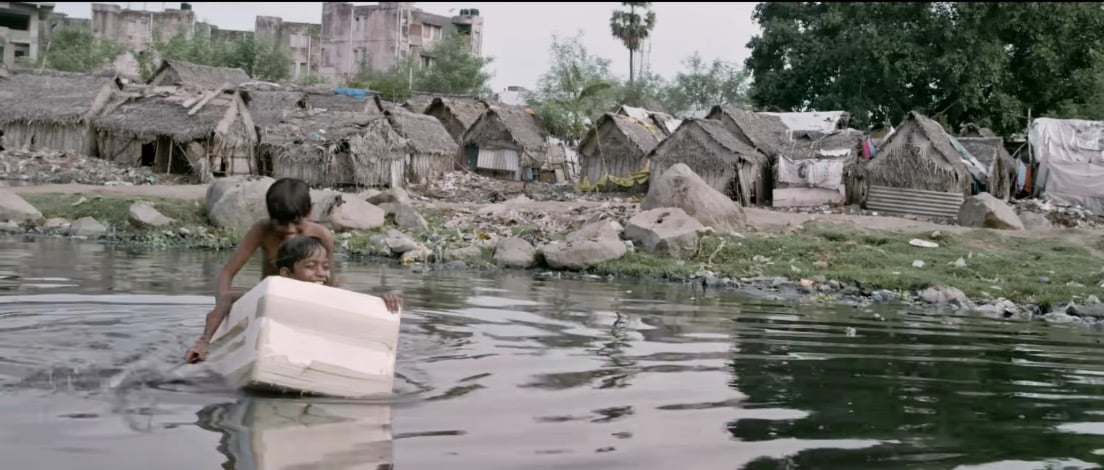
The story unfolds in the slum settlements of North Chennai. The improper housing layouts, the houses built on shared walls with asbestos sheets on the roof, and the slum settlements expand over time depending on the rate of migration. The house spatial layout is not planned, with common space that altogether serves the purpose of a kitchen, bedroom and hall. Despite the cramped living conditions and limited space, the house accommodates two televisions obtained through a government scheme, an interesting contrast to the family’s otherwise modest living environment. The house barely has space for the people who live in it. This is the situation of the people who live in a slum. The residents do not have designated spaces for every activity; instead, their daily activities and livelihoods happen within the limited spaces available to them. The film portrays how people adapt their spaces to accommodate their everyday needs and lifestyles. The two brothers, nicknamed Kaaka Muttai after their habit of consuming crow eggs, earn their livelihood by collecting coal along railway tracks after discontinuing their education.
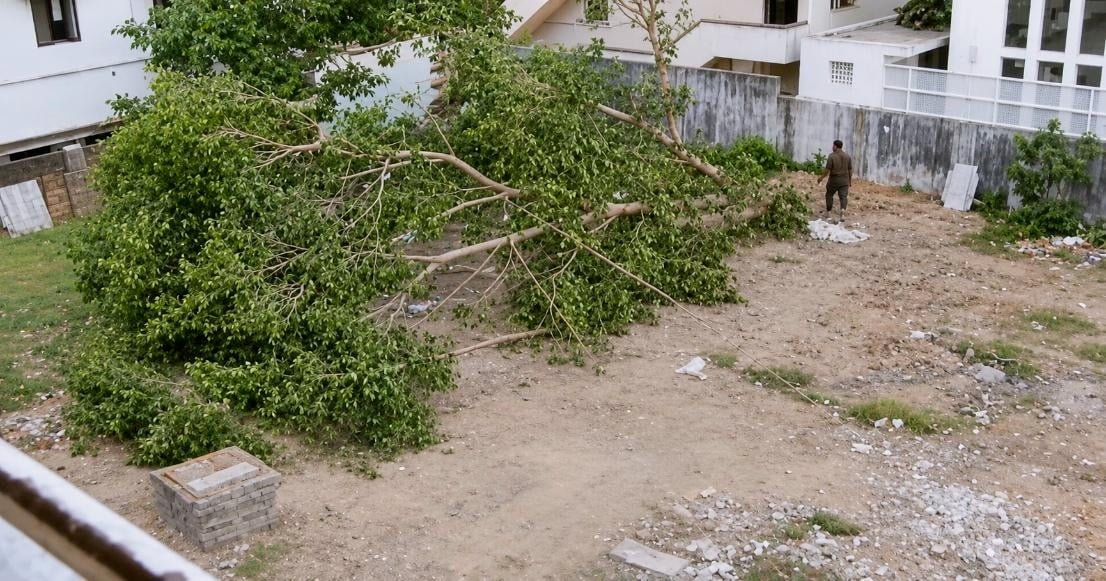
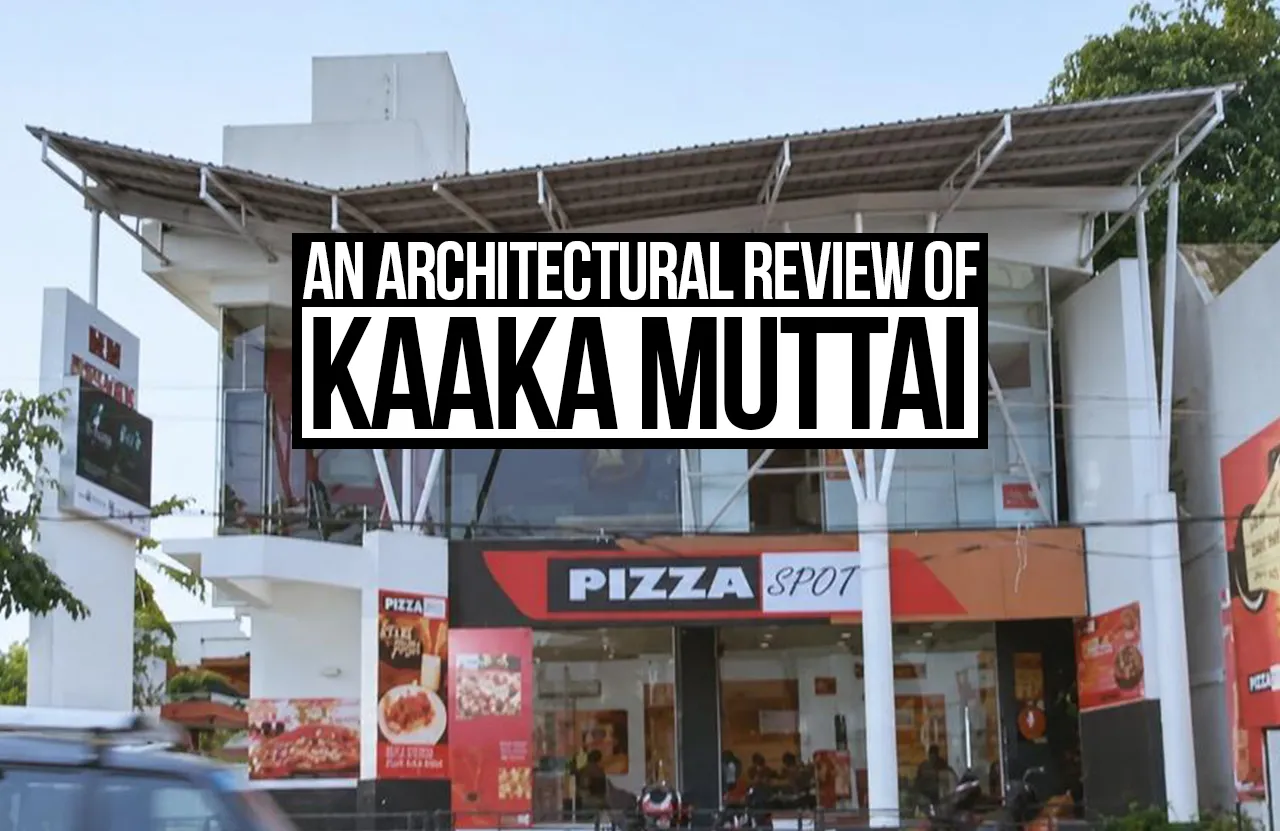
The playground that once served as a recreational space for the children is transformed into a modern, two-storey commercial building housing a pizza outlet. Although the new development attracts people and introduces a different commercial activity to the neighbourhood, it also takes away a familiar gathering space from the children. The building’s modern appearance and the unfamiliar dish, pizza, fascinate them, as it represents something entirely new to their experience. Their curiosity to taste it grows, and they decide to earn enough through their daily work to afford a pizza, which costs almost as much as a month’s worth of their earnings.
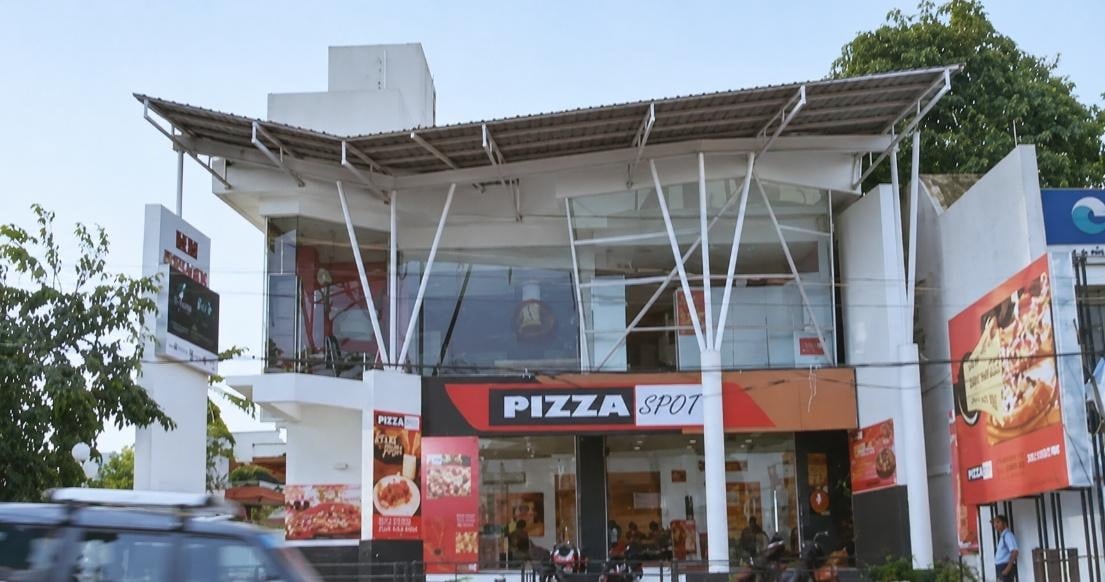
When the children finally visit the outlet, they are denied entry despite having enough money to purchase a pizza, primarily because of their appearance and the neighbourhood they come from. Their innocence and inability to understand the reason behind this treatment are conveyed through the dialogue. This incident reveals how a commercially accessible environment can still create social barriers, where access is influenced not by one’s ability to pay but by social perceptions and prejudice.
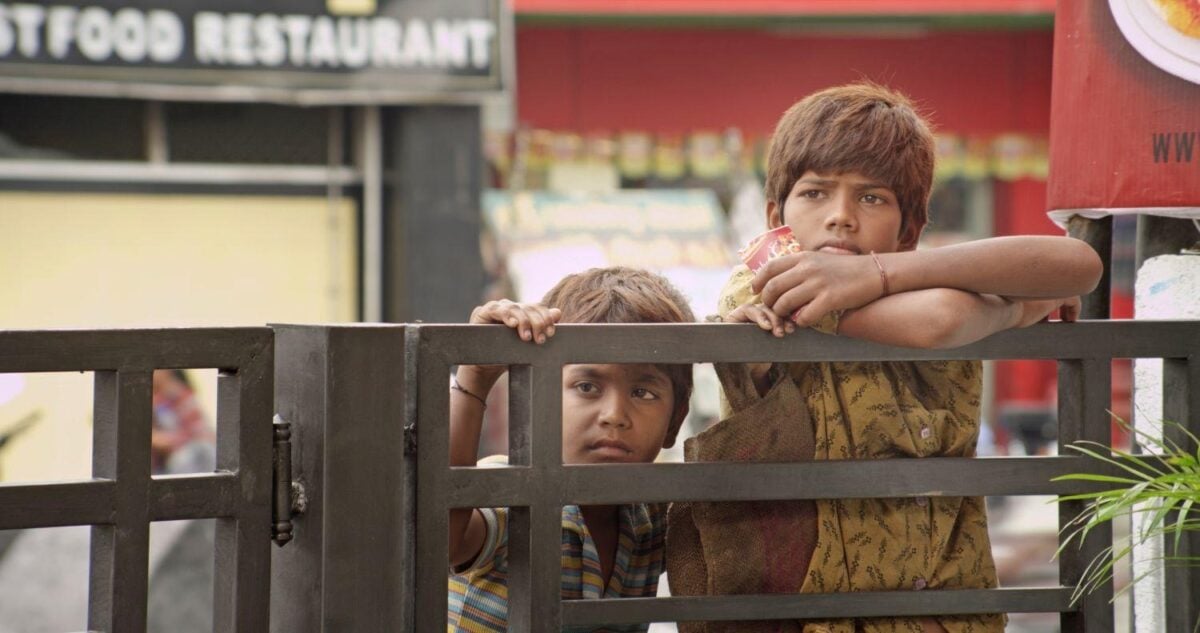
A similar situation is portrayed when the children attempt to visit a shopping mall for the first time. Unlike the pizza outlet, where they are directly restricted, the children hesitate to enter the mall themselves, influenced by their previous experience. This demonstrates how an unwelcoming encounter can shape people’s perception of other spaces and affect their willingness to enter them. However, such perceptions are not permanent; a welcoming experience could equally change their relationship with these environments. Through these two situations, the film highlights how the sense of belonging within a space is shaped not only by its physical accessibility but also by the way people are treated within it.
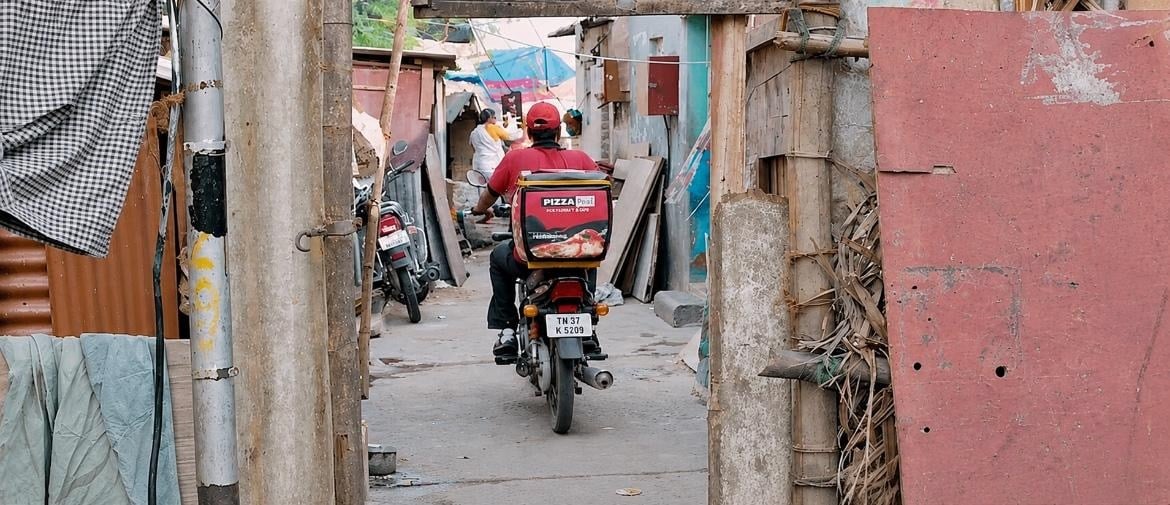
The film explores the lives of people living on the urban fringes and how they are affected by urban transformation. The children experience discrimination and disrespect simply because of the neighbourhood they come from. However, the narrative does not revolve solely around their struggles; it also captures the little joys that make their lives meaningful, making friends at their workplace, enjoying the rain despite leaking roofs, and turning the river drains into their playground. The overall story is a blend of comedy and a realistic portrayal of everyday life. Dialogues play a significant role alongside the screenplay, conveying emotions with remarkable simplicity and authenticity. Unfortunately, the subtitles do not always do justice to the depth and impact of these dialogues.
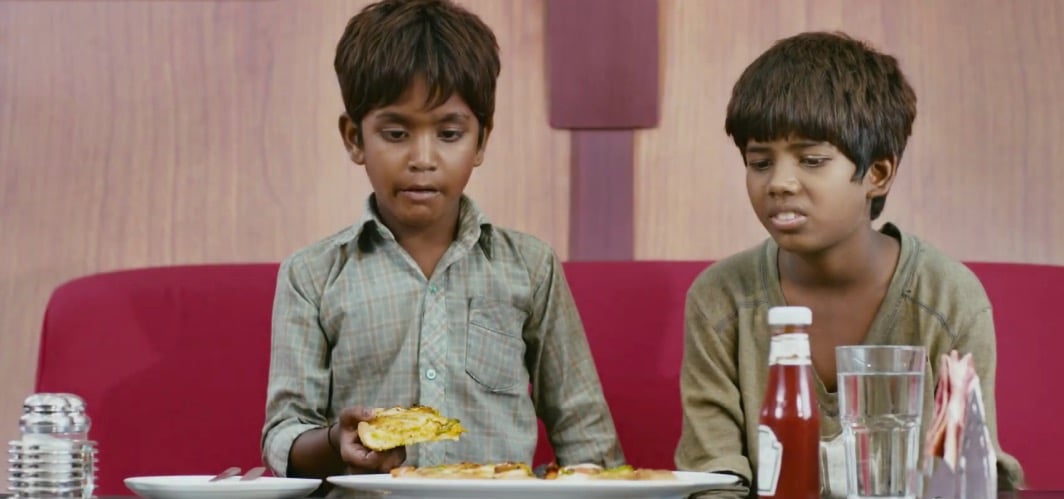
As the story approaches its climax, the children’s long-standing fascination with the pizza takes an unexpected turn, revealing a contrast between its visual appeal and the experience they had imagined. The film also brings attention to how the company responds to its earlier treatment of the children, raising questions about whether individual acts of compensation can address deeper social inequalities. Although the children eventually receive a different kind of welcome, the film subtly reminds us that social exclusion extends beyond individual establishments and that a single gesture does not necessarily erase the barriers that exist within society.
The movie offers the audience a glimpse into their everyday realities while raising questions about social inequality, urban development and the sense of belonging in a city. Despite being the debut film of its director and featuring relatively unfamiliar faces, Kaaka Muttai received two National Film Awards, along with several Tamil Nadu State Film Awards and recognition at various other film award ceremonies. The movie is a must-watch for anyone who enjoys stories rooted in everyday realities. It offers a refreshing perspective on the city, its people and the spaces they inhabit.