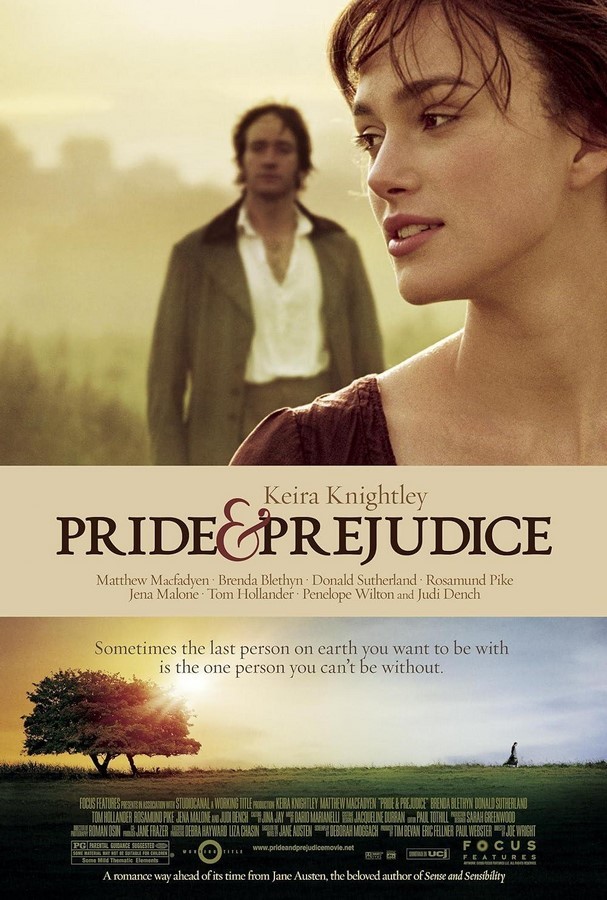
The 2005 film adaptation of “Pride and Prejudice” by Joe Wright brings Jane Austen‘s classic novel to life. The movie beautifully explores themes of societal expectations, class distinctions, and the transformative power of love amidst the lush landscapes and grand estates of 19th-century England. The film’s architectural choices contribute to the narrative’s commentary on class and gender roles in the 19th Century.
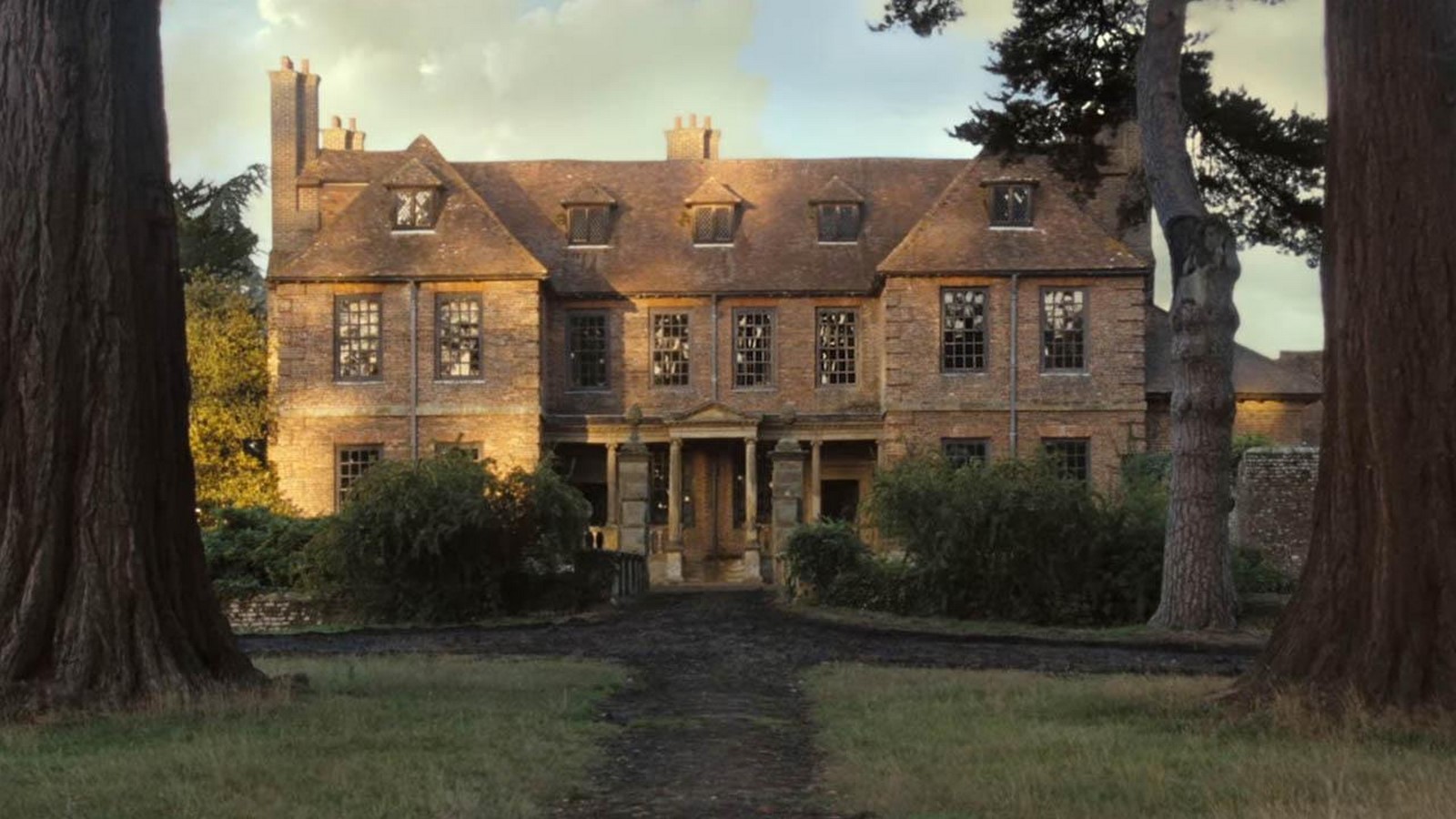
Longbourn
The Bennet family home, Longbourn, is portrayed as modest and somewhat dilapidated. The architecture of Longbourn reflects the financial struggles of the Bennet family. The interior is cluttered and worn, emphasising the financial struggles of the Bennet family. The architecture, in this case, serves to highlight the economic disparities in the society of the time. The furniture and decor appear outdated and reflect the challenges the family faces in maintaining their home. Longbourn is situated in the picturesque English countryside, surrounded by fields and greenery. The rural setting contributes to the overall atmosphere of the film and underscores the contrast between the country and more urban or affluent locations. This setting becomes essential in understanding the economic challenges faced by the Bennet family, particularly in the context of the societal expectations for young women like the Bennet sisters to make advantageous marriages.
Netherfield Park
Netherfield Park is portrayed as a large and elegant estate. The architecture of Netherfield is designed to reflect the wealth and social standing of its owner, Mr Bingley. The interiors, especially the ballroom scenes, highlight the luxurious lifestyle associated with Bingley’s character. Netherfield Park becomes a central element in the plot when Mr Bingley takes up residence there. The estate becomes a focal point for social events, gatherings, and interactions among the characters. The architectural elements of Netherfield Park contribute to the portrayal of Bingley as amiable, open-hearted, and more easily influenced by others, especially when contrasted with the more reserved and proud Darcy.
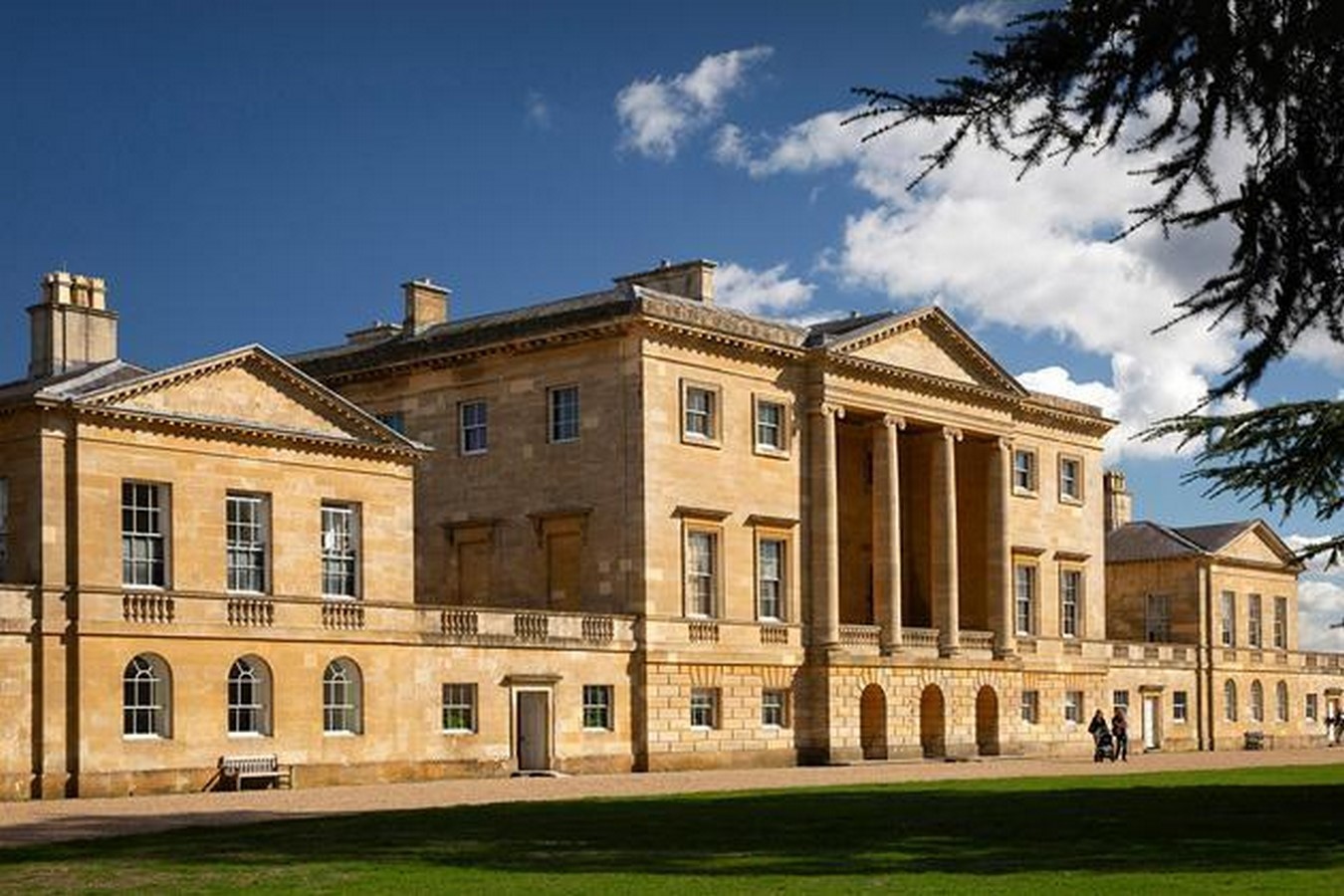
Hunsford Parsonage
The architecture of the parsonage reflects Mr Collins’s character—pretentious and self-important. The small, yet meticulously decorated, living quarters convey Collins’s desire to appear refined and respectable. The depiction of Hunsford Parsonage and Mr Collins’ attachment to it serves as a source of satire. It highlights the hypocrisy and superficiality of characters who prioritise appearances and social standing over genuine moral or ethical considerations. The humble parsonage is situated near the imposing residence of Lady Catherine, emphasising the social hierarchy within the community.
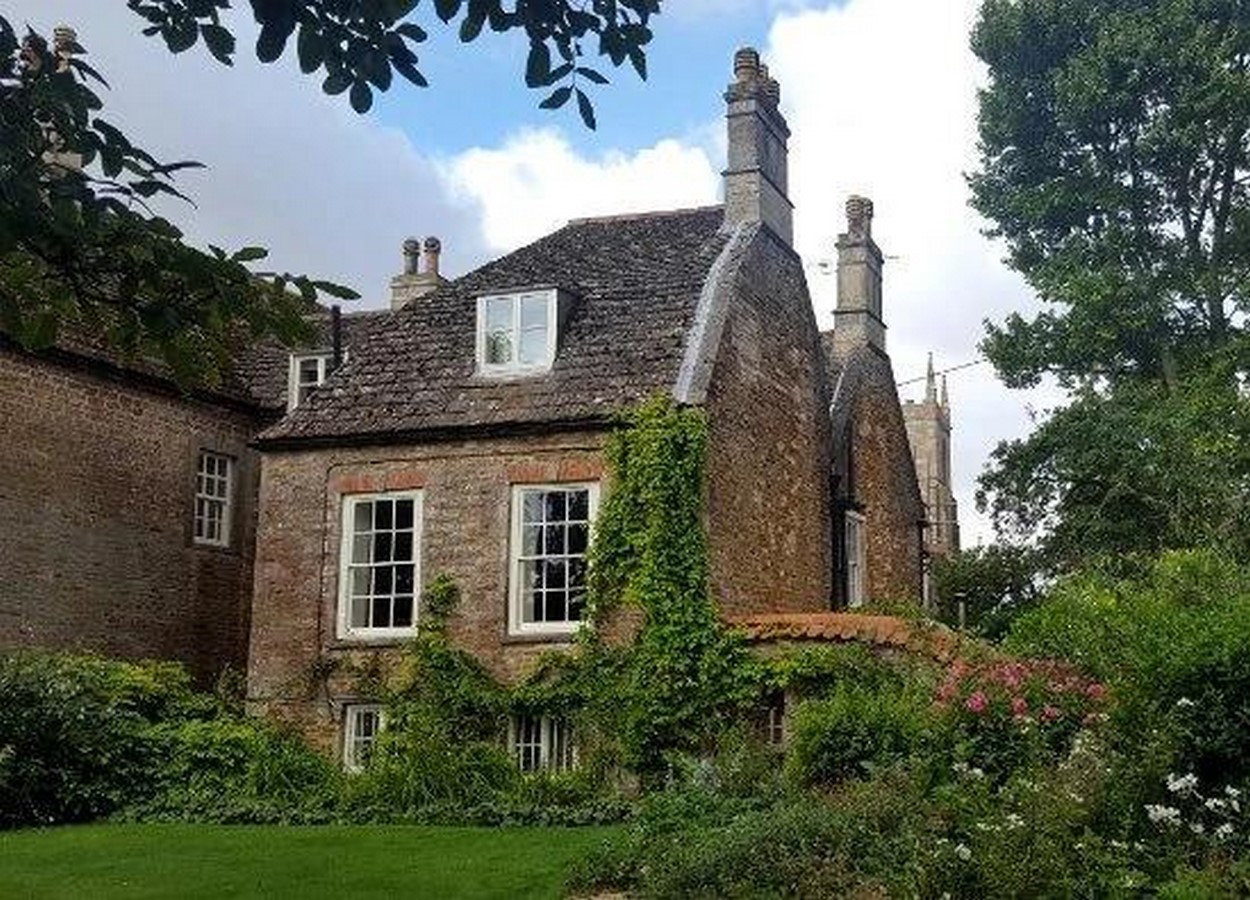
Rosings Park
Lady Catherine de Bourgh’s home, Rosings Park, is presented as opulent and imposing. The grand architecture underscores Lady Catherine’s high social status and her domineering personality. The architecture here is used to intimidate and reinforce the rigid social structure. The formality of the architecture and the meticulously maintained grounds reinforce Lady Catherine’s desire for order and control in all aspects of her life. It becomes a physical representation of the obstacles that characters like Elizabeth face when challenging societal norms.
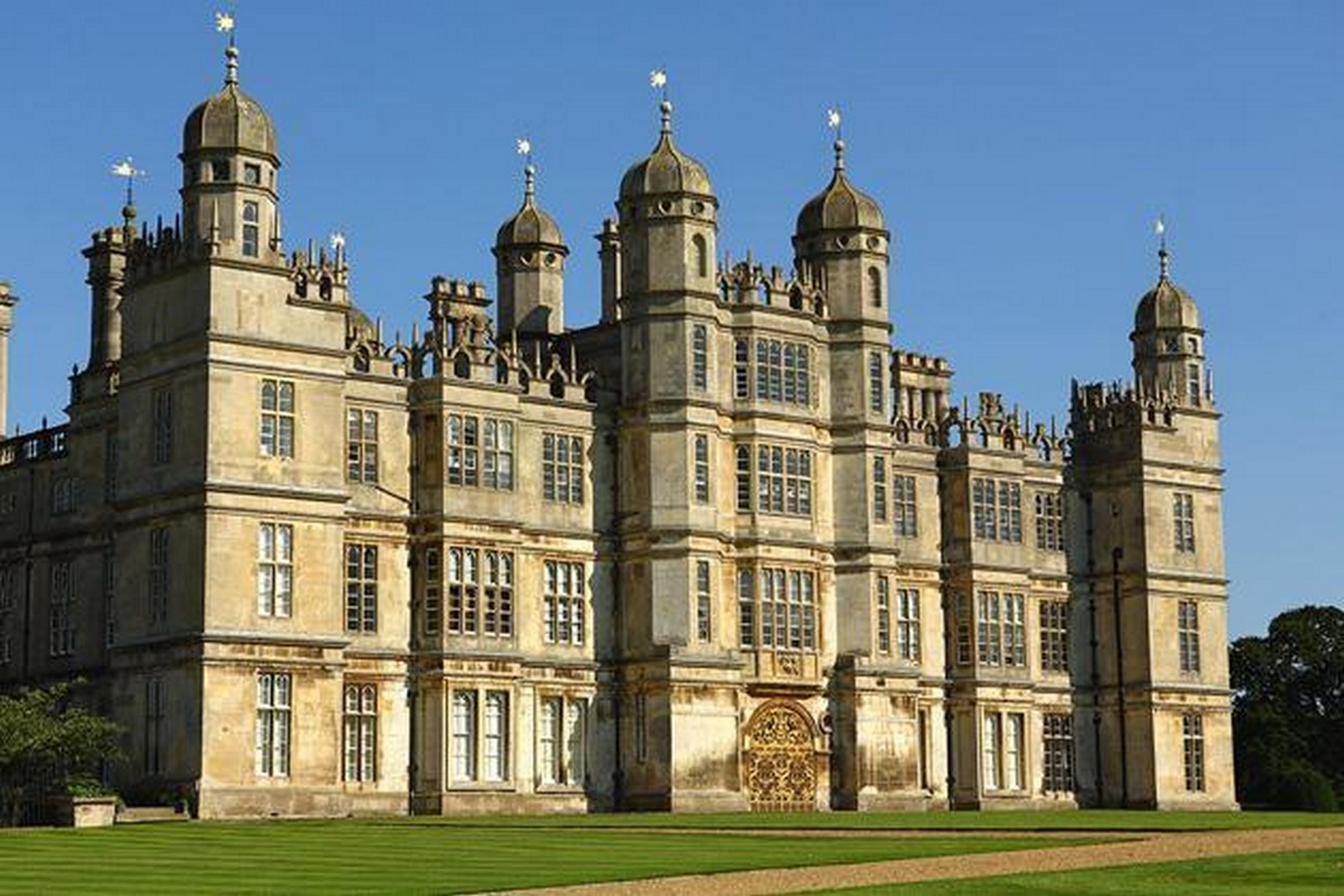
Pemberley
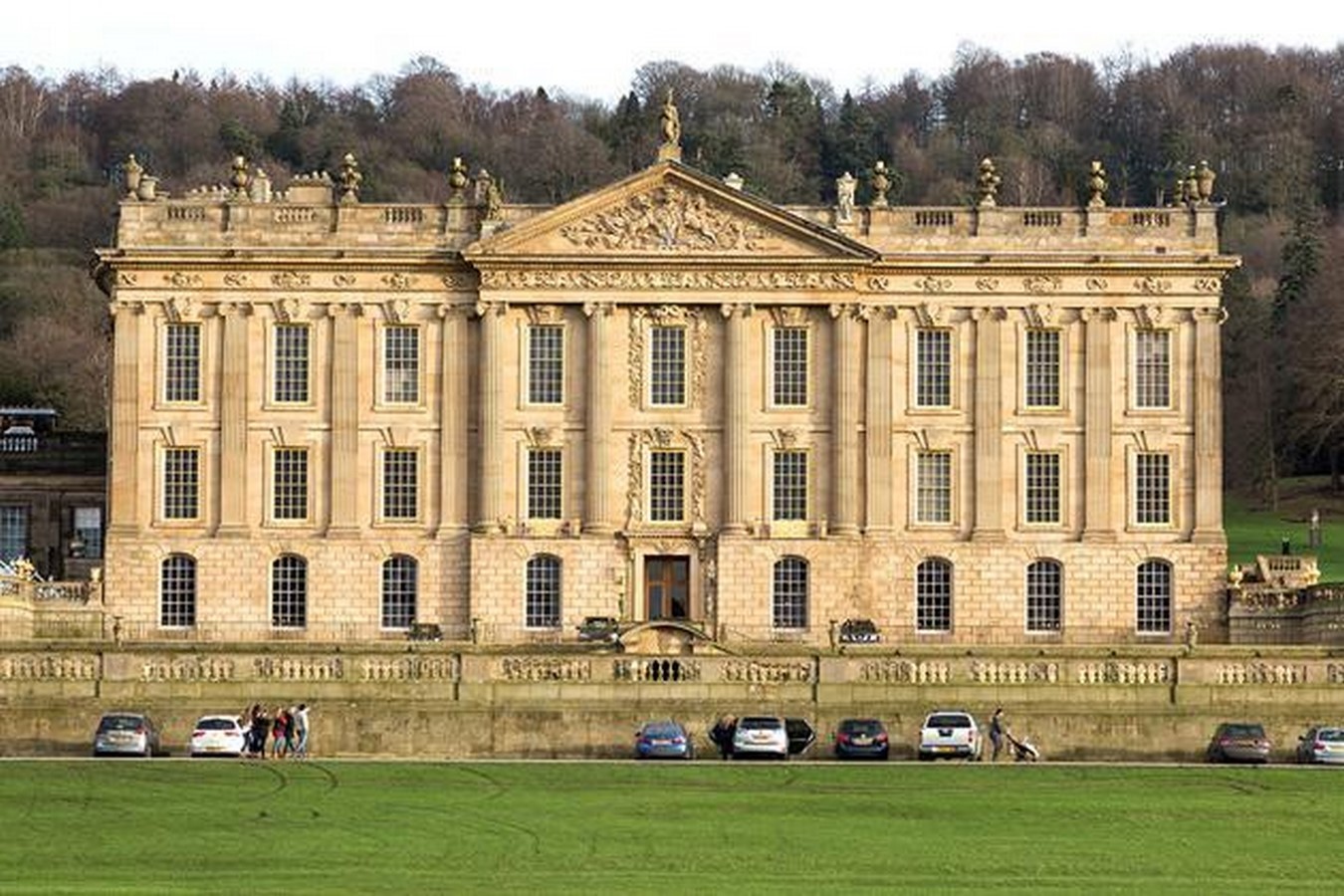
Pemberley, Mr Darcy’s estate, is perhaps the most visually stunning location in the film. The grandeur of the architecture symbolises Darcy’s immense wealth and high social standing.
The architecture of Pemberley is a direct reflection of Mr Darcy’s character. The estate, while grand, is not pretentious; it is elegant and well-maintained. This reflects Darcy’s reserved and dignified nature. The use of Pemberley’s architecture also reflects Mr Darcy’s character development. As Elizabeth tours the estate, the audience sees a softer side of Darcy, and the grand architecture becomes a backdrop to his personal transformation.
Ultimately, the architecture in Joe Wright’s Pride and Prejudice functions as far more than mere scenery; it is a crucial visual element that establishes the historical setting while actively conveying social dynamics, economic disparities, and the evolving relationships among characters. By juxtaposing the frantic, dilapidated warmth of Longbourn with the cold, rigid intimidation of Rosings Park, the film physically manifests the barriers Elizabeth Bennet must navigate. Similarly, the shift from the pretentious constraints of Hunsford Parsonage to the organic, grounded grandeur of Pemberley mirrors the narrative’s journey from prejudice to understanding. In this way, the built environment acts as a “silent character,” articulating the unspoken tensions of class and gender, and eventually providing the space where Darcy and Elizabeth’s disparate worlds can harmoniously converge.
References-
Pride & Prejudice (2005) IMDb. Available at: https://www.imdb.com/title/tt0414387/ (Accessed: 03 December 2025).