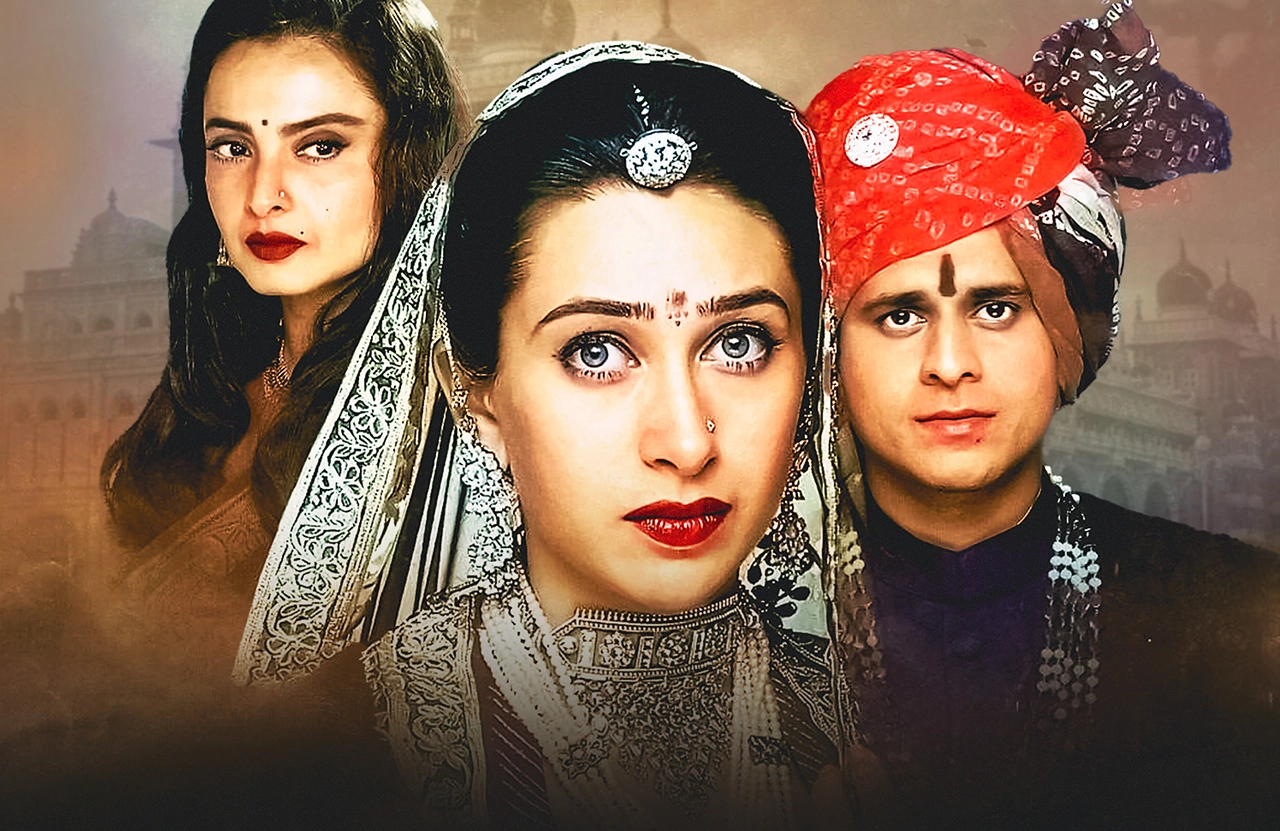
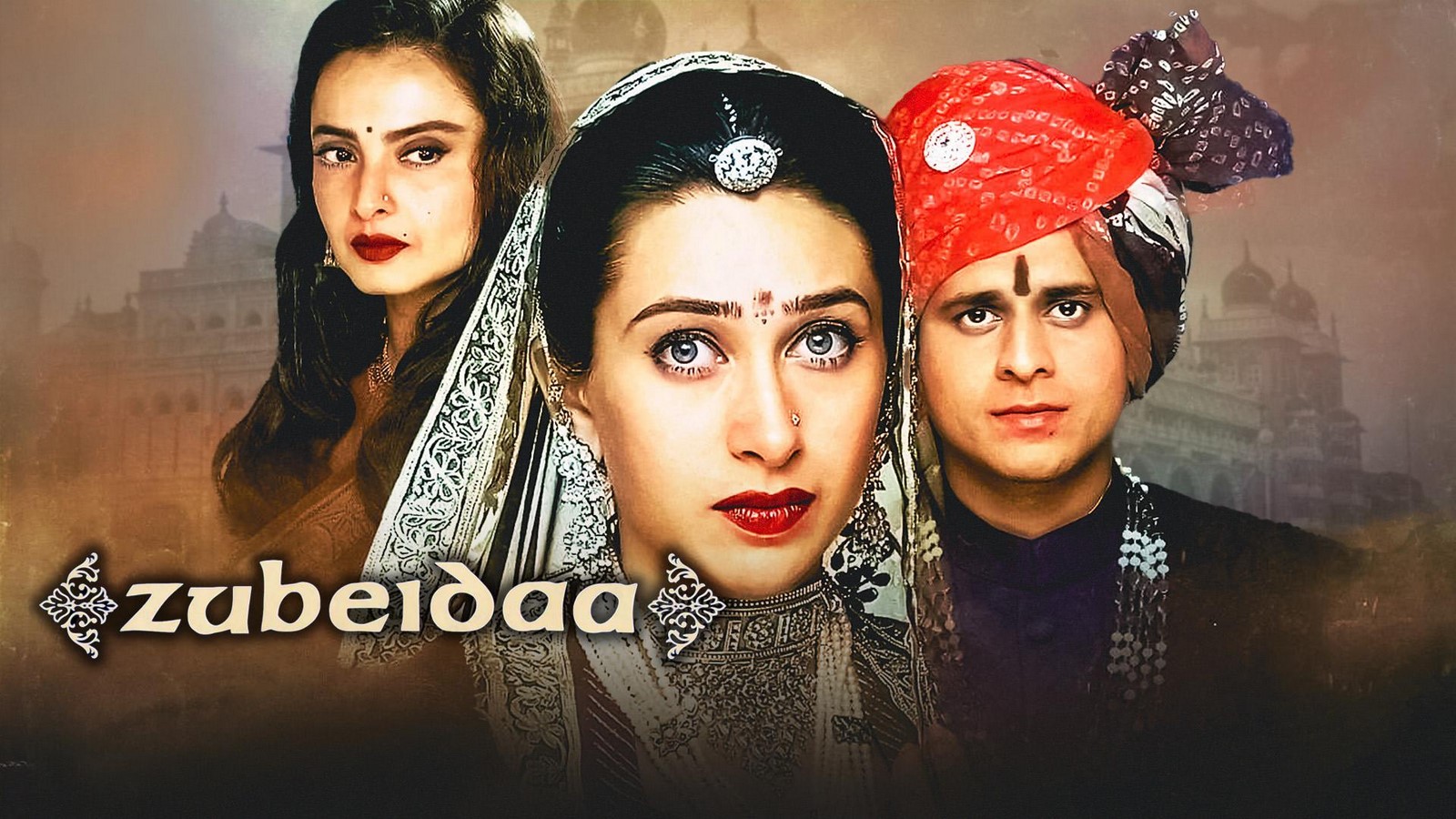
Spaces, always an extension of architecture — a space where form and emotion merge, Shyam Benegal’s Zubeidaa (2001), adapted from Khalid Mohammed’s screenplay, is not just a woman’s tale suspended between freedom and society; it is also an architectural analysis of the way architecture conveys power, control, and confinement. Zubeidaa offers a tiered insight into how architecture rules the human condition to the architects and designers — each alleyway, garden, and jharokha being her metaphysical existence’s extension.
The Story in Spaces
Without giving away the plot, Zubeidaa’s story is told in two worlds, which are juxtaposed against one another — the new city India of independent India and the intricately hennaed, tradition-dependent chambers of a royal palace. The transformations are not merely the narrative but also the architecture.
The film begins with the city’s close shots — less furniture, highly ornamented photographs, and the window light — all these signify a modern but limited middle-class sensibility of the city.
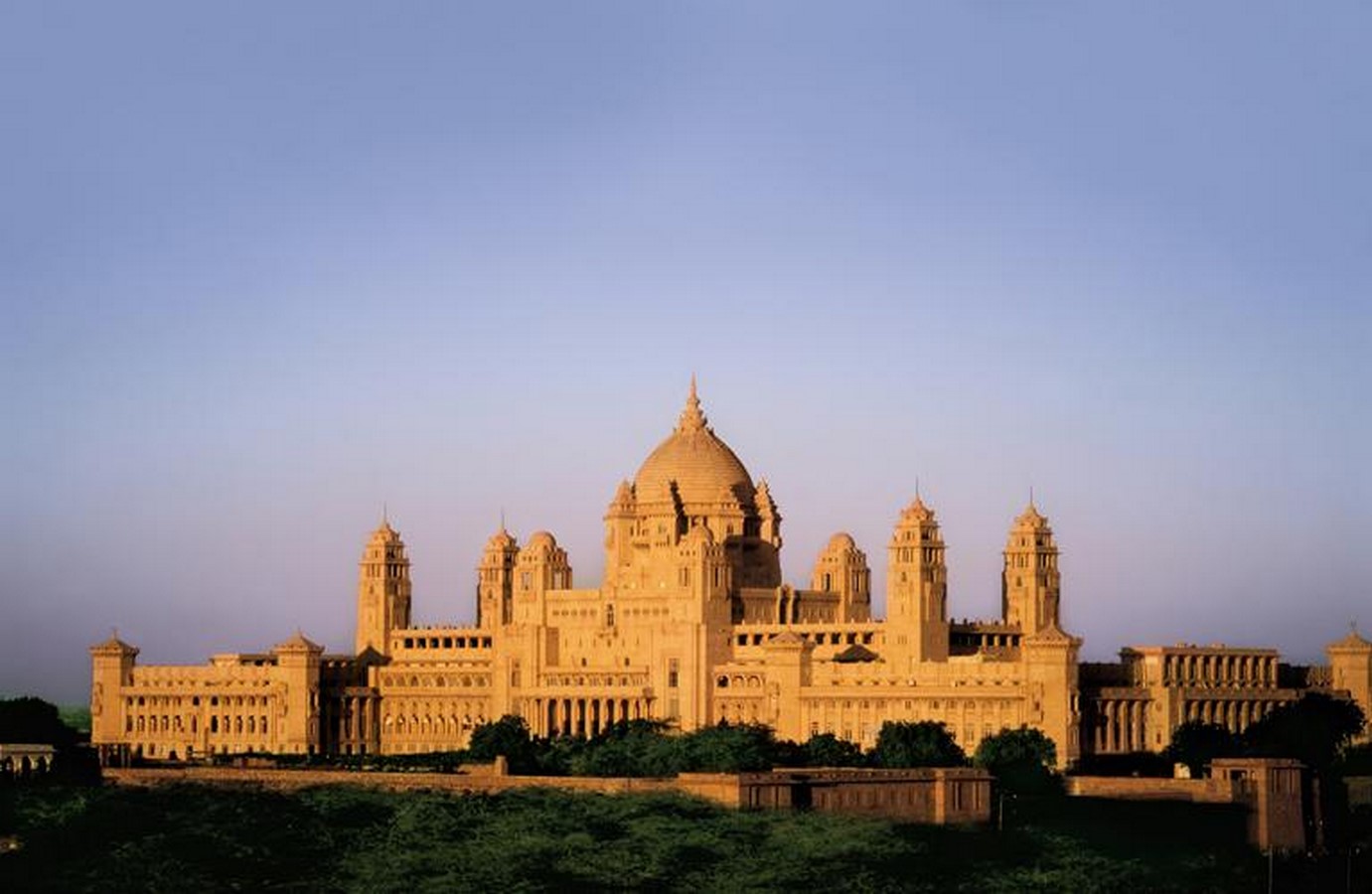
The contrast of scale is visible once the film shifts to the palace — the royal family consists of the sweeping corridors, the ornamented rooms, and the intricate stuff. All these shifts in space enable the audience to trace Zubeidaa’s emotional transformation — from the sense of freedom and fullness of dreams to that of loneliness and confinement.
Period Authenticity
The movie is a period recreation of the late 1940s–1960s done to the best of capabilities.
The colonial etiquette is supplemented by the indigenous styles that are visible in furniture, upholstery, and the decor.
The urban feel is seen in the teak wood furniture that is high gloss, the patterned tile floor, light-colored walls with woodwork, palace interiors are the fusion of the Indo-Islamic and Rajput styles — the marble inlays, the carved jalis, the domes, the mirror ceilings. For the designers, Zubeidaa is an acknowledgment that reality is in the detail. Although tiny in proportion, the details — a carved mirror, an embroidered curtain, or a brass lamp — are what make the place real. Nitish Roy’s production design does not reach the extremity of the decor but rather provides us with the spaces which are laid-back but have a cinematic feel.
Light, Color, and Textur
Light, Color, and Texture Lighting in Zubeidaa is extremely strong. Benegal’s composition uses wonderful natural light entering through the jharokhas and stained glass to produce a very poetic play of light and shadow. Palace scenes abound in rich golden colors that redeem the old days and the opulence while the city scenes are painted with cold neutral colors.
Even the texture belongs to the story — the coldness of the marble, the velvet drapes, the silk attire, and the mirrored surfaces that reflect the privilege but also the isolation. And designers can know that the material selection not only provides the visual luxury but also the emotional luxury. The tactile luxury of each space whispers about hierarchy, culture, and time..
Hierarchies and Movement
The film’s architecture is highly subtle and subdued, yet it does reflect the class and gender hierarchies presented in the movie.
The palace is described as being stratified: fussy receiving rooms that we glimpse give way to semi-public rooms and then on to the clandestine inner rooms.
The rooms become progressively smaller as one goes deeper into the palace, which is a design parallel to the constraints of the women’s freedom then.
On the cinematographic side, Benegal zeroes in on the doorway – doors, curtains, arches – as sites of transformation and conflict. To architects, it is an inescapable argument that forces them to reconsider the application of circulation in establishing relations, whether spatial or social.
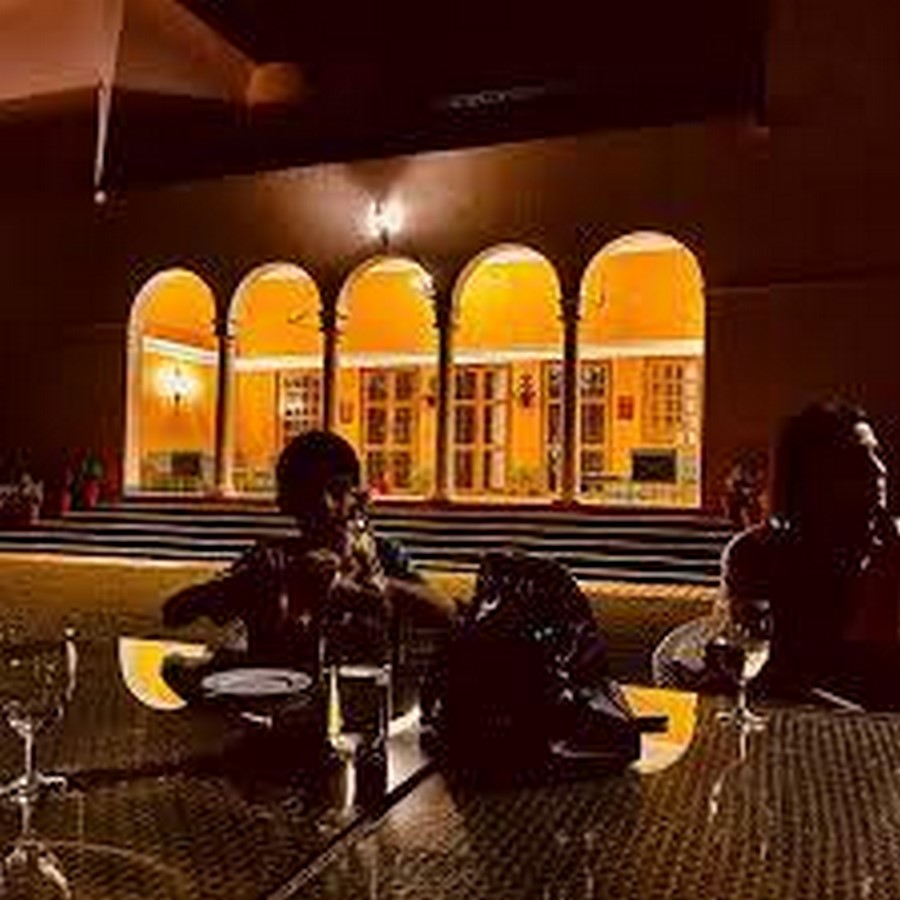
Synergy of Architecture, Costume, and Character
One of the things that struck me most about Zubeidaa was how beautifully the costumes and architecture cooperated. Zubeidaa’s transformational wardrobe – from simple chiffon sarees to the heavily ornate royal attire – perfectly mirrored the transition that was occurring not just in her but also in her milieu. The fabric of her films was dancing in the wind of the courtyards or with the glitter of the chandeliers. This collaboration enables design fields to be unified: the architecture is the setting, the costume provides the texture, and the cinematography provides the visual story. Designers have a lot of liberty from this knowledge particularly when they are performing thematic interior spaces or visual narrative topography.
Architecture as Emotion
Zubeidaa is not only a period film; it is a dialogue between two – emotion and architecture. The film makes one realize the fact that rooms are not lifeless – they breathe, store things, and at the appropriate time, they release them. The palaces of Zubeidaa, though great, are never devoid of an undertone of sadness in the grandeur.
This is part of how the film is a masterclass for designers and architects on how to translate emotion into form.
Architecture, here, is not merely the backdrop – it is the unspoken protagonist that paces ahead.
Although at times it attempts to depict the good side of things, Zubeidaa still, succeeds in proving that design is unmistakably human – that any location, however refined or plain, has something to say.
To me, Zubeidaa is the most architecturally expressive Indian movie wherein the two sides converge to create a new art that will continue to live in the world of beauty and boundaries.
Citations:
https://thelittlecorner.home.blog/2019/08/24/zubeidaa-2001-the-fairy-tale-that-probably-was/
https://www.primevideo.com/detail/Zubeidaa/0NLCMOBKOWDVTDWY8HNKRG1CAI