Architecture has always been more than just a backdrop; instead, it is one of the main characters, pulling us into the story as much as any hero or villain in the realm of television shows. The spaces we see on our screens carry a psychological weight that triggers our emotional response and attachments. Architecture tends to be an anchor of the whole narrative, turning place into narrative and mood into memory.
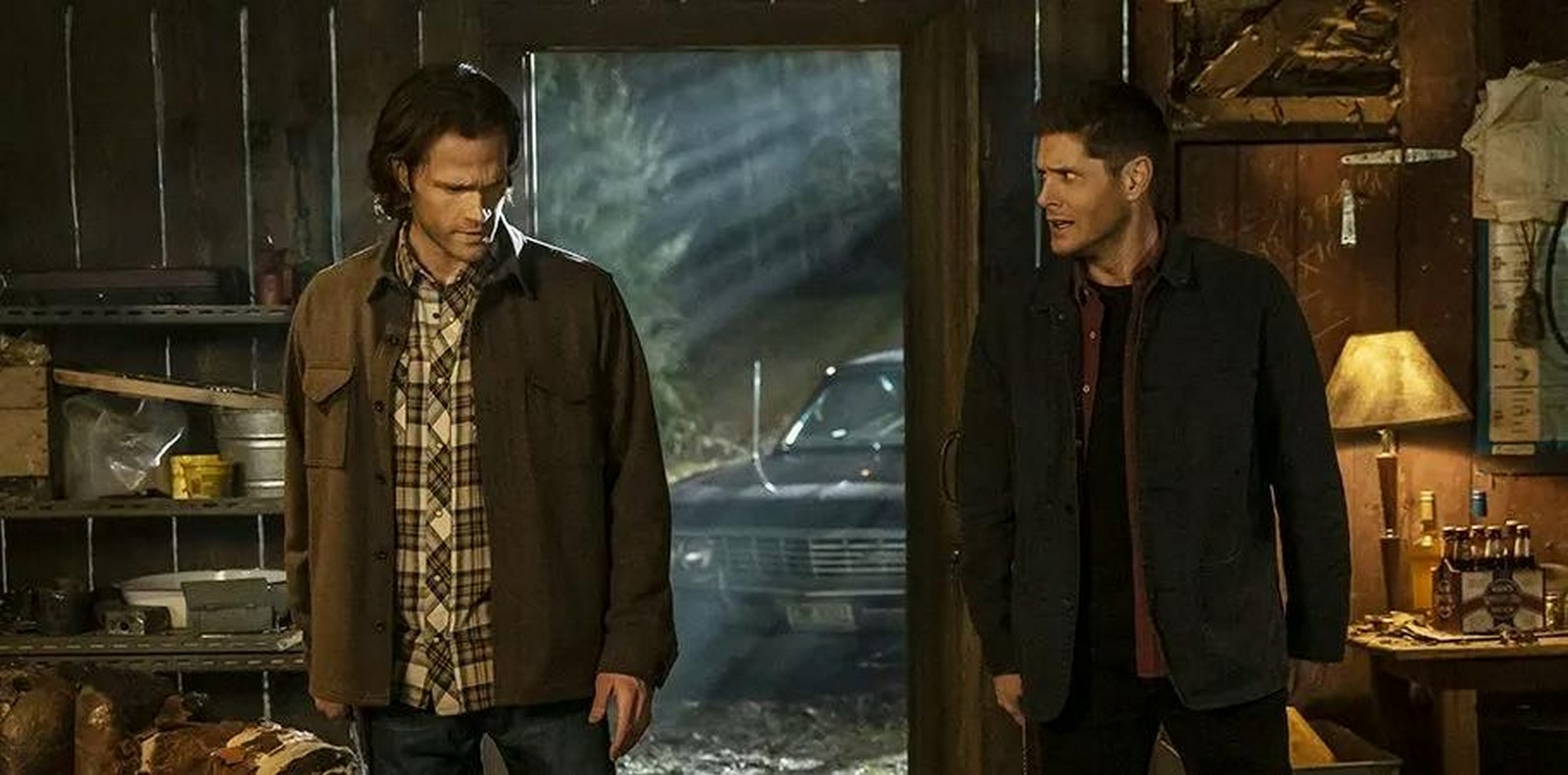
For fifteen seasons, Supernatural, an American paranormal series, captured the most eerie paranormal activities in each episode. Still, the most fascinating and chilling presence on the screen was the space itself. While the Winchester brothers mostly lived on the road, their world was mostly built on a landscape of liminal motels, gothic ruins, and sacred bunkers, each space carrying its own weight of memory, fear, or belonging. To watch Supernatural is to move through America’s architectural subconscious horror story, which is a love letter to vernacular roadside design.
Architecture of the Everyday: Motels and Diners
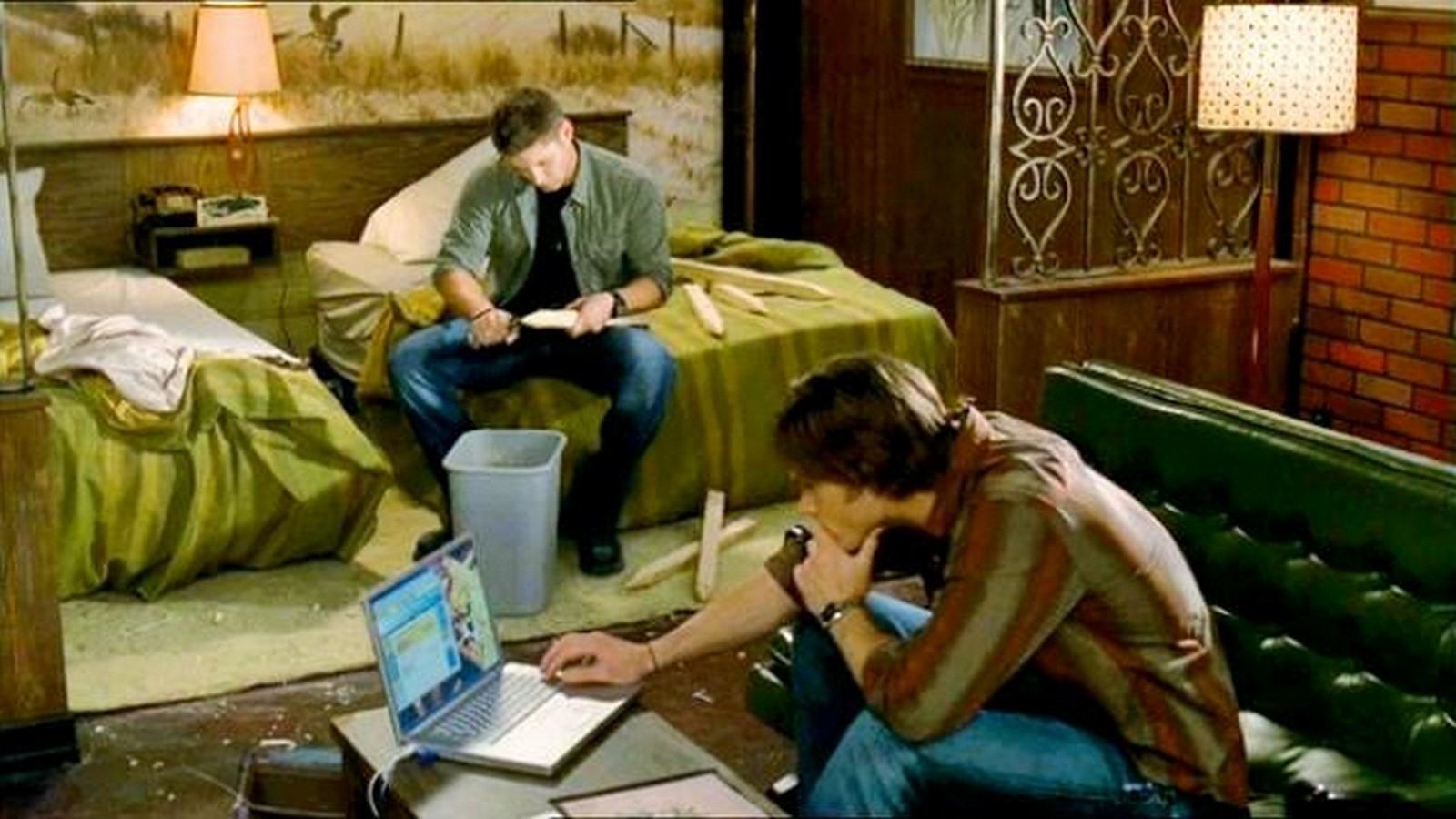
In Supernatural, the mundane settings of America are elevated into recurring characters of their own. The most iconic of these are the motels and diners. Each motel room appears with its own signature presence, but with a constant theme of kitschy decor, bizarre themes, and patterned wallpaper, bathed in neon signage to make them noticeable on the long stretches of highways. Despite their variety, they’re interchangeable. Due to their transient lives, the Winchesters are always moving from one place to another with no sense of permanence, but the similarities and common themes of these eerie motel rooms give their lives a stroke of permanence and familiarity anyway.
Here, Marc Augé’s concept of the “non-place” fits perfectly as these motels are liminal zones that exist outside of identity, history, or a sense of rooted belonging. They become symbols of a life lived between destinations, where the brothers are always seen moving, yet they never truly arrive at a destination.
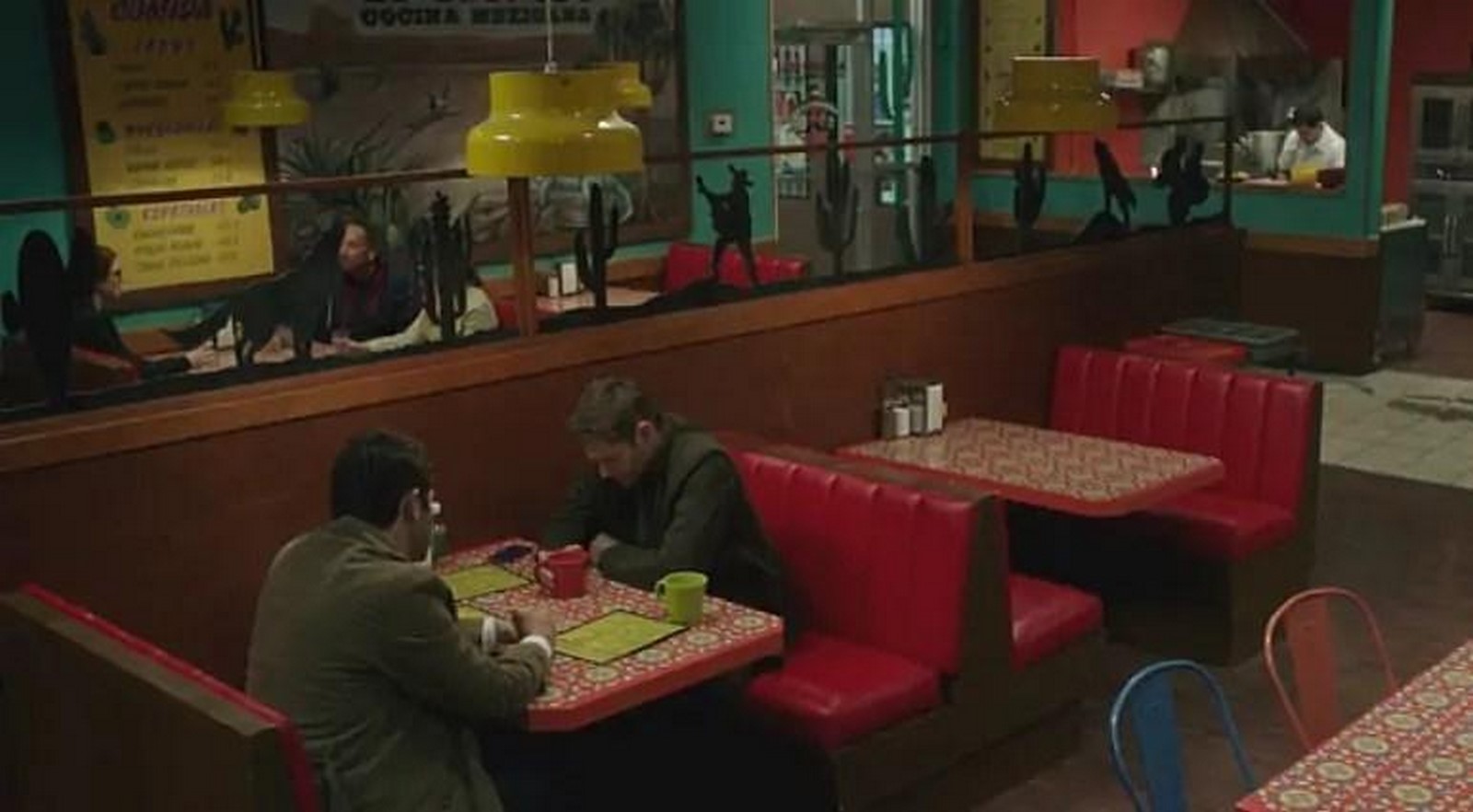
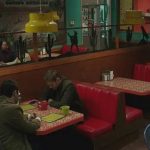
Diners serve a similar function but add a layer of socialization. With their chrome finishes, retro booths, and never-ending coffee refills, they ground the show in a distinctly American vernacular. Unlike the motels’ eerie emptiness, diners are social spaces, sites of pause, reflection, or the occasional moment of comfort in a life otherwise consumed by the hunt.
Architecture of the Road: Highways and the Impala
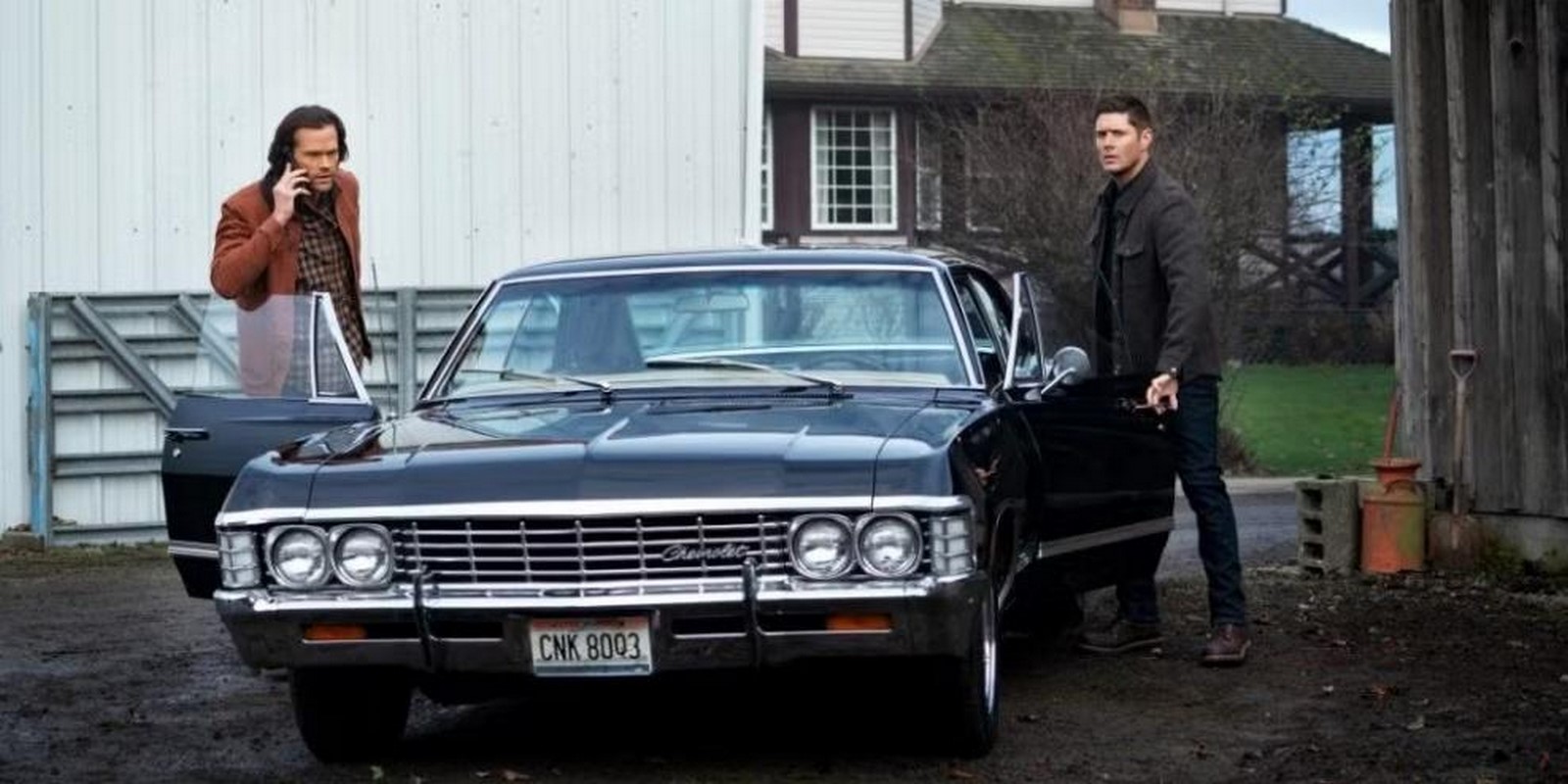
If motels and diners are stopovers, highways are the connective tissue of Supernatural. The endless road cuts across the small towns, forests, and forgotten voids that embody both the freedom and restlessness of the Winchester brothers.
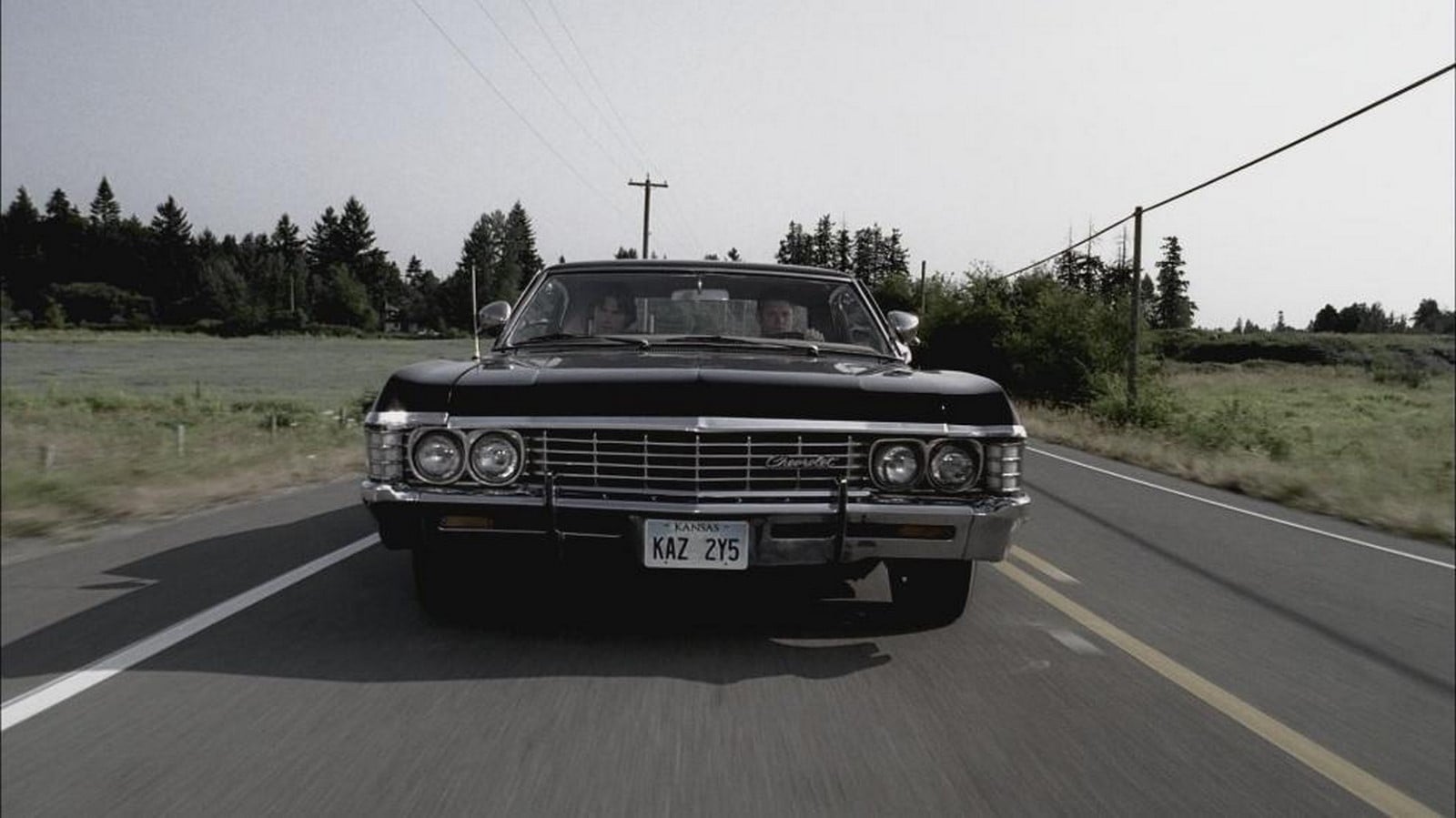
The highways and bridges are the symbolic pathways that carry them from one hunt to another. These highways carry a distinctly eerie, gothic undertone: lonely motels lit by flickering neon, small towns with secrets buried beneath their streets, and landscapes that feel both familiar and unsettling.
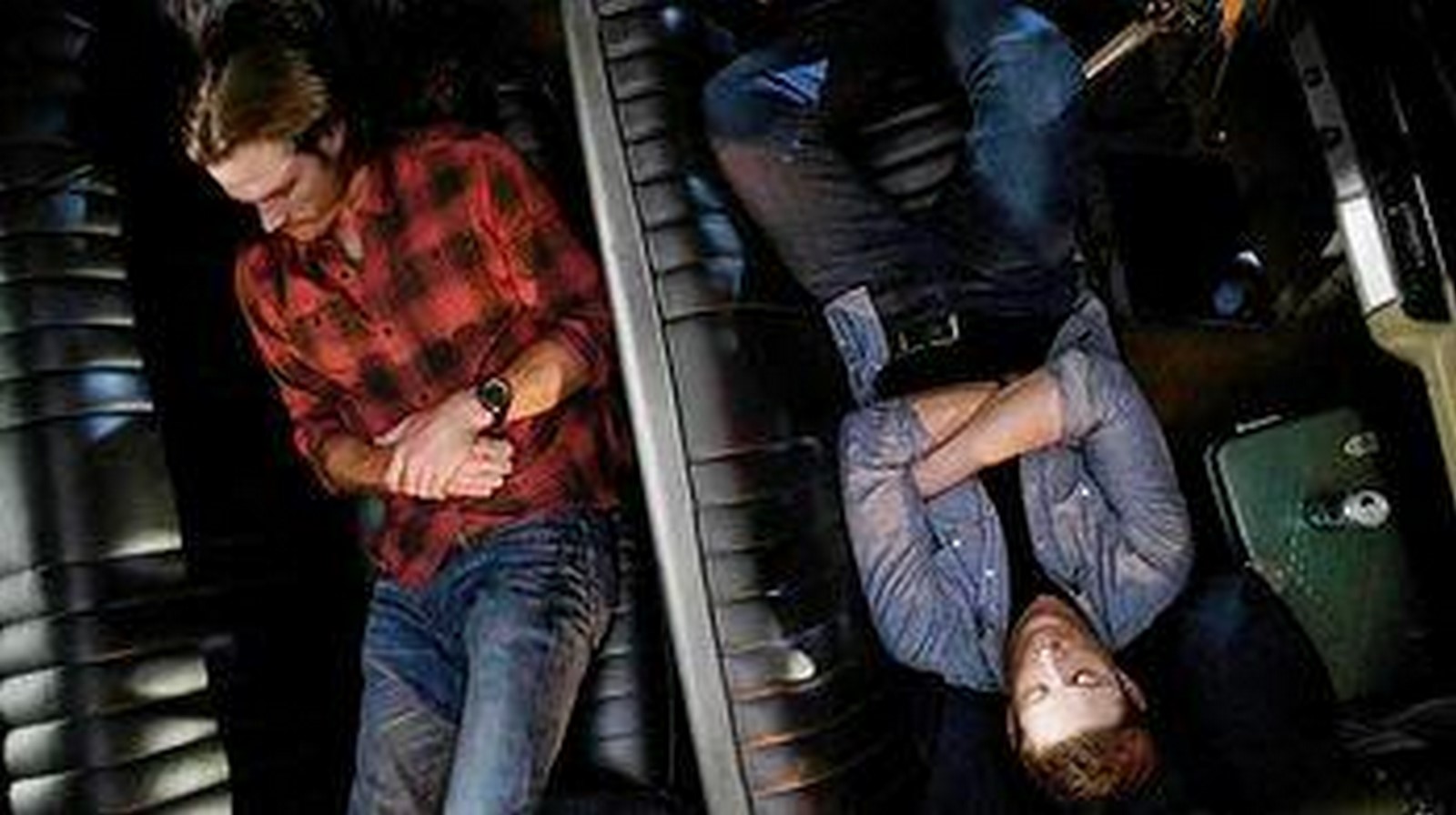
At the center of this spatial network is the Chevy Impala, which functions less like a car and more like a piece of mobile architecture. This car is portrayed as a miniature bachelor’s den of sorts. Its stripped-down interiors, heavy lines, and dark tones echo a masculine aesthetic that borders on brutalist, utilitarian, unadorned, and unyielding. With its glossy black frame and rustic interior of worn leather and concealed weapons, it serves as both a monument and a shelter. Unlike the disposable motels, the Impala is constant- a home on wheels that turns the endless road into lived space for the Winchesters.
Architecture of Fear: Haunted Houses, Asylums, Cemeteries
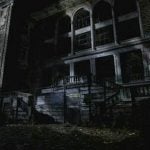
In Supernatural, architecture is central to how fear takes shape. Haunted houses, abandoned asylums, and cemeteries are not simply atmospheric settings but built forms that generate dread. The haunted houses often draw on Victorian and Gothic traditions: steep roofs, ornate details, and shadowed corridors that seem to hold traces of past lives. Their layered histories suggest that the walls themselves remember trauma.
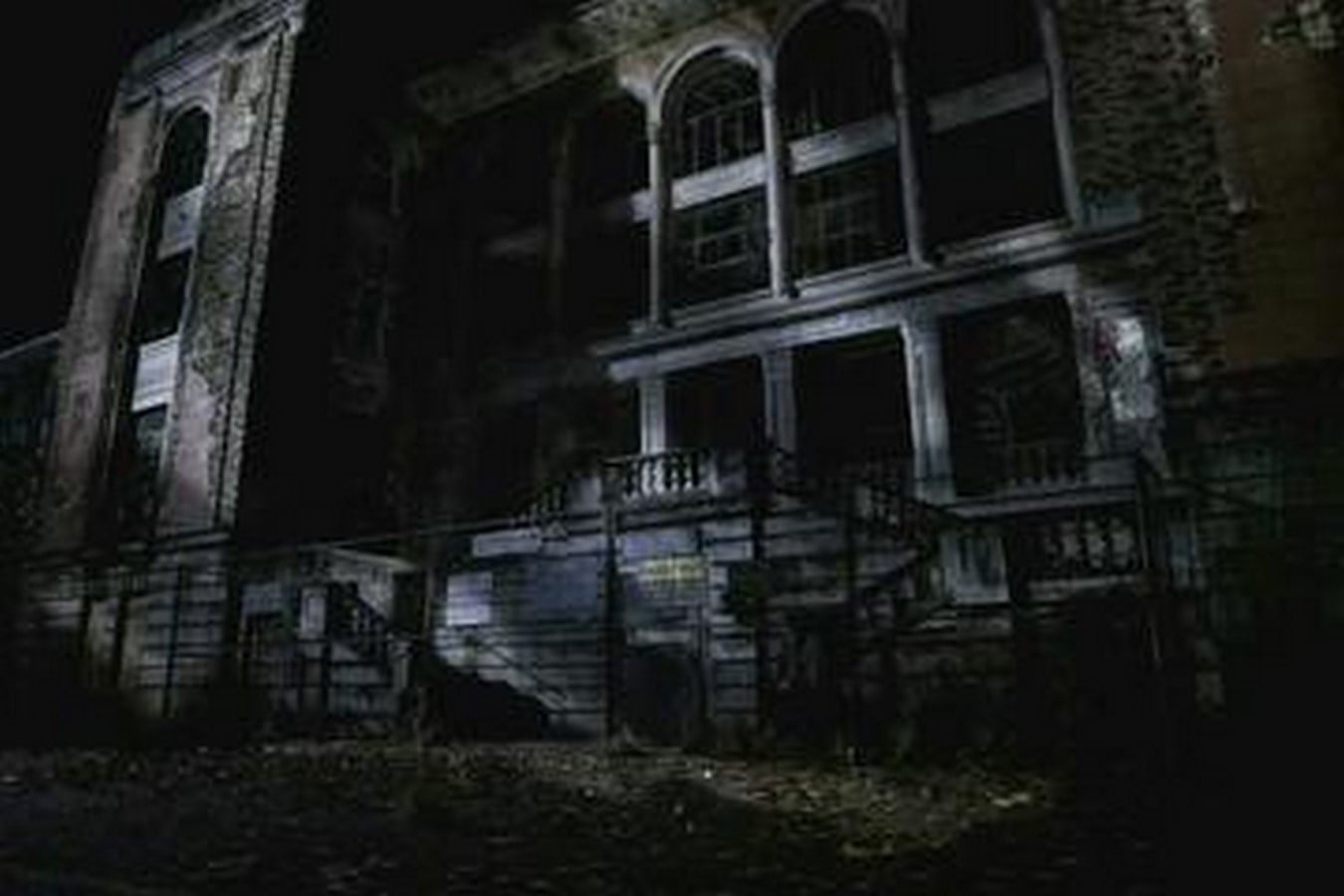
Asylums occurring in the series rely on repetition and institutional scale. Symmetry and control are used as tools to practice oppression, as long corridors, barred windows, and decaying plaster transform buildings designed for order into sites of claustrophobia.
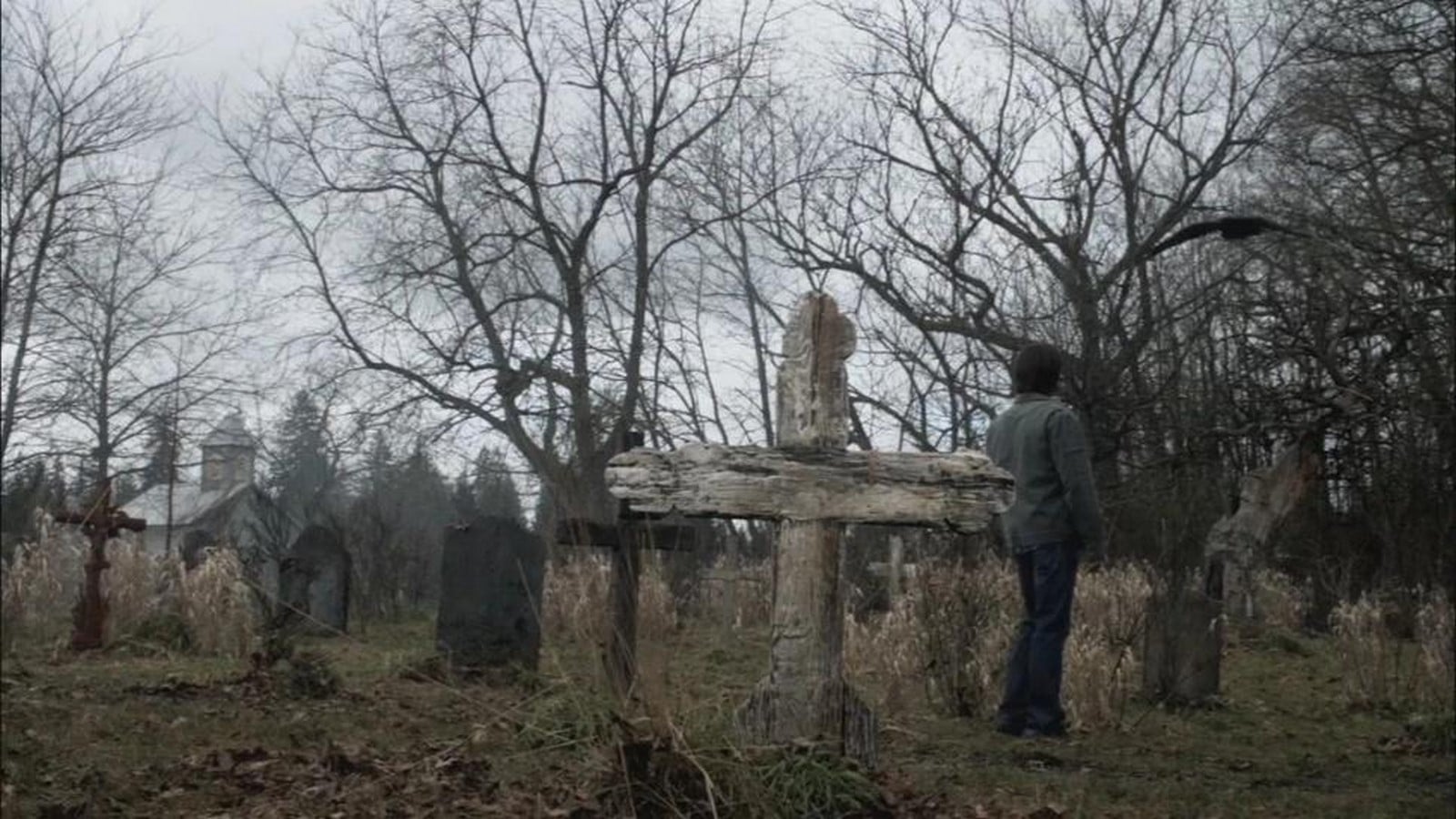
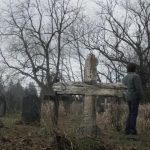
Cemeteries and crypts extend this architecture of fear into the landscape. Rows of gravestones and stone mausoleums impose permanence, making mortality part of the spatial experience.
Through these spaces, Supernatural shows that fear is not just about paranormal beings but about the environments that contain them. Architecture becomes an active agent in producing horror.
Architecture of Permanence: The Men of Letters Bunker
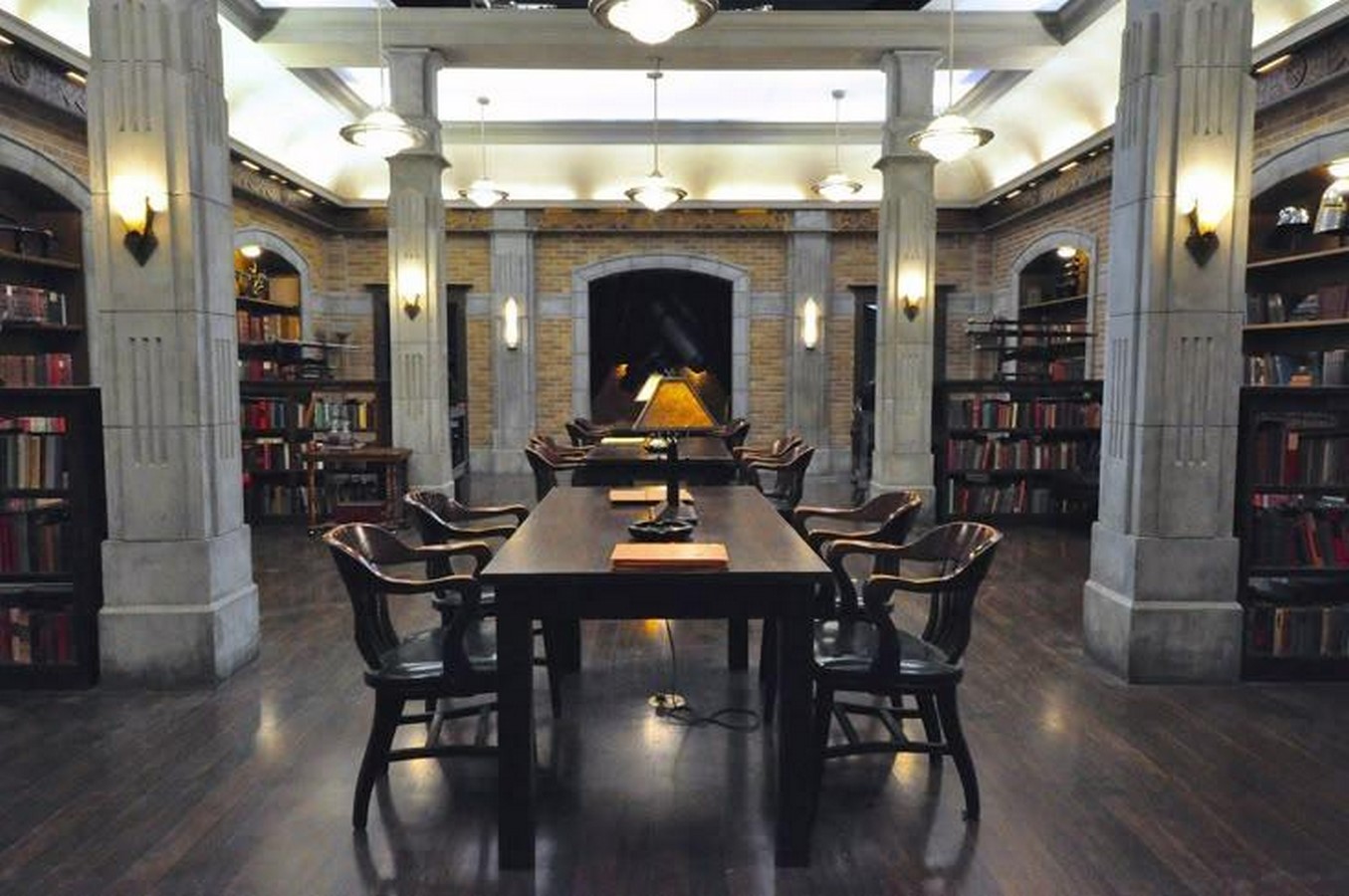
Much later in the series, when the Winchesters aren’t at their restless peak and edging into the middle age, when their body craves for some sort of settlement and stability, It’s at this moment that they are, almost deservingly, given the Men of Letters bunker, a space that offers permanence, knowledge, and a sense of home they had never known before.
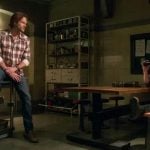
Hidden underground and built with monumental scale, its design evokes a blend of Brutalist solidity and mid-century interiors. Heavy concrete walls, vast corridors, and functional symmetry create a space of knowledge, order, and stability, an architectural language worlds apart from the flimsy motel rooms scattered along highways.
The Final Frame
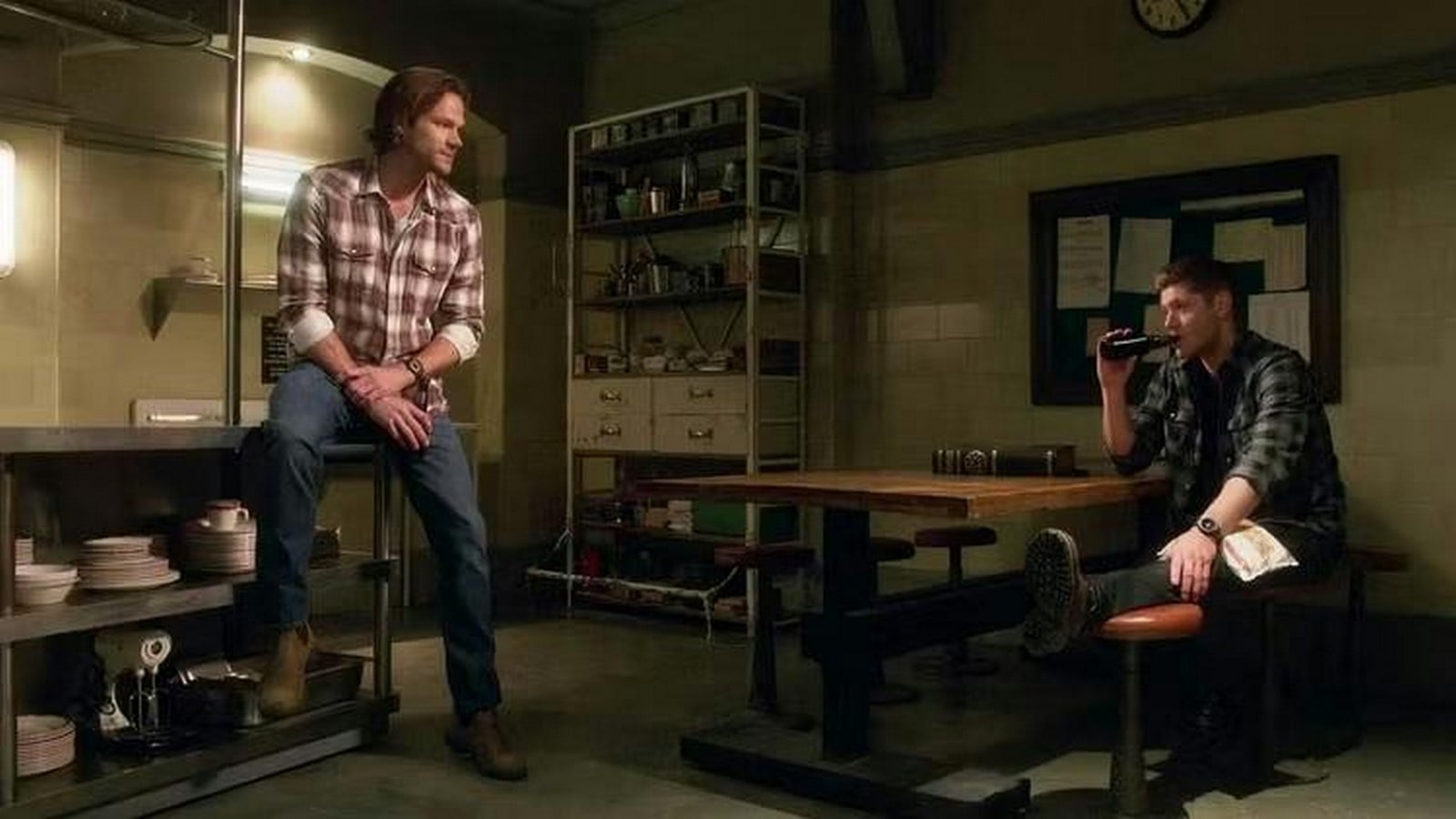
What makes Supernatural remarkable is how it folds entire histories into its built environments. The show stages horror not through cheap tricks but through space itself: staircases that seem to ascend nowhere, corridors that never end, doorways that promise safety yet open into rot. Even the most banal architecture, i.e, a diner, a suburban home, a roadside motel, is unsettled by what inhabits it. The bunker, in contrast, reads like a manifesto in concrete and steel, a deliberate act of permanence against the show’s long geography of transience. In giving the brothers a structure that resists entropy, the series reveals what architecture has always been capable of: making memory material, making fear tactile, and turning shelter into story.
These spaces complement the Winchesters’ world of rugged masculinity, echoing their bachelor restlessness, their resistance to polish or permanence. The interiors feel functional, weathered, and almost militaristic, a stage for lives sustained on grit rather than comfort. In its architecture, the show isn’t just scary; it sketches a geography of masculinity, where buildings hold the same weary endurance as the men moving through them.
References:
Yousefi, H. (2025, August 9). Narrative-Driven Architecture: Turning Space into Story. Medium. https://bhys.medium.com/narrative-driven-architecture-turning-space-into-story-c90a547d686b
Nerdist. (2015). Going under the Hood of SUPERNATURAL’S Impala. [online] Available at: https://nerdist.com/article/going-under-the-hood-of-supernaturals-impala/ [Accessed 26 Aug. 2025].