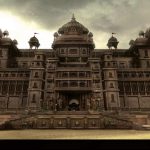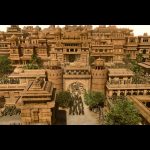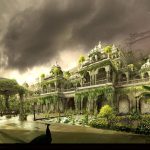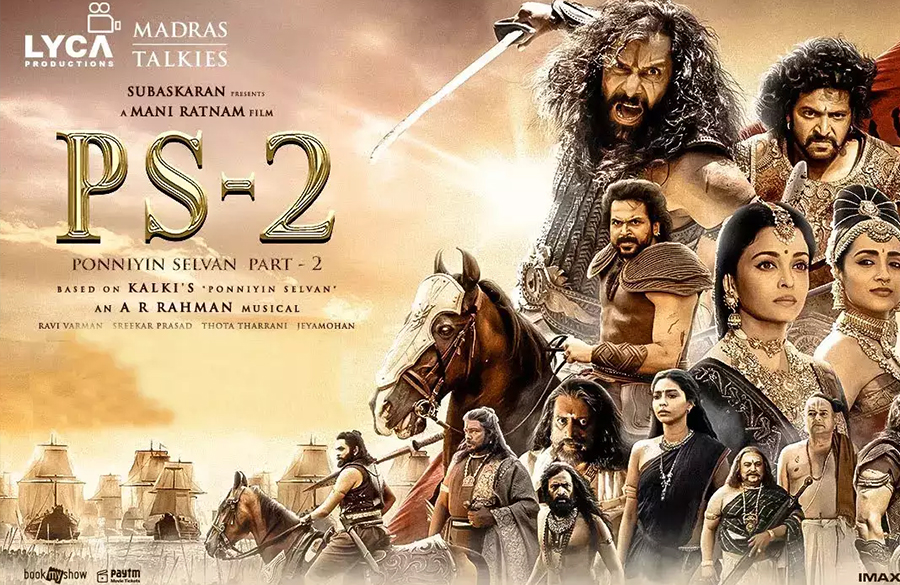
The cinematic masterpiece Ponniyin Selvan by Mani Ratnam is a historical monument to the architectural grandeur of the Chola period. The film uses precise set construction combined with computer-generated imagery and location filming to transport viewers to the 10th-century Chola dynasty while showcasing the architectural achievements of that period. This architectural review examines, through a built environment perspective, how Ponniyin Selvan brings back the magnificence of South India’s most important architectural period.
Ponniyin Selvan and the Chola Architectural Identity
The Cholas gained fame through their exceptional architectural skills which produced large spiritual temples of grand proportions. The architectural elements in Ponniyin Selvan function beyond mere decoration because they animate the entire story. The series showcases large courtyards with pillared mandapas, intricate sculptures, and extensive palace complexes which reflect the fundamental elements of Chola architectural design. Every visual component in the film follows the spiritual and aesthetic principles of the time through its design of sloping granite corridors and gopurams that function as cultural guardians (Michell, 2008).
The Temples as Architectural Anchors
The authentic depiction of temple architecture stands as a major strength in Ponniyin Selvan. During the Chola period, temples gained their fame through their axial design, high vimanas, and balanced architectural elements which were inspired by the Brihadeeswara Temple at Thanjavur. The film presents these spatial compositions with artistic integrity. The audience can experience the temple scale and symmetry through the combination of dim lighting with expansive camera angles.
The temples function as religious centres and serve as urban nuclei that connect power and politics with community life. The sacred geometry of the spaces which follows Vastu Shastra principles and cardinal directions becomes subtly evident through the production design and cinematography (Hardy, 2007).
Royal Palaces and Urban Planning
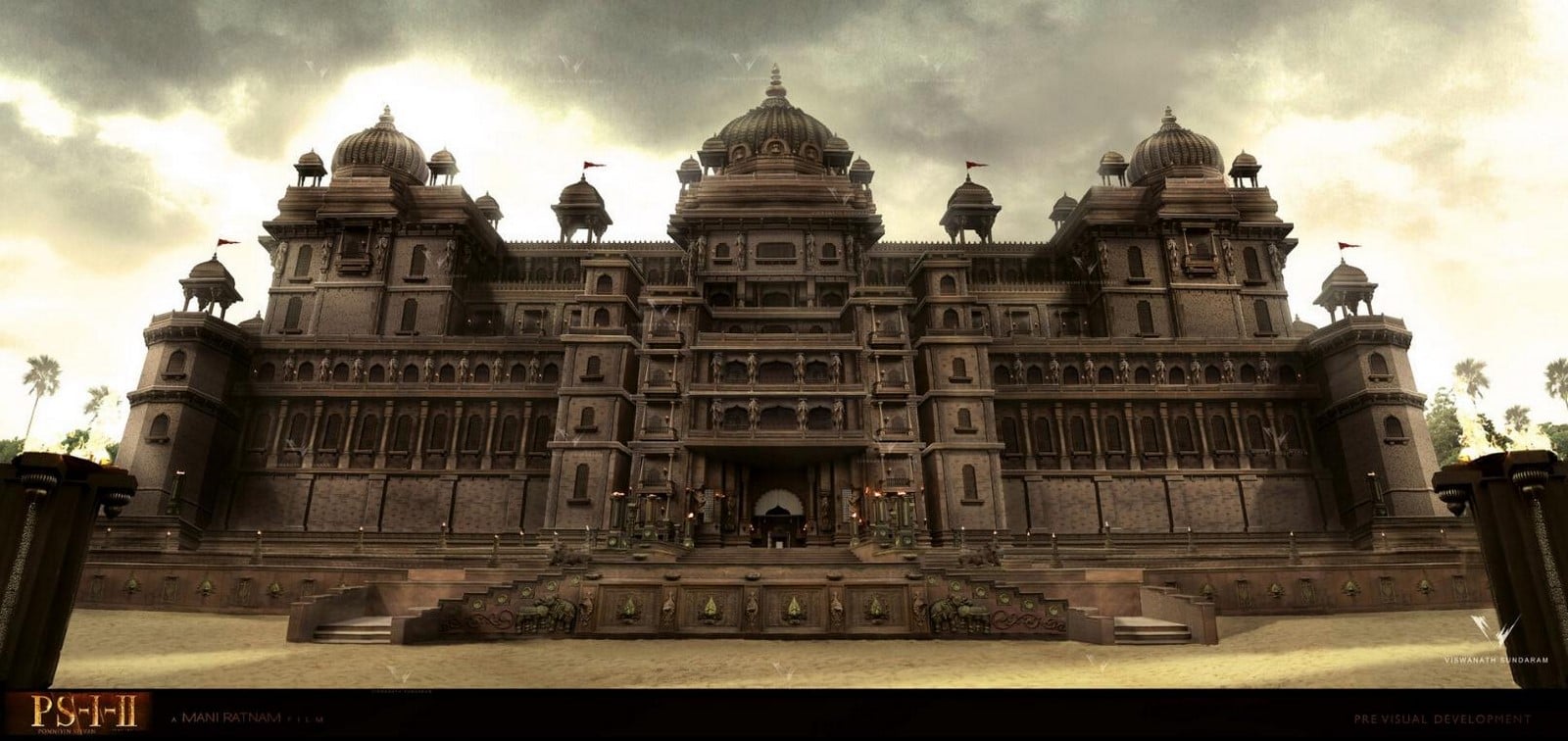
The original structures of the Chola dynasty palaces have disappeared from historical records. The creators of Ponniyin Selvan based their royal architecture designs on historical documents, mural art, and physical artifacts. The filmmakers recreated the imperial capital city of Thanjavur through their understanding of early South Indian urban development. The palace structures in the series feature open courtyards with raised plinths and colonnades which correspond to royal residential features documented in historical epics and inscriptions.
The movie depicts a carefully designed urban environment that unites water features with defensive structures, ceremonial pathways, and sacred temple paths into a unified civic arrangement. The reconstructed spaces demonstrate the Chola dynasty’s sophisticated understanding of hydraulic engineering and town planning methods including their expertise in tank systems and channel networks for agricultural and daily life support (Sastri, 1935).
Materials and Construction Detailing
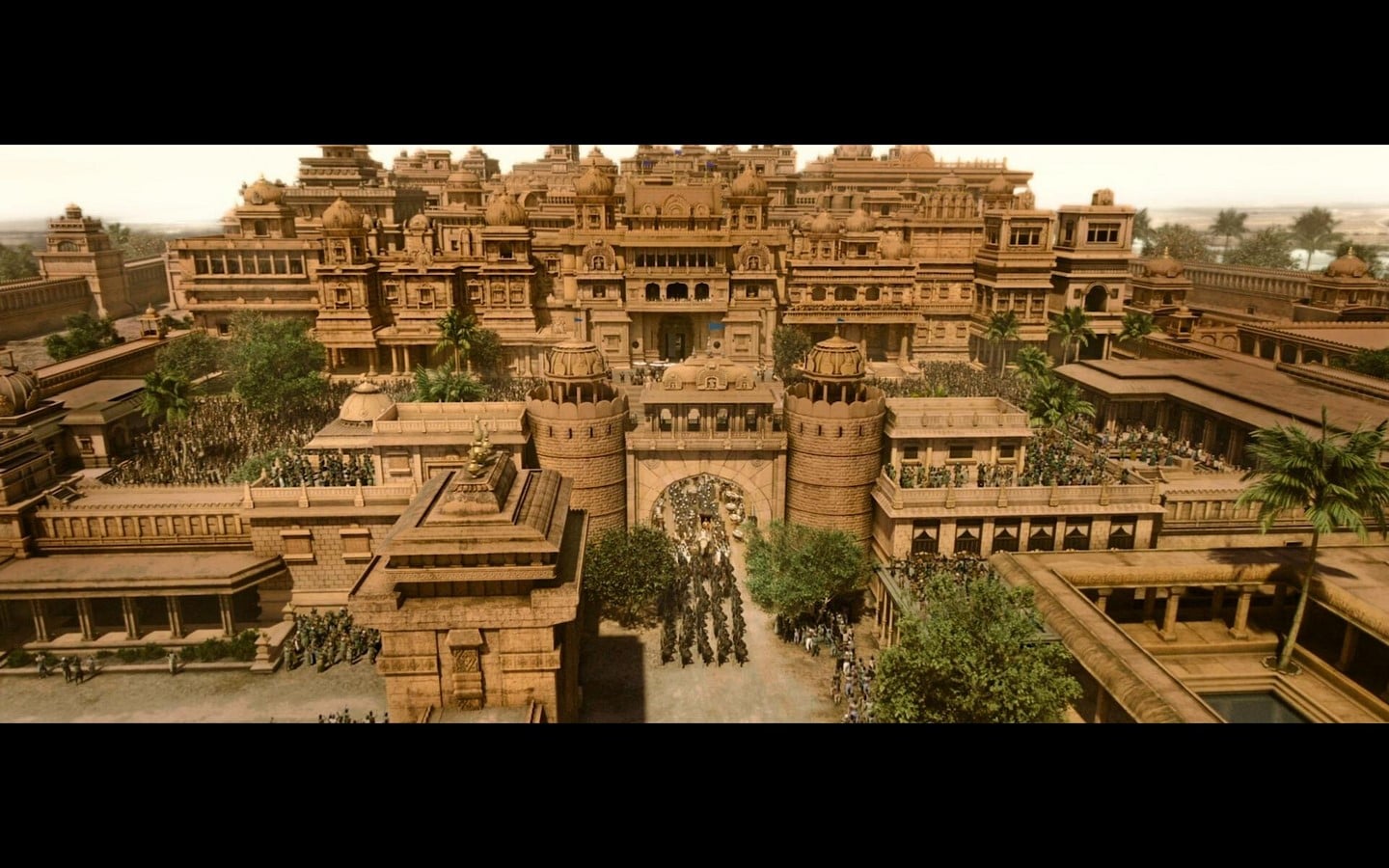
Granite served as a fundamental construction material in Chola architecture because it provided durability and sacred value. The movie achieves realistic granite material representation through its high-definition visuals and precise set design. The movie features carved columns which display stylized lions together with floral motifs and inscriptions that represent the distinctive Chola decorative style.
The construction details presented in Ponniyin Selvan received a commendation from the audience. The film accurately shows the actual construction methods of the Chola period through its depiction of corbelled arches, stepped platforms, and vaulted ceilings. The depiction of sculptors working to carve deities from stone blocks brings authentic cultural elements to the architectural presentation.
Architecture as Political Power
The film demonstrates how architecture served as a political instrument for legitimizing power. During the Chola period, the royal family built large temples to demonstrate their religious dedication while using these structures to demonstrate their power and establish divine backing. The film demonstrates this political aspect through its depiction of monarchs standing within large halls with tall columns and sacred sanctums that create divine illumination around the emperor. The relationship between built environments and political authority stands essential for understanding how Chola’s political hierarchy operated(Stein, 1980).
Costume and Setting Symbiosis
The combination of architectural elements, costume elements, and performance elements in Ponniyin Selvan stands as a notable achievement. The characters use their movements to follow the traditional customs of architectural design from that time period. Every movement in the film from courtesans walking barefoot on polished granite floors to ministers gathering in echoing pillared halls enhances the authenticity of the built environment.

Modern Technologies, Traditional Visuals
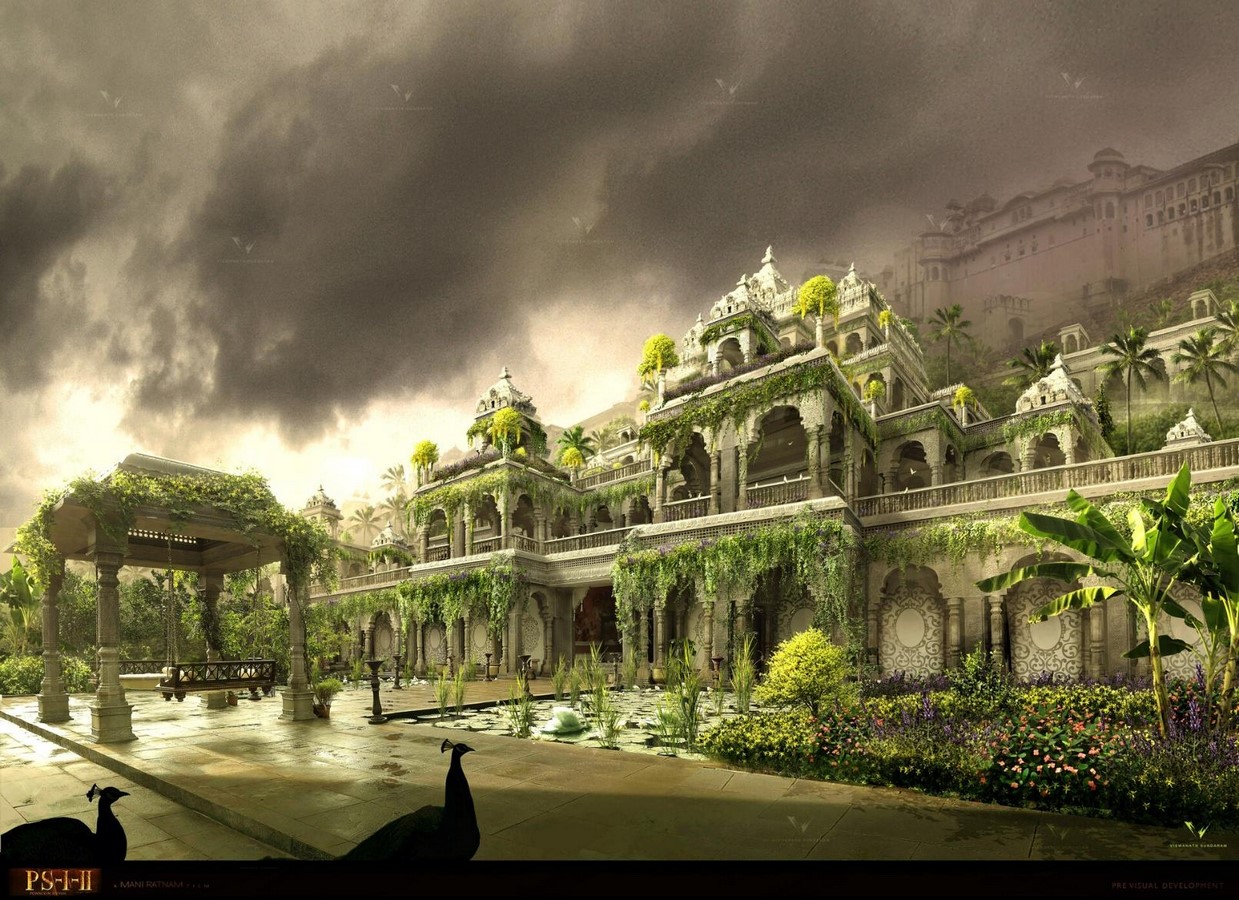
The film achieves its strength through its combination of CGI technology with set design to build architectural spaces that do not exist in contemporary times. The filmmakers used actual locations to film temples like Brihadeeswara but they built digital versions of palace interiors. The contemporary additions to the film do not disrupt the historical atmosphere of the production. The film uses these modern elements to expand its period setting while creating cinematic grandeur that blends historical accuracy.
The movie maintains its architectural integrity through its commitment to historical accuracy despite taking some creative liberties. The film avoids kitsch and embellishments by using extensive historical research, architectural and historical consultant input to present Chola architecture with proper respect and depth.
References:
Hardy, A. (2007) The Temple Architecture of India. Chichester ; Hoboken, NJ : John Wiley & Sons.
Michell, G. (2008) Architecture and art of Southern India. JOHNSON, G., BAYLY, C.A. and RICHARDS, J.F. (eds.). Cambridge University Press.
Sastri, K.A.N. (1935) The Colas. 1st ed.
Stein, B. (1980) Peasant State and Society in Medieval South India. Oxford University Press.