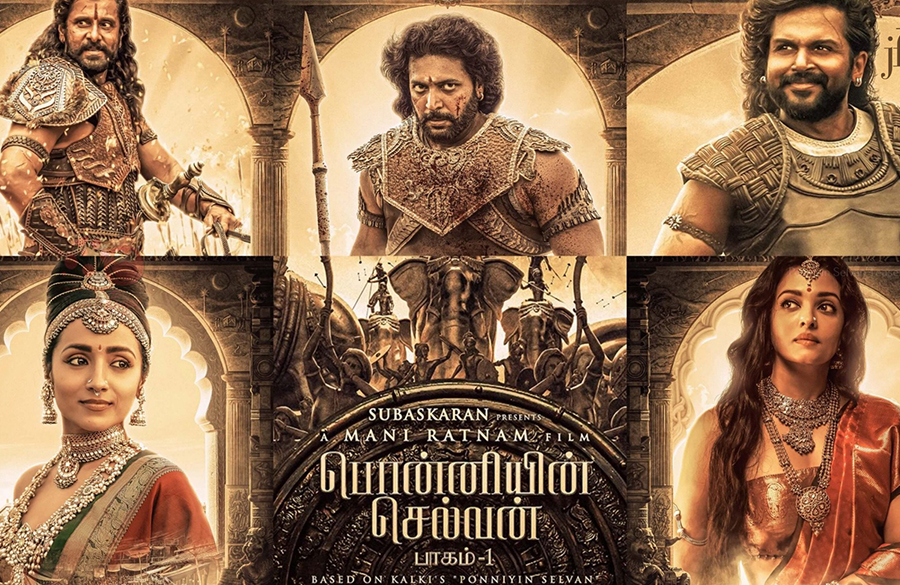
Mani Ratnam’s Ponniyin Selvan, a magnum opus based on Kalki Krishnamurthy’s renowned novel, takes audiences to the luxurious and complicated world of the Chola dynasty. This long-awaited film, which has been in the works for decades, with various directors striving to convey Kalki’s vision to the big screen, has now reached its full potential under Ratnam’s expert guidance. The film’s premiere spurred a rebirth of interest in the Chola era, with theatres seeing a significant rise in audience members aged 65 and up, anxious to see their favourite novel brought to life on film. This historical drama, which serves as a visual feast and a narrative journey, meticulously recreates the architectural marvels that marked this period. The film serves as a testament to the enduring power of architecture to shape cultures and inspire imagination.

Ponniyin Selvan is an extensive saga that follows the Chola prince Aditya Karikalan as he deals with a dangerous political scenario. The movie delves into the intricacies of royal politics, familial competition, and the danger of outside enemies. Amid the political drama, the stunning architecture of the Chola empire serves as a spectacular setting, showcasing the dynasty’s power, riches, and cultural refinement.

Temples: Sacred Beacons of Civilization
The Chola temples, characterised by their tall gopurams and detailed sculptures, go beyond religious buildings; they also represent the empire’s strength and people’s dedication. The Brihadeeswarar Temple in Thanjavur, recognised as a UNESCO World Heritage Site, highlights the architectural excellence of the Cholas. The impressive vimana and detailed carvings of the temple are depicted with exquisite precision, creating a captivating experience of that period’s magnificence and divine essence.
In addition to their religious importance, temples functioned as hubs for education, commerce, and social gatherings. The movie subtly suggests these diverse roles, displaying the lively activity at temple sites. The complex arrangement of mandapas, halls, and corridors on temple grounds mirrors the social hierarchy of Chola society, allocating specific areas for different social classes. This focus on specifics enhances the audience’s comprehension of the temple’s function as a diverse community centre.

Palaces: Epitomes of Royal Luxury and Intrigue
The Chola palaces, as shown in the movie, are extravagant displays of royal authority and riches. The detailed design of their buildings, from the impressive durbar halls to the cosy private rooms, showcases the sophisticated preferences and extravagant way of life of the Chola rulers. These grand buildings are the backdrop for political scheming, love affairs, and battles for power within ruling families.
The movie carefully focuses on the intricate details of palace architecture, from the secret passageways to the complex patterns on the palace walls. These components boost the aesthetic charm and add to the overall sense of magnificence and luxury. The combination of colour, light, and shadow in the palace interiors generates depth and intrigue, mirroring the intricate power relationships in place.

Cities: Vibrant Tapestries of Urban Life
Ponniyin Selvan effectively depicts the vibrant atmosphere of Chola towns, illustrating them as lively hubs of business, art, and economic activities. The movie displays the complex system of streets, markets, and housing areas, providing a peek into the people’s everyday lives. Busy markets, talented artisans, and strong fortifications contribute to the genuine representation of urban life in the Chola era.
The depiction of Thanjavur showcases a prosperous urban centre with majestic temples, busy streets, and complex water systems. The movie’s meticulous recreation of the urban environment demonstrates the sophisticated planning and engineering of the Chola era.

Architecture as a Silent Protagonist
Ponniyin Selvan is an excellent example of using architecture as a storytelling tool. The architectural components in the movie do more than just serve as backgrounds; they play an active role in the story by expressing feelings, creating environments, and mirroring the characters’ intentions. For example, the magnificence of the Chola temples reflects the empire’s might and its people’s devotion. In contrast, the extravagant palaces represent the lavish way of life the royal family enjoys.
The movie’s success is attributed to the seamless integration of architecture into the narrative. By paying careful attention to detail and designing visually captivating settings, Ponniyin Selvan provides a cinematic experience that immerses viewers in the world of the Chola dynasty.
A Cinematic Renaissance
Ponniyin Selvan goes beyond being solely a historical drama; it represents a revival of Chola architecture on screen. The movie’s careful focus on specifics and breathtaking imagery immerse audiences in a pastime of elegance and refinement. The film presents a deep admiration for the lasting impact of the Cholas by highlighting the complex relationship between architecture and storytelling.
While engaging with Ponniyin Selvan, viewers are encouraged to uncover the enchantment of architecture and how it influences cultures and motivates people across different eras. The movie reminds viewers of the lasting appeal of history and the significance of protecting our architectural legacy for future generations.
By faithfully replicating the Chola era, Ponniyin Selvan has entertained and educated, sparking a revived fascination with South India’s architectural and historical legacy.