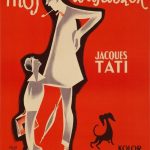
Mon Oncle (My Uncle) is an absolute masterpiece of French cinema, directed by the legendary Jacques Tati. This captivating comedy transcends the boundaries of its genre, delivering a profound and poignant critique of modernity’s impact on traditional charm. Tati’s skillful blend of humor and social commentary makes Mon Oncle a timeless classic that continues to resonate with audiences of all generations.
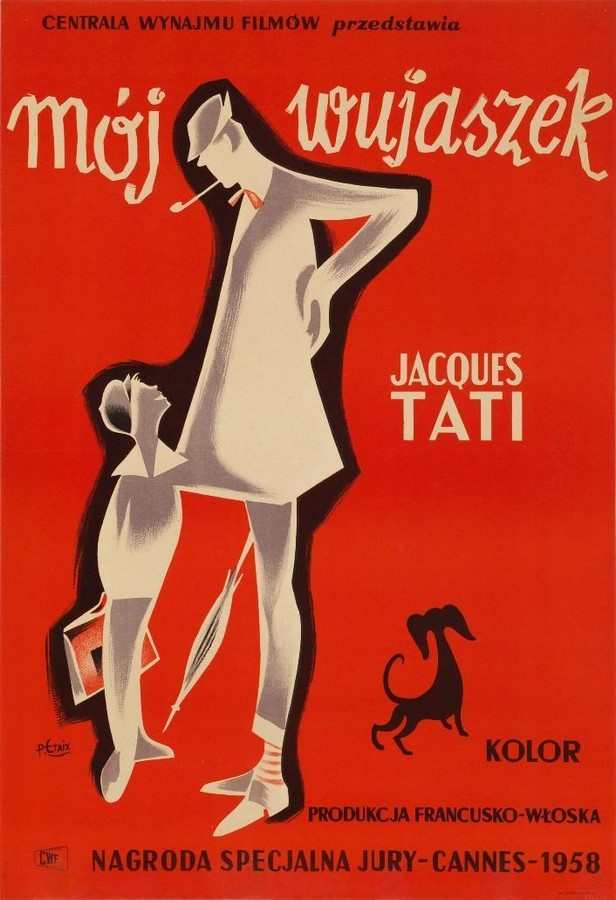
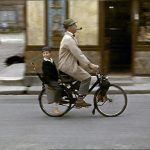
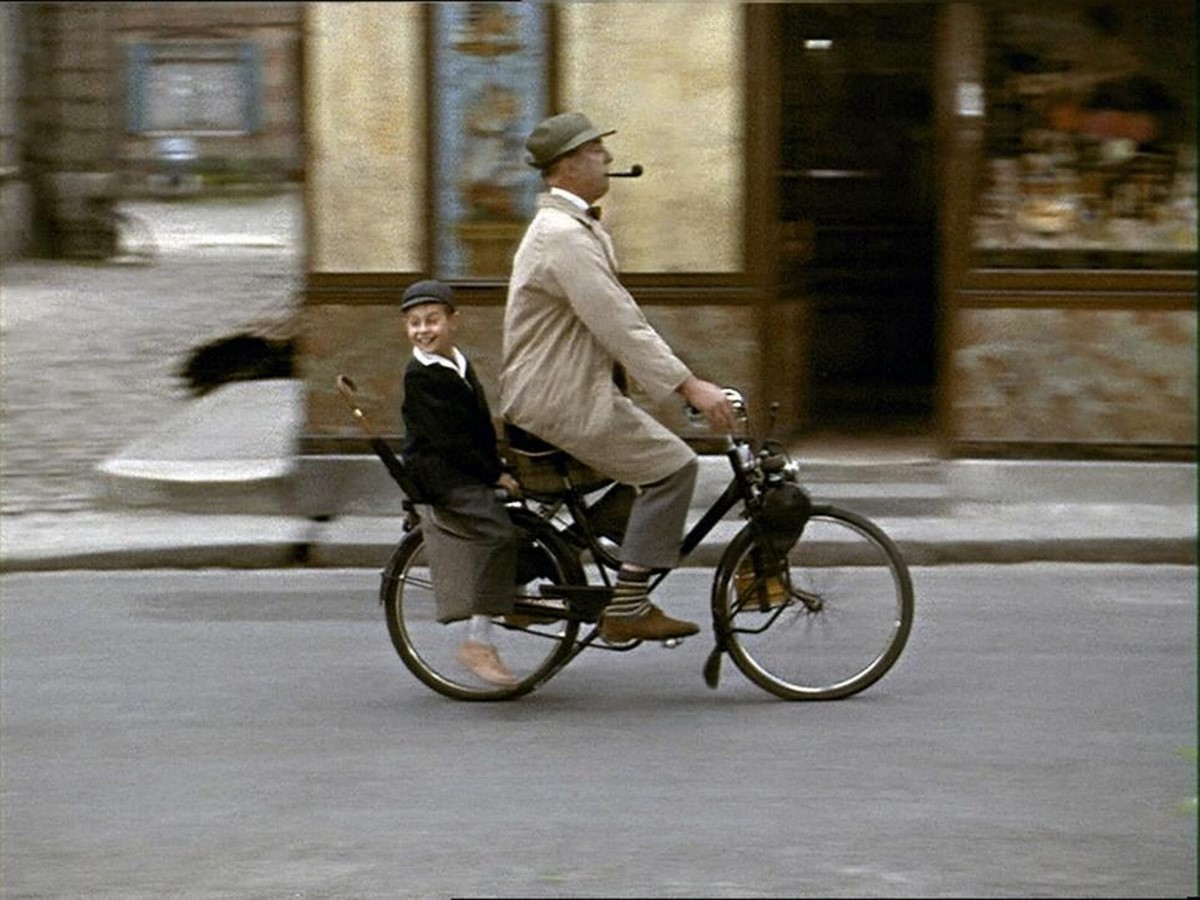
At the heart of the film lies Monsieur Hulot, brilliantly portrayed by Jacques Tati himself. Hulot’s lovable yet clumsy demeanor endears him to viewers, while his encounters in both the old and new worlds reflect the clash between tradition and progress. Tati’s ability to create a character that represents nostalgia and resistance to change elevates the film to a level of brilliance rarely seen in cinema.
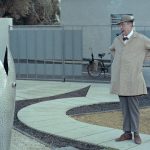
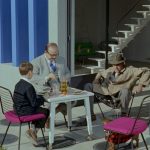
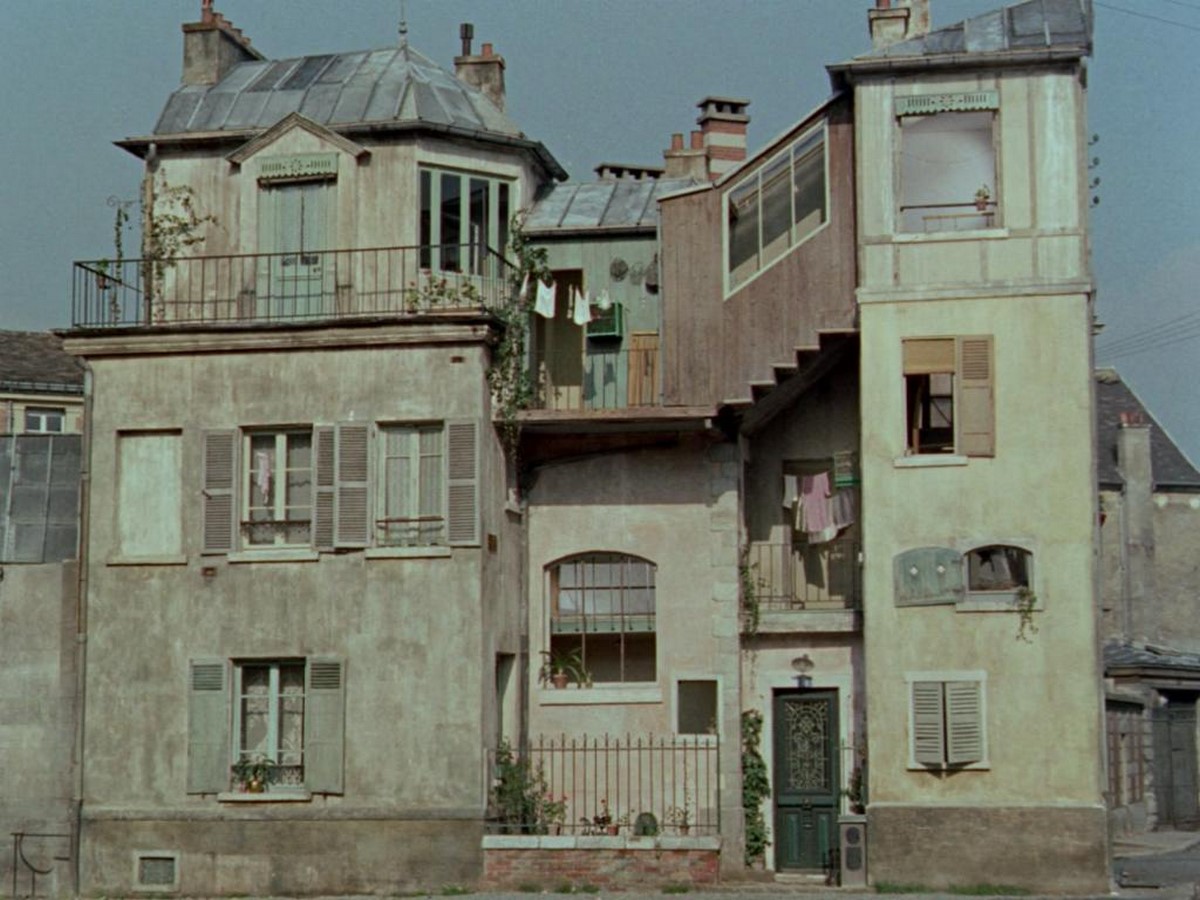
Residing in a quaint apartment complex nestled amidst the eaves of a dilapidated tenement building, Hulot’s world stands in stark contrast to that of his sister, Arpel. She resides in an ultra-modern house with an impeccably organized geometric garden, filled with motorized gadgets and suburban routines. The film artfully portrays Arpel’s embarrassment over Hulot’s apparent inability to embrace modernized France, leading her to devise a plan to find him a wife and a job.
The movie serves as a delightful architectural showcase, with the built environment playing a central role in the narrative. It juxtaposes architectural elements, symbolizing the clash between tradition and modernity. As Mon Oncle entertains with its humor, it also offers thought-provoking insights for designers and viewers alike. The film captures the sophisticated aesthetics of modernization, showcasing clean and rational forms with minimal ornamentation that gained popularity from 1945 to 1975.
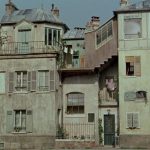
Monsieur Hulot’s home is a delightful representation of the enchanting simplicity of a bygone era. Tati’s meticulous attention to detail in the quirky and whimsical set design perfectly captures the essence of the protagonist’s unconventional personality. From the charmingly off-center door to the playful garden, every aspect of Hulot’s home showcases Tati’s architectural brilliance. Warm and earthy tones dominate the palette, creating a nostalgic and inviting atmosphere. Rustic browns, golden yellows, and gentle greens accentuate the timeless charm of traditional architecture, transporting viewers to a simpler era defined by strong human connections.
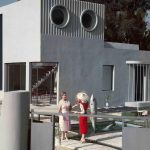
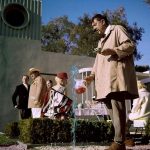
In contrast, the modern home of Hulot’s sister and brother-in-law exudes sterility and minimalist efficiency. With its cold glass walls and lifeless surfaces, it stands in stark contrast to the warmth and character of the older neighborhood. Tati ingeniously employs the architecture of the house as a metaphor, subtly portraying the loss of human connection amidst the relentless pursuit of progress and modernization. The automated house is characterized by cold and clinical hues, such as grays, whites, and metallic tones. This color scheme reflects the mechanized efficiency of the modern world, emphasizing the detachment and isolation experienced by its inhabitants.
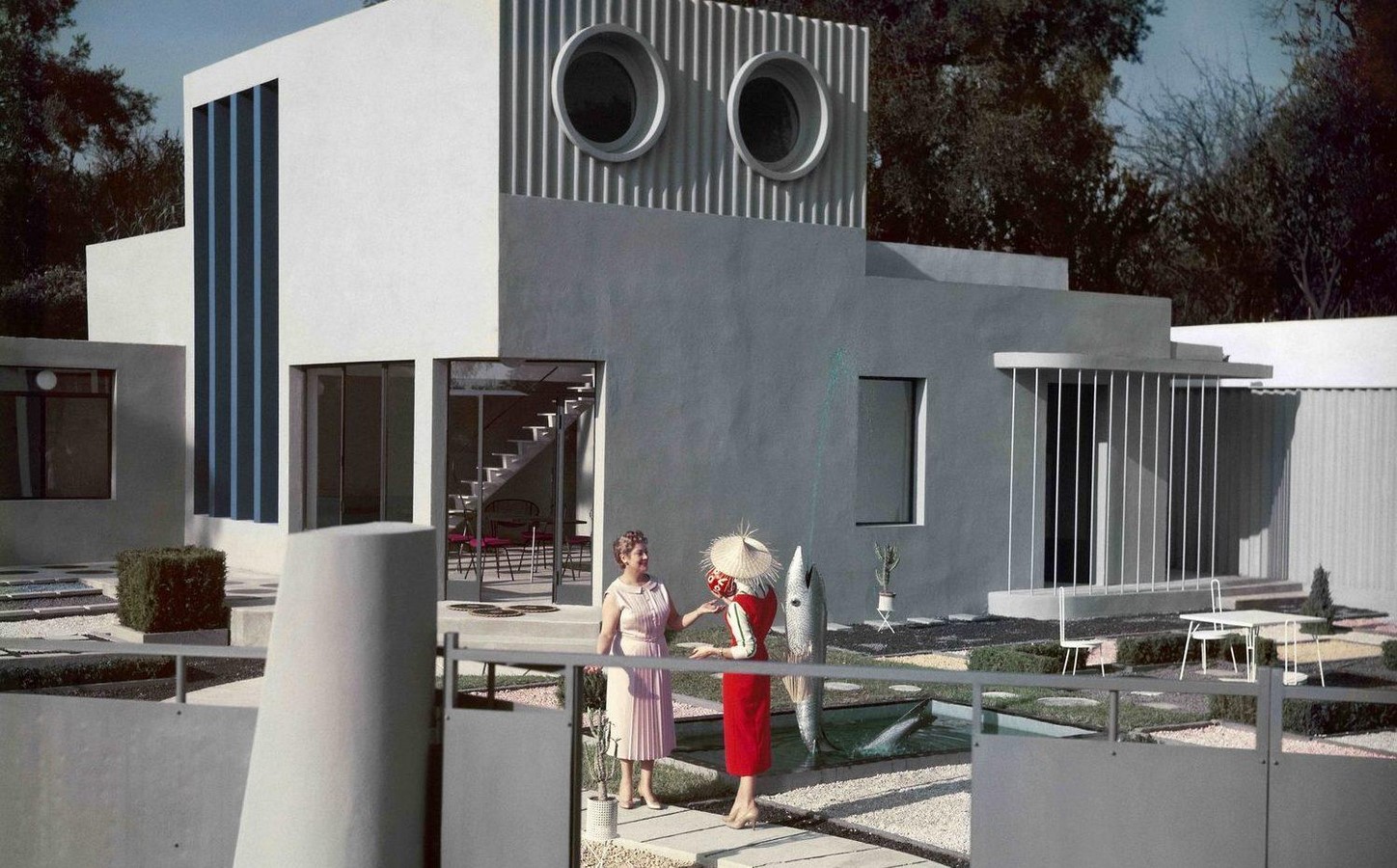
Tati’s keen eye for detail and appreciation for the built environment is evident in every frame. The picturesque neighborhood, with its narrow cobblestone streets and charming facades, becomes a character in itself. It effortlessly juxtaposes the traditional and contemporary, emphasizing how architecture profoundly impacts the lives of those it surrounds. Moreover, Mon Oncle prompts designers to think beyond functionality and consider the impact of architecture on human experiences. The film advocates for spaces that foster social connections and inclusivity, challenging the notion that architecture must be serious and devoid of personality.
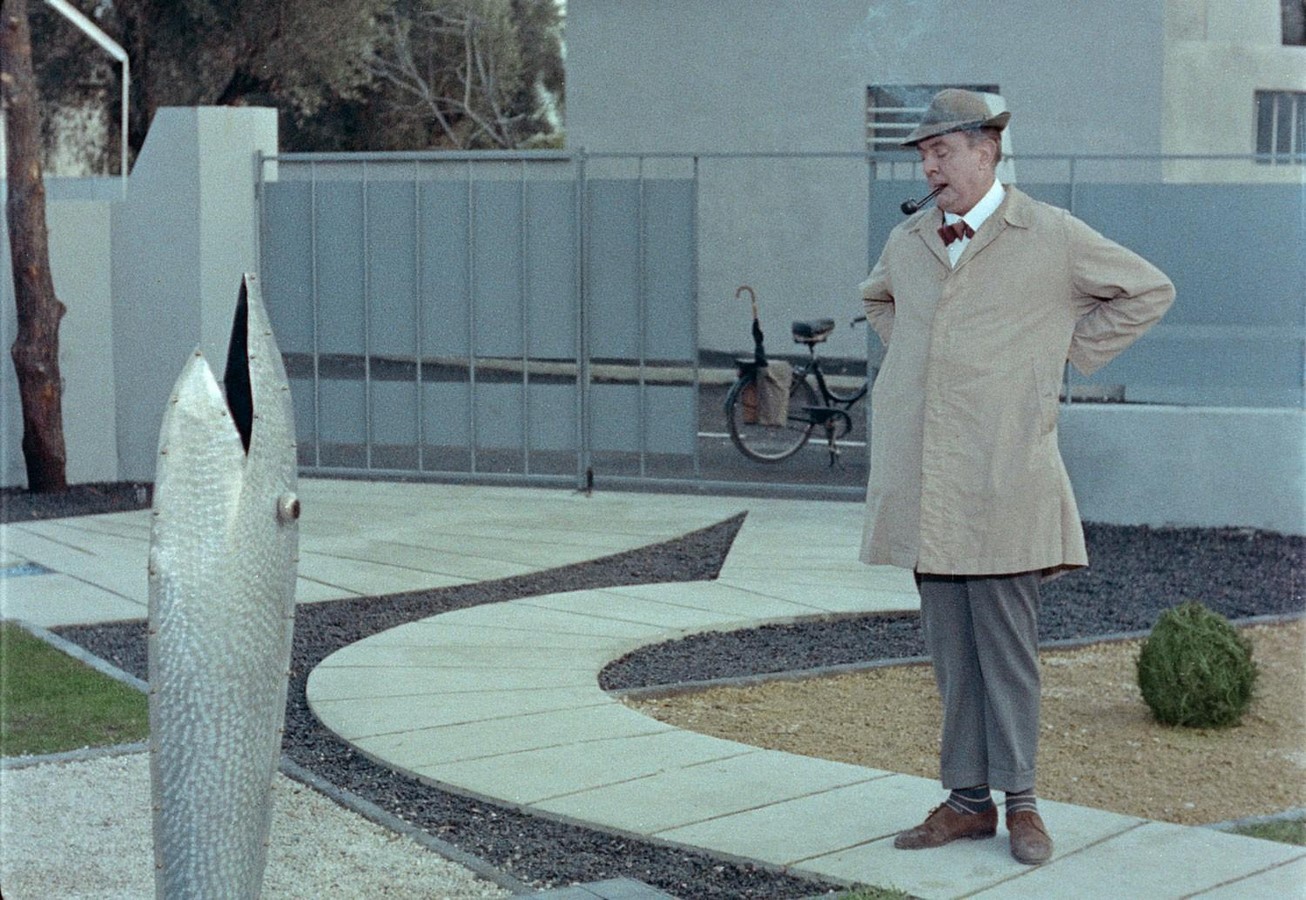
As the narrative unfolds, Tati’s satirical commentary on modern architecture becomes increasingly apparent. The soulless mechanization of the automated home draws parallels to the rapid urbanization and industrialization of the post-war era. The director skillfully critiques the obsession with new technologies and sleek designs while simultaneously yearning for the simplicity and soul of the past. In doing so, Mon Oncle becomes a delightful and thought-provoking exploration of the clash between tradition and progress.
Mon Oncle remains a timeless classic, continuing to inspire and captivate audiences with its delightful blend of comedy and social commentary. Jacques Tati’s use of architecture, color, and sound creates a visually stunning experience that lingers in the minds of the audience. The film’s satirical commentary on modern architecture serves as a cautionary tale, urging designers and viewers to consider the importance of human connection and inclusivity in architectural spaces. Its exploration of architectural beauty and its impact on human experiences make it a film that transcends time.

Jacques Tati’s brilliance as a filmmaker lies in his ability to entertain and engage his audience while also provoking deep reflections on society and culture. As we watch the endearing Monsieur Hulot navigate through the changing landscapes of the old and the new, we are invited to question our relationship with the built environment and the values it embodies.
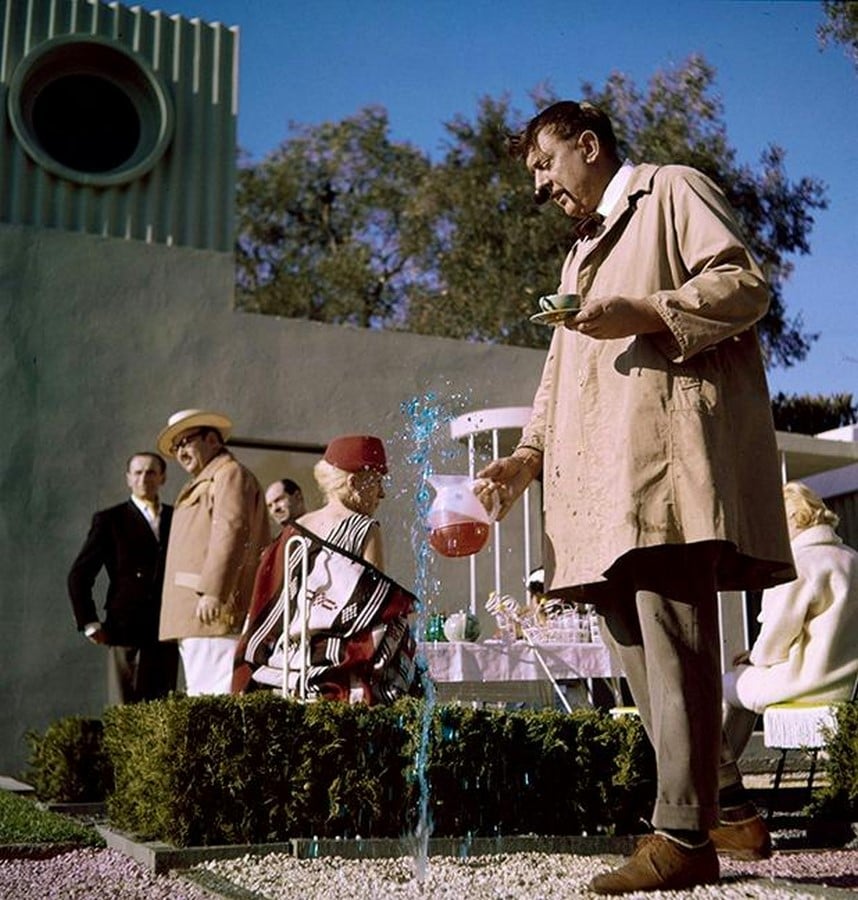
Mon Oncle is a film that continues to resonate, reminding us that the soul of a place can shape our lives in ways we may not always realize. Whether you’re a fan of classic cinema or French comedy or are intrigued by architectural and social themes, this film is a must-watch for its artistic brilliance and thought-provoking narrative.
References:
Mon Oncle: Critique of modern architecture (no date) The Cinessential. Available at: http://www.thecinessential.com/mon-oncle/critique-of-modern-architecture (Accessed: 22 July 2023).
Portilla, D. (2012) Films & architecture: ‘my uncle’, ArchDaily. Available at: https://www.archdaily.com/259325/films-architecture-my-uncle (Accessed: 22 July 2023).
Solomons, G. (2015) Screenshot: Mon Oncle (1958) – interiors : An online publication about architecture and film, Interiors. Available at: https://www.intjournal.com/thinkpieces/screenshot-mon-oncle-1958 (Accessed: 22 July 2023).