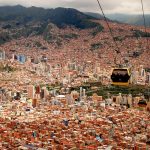
La Paz, often referred to as Nuestra Señora de La Paz, is one of Bolivia’s capital cities and the administrative center of the country’s multiethnic state. It is the third-most populated city in Bolivia, with an estimated 816,044 citizens as of 2020. The metropolitan area, including La Paz, El Alto, Achocalla, Viacha, and Mecapaca, has a population of 2.0 million, making it the second-most populated in Bolivia after Santa Cruz de la Sierra, which has a population of 2.3 million (de Mendoza).
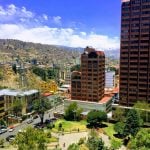
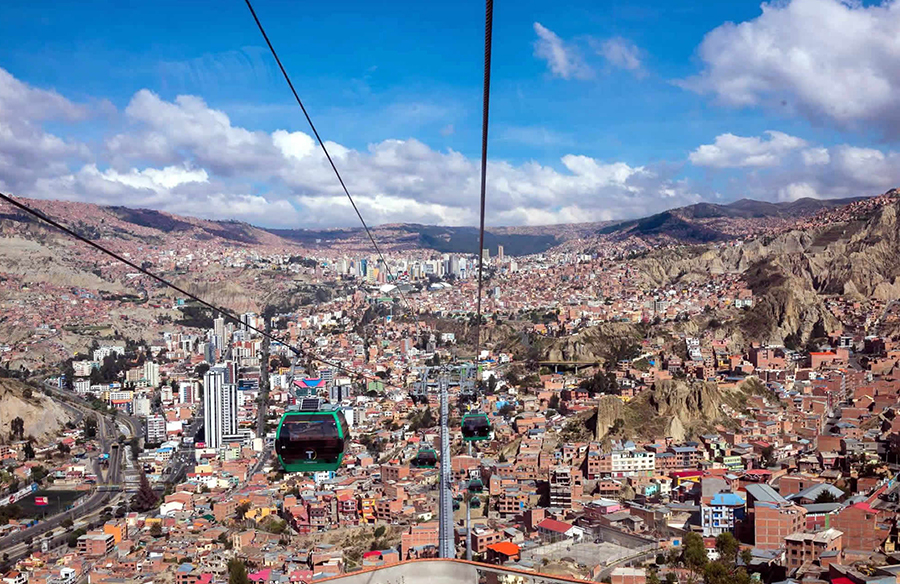
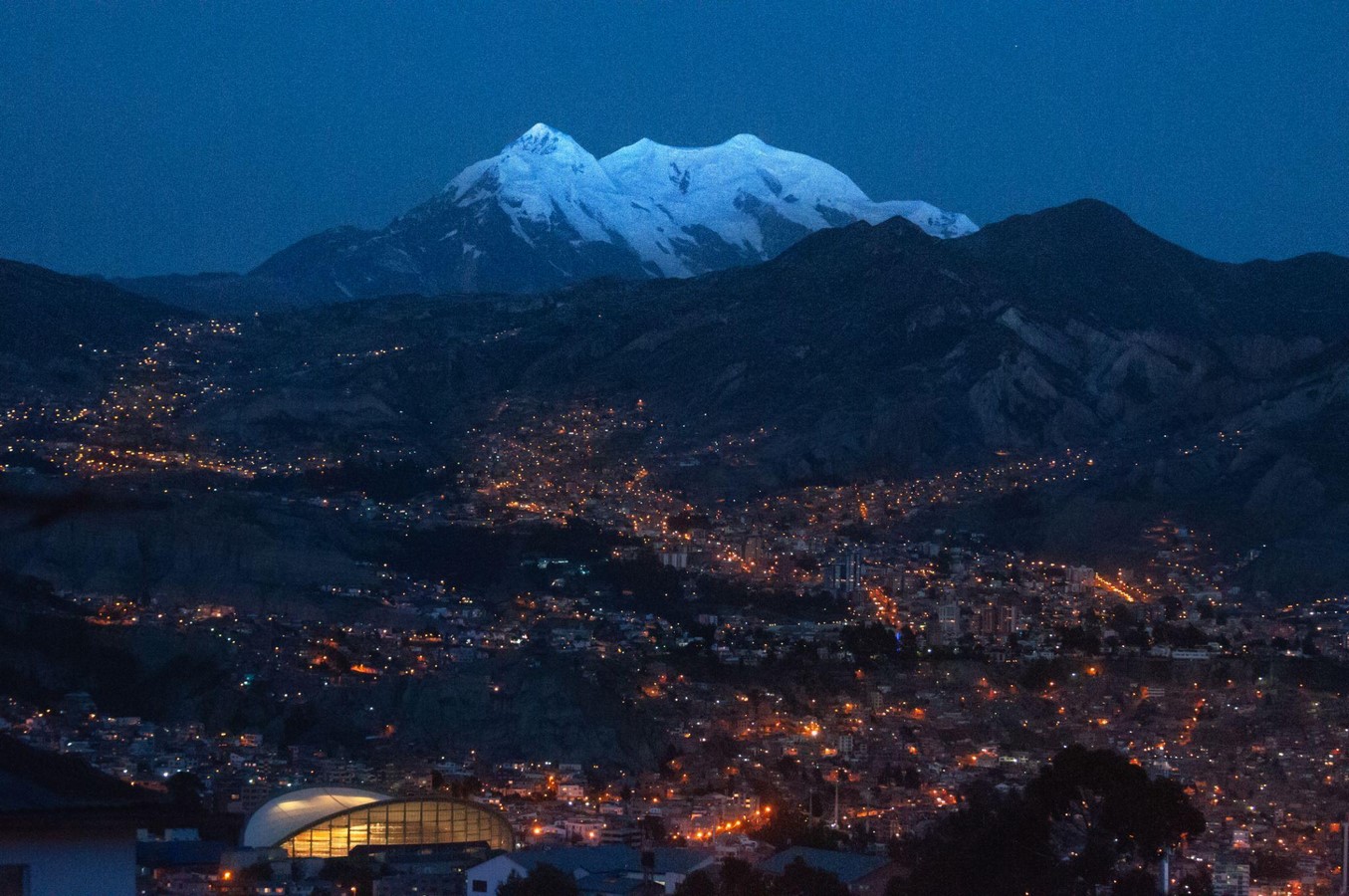
Regarding the architecture of the place, Andean Baroque is a new architectural style that emerged due to Bolivia’s unique blend of architectural and Baroque styles. Bolivian architecture predominantly features modernism and postmodernism, as seen in many other contemporary societies. The city is situated at an elevation of around 3650m above sea level, making it one of the highest capital cities in the world. The height, along with the city’s unique topography, significantly influences its architecture and urban design pattern.
Architectural Expression
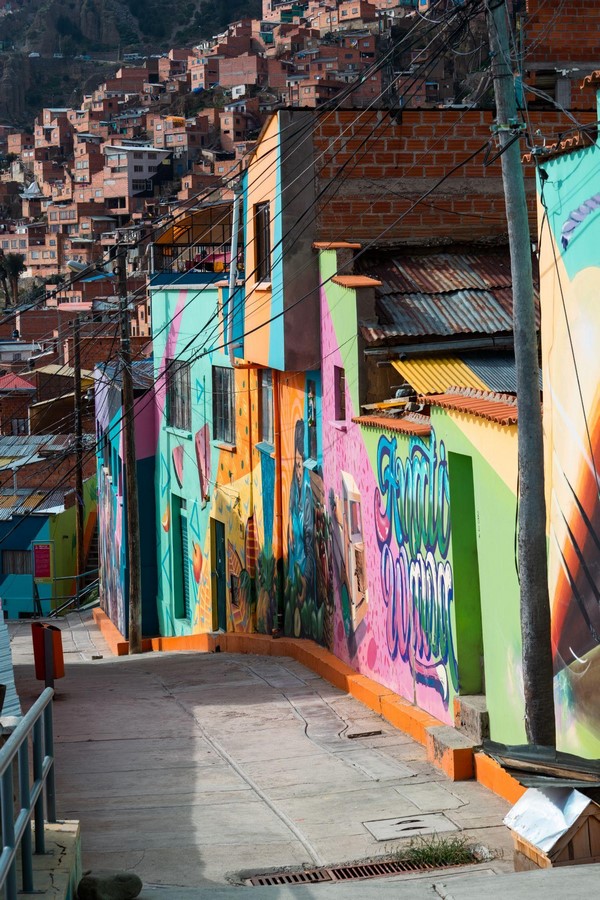
Spanish colonialism left a city with a unique blend of South American and European colonial architectural influences. La Paz is home to some of the most distinctive specimens of typical Spanish Colonial architecture that can be discovered and is also the oldest colony in South America (“The Architecture of La Paz”). One of the distinct characteristics of La Paz is its colonial architecture. The colonial architecture in La Paz, Bolivia is a fascinating fusion of indigenous and Spanish influences. The city’s historic district is characterized by winding alleyways, adobe or brick houses with carved wooden balconies, and a central plaza surrounded by significant colonial-style buildings. La Paz’s cultural character and beauty are maintained throughout modernity by attempts to conserve these old structures.
Unique Urban design pattern
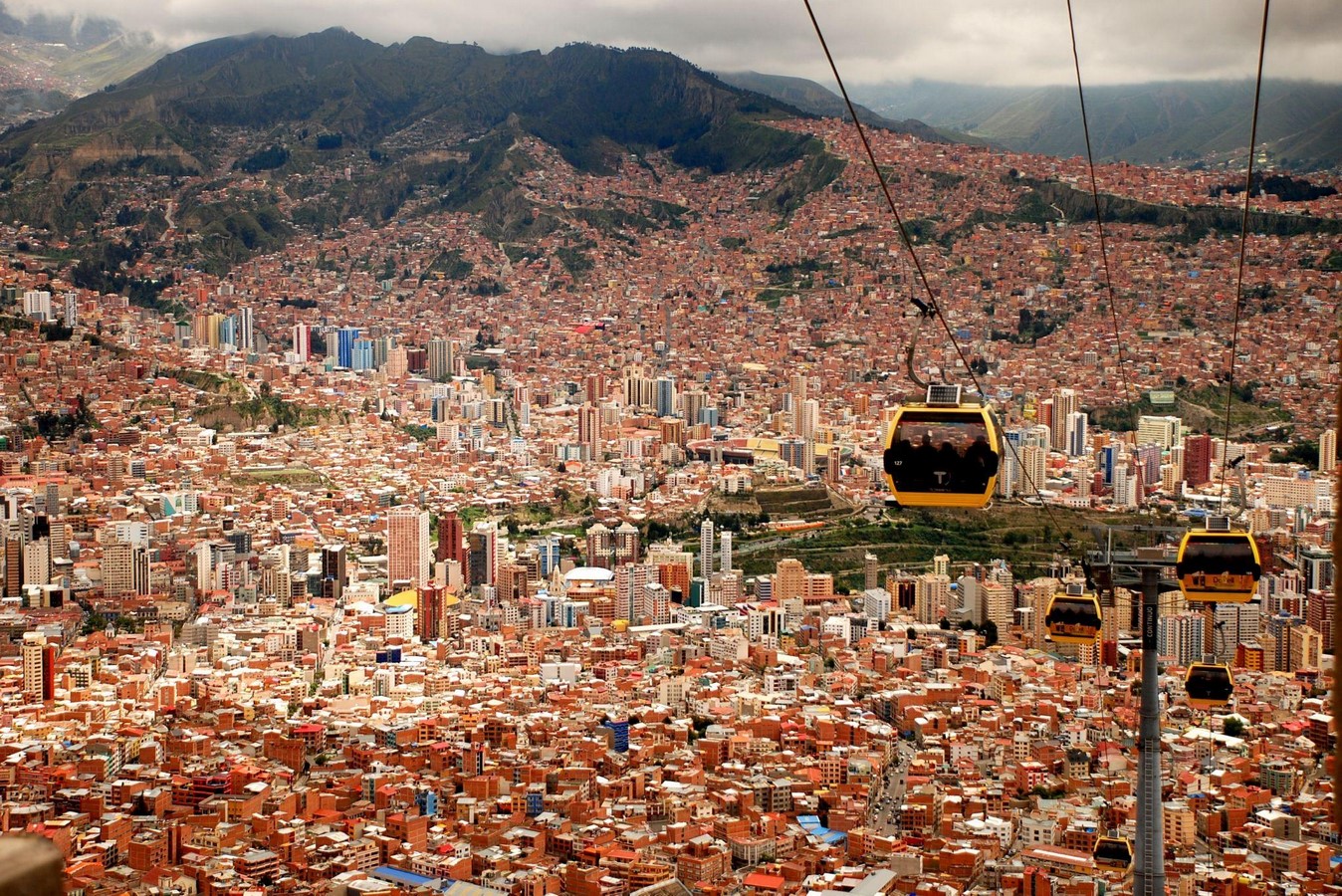
Another, intriguing feature of La Paz is its peculiar urban design pattern. Being on the hilltop, the city respected the site quite well. It is well evident that the city adopted the design in the face of difficult topographical limitations. Along with maximizing land usage, the tiered communities provide spectacular panoramic views of the city’s gorgeous surroundings to both locals and visitors. With the help of this inventive architecture, it is possible to live in harmony with the natural world and surroundings. Discovering the terraced neighborhoods of La Paz is a unique experience for travelers. Surprises may be found around every turn thanks to the twisting alleys, stairways, and cute aisles. One can’t help but be fascinated by the beauty and charm that emerge from every terrace as one travels through the city’s distinctive urban setting. The streets are surrounded by numerous heritage buildings, many of which have been declared National Monuments (“Sagarnaga Street, La Paz (must see)”).
What the Spanish colonization left behind is a city filled with an eclectic mix of European colonial and South American architectural influences. As the oldest settlement in South America, La Paz offers some of the most unique examples of traditional Spanish Colonial architecture found. Besides fascinating urban design patterns, La Paz has prominent religious architecture in the form of significant churches and cathedrals reflecting various architectural styles. Some notable religious architecture includes the Metropolitan Cathedral of La Paz and the San Francisco Church. Similarly, other urban design elements like plazas, sculptures, fountains, and green spaces are also seen abundantly which provide a restorative experience when one wants to escape away from bustling urban life.
Cultural and Social Dynamics
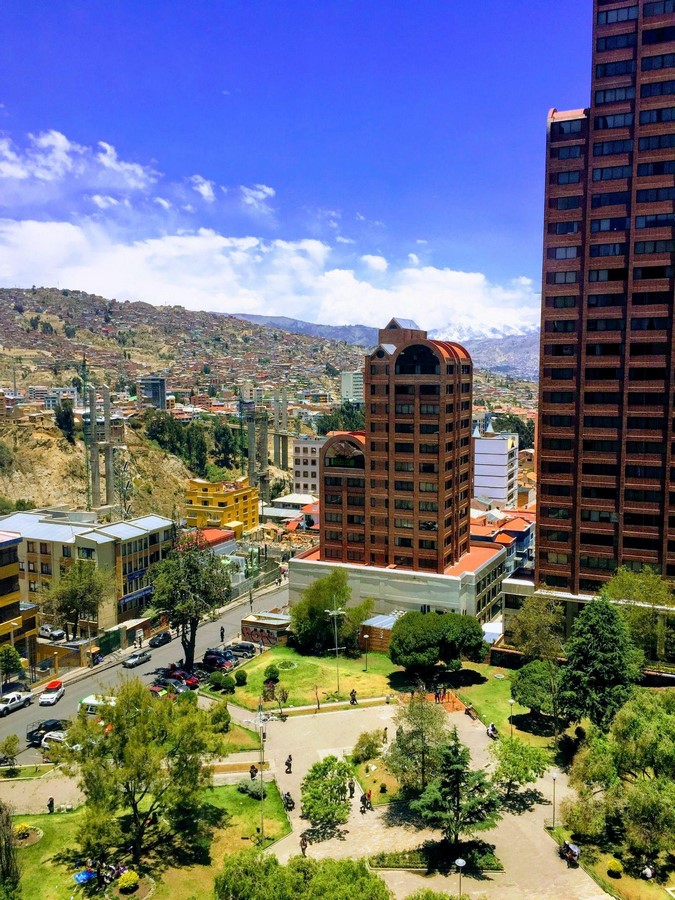
As we know, architecture is not just about the aesthetic, mere walls, plazas, and spaces but the social life affected by those spaces, the cultural significance of the spaces, and the story those spaces create. The distinctive fusion of political, social, and cultural forces that have produced the city’s built environment. Every building and structure in the city has a unique tale to tell about its long history, enduring customs, and hopes for the future.
The cultural dynamics of La Paz, Bolivia, have a significant influence on the city’s architecture because of its intimate links to the history, present, and identity of the city. La Paz is also an important cultural center of Latin America, as it hosts several landmarks belonging to colonial times, such as the San Francisco Church, the Metropolitan Cathedral, the Plaza Murillo, and Jaén Street (de Mendoza). The built environment of La Paz exhibits a diverse range of cultural influences that blend indigenous heritage, the effects of Spanish colonization, and modern representations. Historical landmarks and energetic neighborhoods in the city are two instances of this blending of cultures.
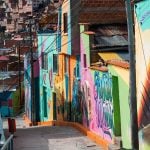
Witches’ Market, in particular, is a prime illustration of how La Paz has preserved its rich past via its use of traditional building techniques and rituals. In addition to them, the city’s cultural dynamics are maintained via festivals and festivities, art and handicraft, gastronomy, and culinary traditions. Buildings and street art that employ brilliant colors and traditional materials further accentuate the city’s cultural identity.
La Paz through the eye of political dynamics
The city’s layout and design of public spaces influence how people interact and engage with others. The same concept is reflected in La Paz’s architecture which is a clear reflection of the diversity of the inhabitants. The hierarchy of architecture from small residential areas to modern villas is a reflection of social hierarchy as well. The Plaza Murillo, on the northeastern side of the river, is the heart of the city and the site of the huge modern cathedral and government and legislative palaces (de Mendoza). The architectural environment exhibits signs of social hierarchy. While community centers and public areas work as meeting places for social gatherings and cultural activities, government buildings and large churches stand as symbols of political and religious power.
In conclusion, La Paz’s cultural dynamics are a key factor in the diversity and innovation of the city’s architecture. A rich tapestry that characterizes the city’s identity is woven by the cohabitation of indigenous heritage, Spanish colonial legacy, and contemporary cultural manifestations. La Paz’s streets allow you to observe not just the city’s stunning architecture but also the dynamic cultural energy that keeps it alive.
Works Cited:
“The Architecture of La Paz.” Thirdeyemom, 26 January 2015, https://thirdeyemom.com/2015/01/26/the-architecture-of-la-paz/. Accessed 23 July 2023.
de Mendoza, Alonso. “La Paz.” Wikipedia, https://en.wikipedia.org/wiki/La_Paz. Accessed 23 July 2023.
“La Paz | History, Bolivia, Population, Map, & Facts.” Britannica, 31 May 2023, https://www.britannica.com/place/La-Paz-Bolivia. Accessed 23 July 2023.
“Sagarnaga Street, La Paz (must see).” GPSmyCity, https://www.gpsmycity.com/attractions/sagarnaga-street-26960.html. Accessed 23 July 2023.