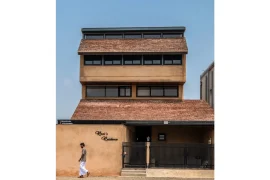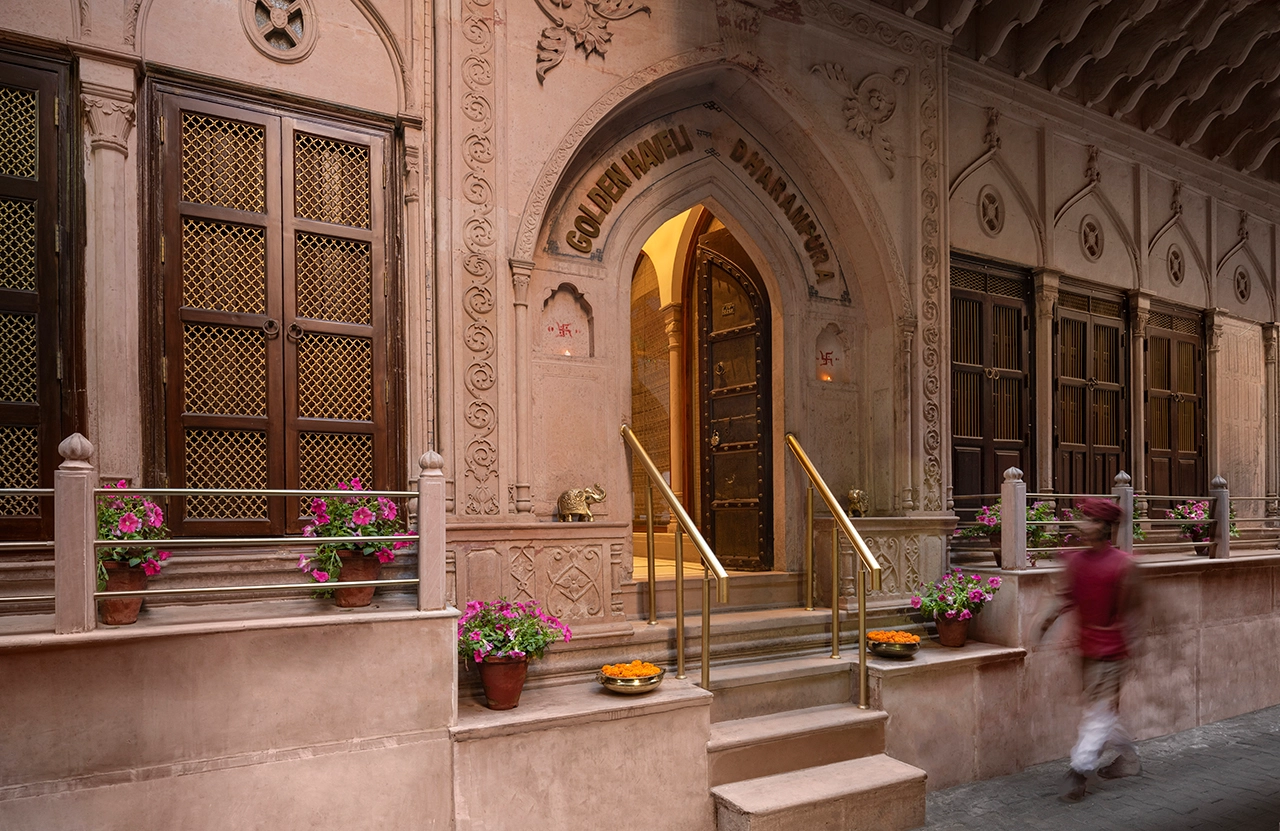
The Golden Haveli stands as a testament to the rich history and culture of Chandni
Chowk, Old Delhi. Originally designed in 1905 AD, this heritage structure has withstood
over a century of change, serving as both a residential and commercial building.
Despite decades of wear, neglect, and environmental exposure, it has now been
restored to its former glory through a meticulous conservation process led by Spaces
Architects @KA.
Project Name: Golden Haveli
Studio Name: SpacesArchitect@KA
Principal Architect: Ar. Kapil Aggarwal
Photography: Bharat Aggarwal
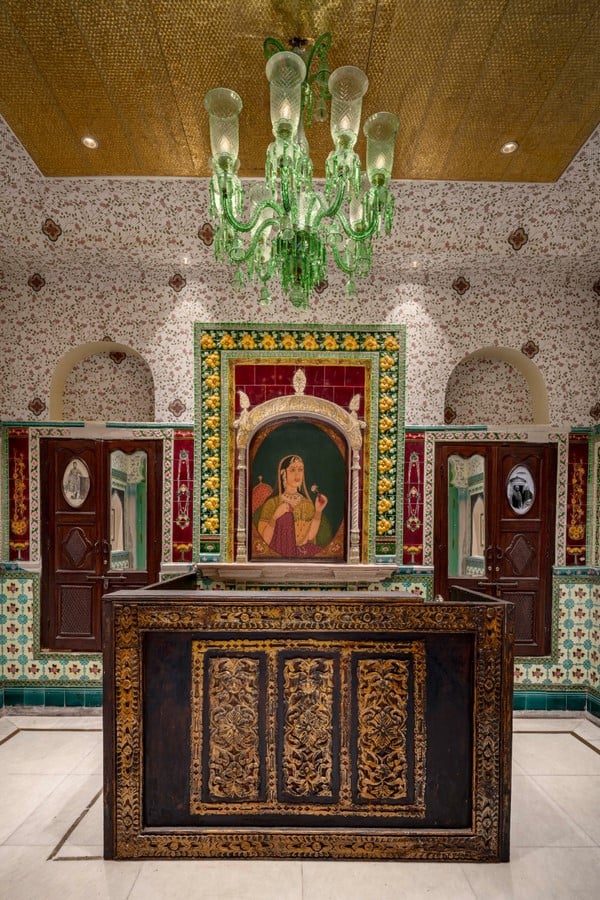
This restoration project not only safeguards a significant part of Old
Delhi’s architectural identity but also transforms the haveli into a living heritage that
bridges the past with the present.
Historical and Cultural Significance
The haveli holds immense heritage value, not only for its architectural brilliance but also
for its cultural importance. Nearly eighty years ago, it hosted Mahatma Gandhi as its
guest, adding to its historic stature. Architecturally, it represents an amalgamation of
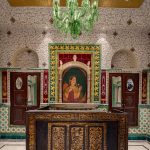
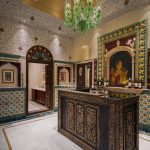
Mughal influences, showcasing exquisite stonework, intricate wooden carvings,
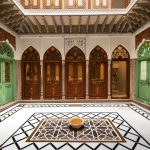
jharokhas, stained glass windows, and arched facades. The central courtyard, a
defining feature of the haveli, historically functioned as a vibrant social gathering space,
symbolizing the close-knit cultural ethos of Chandni Chowk.
Restoration Philosophy and Process
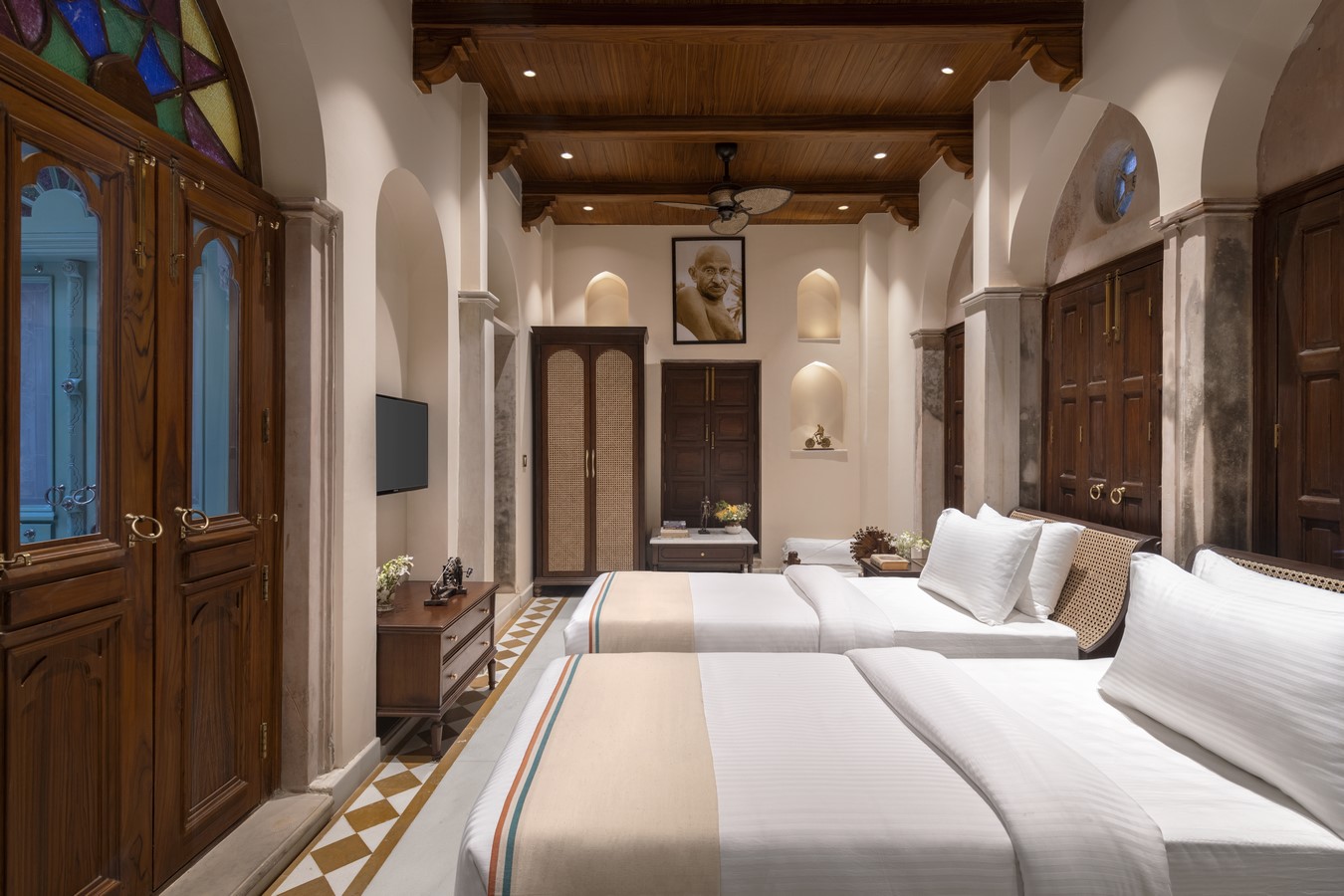
The restoration process was governed by two guiding principles: authenticity and
adaptability. Original materials and traditional craftsmanship were used to preserve the
haveli’s history, while modern interventions ensured structural safety and usability. The
three-storey building was carefully reinforced around its central courtyard, with
painstaking work on wooden doors, sandstone jaalis, arches, and columns. Every detail
was meticulously executed to retain the haveli’s original charm, while also ensuring it
could withstand the challenges of time. This approach respected the haveli’s historical
significance while subtly preparing it for continued use in the present day.
Architectural Experience After Restoration
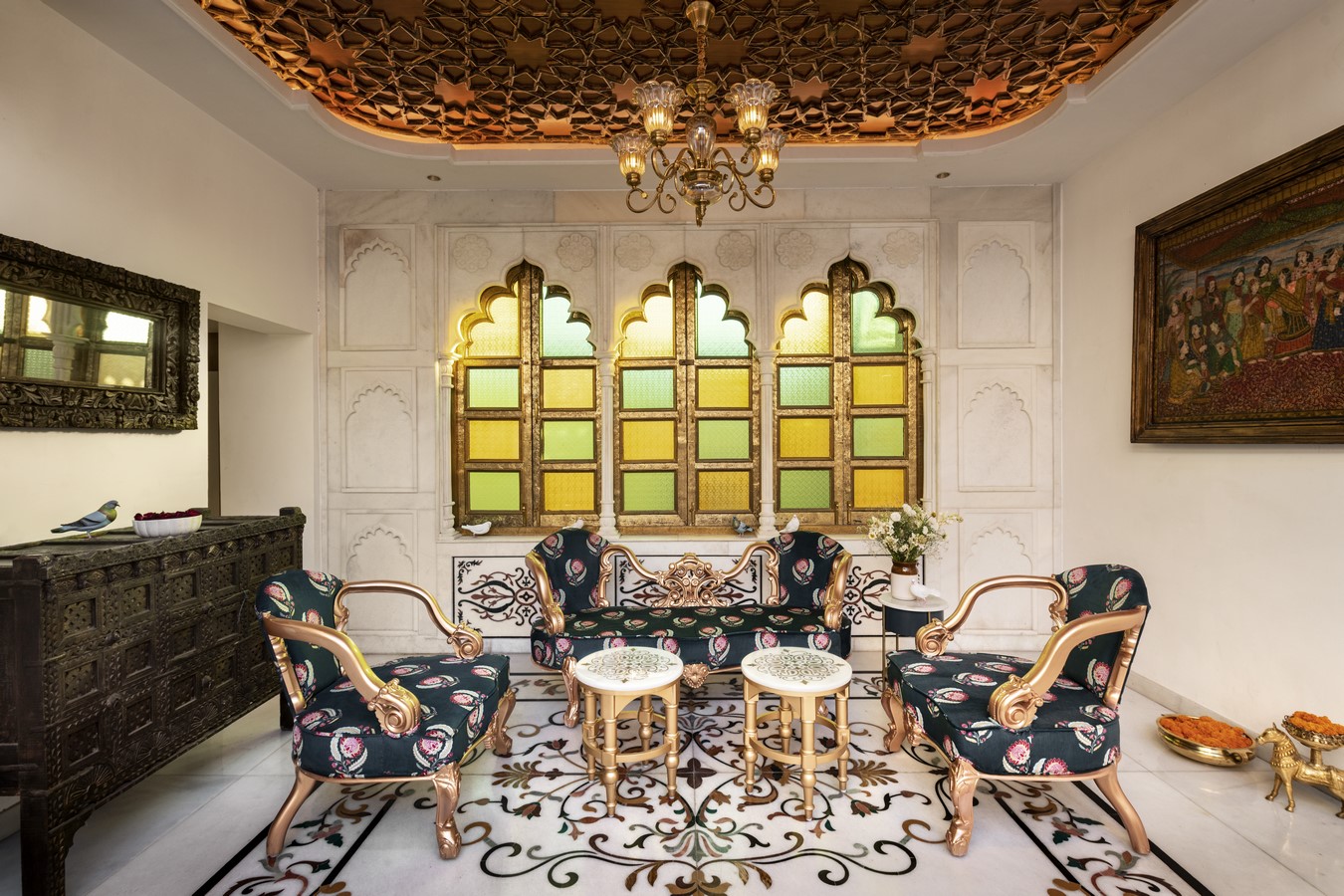
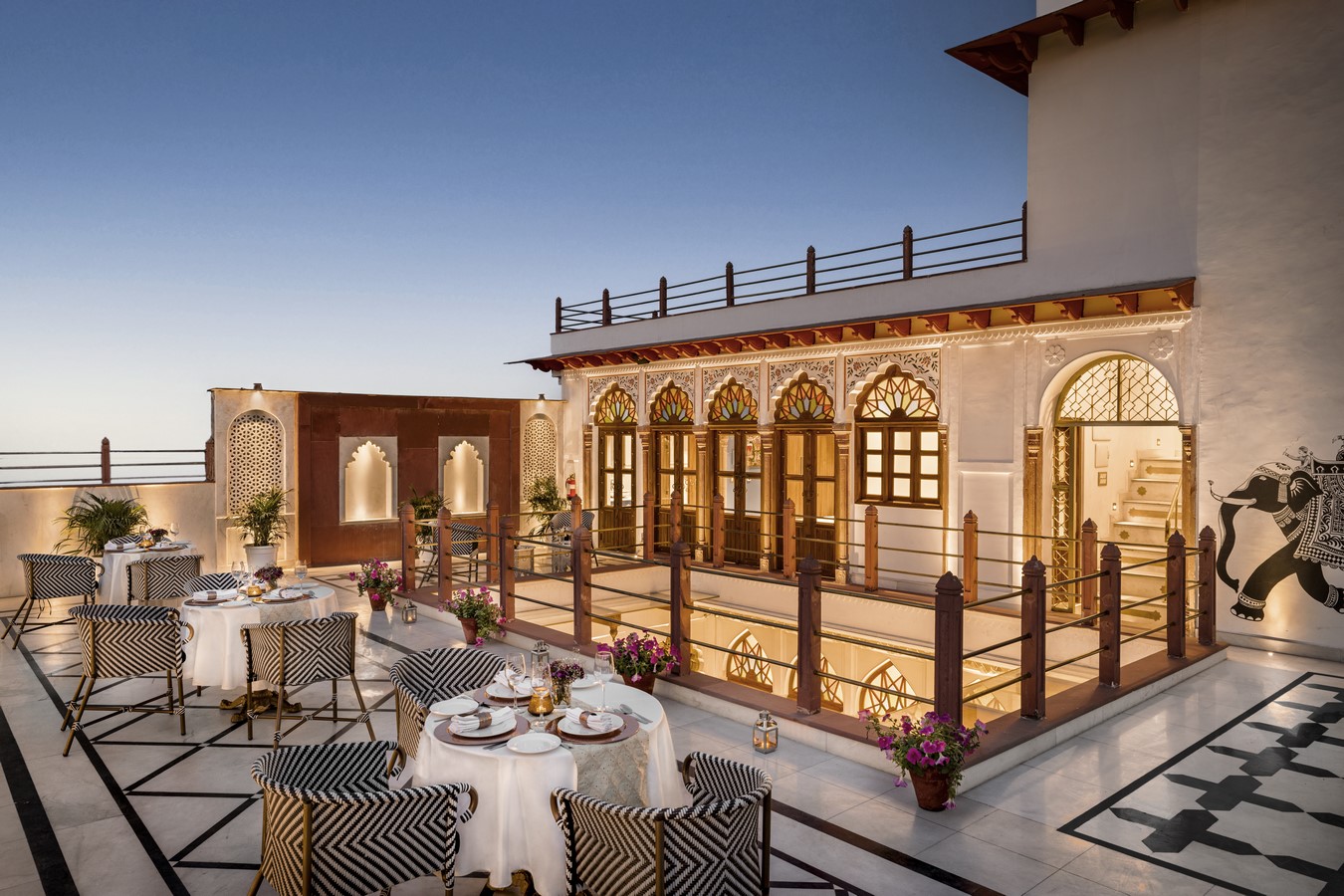
Post-restoration, the haveli has been transformed into a living heritage space. The
ground and first floors, with retail outlets, sustain the vibrant spirit of Chandni Chowk’s
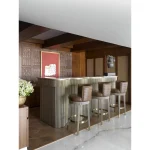
bustling market life. The second floor unfolds into a large open lounge, offering
inhabitants and visitors a place to relax and immerse themselves in the charm of Old
Delhi. From this vantage point, one can enjoy sweeping views of the narrow lanes
below, with the majestic Jama Masjid rising in the distance. The design successfully
integrates tradition with modern usability, creating an architectural balance between
memory and function.
Cultural and Urban Context
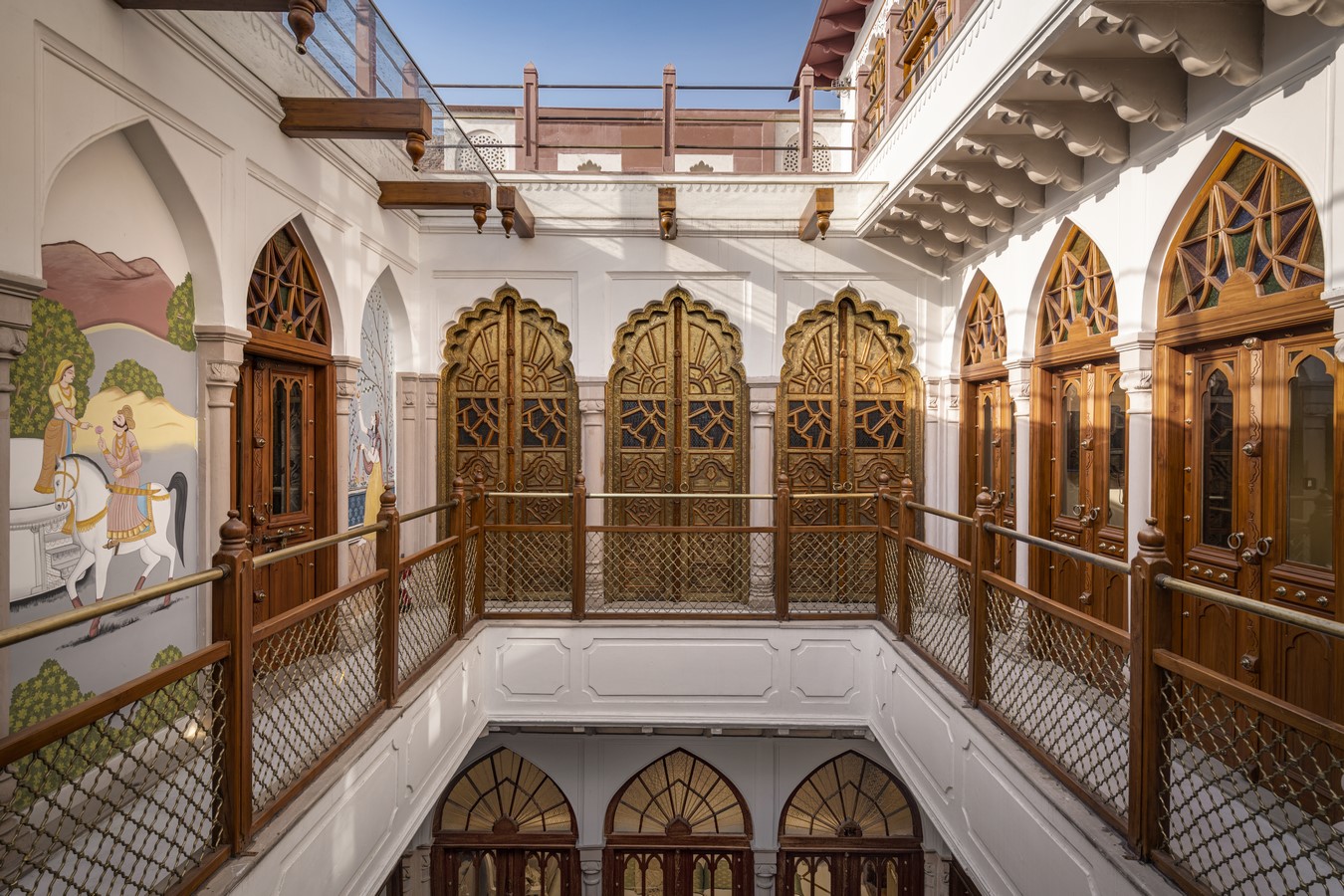
Located at the heart of Chandni Chowk, the Golden Haveli enriches both the
architectural and cultural fabric of Old Delhi. Its murals, wall paintings, and restored
facade details stand as tributes to the city’s timeless traditions. More than a restored
structure, the haveli serves as a cultural landmark and destination for heritage
exploration, reminding visitors of the perseverance of Delhi’s legacy while immersing
them in its present vibrancy.
Conclusion
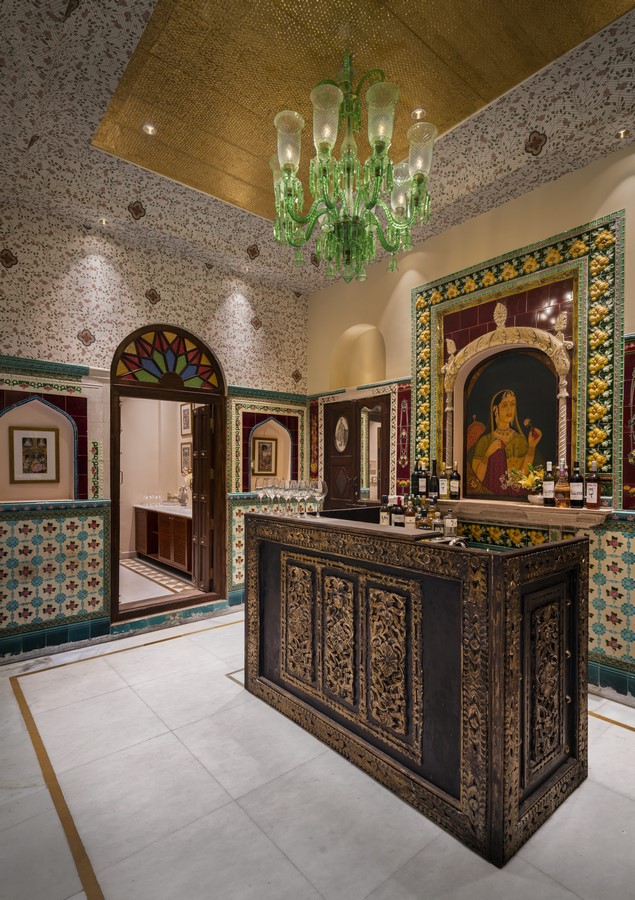
The restoration of the Golden Haveli by Spaces Architects@KA, under the vision of Ar.
Kapil Aggarwal, goes beyond mere architectural conservation. It is a cultural revival, a
tribute to Delhi’s enduring legacy, and an example of how heritage structures can be
preserved not as static relics but as dynamic, functional spaces. The project redefines
heritage conservation, emphasizing that history must not only be remembered but also
lived. The Golden Haveli of Chandni Chowk once again stands proudly as a beacon of
cultural pride, resilience, and architectural splendor.