As every architecture student knows, the architecture course is a tad different and difficult compared to others. Numerous site visits, case studies, reviews, juries, name it and you have it. Case studies can be particularly an experience by themselves due to reasons best known by architecture students.
Gearing up for the case study
A case study involves visiting the chosen location and extensively documenting the various factors required from an architecture student‘s point of view. For example, a case study visit to any housing project involves documenting the site area, topography, climate, site context, housing typologies, type of residents, the spatial arrangement of building blocks, materials, mass and void, building envelope, community spaces, the hierarchy of spaces and whatnot.
During my third semester, one such case study visit was to Thumbenahalli. It is a tiny village on the outskirts of Bangalore, basically at the heart of nowhere. It was a case study where we were to study the organic housing settlement of that place. So, off we left our college, forty of us with four lecturers, on a cold February morning. Everyone slept in the bus en route, thanks to the previous sleepless night, spent drafting a truss plate for building construction.
Operation case study
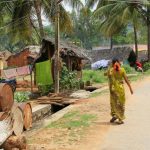
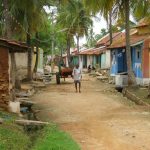
After an hour and a hundred yawns, we finally reached our destination. Thumbenahalli is a typical village with around 150 homes that have cropped up organically as the outskirts of Bangalore expanded over the years. It was a scene with thatched roof houses, cowsheds, drainage lines running in the open, goats, hens, and cows wandering about, and women engaged in washing clothes outside their homes.
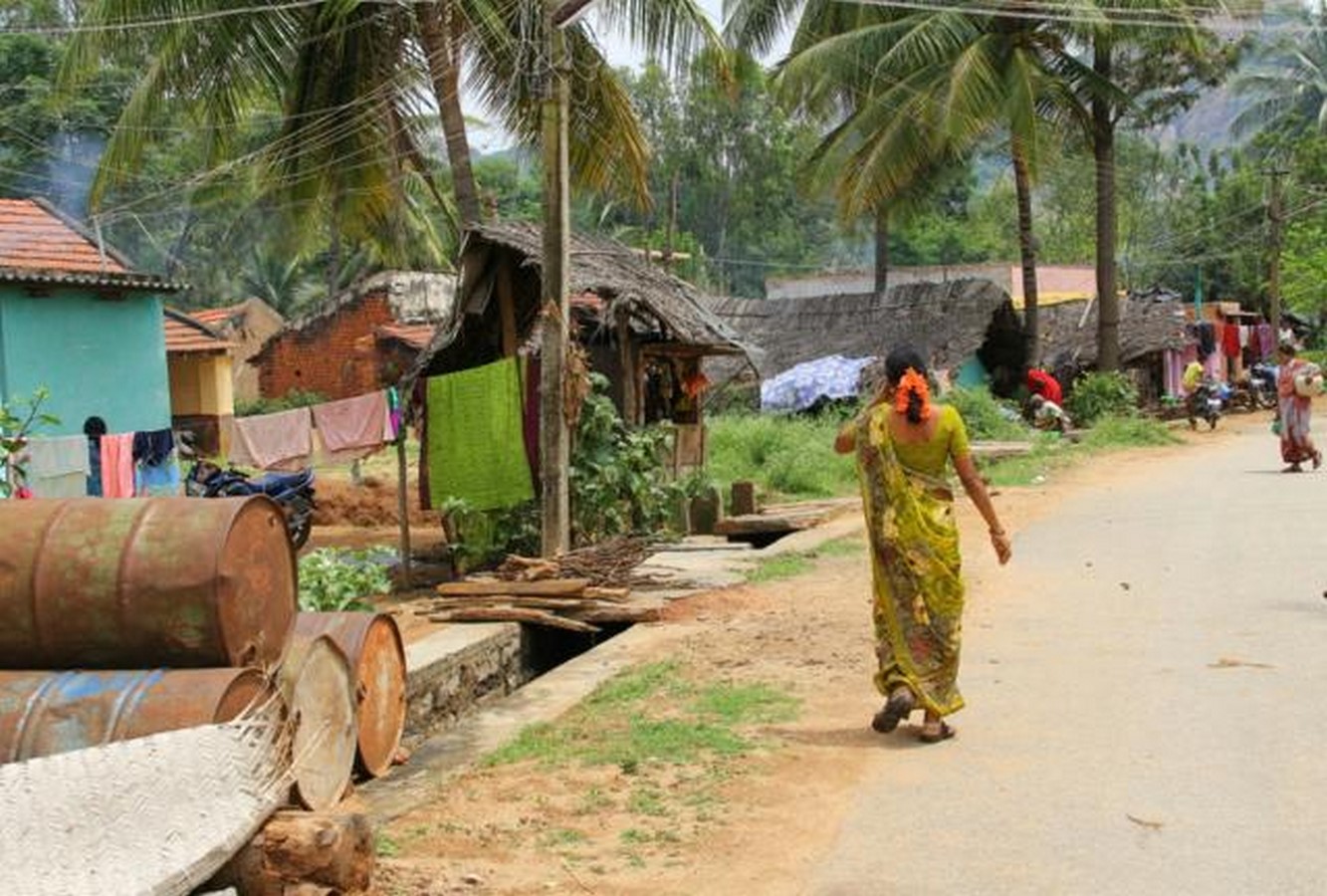
We certainly did not belong there with our jeans and sneakers, in complete contrast to the wrinkled cotton sarees and multi-colored lungis worn by the locals. As we grunted and grumbled in the hot sun, our lecturers divided us into groups of five and assigned a street to each team. It was to be surveyed and documented in detail.
Operation case study had been launched. The five of us got down to the street, literally. We measured every aspect possible and noted everything down. One of us clicked pictures simultaneously.
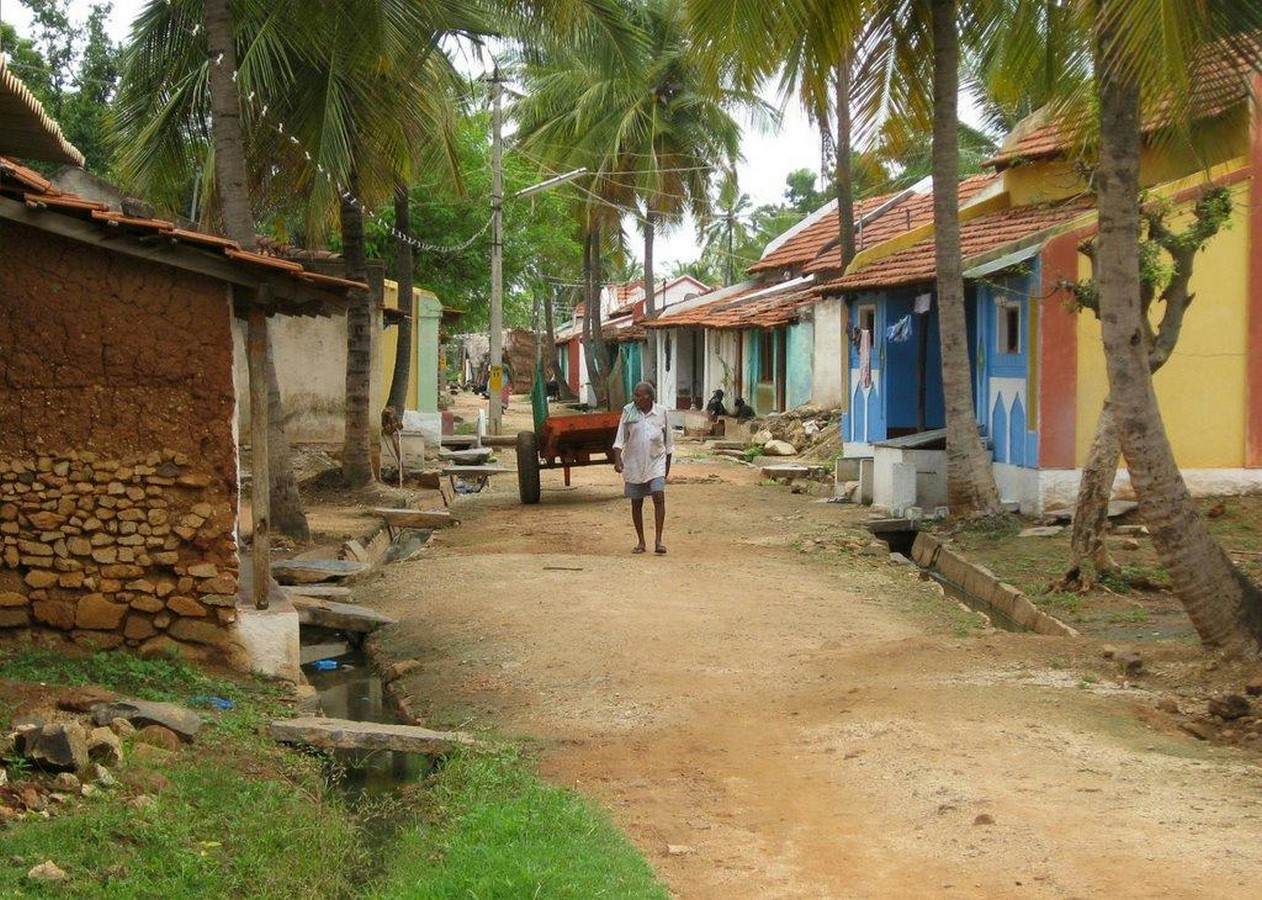
The women watched us curiously and I could hear some of their remarks:
‘Maybe they are widening the roads’
‘Do girls also work as contractors these days?’
‘Why are they doing this job wearing such nice clothes?!’
Moreover, a gang of kids, around 7-8 years old, came up to us and showered us with another set of questions:
‘Are you making a movie?’
‘Can we also act?’
‘Shall I act like Dr. Rajkumar and show you?’
I was tempted to say yes to the last question but thought the better of it. We had other work to do. Somehow, we convinced them that we were not filmmakers, very much to the disappointment of the kids.
Interaction
After we were done with the street part of the case study, we had to talk to people from each house and make a record of the socio-cultural aspect of their lifestyle. The first house on the street was a small one in shackles with a rickety door that could collapse on you any moment. We knocked on the door carefully, afraid that the thing may fall on us. An old man with tattered clothes and a toothless mouth opened the door. We informed him that we were college students and wanted to conduct a short survey.
‘No need! You just come and go, nothing has been changed here!’ he said loudly in the local language and shut the door on our faces. We stood befuddled, rooted to the spot. Seconds later, we recovered. The man thought we were government surveyors. I thought of knocking on the door again and explaining it to him. But I refrained from doing so since I was sure that the dude would not appreciate being disturbed again. We proceeded to the next house. People at the other houses were thankfully friendly and patiently answered our questions. But we had to face certain insightful questions from them which included:
‘Are you constructing new houses for us?’
‘Can you get our roof fixed?’
‘You are students? You don’t study books?’
‘Oh! You girls are building engineers?’
‘Can you see why rainwater seeps into the walls?’
Somehow, we finished speaking to people from each house.
Climax!
Now came the climax of our case study. We had to document any one house in detail concerning its spatial hierarchy of spaces and its sizes. After much debating, we chose to approach the third house on the street. It was a modest one with a cattle shed adjoining it.
The people were extremely friendly, especially the old lady of the house, who treated us to delicious snacks and lime juice. They watched us with utmost interest as we frittered about the house, intensively measuring every room. The lady took us to the cattle shed where we encountered four huge creatures which stood motionless, occasionally wagging their long tails and staring into nothingness.
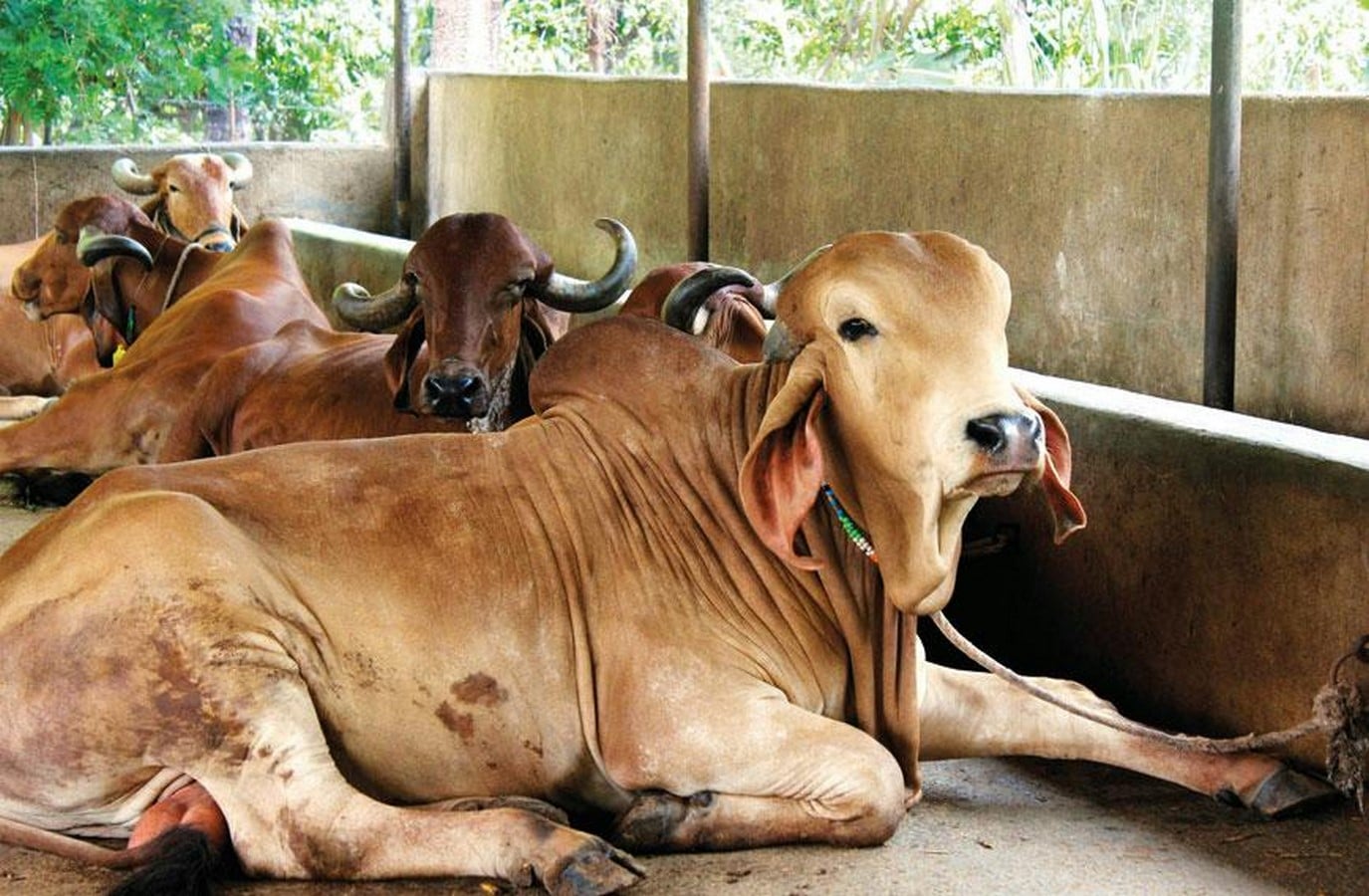
The bovines were not pleased with the five of us invading their personal space. We had a harrowing time measuring the place as we couldn’t sneak anywhere close to them. We feared that they would lift their leg or tail and let loose any moment.
Fifteen minutes later, operation case study came to an end. We thanked them profusely and were about to leave when the old lady asked,
‘Won’t you click our photos?’
We were flabbergasted as we stared at her open-mouthed.
‘You girls are from a newspaper company right?’ she asked innocently.
She continued speaking but we had already stopped listening. The old lady had not heard us say we were students or maybe not understood in the first place. She presumed we were writing an article about her house or something of that sort. We decided to back off since explaining the reality to her would be a cumbersome process indeed.
‘Uh…yes yes…We have to leave now. Thank you’ I mumbled and we rushed out of the house. After we were at a safe distance from them, we broke into uncontrollable gasps of laughter.
‘Engineer, contractor, journalists, filmmakers, government surveyors, and whatnot! We became all these today, except for what we are, “Architecture Students” ‘ my friend air quoted the last two words.
Well, she couldn’t have been more precise.
As we approached our bus to head back home, our lecturer asked,
‘The case study went normal?’
‘Yes ma’am’ I replied and continued under my breath,
‘We are architecture students, weird is our normal!’