Architecture is the amalgamation of human interactions within themselves and with the built environment. It arises and evolves as society changes with changing needs. As civilisation arose back in the day, what started with mutual dependence has now evolved to hyper-independence and isolation. Amenities and accessibility to the same are on the rise, but with faltering by-products. Real-life interactions have condensed into reel interactions via likes and shares. The earthy Bazaars have been replaced with the tall malls, and the Angans have been replaced with apartment community halls. The casual discussions about politics, culture and the crumbling economy at the nook tea stall have moved to Discord and Reddit. The chance encounters at the local shops have moved to algorithmic suggestions on Instagram.
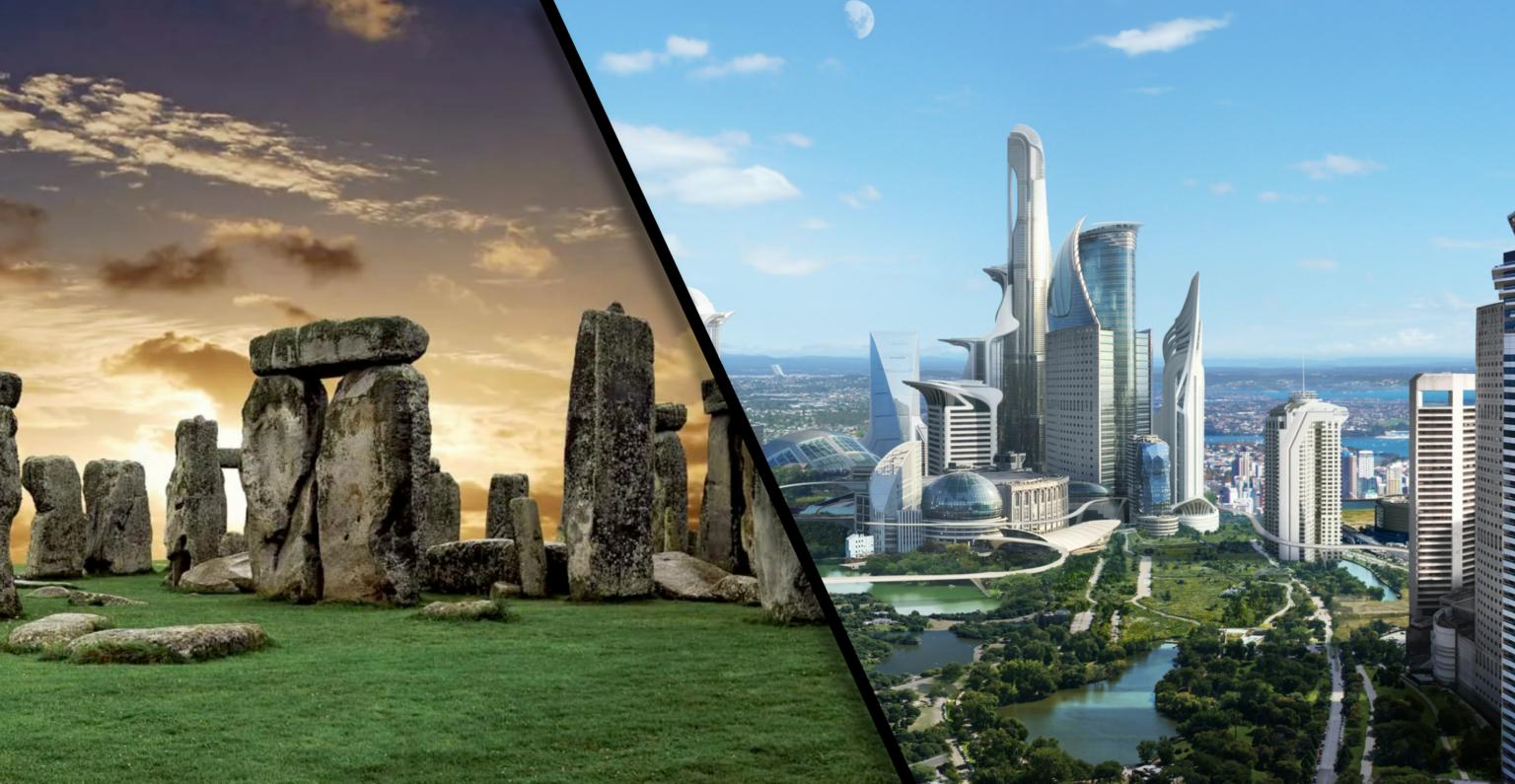
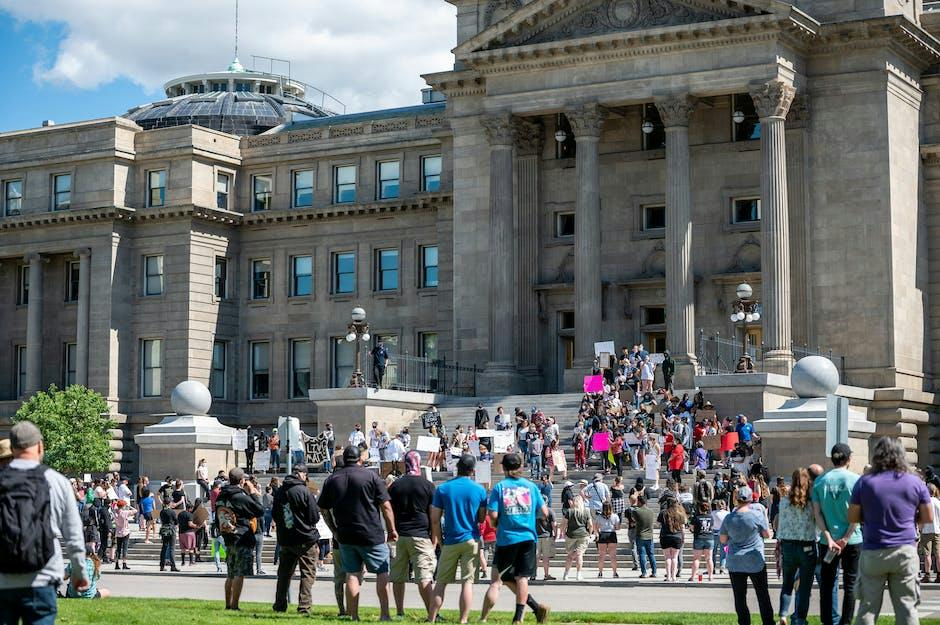
During the earliest of times, people were co-dependent; they lived together, thus shelters were not separated but combined. As we evolved strata, the ruling class, the working class and the lower class came about, giving categorisation. But despite this categorisation, the people in each category lived together; workspaces and homes were together, spaces had not yet been divided as per occupation, but rather societal sections, though the higher your level in society, the better your living conditions. The upper classes had their own forms of community engagements, which gave rise to many ceremonial places, like the palaces, special auditoriums, etc. While the upper classes enjoyed benevolence, the lower classes also found solace in community engagement in Bazaars or city centres. A sense of co-dependency always followed. In the current times, what we see is hyper-independence, which has yet again translated into the manifested built environment. The Pols or the Mohallas, where families used to share walls and yards, have now been replaced by hyper-privacy. The soundproof walls not only keep away the impending conversations in a society but also further the isolation that one feels in the current day and age. In spite of the furthering divides, there’s a growing global recognition of public spaces being for everyone equally. The political and social priorities have shifted from appealing to only a select few to striving to include all bodies, all genders and all abilities.
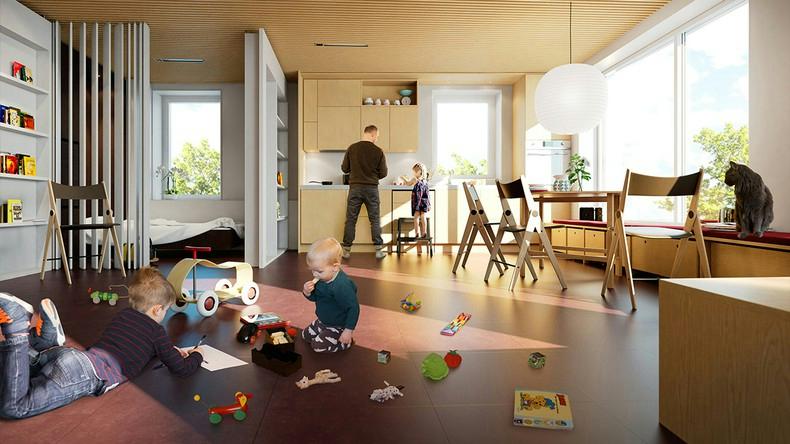
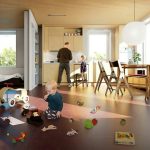
As society evolves, there is a rigorous focus on capitalistic gains because monetary positions do depict one’s societal position. Time has quite literally become money; for people to have more disposable income, they sacrifice their disposable time. Regardless, as society adapts, architecture and spaces respond to the new requirements of society. Toddlers are now dropped off and cared for at daycares, while older children are learning at schools and extracurricular classes, and the grandparents are at the old-age homes, as the working generation is busy after their nine-to-fives. The house and the family life are more compromised than ever before. The living rooms and the dining rooms are getting smaller, while individual rooms become larger. The interactions are more between co-workers and peers than within families. Institutional developments like campuses and offices are thus all the rage nowadays. The older development pattern involved work environments coming up around residential areas, but the tables have turned since the 19th century, and now emerging industries of a region determine the residential population.
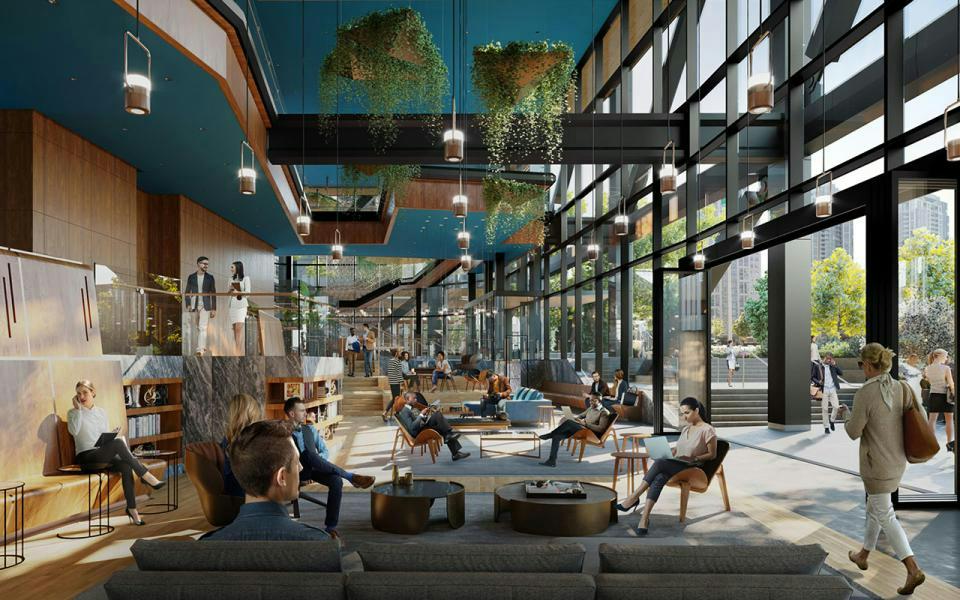
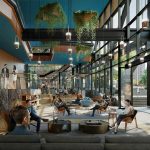
Along with changing homes and residences, we witness the demise of third places. The bustling Bazaars have been replaced with deliveries at your doorsteps, the parks that once echoed with cheers and celebrations lie empty, as their potential occupants sit in the confines of their homes, glued to screens. This disappearance of third places has been incurred mainly by the various technological advances, as well as the rising hyper-fixated work culture. While we have had evasively ground-breaking discoveries in terms of healthcare and wellbeing, it has come at the cost of the earlier concept of community. The very absence of which newer businesses are trying to fill. Online streaming platforms have left the Cinemas empty, real conversations and arguments have become reel social media wars and debacles. Nonetheless, the need for human connection remains uniform, but the means have changed. The lack of real-life social interactions has paved the way for online dating platforms and multiplayer games. Teenager hangouts are now about video games and reels. As the idea of community changes, the incorporation of the same in spaces also changes. Urban design is implementing community engagement in the form of co-working hubs in the offices, silent public libraries in busy bustling streets and new innovative urban commons as the urban context changes. Public spaces are becoming hybrid in nature, be it community cafes hosting online workshops or libraries providing digital access to books.
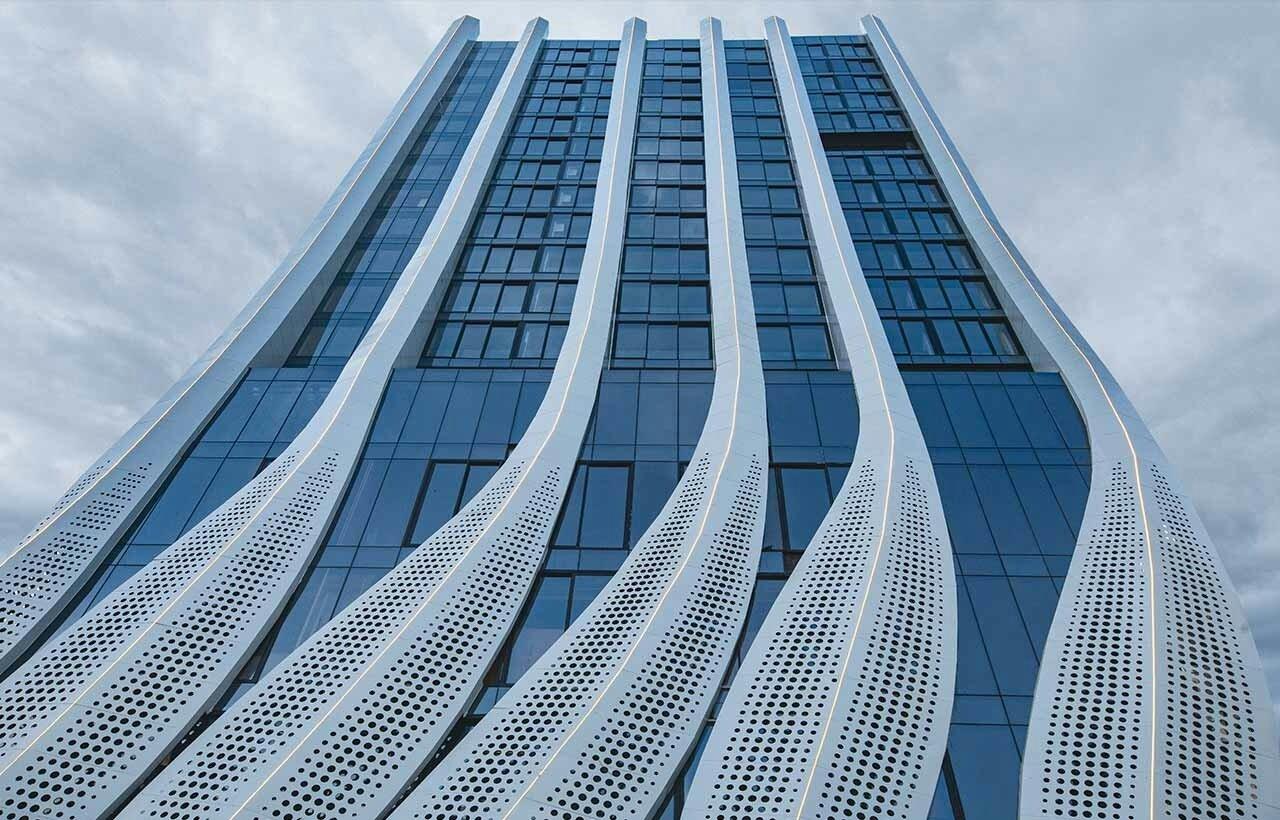
The online aesthetic demand has crept into cafe and restaurant decor; places to enjoy food now must be curated for the selfies. The sudden influx of exposure has also led most contemporary global architecture to base itself on trends. Which is ironic, given the current movement of sustainability. Changing aesthetics and trends have led people to reach out for new more frequently. This has translated into design, be it clothing or buildings. As fast fashion booms, construction is also at an all-time high. People are renovating their homes and offices, not because they are not functional, but because they no longer fit the online trends. Nonetheless, architecture continues to evolve as a mirror to human priorities. With fleeting trends, the digital media has made design knowledge more accessible and democratized. The global paradigm is fueled with ideas of sustainability, inclusivity and contextualisation. There is a global exchange of ideas and thoughts like never before, and architecture is now balancing global innovation and deep-rooted contextual implementation in the form of adaptive reuse of abandoned old structures to community-focused inclusive urban planning. With current furthering societal divides, architecture can be the bridge of connectivity and resilience, if done mindfully.
1.Articles
- Habraken, N. J. (2000). The Structure of the Ordinary: Form and Control in the Built Environment. Environment and Behavior Journal, 32(5), pp. 529–553. Available at: https://journals.sagepub.com/home/eab [Accessed: 6 October 2025].
- Gehl, J. (2011). Life Between Buildings: Using Public Space. Architectural Research Quarterly, 15(2), pp. 50–59. Available at: https://www.cambridge.org/core/journals/architectural-research-quarterly [Accessed: 6 October 2025].
- Jacobs, J. (1961). The Death and Life of Great American Cities. Journal of Urban History, 12(3), pp. 47–62. Available at: https://journals.sagepub.com/home/juh [Accessed: 6 October 2025].
- Oldenburg, R. (1999). The Great Good Place: Cafes, Coffee Shops, Bookstores, Bars, Hair Salons and Other Hangouts at the Heart of a Community. Sociological Perspectives, 42(4), pp. 517–531. Available at: https://journals.sagepub.com/home/spx [Accessed: 6 October 2025].
2. Online Sources
- ArchDaily (2023). How Architecture Reflects Society’s Values and Aspirations. [online]. (Last updated 10 November 2023). Available at: https://www.archdaily.com/1007681/how-architecture-reflects-societys-values [Accessed date: 6/October/2025].
- World Architecture Community (2022). The Role of Architecture in Shaping Human Interaction. [online]. (Last updated 5 December 2022). Available at: https://worldarchitecture.org/article/architecture-human-interaction.html [Accessed date: 6/October/2025].
- UN-Habitat (2023). The Value of Public Spaces in Urban Development. [online]. (Last updated 18 May 2023). Available at: https://unhabitat.org/the-value-of-public-spaces-in-urban-development [Accessed date: 6/October/2025].
- Dezeen (2024). Social Architecture: How Design Encourages Community Interaction. [online]. (Last updated 7 February 2024). Available at https://www.dezeen.com/social-architecture-community [Accessed date: 6/October/2025].