Many young people walk into architecture school with big dreams. Maybe it is the idea of designing something iconic like the organic forms of Frank Lloyd Wright, or just the excitement of creating eye-catching buildings from scratch. Some are passionate about sketching; others are drawn to the beautiful structures they have seen in magazines. A few believe architecture leads to quick wealth and an easy lifestyle—a myth far from the daily realities of the profession. As time passes, this initial enthusiasm is tested and refined through a rigorous academic and practical journey. In most cases, this experience is layered with challenges and growth. Architecture school teaches more than design, it trains your mind in critical thinking, teamwork, and resilience.

Drawing Skills Are Just the Start
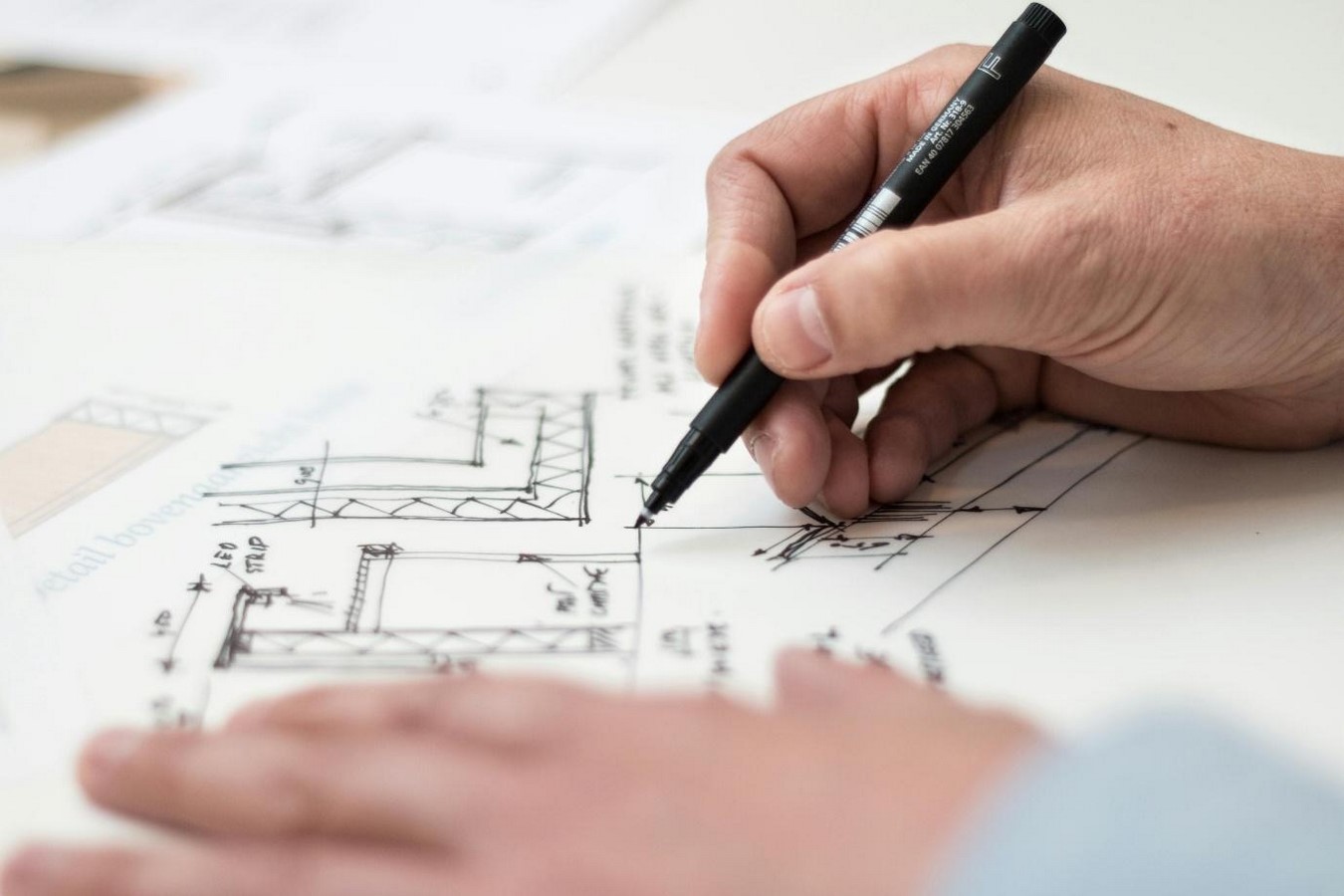
A common assumption: If you are good at sketching, you will breeze through architecture school. This is a false positive. The Studio life humbles everyone. A good drawing skill might help, but design is about solving real problems—not just making things look nice or aesthetically pleasing. Soon enough, you are staying up late, facing criticism from instructors, and reworking designs you thought were good, over and over. And you learn fast that architecture is not a solo game. You may arrive with talent, but you leave with interpersonal discipline.
How Studio Life Shapes You
At the start, it is easy to feel like everyone else is ahead. It can be isolating, especially when you are unsure of yourself. But in architecture school, isolation is a TRAP.
Real progress comes from showing up, asking questions, and learning with others.
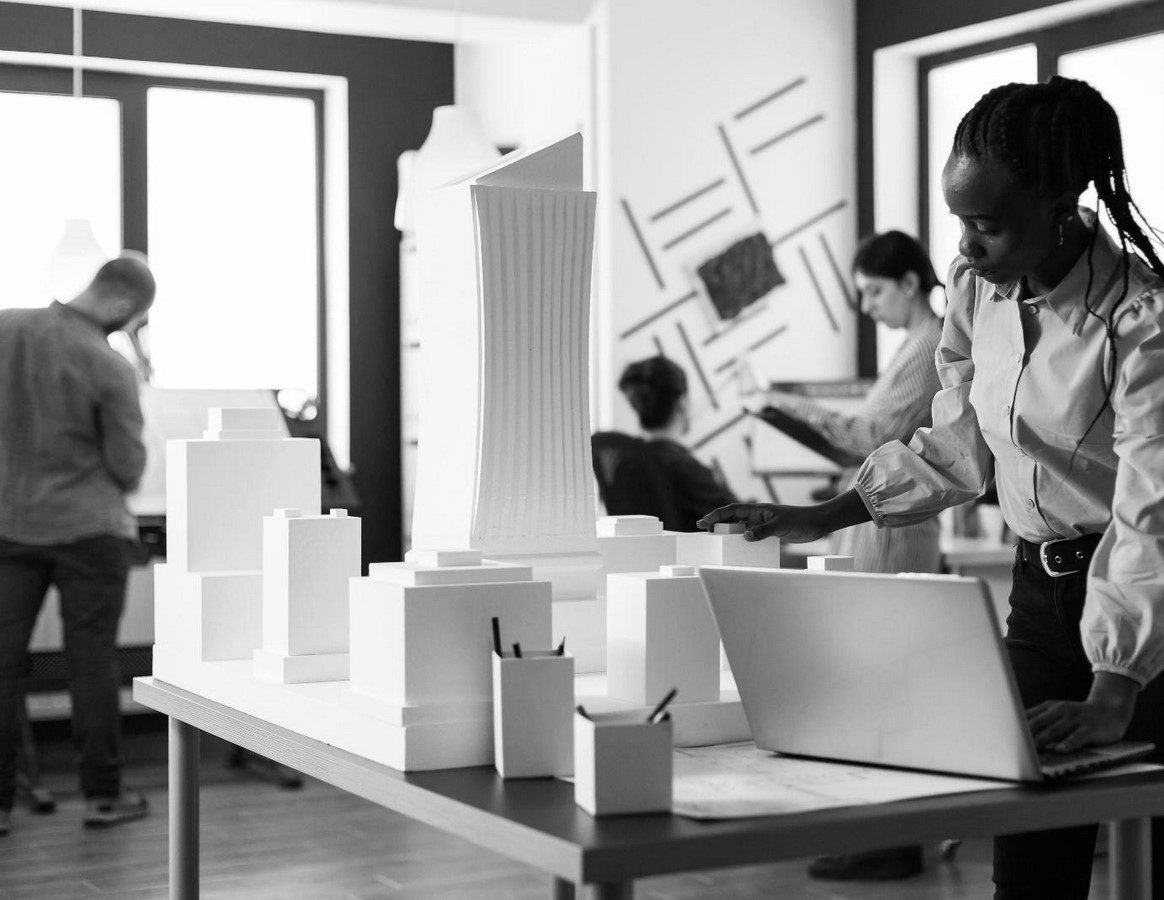
Your studio mates might be the first people to criticise your work—and oddly, that is a good thing. The bonds you form through sleepless nights and chaotic deadlines make you sharper and better at listening to feedback. It is that kind of teamwork you do not even see happening until you are in the middle of it.
The Discipline of Deadlines
One lesson everyone learns the hard way: leaving things till the last minute.
That model you thought would take an hour? It eats your whole night. The rendering you thought was just a click away? It might crash right before the end—especially if your system is not built for the load. Even with a good GPU, waiting until the red minute is risky.
Eventually, good students understand that starting early can make projects easier; one done is one less worry.
Critique as Catalyst
At first, critique days are terrifying. There’s nothing quite like standing in front of your lecturers and studio mates, explaining a design you spent days on. You stand there, heart pounding, presenting your work only to hear it unravel.
The truth is, it stings hard at first. But over time, you build armour. Not by hiding but by learning. Learning to listen better, explain clearer, and revise smarter.
More importantly, this process helps students develop mental toughness—the ability to remain calm under pressure and recover from failure. This resilience doesn’t just help in architecture. It bleeds into life. From job interviews to business pitches, from visa queues to career detours. Those who survive architecture school often find that few things intimidate them the same way again.
Critique helps sharpen design intent. Architecture students learn that their ideas are not sacred but subjective. Ideas can be tested, torn apart, and rebuilt.
Self-Motivation and Rewards
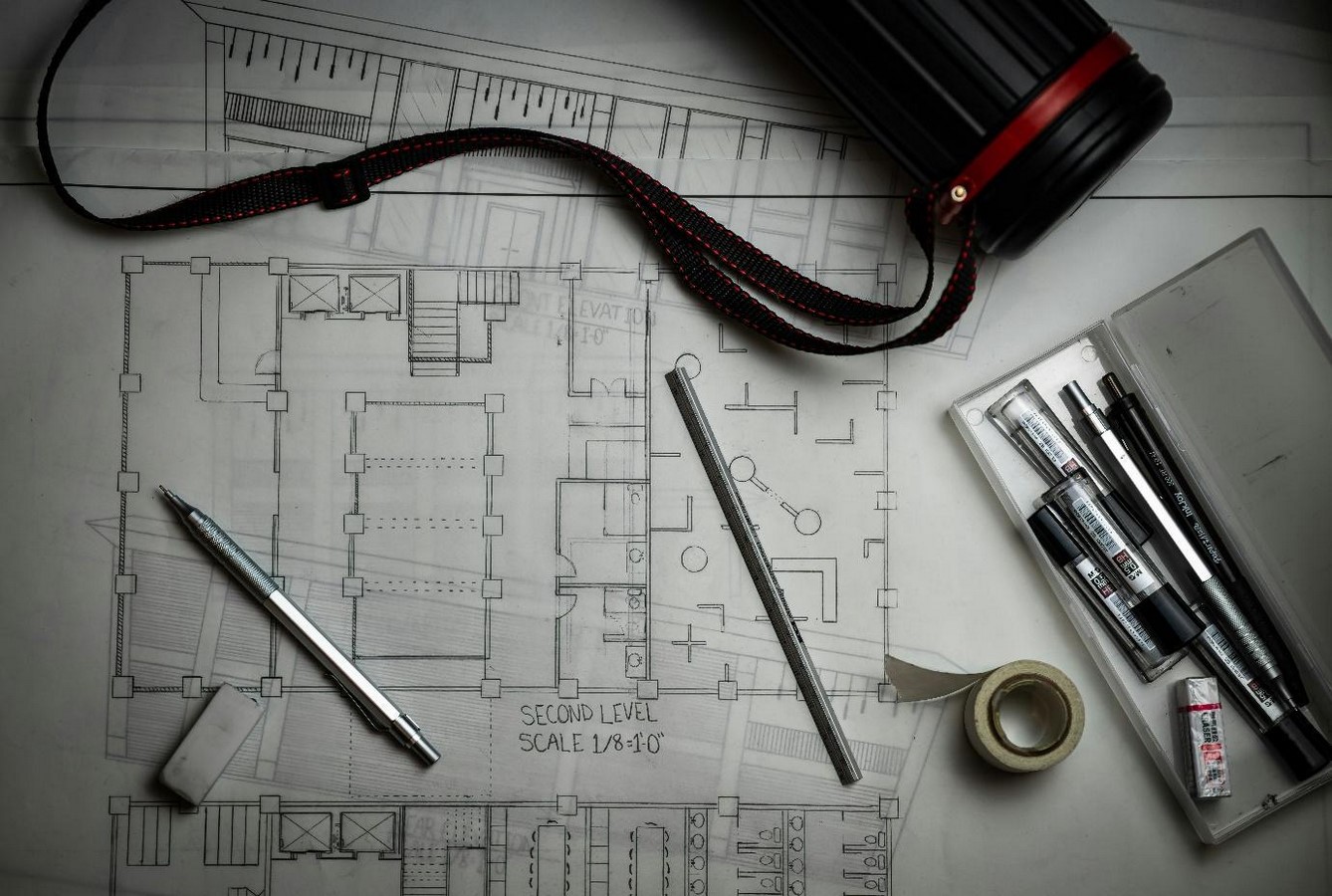
No one claps for you after an all-nighter. In architecture school, motivation must be self-driven. To stay motivated, students may reward themselves with snacks after studying, or a movie night after submitting a project. These transactional rewards keep morale up.
But beyond those small wins, something bigger kicks in: discipline. You do not just rely on motivation. You build the structure for a long-term transformation and you continue showing up because you have trained yourself to keep going.
Observation and Environmental Awareness
As an architecture student, one shift is that you begin noticing buildings everywhere—like really seeing them. A stroll through your city turns into a mental question and answer: “Why did they use that window style?” “Why is the roof shaped like that?” That observational skill becomes second nature (the sixth sense). Not just good for design, it changes how you experience the environment.
This critic’s eye is an invaluable skill and thus it builds environmental sensitivity in students.


Beyond School: Self-Development and Mentorship
While the academic curriculum is vital, students who flourish are often those who invest in themselves outside it. Those who attend webinars, follow architecture blogs, build portfolios, sketch constantly, and explore software.
Mentorship too is crucial. Sometimes it’s a final-year student or a practising architect who mentors you through. Whether it’s a senior student or someone experienced, having someone to guide you always makes a world of difference.

Final Thought
Architecture school is a valley of experiences. It stretches you in every direction, mentally and emotionally. You come in with a pencil and a dream; you leave with a sharper mind and a deeper vision. What you learn goes way beyond drawings, it is about seeing yourself differently.
These lessons often extend far beyond the walls of the studio—they prepare you for the real world where not just skills, but vision and adaptability are essentials.
References:
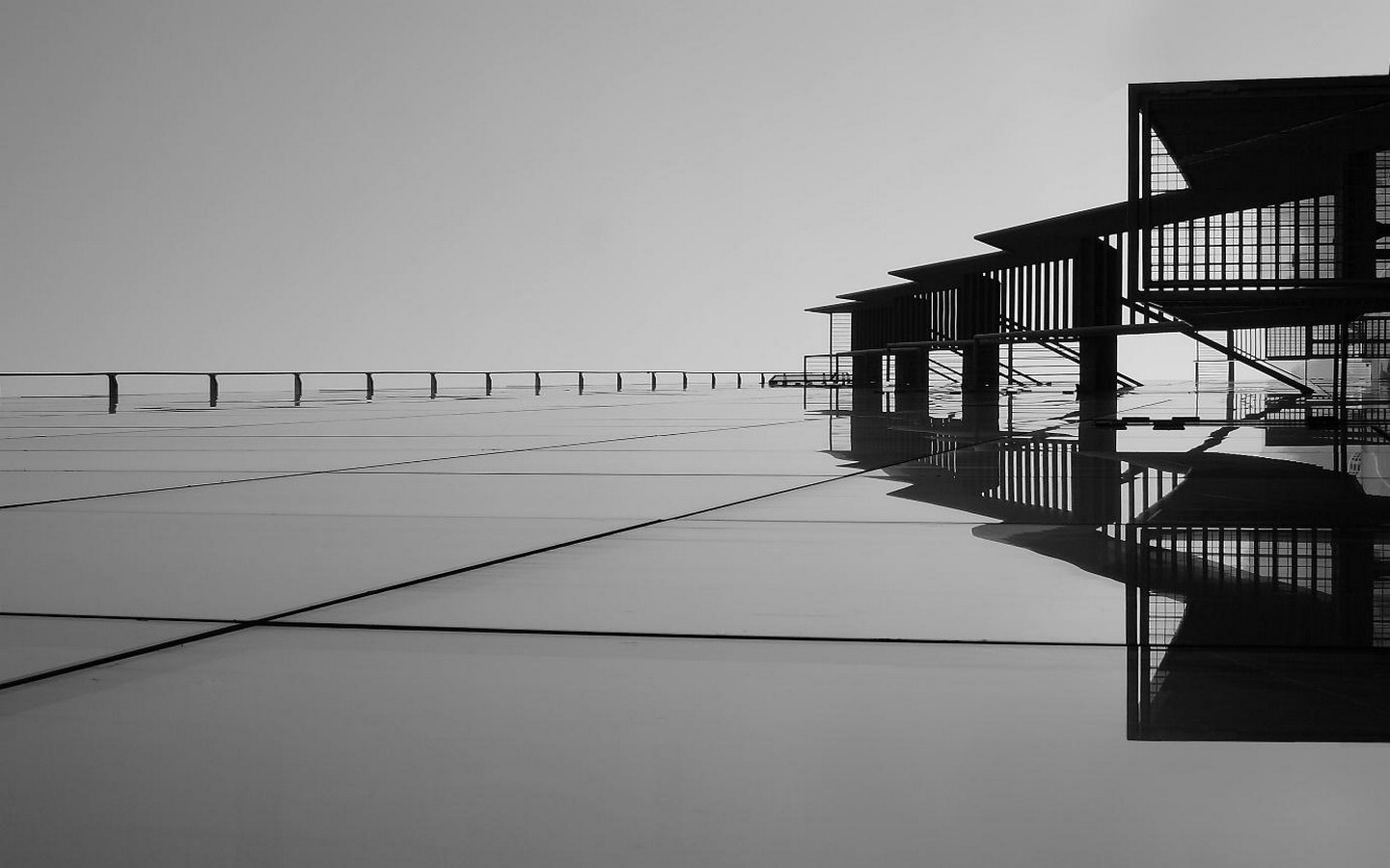
Grayscale photography of bridge · free stock photo
https://www.pexels.com/photo/abstract-architecture-black-and-white-boardwalk-262367/
Frank Lloyd Wright. Original image from Wikipedia. https://en.wikipedia.org/wiki/Frank_Lloyd_Wright. Text art design by Peace Ogunjemilua.
Photo by Lex photography on Pexels. https://www.pexels.com/photo/person-holding-black-pen-1109541/
The powerful link between Academia & Professional Practice. https://issuu.com/ls3p/docs/barnett_academia
Photo by Lucas Kepner on Unsplash. Black and red usb flash drive beside silver and black click pen photo – https://unsplash.com/photos/black-and-red-usb-flash-drive-beside-silver-and-black-click-pen-Yn8D5B8C-eY
Man observing. Royalty-free HD stock photo and image. Gratisography.
https://gratisography.com/photo/man-waiting-near-campus/
Black & White City Street Royalty Free HD stock photo and image. Gratisography.
https://gratisography.com/photo/black-white-city-street/
Photo by Mimi Thian on Unsplash. Four people watching on white MacBook on top of glass-top table photo – https://unsplash.com/photos/four-people-watching-on-white-macbook-on-top-of-glass-top-table-vdXMSiX-n6M