Why Environmental Education?

The global challenges in today’s world require the urgent need for environmental awareness and education. Environmental awareness is the basic consciousness of environmental issues and concerns such as pollution, deforestation, and climate change. Environmental education on the other hand involves a deeper dive – an organized effort at understanding environmental issues. It is the learning of the environment, its challenges and the empowering of individuals with the skills needed to sustainably tackle these challenges. Sustainability is a key word here because the solutions proposed for today’s environmental challenges must not hinder the future generation from solving theirs. To effectively meet long-term human needs, the environmental quality, which is essential for future life and development, needs to be preserved and protected.

The Need for the Involvement of Architects
The Architecture, Construction and Engineering (AEC) industry is responsible for around 40% of the world’s global greenhouse gas emissions. Championing sustainable development in the AEC industry will therefore significantly curb climate change challenges. How to do this? Start from the root. Architects are the roots of every construction project. They are professionals who conceptualize, design and supervise the entirety of the construction of a building. Following the growing complexity of many projects, various specialists (such as structural engineers, mechanical engineers, etc.) have become sub-designers to architects but still, architects, being generalists, remain the central contact in these projects. Architects, often being the first and last contact in any design project, wield consequential power and influence over how a project turns out and they should therefore be major advocates for sustainability in the industry.
How Architects Can Push for Environmental Action

Architects hold a unique and powerful position: they shape the built environment. Through their design decisions and partnership with other building specialists, buildings can have reduced resource consumption, less energy use, and minimized pollution. The design decisions of architects can also have the opposite effect of these things. As such, architects have a major role to play in promoting environmental awareness and education through their work and influence. Here are ways this can be achieved:
1. Sustainable Building Design: Building sustainability has evolved to cover a range of sustainability principles such as passive design strategies, bioclimatic design strategies, and energy-efficient materials, technologies and systems. Other strategies include the implementation of biophilic design, the use of locally sourced, recyclable and low-impact materials, water conservation strategies, and environmentally responsible construction practices.
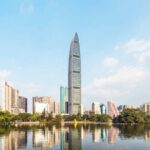
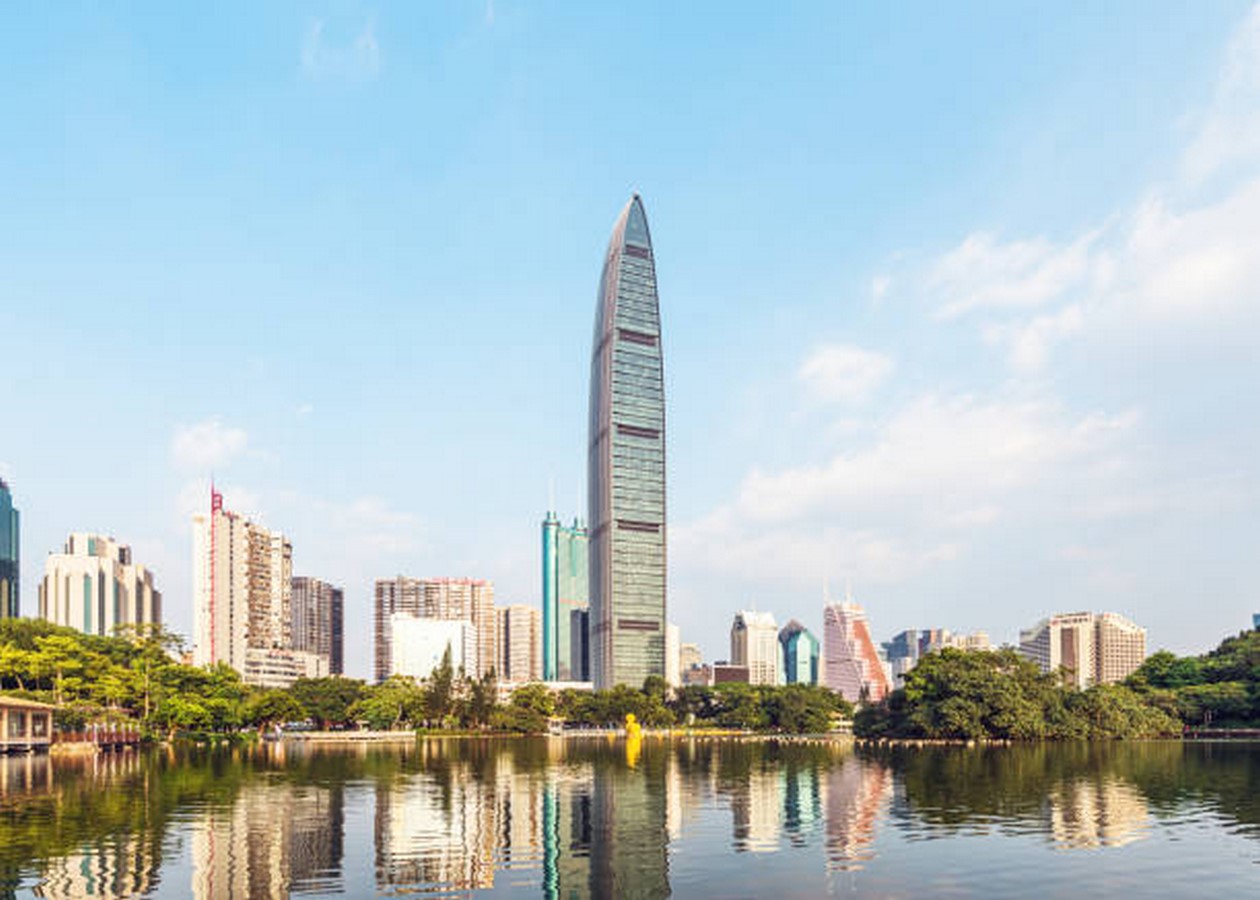
Architects have to lead by example by exploring and integrating these principles into their design and construction operations. Designed by TFP Farrels, the Kingkey 100 Tower, a LEED-certified (GOLD) mixed-use skyscraper in Shenzhen, China is a great example of an environmentally sustainable building. As documented by USGBC, “ the building…was designed as a green model for the city by providing a building where people can eat, work, live and play, reducing overall demands on transportation. Sustainability features include notable reductions in water use, including a 40% reduction in baseline indoor water use, a 50% reduction in wastewater generation and a 100% reduction in potable landscape water use.”

2. Architects Being Educators: Architects can leverage their design expertise to educate clients, design and construction communities, and the general public about environmental issues. They have to educate clients about the long-term value of sustainable designs and offer sustainable solutions to their needs.
The design and construction communities, for example, architecture students, can be educated in several ways, including architect-led training workshops, sustainable design exhibitions and competitions, and partnering with professionals to integrate interactive environmental education course modules into the educational system.
Architects can educate the public on sustainable design using informational displays with interactive content about sustainable design principles. Another way is to collaborate with environmental organizations to raise awareness and promote environmental education, through community events, public lectures, and workshops. This can also be done by creating educational programs for the general public. Additionally, they can make eco-friendly features, such as solar panels, rain-water harvesting systems, community gardens, green roofs, etc., visible to spike interest, engagement and research.

3. Advocacy and Policy Development: This can be done by collaborating with policymakers and urban planners to push for building codes and regulations that are sustainable and considerate of the environment. Partnering with NGOs to develop effective environmental initiatives is another great step towards environmental awareness and education. Also, they can leverage media attention to share expert-driven perspectives, thereby influencing public opinion.
Showcasing Impact: Case Studies

- Willis Tower, a LEED-certified (GOLD) 108-story skyscraper in Chicago exemplifies an environmentally responsible building. This state-of-the-art workplace underwent a $500 million renovation in 2018, making significant upgrades including the installation of high-efficiency lighting systems, improvements to the building’s HVAC system, installation of low flow high-efficiency units on more than 450 sinks, 650 toilets and urinals which, according to Willis Tower owner and manager EQ Office, saves approximately 11 million gallons of water consumption annually and reduces the building’s water usage by 30 per cent.
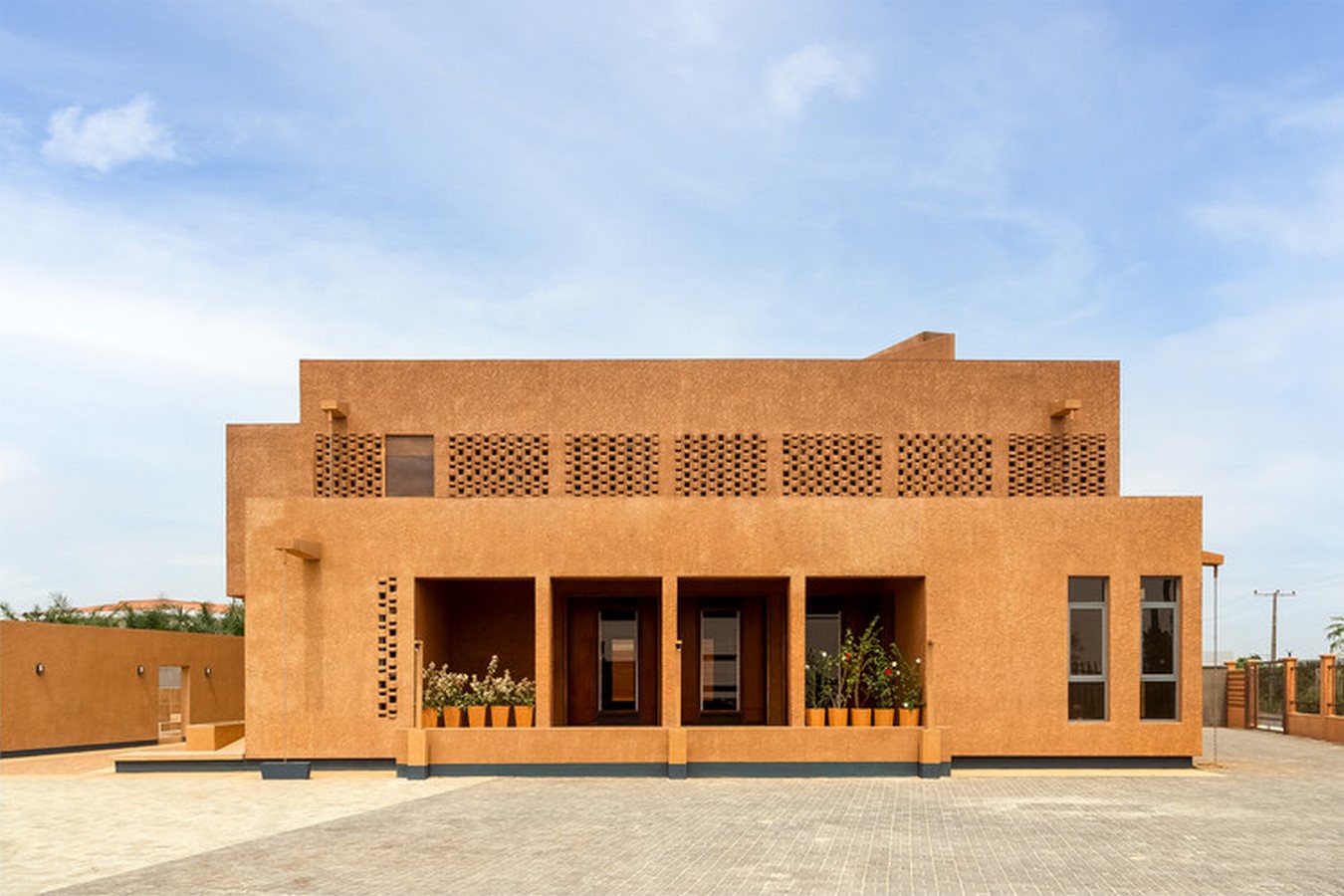
- The Abijo Mosque designed by PatrickWaheed Design Consulting (PWDC) blends modern architecture, cultural influences and bioclimatic design strategies. The mosque located in Lagos, Nigeria uses louvre windows incorporated into the sliding doors and high-level louvre windows shaded with perforated sunscreens to aid natural ventilation and reduce greenhouse gas emissions. Laterite was used to coat the exterior face of the mosque – the insulation properties of this material allow the interior of the mosque to stay cool during building use and this helps to avoid the usage of mechanical air conditioning. Also, the use of locally sourced and recycled materials reduced the environmental impact of transportation and the cost of eventual maintenance. Employing energy-efficient lighting was another environmentally responsible decision the firm made.
Challenges and Solutions:

In every path lies challenges and architects, on the journey to embracing sustainable design, have to face challenges like market resistance, regulatory constraints, their limited knowledge or awareness, and clients who prioritize other concerns over sustainability. Tackling these obstacles may take time and effort but the long-term benefits of sustainable design far outweigh its initial difficulties.
Overcoming the challenges of sustainable design requires a multi-faceted approach. Firstly, architects can effectively communicate the benefits to clients, highlighting the improved marketability, long-term saving cost, and health benefits of sustainable design. Secondly, staying informed on the latest advancements in the industry, thanks to the digital age, can help architects close the knowledge gap and implement global standard solutions. Thirdly, networking and collaborating with stakeholders who share similar interests in sustainability helps to unlock green financing options, drive policy change, and amplify collective impact.
Combined Efforts: A Necessity

Building a sustainable future is not a solo mission for architects. While they play a crucial role in driving environmental awareness and action through design and education, their efforts need the combined efforts of other professionals and the general public. Policymakers can make supportive regulations, design specialists can provide diverse expertise and the general public can make informed choices as consumers and citizens. Only through this collective effort can we truly achieve a sustainable future.
References:
- Bhumkar, Ar.M. and Dhavale, Ar.S.A. (no date) Environmental awareness and architectural pedagogy., Research India Publication. Available at: https://mail.ripublication.com/irph/ijert_spl17/ijertv10n1spl_37.pdf (Accessed: 05 February 2024).
- Haines, C.A. (2010) The Role of the Architect in Sustainability Education, Journal of Sustainability Education. Available at: http://www.susted.com/wordpress/content/the-role-of-the-architect-in-sustainability-education_2010_05/ (Accessed: 05 February 2024).
- Umeora, C.O. (2013c) The role of the architect in Sustainable Development in Nigeria, ResearchGate. Available at: https://www.researchgate.net/publication/272301460_The_Role_of_the_Architect_in_Sustainable_Development_in_Nigeria (Accessed: 05 February 2024).
- Fahad (2022) Why is environmental awareness important?, Earth Reminder. Available at: https://www.earthreminder.com/why-is-environmental-awareness-important/ (Accessed: 05 February 2024).
- About ee and why it matters (no date) North American Association for Environmental Education. Available at: https://naaee.org/about/ee (Accessed: 05 February 2024).
- What is Environmental Awareness and Is It Important? (2022) Official Zoin. Available at: https://www.official-zoin.org/what-is-environmental-awareness-and-is-it-important/#What%20Is%20Environmental%20Awareness? (Accessed: 05 February 2024).
- Wikipedia Contributors (2019). Architect. [online] Wikipedia. Available at: https://en.wikipedia.org/wiki/Architect.
- Afable, M.V. (2019). Building Green – Minimizing the Environmental Impact of Construction. [online] Bold Business. Available at: https://www.boldbusiness.com/infrastructure/green-construction-environmental-impact/#:~:text=Construction%20projects%20worsen%20climate%20change.%20The%20sector%20accounts [Accessed 5 Feb. 2024].
- Guest, S.A.P. (n.d.). SAP BrandVoice: The Construction Industry Is Getting Greener: Why, How, And What’s Changing? [online] Forbes. Available at: https://www.forbes.com/sites/sap/2021/08/25/the-construction-industry-is-getting-greener-why-how-and-whats-changing/?sh=7dc8253152bc [Accessed 5 Feb. 2024].
- www.commercialarchitecturemagazine.com. (n.d.). The Role Of Architects In Promoting Sustainable Communities And Environments – Building A Better World. [online] Available at: https://www.commercialarchitecturemagazine.com/the-role-of-architects-in-promoting-sustainable-communities-and-environments/ [Accessed 5 Feb. 2024].
- The role of architects in promoting sustainable communities and environments – building a Better World (no date) www.commercialarchitecturemagazine.com. Available at: https://www.commercialarchitecturemagazine.com/the-role-of-architects-in-promoting-sustainable-communities-and-environments/ (Accessed: 05 February 2024).
- Cutieru, A. (2021) Steps taken in 2021 towards decarbonizing the AEC sector, ArchDaily. Available at: https://www.archdaily.com/974165/steps-taken-in-2021-towards-decarbonizing-the-aec-sector (Accessed: 05 February 2024).
- Biggs, J. (2021). 10 Iconic LEED-Certified Buildings From Around the World. [online] www.procore.com. Available at: https://www.procore.com/jobsite/10-iconic-leed-certified-buildings-from-around-the-world.
- ArchDaily. (2010). AD Classics: Willis Tower (Sears Tower) / SOM. [online] Available at: https://www.archdaily.com/62410/ad-classics-willis-tower-sears-tower-skidmore-owings-merrill?ad_medium=gallery.
- Office, E.Q. (n.d.). Willis Tower Receives LEED Certification for Sustainability Achievements. [online] www.prnewswire.com. Available at: https://www.prnewswire.com/news-releases/willis-tower-receives-leed-certification-for-sustainability-achievements-300744211.html.
- Wikipedia. (2022). KK100. [online] Available at: https://en.wikipedia.org/wiki/KK100.
- LEED soars to new heights with 5 iconic global skyscrapers (no date) U.S. Green Building Council. Available at: https://www.usgbc.org/articles/leed-soars-new-heights-5-iconic-global-skyscrapers (Accessed: 05 February 2024).
- ArchDaily. (2012). KK100 / TFP Farrells. [online] Available at: https://www.archdaily.com/250627/kk100-tfp-farrells.
- Kingkey 100 tower (no date) U.S. Green Building Council. Available at: https://www.usgbc.org/projects/kingkey-100-tower?view=overview (Accessed: 05 February 2024).
- ArchDaily. (2023). Exploring Local Material in Contemporary Architecture: PWDC Transforms Building Surfaces in Nigeria. [online] Available at: https://www.archdaily.com/1004325/exploring-local-material-in-contemporary-architecture-pwdc-develops-laterite-tyrolean-technique-and-transforms-building-surfaces-in-nigeria.
- Anon, (2022). Spotlight on Adeyemo Shokunbi; Architect, Artist, Craftsman – The Sahara Centre. [online] Available at: https://www.saharacentre.org/spotlight-on-adeyemo-shokunbi-architect-artist-craftsman/ [Accessed 5 Feb. 2024].