The Need:
Design education relies heavily on how the students perceive designs when the educators talk about them or create rough diagrams for them. Educators face the big challenge of setting the right picture in the students’ minds. This picture of the design must be of the correct proportion, shape, colour, and size for a student to understand it the way it needs to be understood. It becomes all the more difficult when the students do not even understand the measurements and their proportions. Imagine if a student has to draw a 3mt x 5mt room at a 1:5 scale on paper, but the student has no clue about how big 3mt is and how to use a ruler to scale it down to the 5th of its original size. Explaining these measurements and other design principles to a fresh student can be time-consuming.
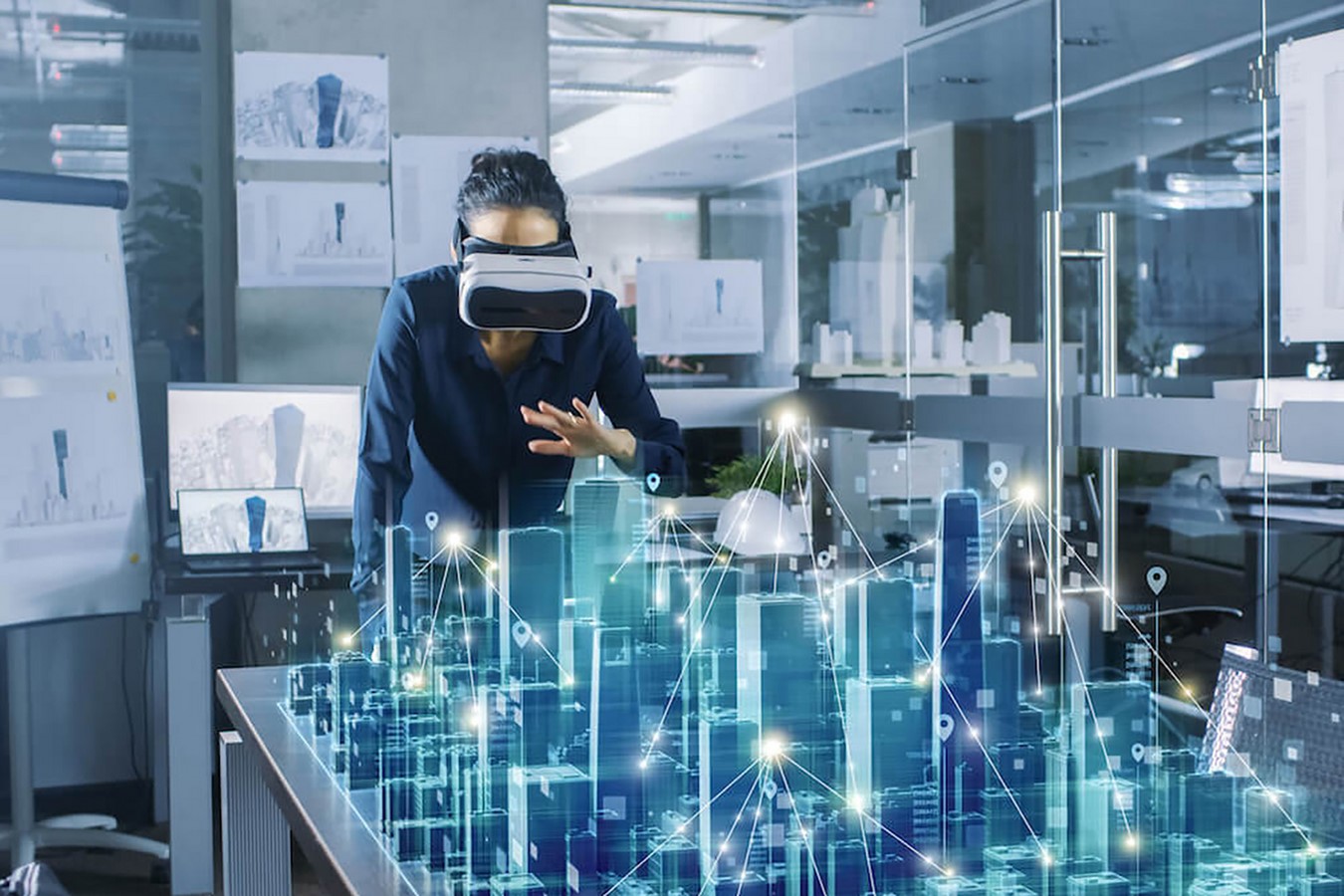
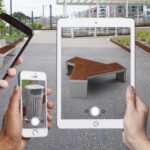
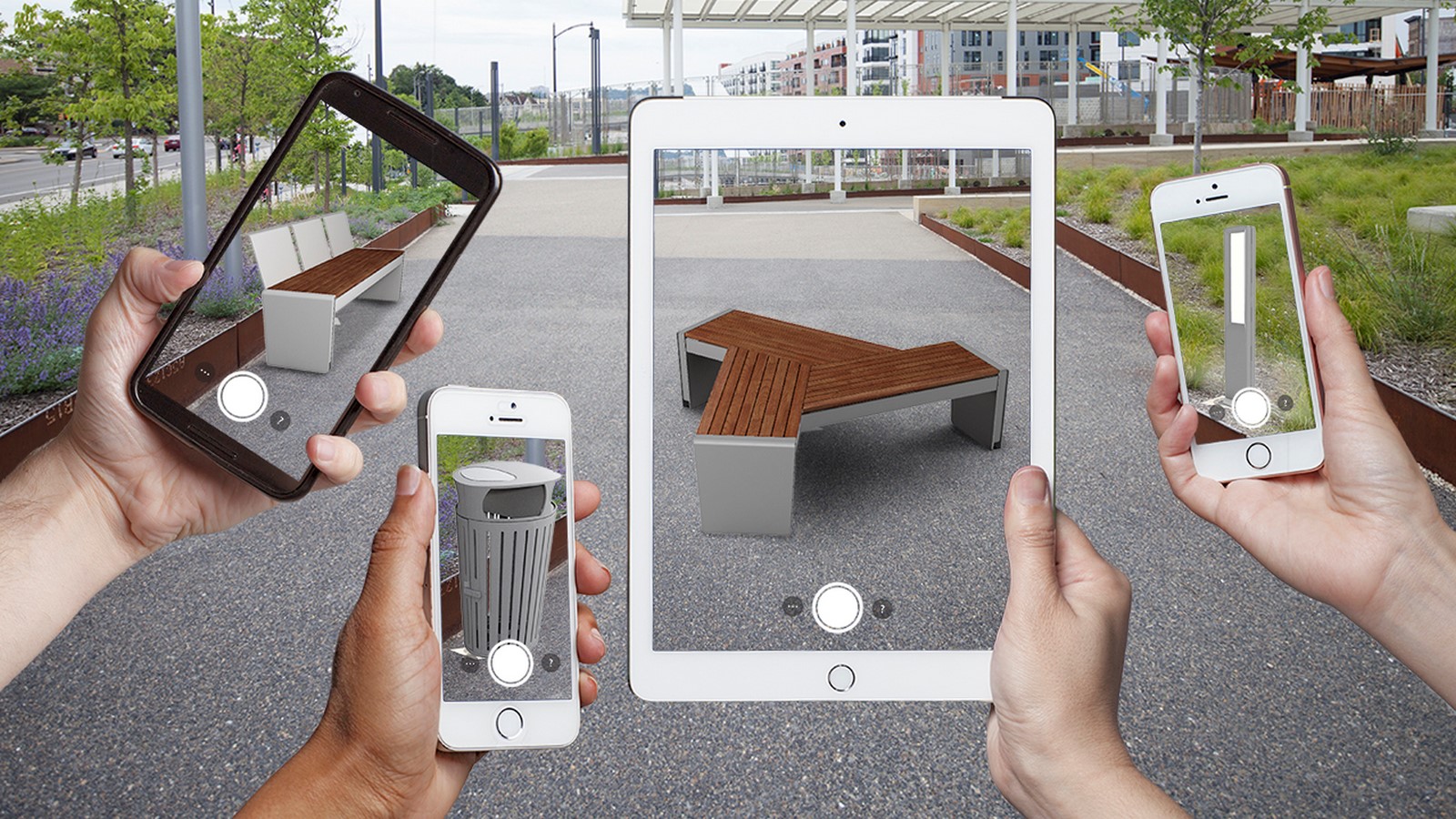
With the help of Virtual and Augmented reality, explaining complex designs and concepts to students becomes easy. Students are bound to understand better when they get visual examples. They gain a better understanding of the scale and proportions. With the help of VR or AR, educators can teach from anywhere while students can explore any corner of the world using VR glasses or other simulation devices. Virtual or augmented reality in education will cut down a lot of time and help students elaborately understand each problem.
The Difference:
Using Augmented or Virtual reality for Design Education is a relatively new concept. The world is turning digital. Soon Augmented / Virtual reality will enhance the learning experience for students universally. At present, not all institutions may be able to afford AR and VR over traditional teaching methods. However, it is a more efficient way of teaching complex subjects to students. It may be a task to explain Point Load, Live Load, Dead Load and all the structural calculations to students using traditional teaching methods, but AR or VR with the help of live examples can fabricate the reality and explain all these concepts to students in a way that it makes sense to them too. A big problem in traditional teaching is also that when students do not understand, it does not make sense to them.
Link with Professional World:
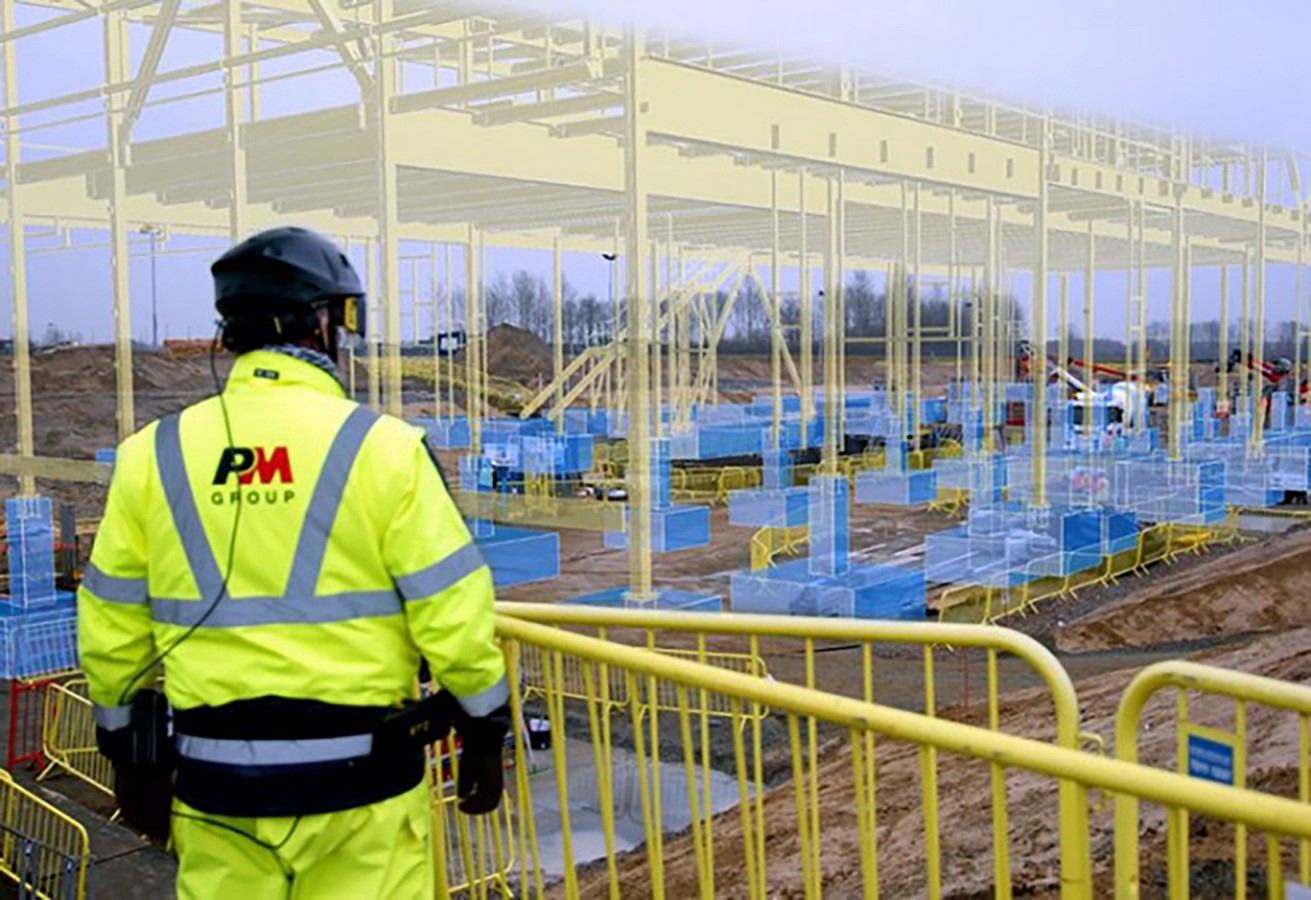
It is important that Augmented or Virtual Reality links with professional practices. All Architectural firms and clients may not be well versed with this technology yet. They might discard the use of such methods resulting in students finding themselves in difficult and unavoidable practical situations. The use of Augmented or Virtual Reality is equally or more important for professionals as compared to students. The teaching methods, syllabus and many other factors of education depend on how the professional world practices.
Drawbacks:
It is important that Augmented or Virtual Reality links with professional practices. All Architectural firms and clients may not be well versed with this technology yet. They might discard the use of such methods resulting in students finding themselves in difficult and unavoidable practical situations. The use of Augmented or Virtual Reality is equally or more important for professionals as compared to students. The teaching methods, syllabus and many other factors of education depend on how the professional world practices.
Best Use:
AR and VR systems are best used for solving general design problems or educating students about basic design elements. The responsibility of applying these basic principles and converting them into complex designs must be left to the students. Maintaining a balance between the traditional education method and the new Augmented or Virtual reality education system is of utmost importance. This does not suggest that students must completely get rid of these new educational techniques. Augmented and Virtual Reality in Design Education is the future. Many improvements and modifications will be made to make this technique more efficient and universal.
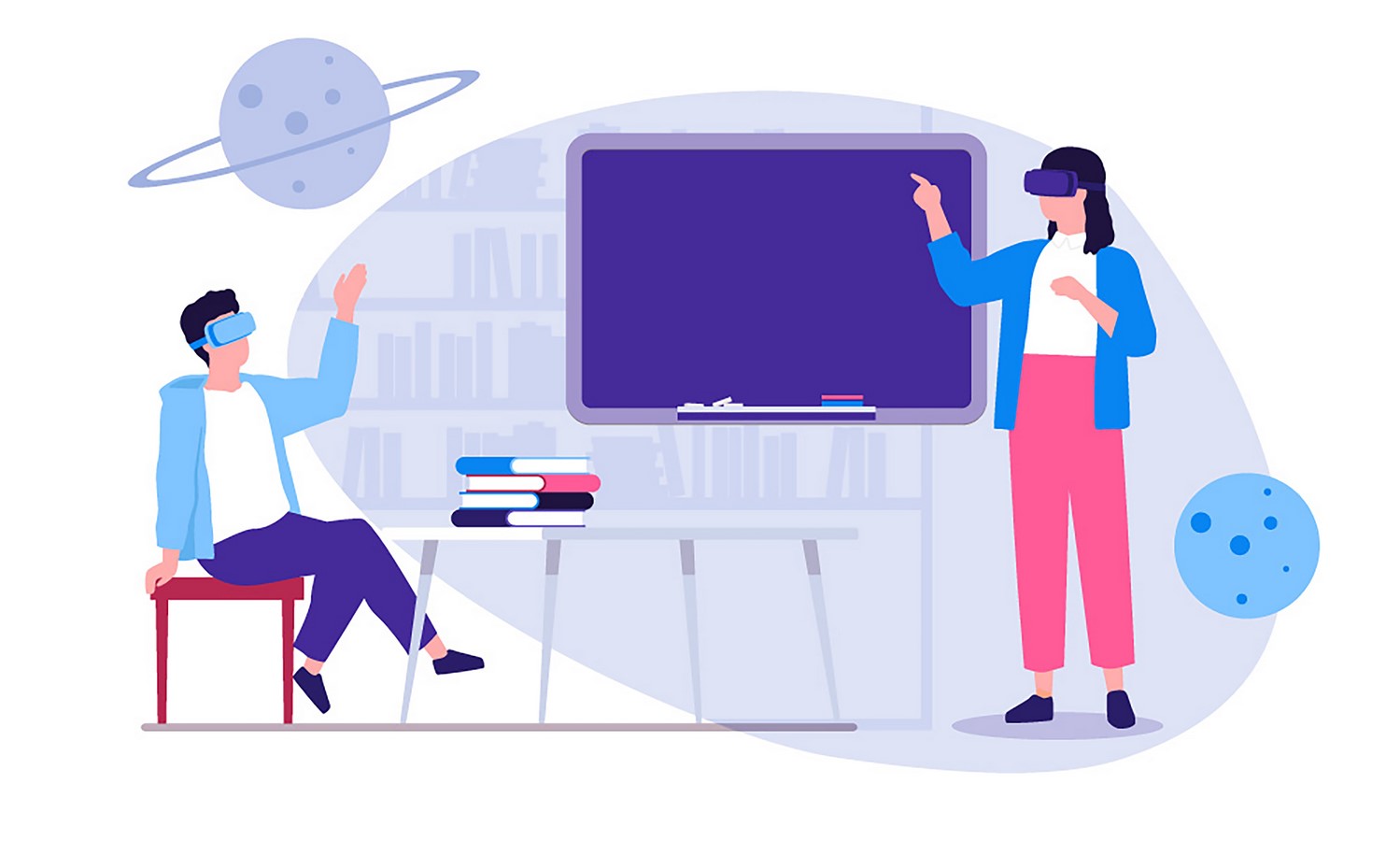
Augmented or Virtual Reality can provide the best outcomes for students if we conduct case studies, site studies and analysis through this system. AR and VR can provide authentic and accurate data for students to analyse the project efficiently in the initial stage itself. Making use of AR and VR systems to explain hypothetical situations and design concepts to students allows them to experiment more with those situations. AR and VR must be used as an assistant instead of a primary tool to educate students.
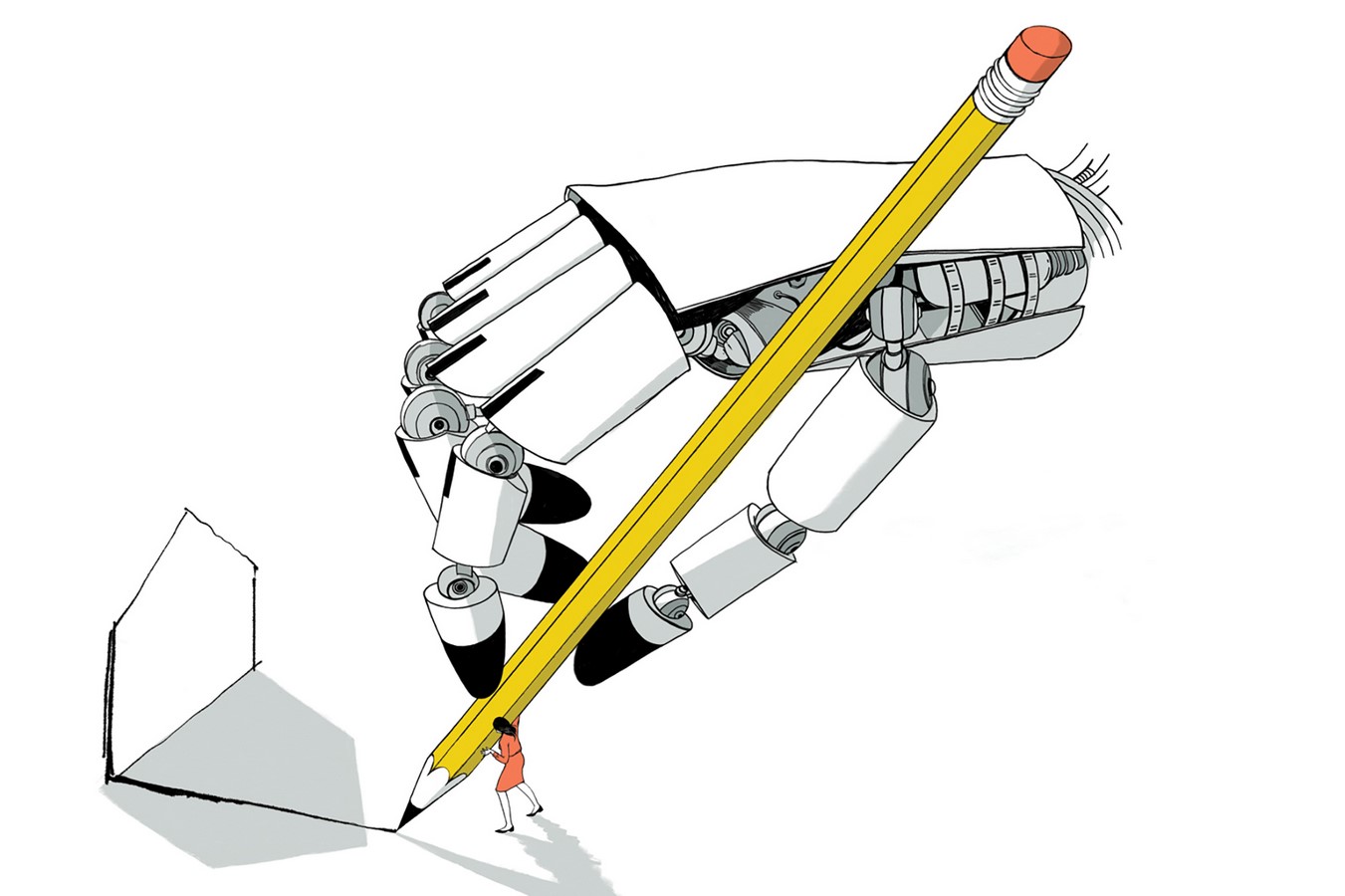
Eventually, it comes down to how an individual perceives this new education technique. Design requires economical and sustainable solutions to its problems along with maintaining the beauty of design. The human brain is the most powerful element of design. Education through augmented or virtual reality can only help or support man-made designs for better functioning and execution. Making use of AR and VR technologies just to support traditional teaching methods is the only sensible way at present. Artificial Intelligence can be a huge threat in this case.
References:
- Use of Augmented Reality in Education: https://www.fingent.com/blog/augmented-reality-in-education-training-use-cases-and-business-benefits/#:~:text=Augmented%20Reality%20in%20Education%20Enhances,and%20acquire%20new%20learning%20skills.
- Augmented reality in Architecture and Construction Education: https://educationaltechnologyjournal.springeropen.com/articles/10.1186/s41239-022-00343-9