In Australia, the conversation around sustainable architecture is evolving. No longer just about energy efficiency or certification systems, it is becoming a broader, more powerful framework for social, cultural, and ecological regeneration. Through the work of the Australian Institute of Architects’ National Climate Action and Sustainability Committee (NCASC) and initiatives like the Handprint Guidelines, our profession is charting a pathway from current practices to a future where architecture actively gives back.
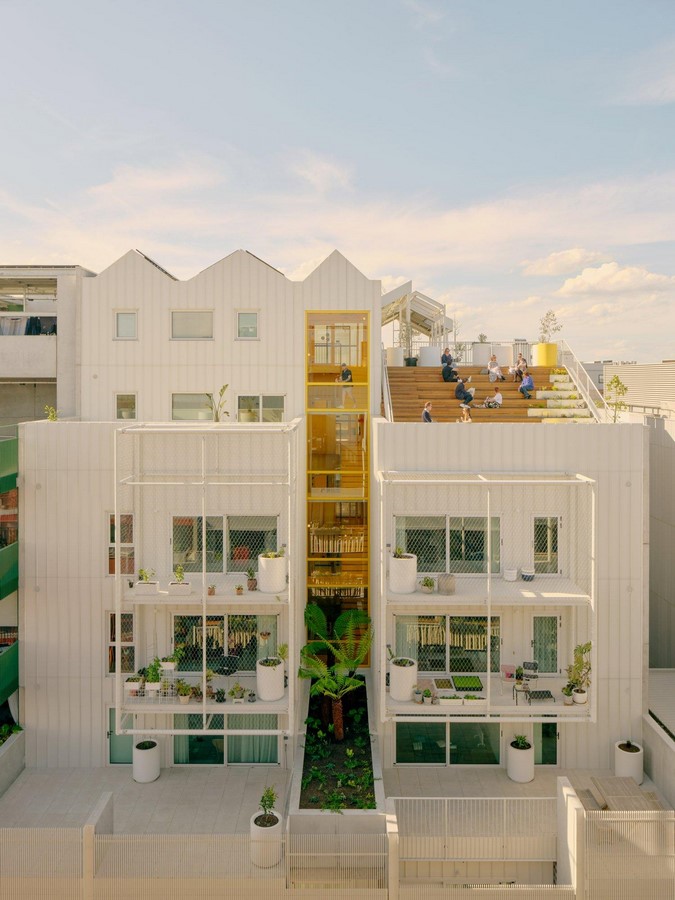
This is not a top-down directive but a collective cultural shift. It’s about redefining architecture as a service to Country, community, and climate, where we engage deeply with place, materials, and the people we design for. The shift isn’t just about new tools, it’s about a new mindset.
- From Sustainability to Regeneration: A New National Narrative
The Handprint Guideline, now being developed through the NCASC, proposes a shift in mindset from merely reducing our environmental footprint to creating a “handprint” of positive impact. It integrates First Nations knowledge, systems thinking, and holistic frameworks into a regenerative design approach tailored to Australian conditions. Rather than simply mitigating harm, it asks architects to design for repair, renewal, and reciprocity.
This approach acknowledges the limitations of traditional sustainability models, which often focus narrowly on technical compliance. By contrast, a regenerative lens considers architecture’s relationship to ecosystems, culture, and social well-being. It is not only environmentally ambitious but profoundly ethical and inclusive—opening space for multiple ways of knowing and caring for the place.
- Creating a Shared Resource for Change
One of the major initiatives within the NCASC is consolidating the tools, data, and strategies that already exist across the sector. From lifecycle assessment databases to procurement guides and embodied energy calculators, there is no shortage of resources, but they are often fragmented and inaccessible to small practices or early-career architects.
The goal is to democratise access, simplify complexity, and create a single, accessible platform to help architects across Australia embed sustainable thinking into every stage of design, regardless of scale or budget. A resource of this kind will not only support best practices but also raise the baseline of what is expected and possible in architectural delivery.
In parallel, the group is also working to embed sustainability and regenerative values into the Australian Institute of Architects Awards system. This includes ongoing discussions to ensure that projects are recognised for their environmental, social, and cultural impact, not only their aesthetics or innovation in form. The aim is to shift what we celebrate as a profession, making regenerative design a core criterion across all awards categories, not just sustainability-specific ones.
The vision is that, in the near future, all award submissions will need to demonstrate that they are sustainable and regenerative to be considered for any award. This approach positions regenerative design as an imperative for design excellence, moving beyond optional recognition to a fundamental expectation.
This work matters because awards shape culture. They signal to clients, the public, and future generations of architects what is worthy of aspiration. By recognising regenerative projects across residential, public, commercial, and urban design sectors, the Institute can lead a broader cultural shift, normalising design that prioritises care for Country, inclusion, and long-term planetary wellbeing.
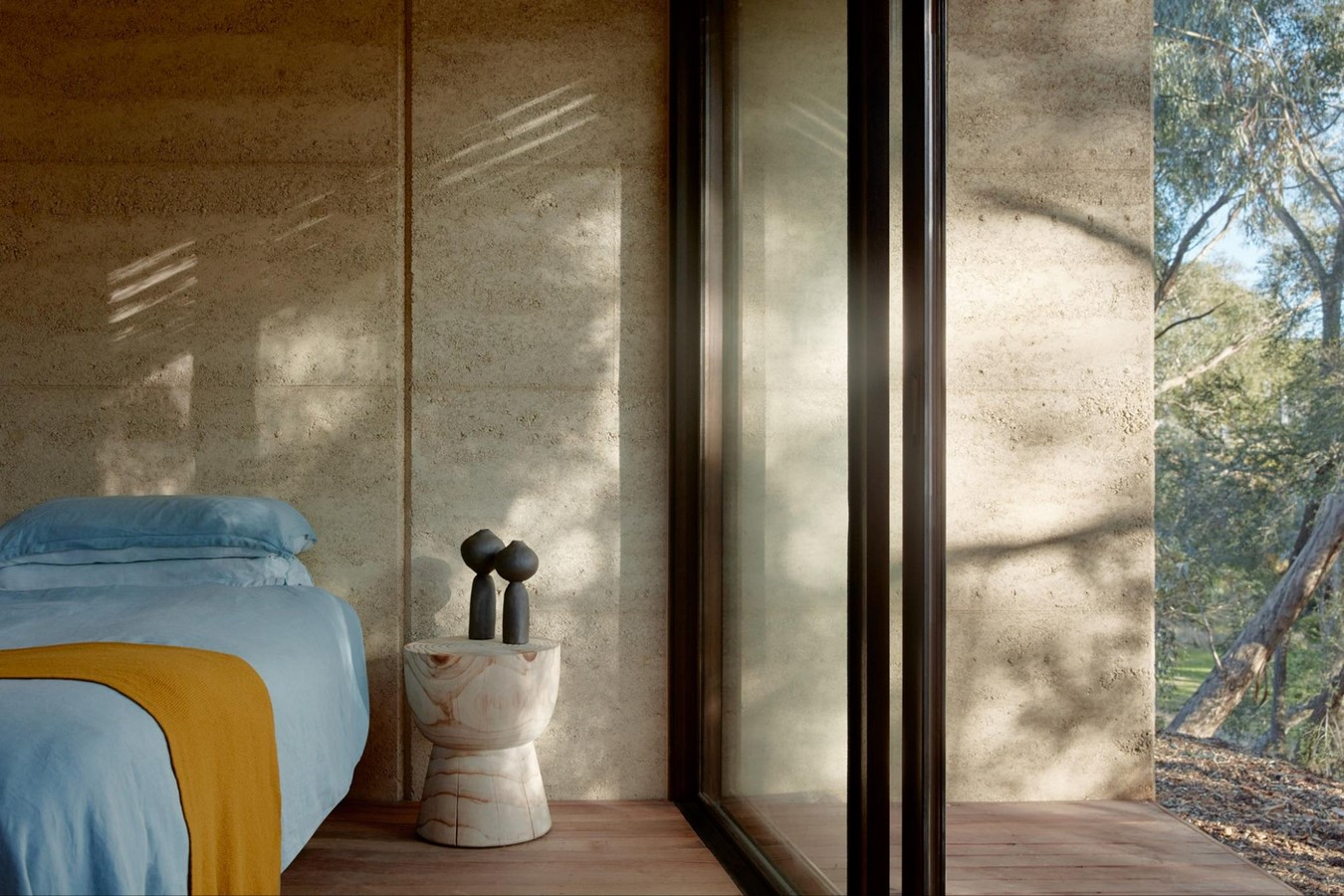
- Rethinking Materiality: A Post-Colonial Lens on Australian Resources
Sustainability is not just technical, it is cultural. A key question in this work is: What would Australian material culture look like if colonialism and globalised trade hadn’t intervened?
As an architect and researcher, I’m particularly drawn to the idea of exploring pre-colonial, local, and under-recognised materials, from rammed earth and native timbers to fibres, plant-based binders, and natural pigments. What materials would we have developed if we had looked inward instead of outward? What innovation could have emerged if we had drawn from Country-based knowledge systems instead of imposing European methods and materials unsuited to the Australian climate?
To imagine a regenerative future, we must first understand the true potential of what we already have: our landscapes, climates, and diverse cultural histories. In doing so, materiality becomes not only a sustainability issue but a question of sovereignty, storytelling, and responsibility.
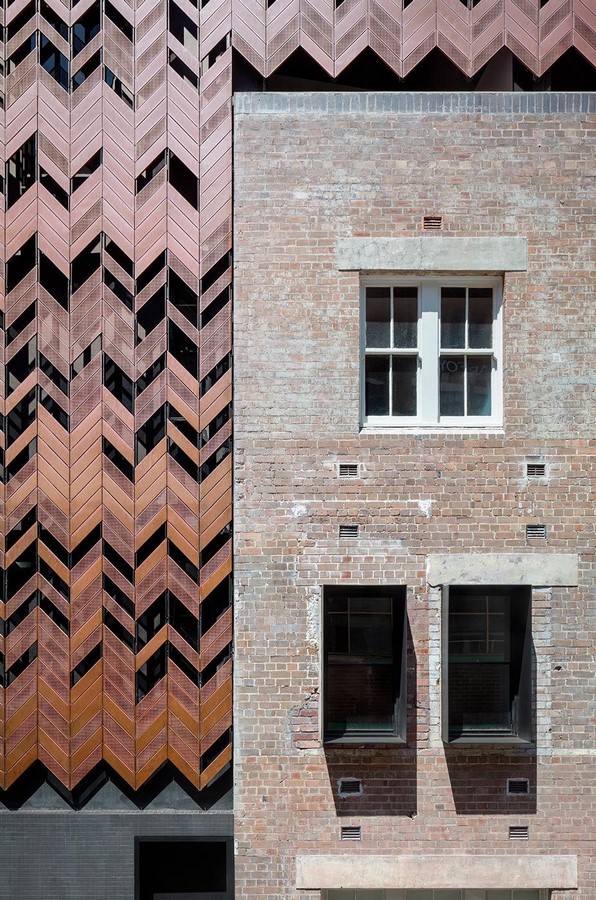
- A Regenerative Future is Also a Social One
In a nation as multicultural and historically complex as Australia, regeneration must also mean healing and inclusion. Our homes, public spaces, and urban infrastructure must do more than perform well environmentally; they must be places of belonging, dialogue, and care.
This calls for a co-designed architecture that is contextually aware and socially responsive, reflecting the lived realities of diverse communities and supporting deeper connections between people and place. Social sustainability means designing for equity, cultural continuity, intergenerational care, and community resilience, not simply optimising for net-zero targets.
Projects that genuinely reflect the voices of First Nations peoples, migrants, and marginalised groups will be vital to shaping a future that is not only green but just.
The Future is Here, we Just Have to Build It
The work underway across Australia, from national committees to grassroots practices, is already reshaping how we think about the future of architecture. Sustainable architecture is no longer about doing less harm; it’s about doing more good. It’s about asking better questions, listening to those who’ve been excluded, and designing not just for climate but for community.
Through storytelling, advocacy, and collaborative leadership, Australian architects have the opportunity to redefine what excellence means in the built environment, guided not by the aesthetics of global trends but by the integrity of Country, culture, and care.
This is the story we must write and build together.