As the global population grows by 0.9% annually and climate change impacts intensify, the need for sustainable architecture has never been more urgent. The shift towards sustainable and regenerative design is not just reshaping our buildings but also redefining our relationship with the environment. By intertwining innovative practices with ecological responsibility, architects are crafting a narrative that envisions a harmonious future where built environments coexist with nature. In a world grappling with the impacts of climate change, sustainable architecture is emerging as a powerful solution, redefining how we interact with our built environment. This movement towards sustainable and regenerative design is not just about mitigating harm but actively contributing to the health and well-being of our planet.
Sustainable Architecture: The Foundation of a Greener Tomorrow
Sustainable architecture focuses on minimizing environmental impact while maximizing efficiency and comfort. It incorporates principles such as reducing energy consumption by 40-60% compared to conventional buildings, achieving zero-waste construction through material recycling, and utilizing renewable materials like mass timber and recycled steel. The core philosophy transcends building structures—it’s about fostering communities that thrive within planetary boundaries while reducing operational carbon emissions by up to 80%.
Each climate zone presents unique challenges: In tropical regions like Southeast Asia, passive cooling techniques can reduce air conditioning needs by 30-40% through strategic shading and natural ventilation. In arid regions such as the Middle East, smart facade designs and thermal mass storage can decrease cooling loads by 25-35%. In cold climates like Scandinavia, super-insulation and heat recovery systems can cut heating demands by 50-70%. These adaptations demonstrate how sustainable architecture responds to diverse environmental conditions while maintaining comfort and efficiency.
Regenerative Design: Going Beyond Sustainability
While sustainable architecture aims to mitigate harm, regenerative design seeks to restore and replenish ecosystems. This approach views buildings as living entities that contribute positively to their surroundings. Regenerative projects emphasize renewable energy integration, water cycle restoration, and biodiversity enhancement, ensuring that the built environment gives back more than it takes.
Innovative Green Architecture Projects
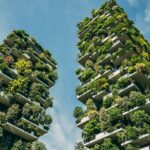
Bosco Verticale (Milan, Italy):
A vertical forest of residential towers adorned with over 900 trees and 20,000 plants, Bosco Verticale embodies urban reforestation. This project mitigates air pollution, reduces energy consumption by providing natural insulation, and enhances urban biodiversity. By integrating greenery into high-density urban living, it addresses the challenge of balancing population growth with ecological preservation.

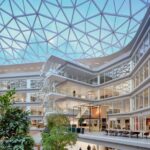
The Edge (Amsterdam, Netherlands):
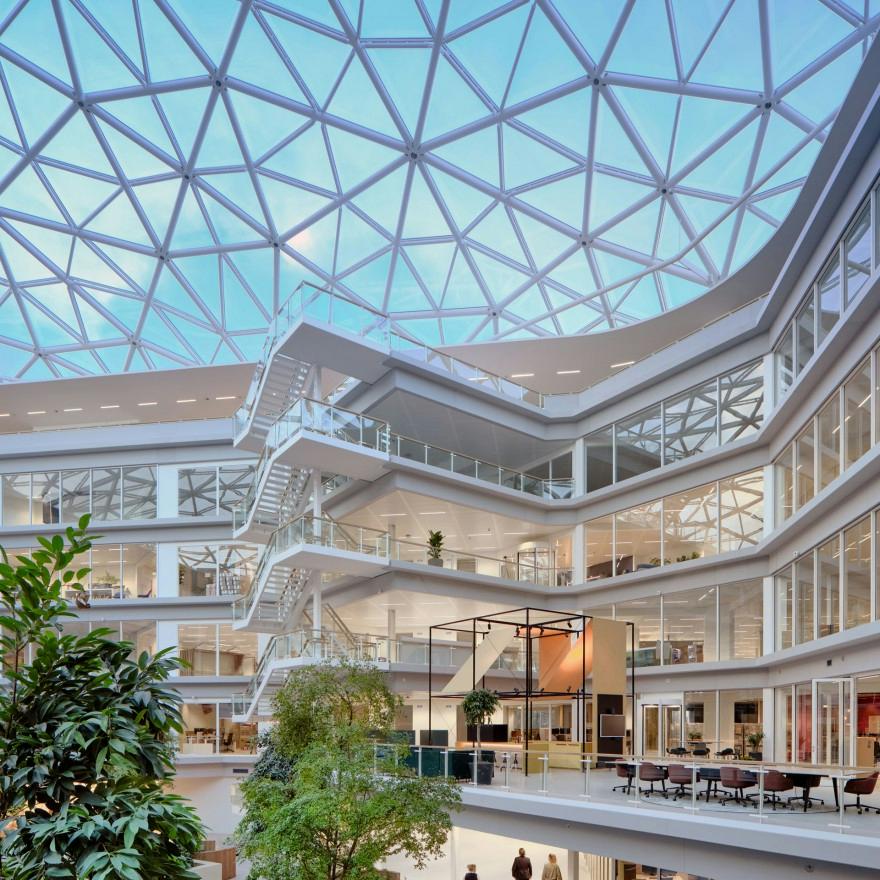
Dubbed the greenest building in the world, The Edge combines intelligent design, solar panels, and rainwater harvesting systems. Its smart technology continuously monitors energy usage, ensuring minimal waste and maximum efficiency. This approach emphasizes sustainability through innovation, setting a benchmark for future energy-efficient office buildings.
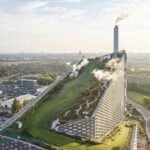
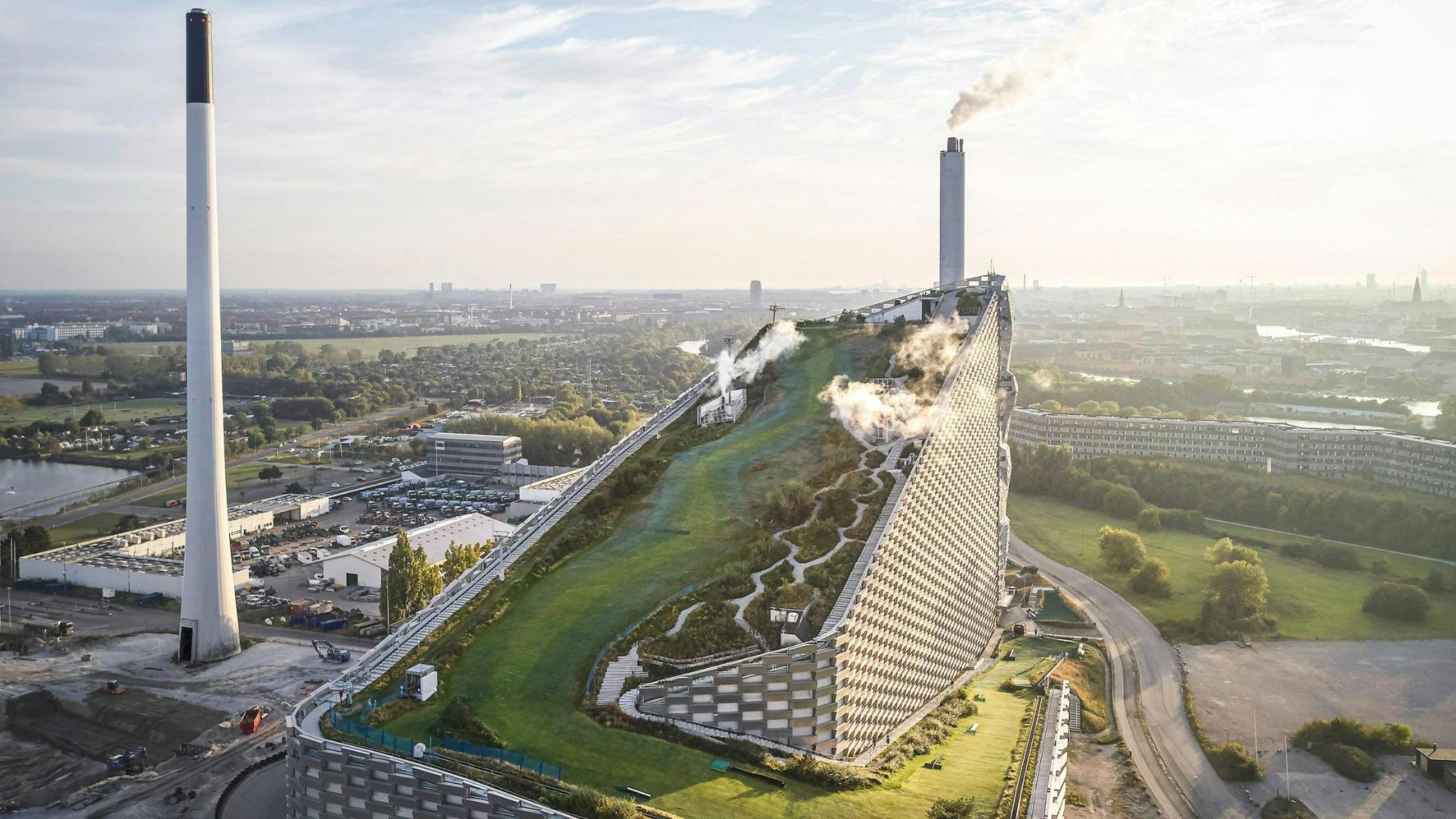
CopenHill (Copenhagen, Denmark):
A waste-to-energy plant that doubles as a public recreation space, complete with a ski slope and climbing wall. CopenHill redefines utility infrastructure by integrating urban activities with essential waste management services. Its design educates the public on sustainability while contributing to renewable energy production, showcasing a seamless blend of functionality and leisure.
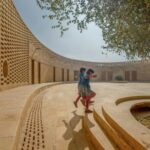
Rajkumari Ratnavati Girl’s School (Jaisalmer, India):
Built using locally sourced sandstone, this school adapts to the harsh climate of the Thar Desert by providing a cool, shaded learning environment. Solar panels supply renewable energy, while rainwater harvesting systems address water scarcity. The culturally sensitive design exemplifies how architecture can harmonize with local traditions while championing sustainable development.

Each of these projects tackles a unique aspect of sustainability. Bosco Verticale prioritizes biodiversity and urban greening, while The Edge leads in energy efficiency and technological innovation. CopenHill reimagines waste management by integrating community engagement and renewable energy production. Rajkumari Ratnavati Girl’s School, on the other hand, focuses on climatic adaptability and cultural relevance, addressing the specific needs of its region. Together, they illustrate the multifaceted potential of sustainable architecture in addressing global environmental and social challenges.
The Role of Renewable Materials
Sustainable architecture thrives on the innovative use of renewable and recycled materials. These alternatives not only minimize environmental impact but also offer distinct advantages over traditional materials.
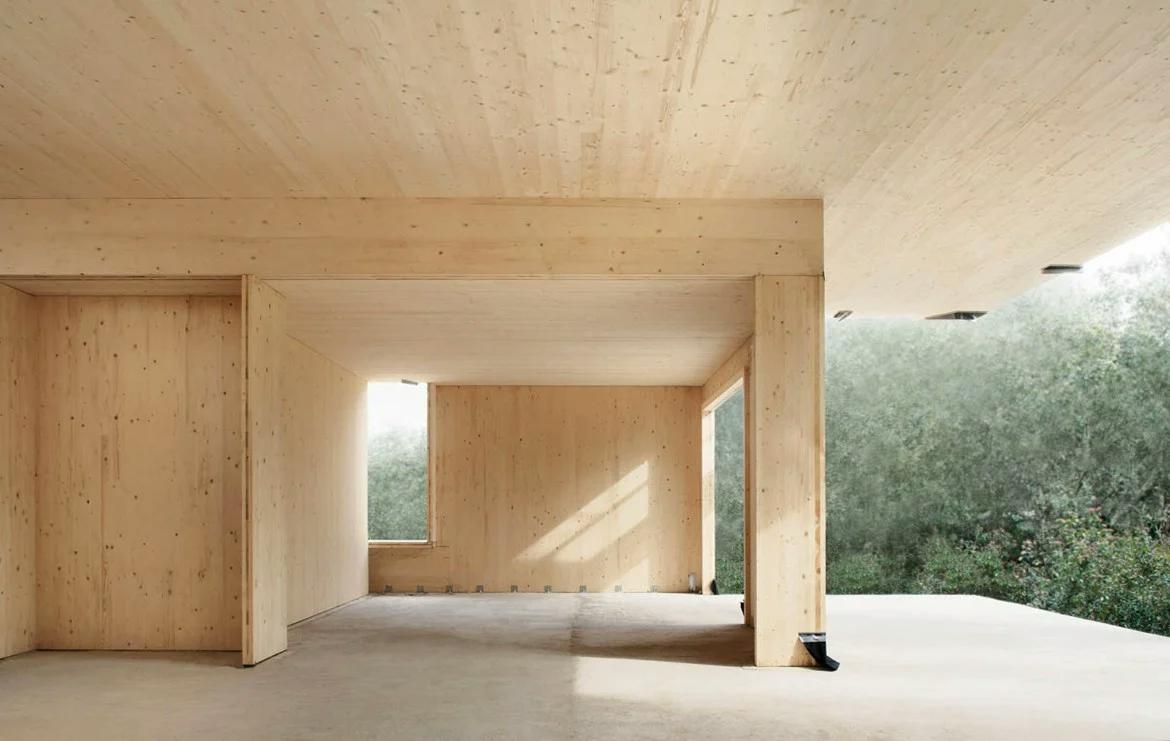
- Cross-Laminated Timber (CLT):
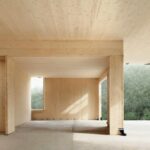
A strong, lightweight material that sequesters carbon, CLT provides a sustainable alternative to concrete and steel. While its upfront cost can be slightly higher than traditional materials, it often offsets these through faster construction times and reduced labor costs. Scalability is improving as demand grows, with sustainably managed forests ensuring availability. However, regional access to CLT can still be a limiting factor in some parts of the world.
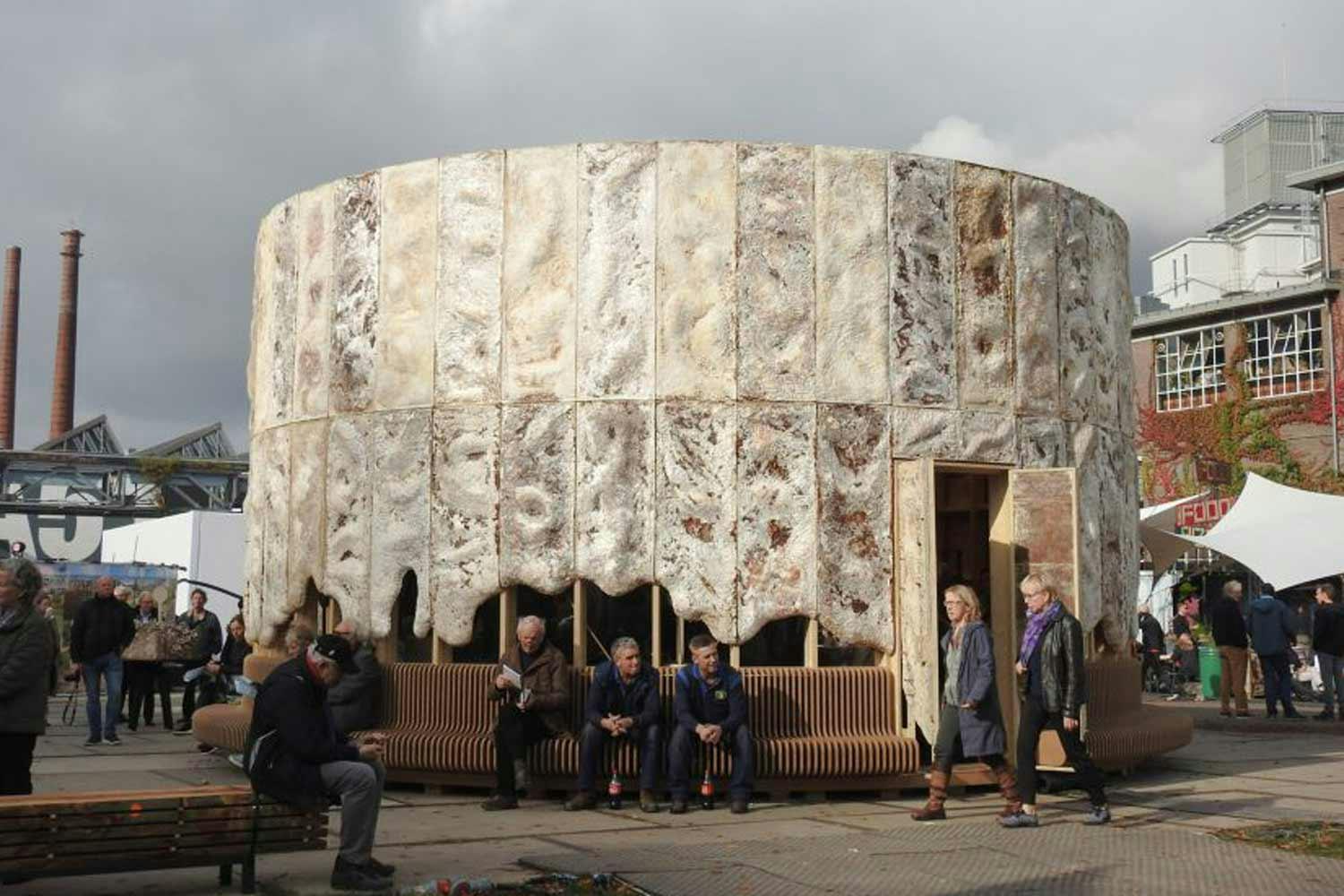
- Mycelium Insulation:
Derived from fungi, this biodegradable material is gaining popularity for its exceptional insulation properties and minimal environmental impact. Mycelium is cheaper to produce than many synthetic insulators and can be grown locally, reducing transportation costs. However, its scalability is currently limited by production capacity and public awareness, making it less widely available compared to traditional materials like fiberglass.
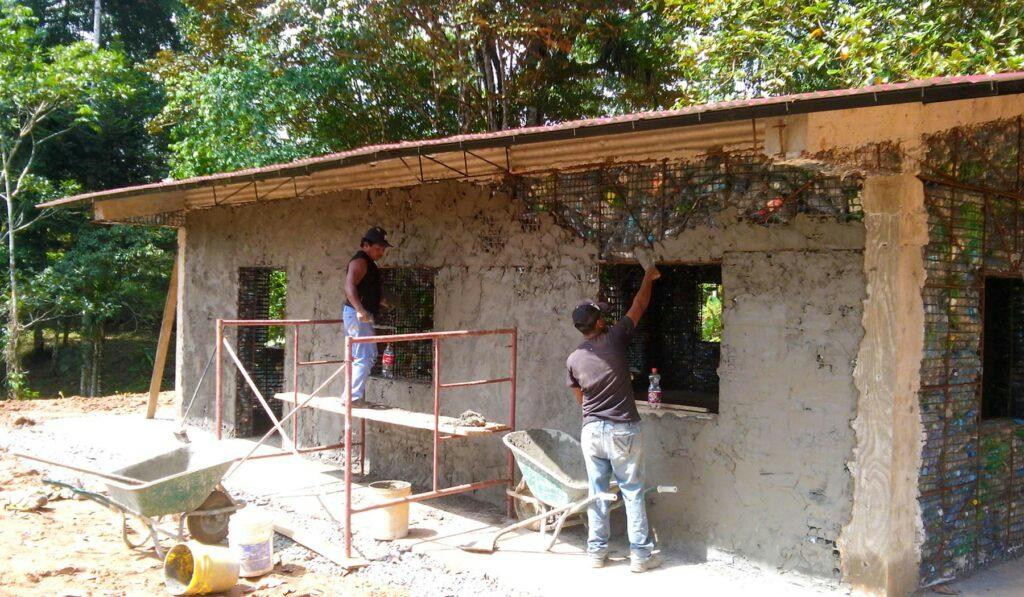
- Recycled Plastic Bricks:
These innovative building blocks repurpose plastic waste, addressing the dual challenge of pollution and affordable housing. Recycled plastic bricks are cost-effective, particularly in regions where plastic waste is abundant and construction costs are high. They are lightweight and durable, making them suitable for various applications. However, concerns about long-term performance in extreme climates and the availability of recycling facilities may limit widespread adoption.
Comparison with Traditional Materials
Compared to concrete, steel, and conventional insulation, these renewable materials offer significant environmental benefits, such as lower embodied carbon and reduced reliance on non-renewable resources. In terms of cost, materials like mycelium and recycled plastic bricks are often competitive, while CLT may be initially costlier but offers lifecycle savings. Scalability and availability remain challenges for newer materials, as traditional options still dominate the global supply chain due to their established infrastructure and widespread familiarity.
Addressing Environmental Concerns
Sustainable and regenerative architecture tackles pressing environmental issues, including:
- Climate Change: By integrating passive design strategies and renewable energy, buildings significantly reduce greenhouse gas emissions.
- Resource Depletion: Innovations like rainwater harvesting, greywater recycling, and efficient waste management ensure resource conservation.
- Urban Sprawl: Compact, mixed-use developments promote sustainable urbanization, reducing dependence on cars and preserving natural habitats.
Shaping Eco-Conscious Urban Landscapes
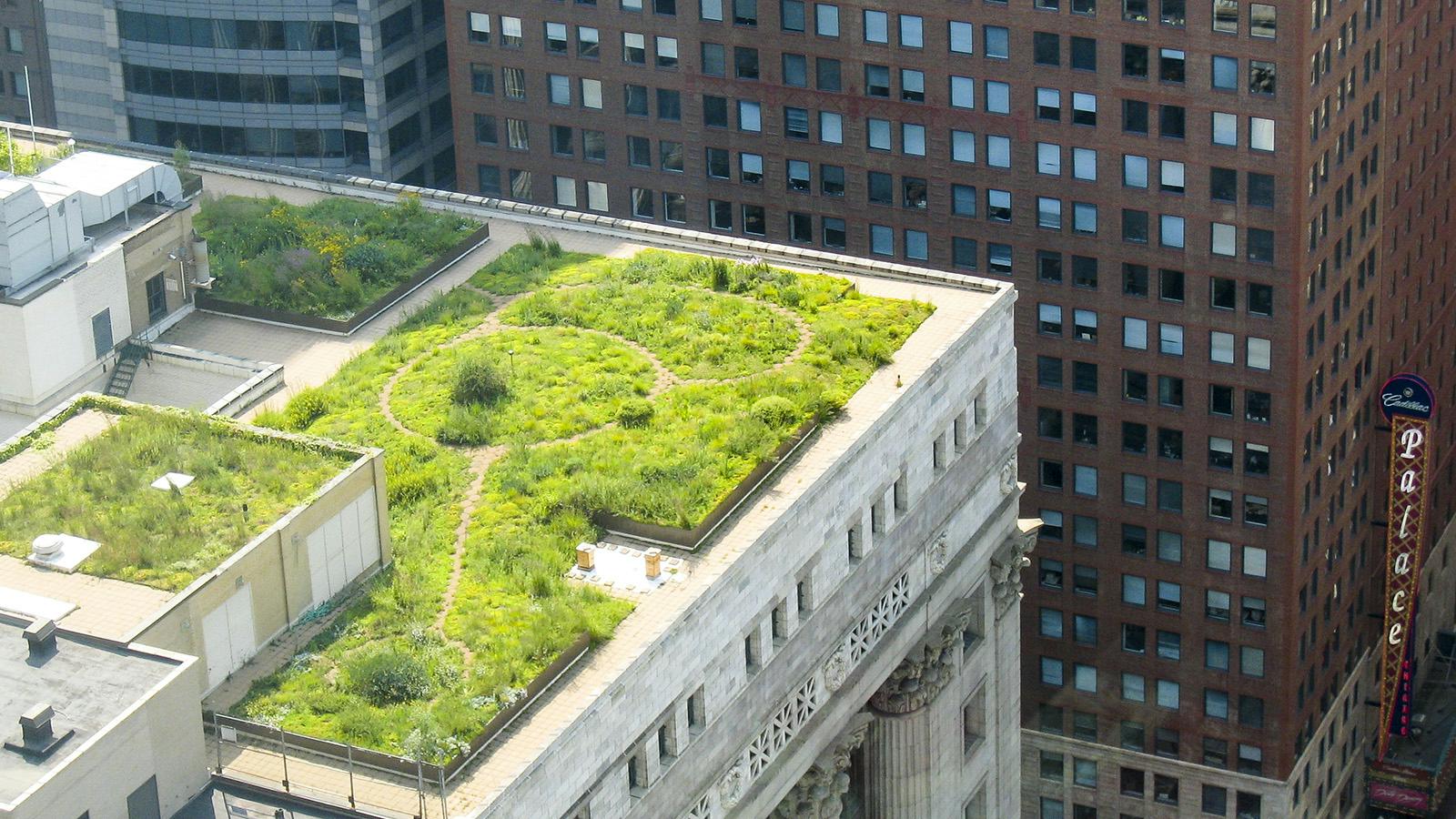
The future of urban design lies in cities that prioritize environmental stewardship. From eco-districts with self-sustaining infrastructure to green rooftops that reduce heat islands, architects are crafting spaces that resonate with ecological balance.
In Chicago, the extensive green roof program, including the iconic City Hall rooftop garden, has led to a 7°F reduction in urban heat island effects and a 75% improvement in air quality in adjacent areas.
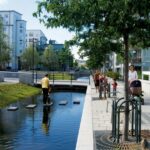
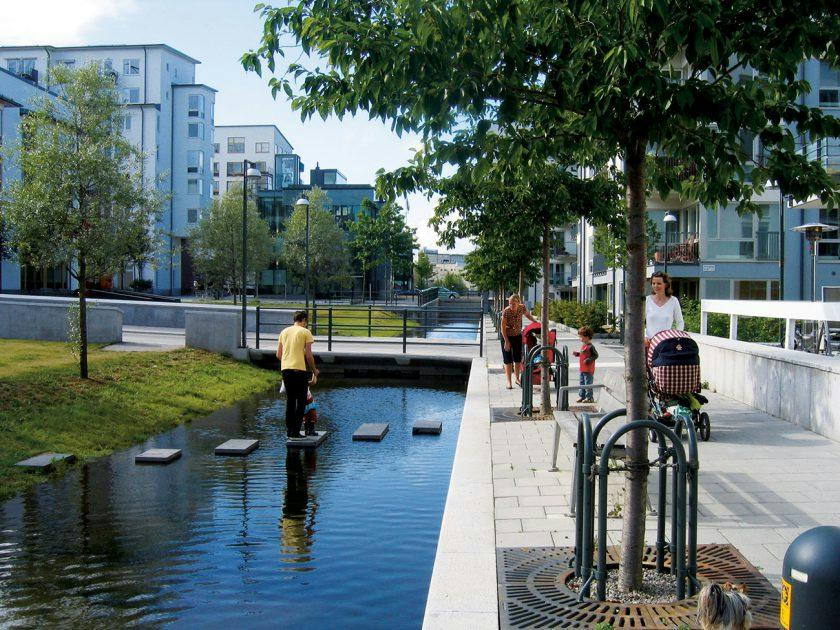
Similarly, in Stockholm‘s Hammarby Sjöstad eco-district, integrated renewable energy systems and green infrastructure have reduced carbon emissions by 40% compared to conventional urban developments. These landscapes are not just designed for humans—they’re integrated ecosystems that nurture both people and the planet.
Sustainable architecture is more than a trend—it’s a revolution in how we envision the built environment. By leveraging regenerative design, innovative materials, and eco-conscious practices, architects are reshaping urban landscapes and addressing environmental challenges head-on. Through storytelling and tangible action, sustainable architecture inspires a future where harmony between humanity and nature is not only possible but inevitable.
References:
Gossauer, M., & Meier, M. (2021). Sustainable architecture: From concept to realization. Springer.
Khosla, R. (2015). Designing in different climate zones: Energy efficiency in architecture. Renewable and Sustainable Energy Reviews, 42, 18-25. https://doi.org/10.1016/j.rser.2014.10.072
Bosco Verticale. (2018). The Vertical Forest: How Bosco Verticale Contributes to Urban Greening and Sustainability. Green Building Journal, 15(3), 32-36.
Ender, L. (2019). The Edge: A Revolutionary Green Office Building. Journal of Smart Buildings, 11(1), 43-48.
Jacobsen, L. (2020). CopenHill: Urban Waste-to-Energy Architecture. Environmental Design & Construction, 24(2), 50-55.
Kapoor, A. (2019). Rajkumari Ratnavati Girl’s School: Sustainable Architecture in Arid Regions. Journal of Green Architecture, 13(4), 78-82.
Auer, D., & Patel, P. (2019). Reducing Resource Depletion through Sustainable Design Practices. Environmental Science & Technology, 53(10), 6552-6559. https://doi.org/10.1021/acs.est.9b01693
Roaf, S., & Nicol, F. (2018). Designing Low-Carbon Cities. Journal of Urban Sustainability, 5(3), 90-101.
Nord, N. (2017). Green Roofs and Urban Heat Island Effect: A Case Study in Chicago. Urban Ecosystems, 10(2), 45-50.
Carlsson, M., & Holm, S. (2020). Eco-Districts and Renewable Energy Integration in Stockholm’s Hammarby Sjöstad. Journal of Sustainable Urban Development, 8(4), 61-65.