How Architecture Reveals Social Values
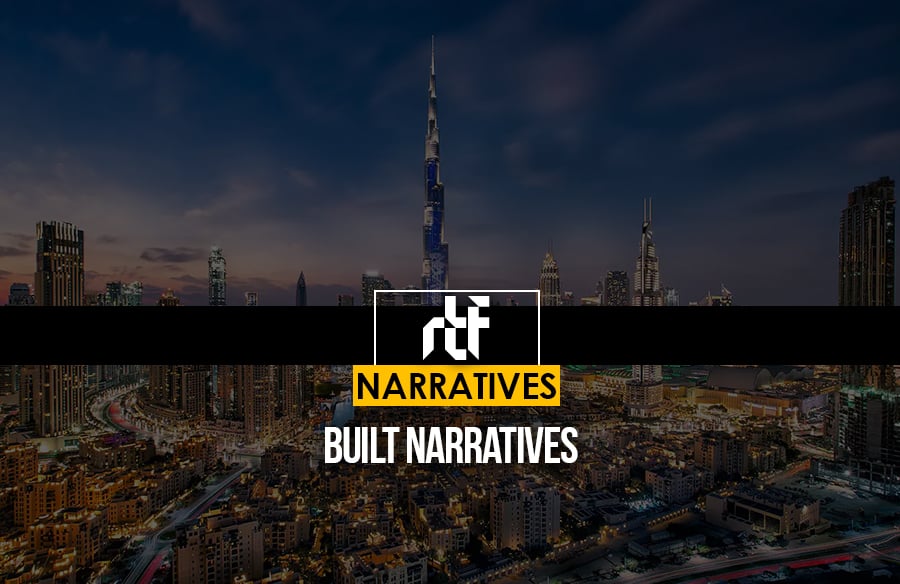
Architecture is beyond just bricks and walls; it is the epitome of society’s endeavors, preferences, and integrity. From time-worn temples to soaring skyscrapers, architecture narrates the tales of civilizations, introspecting their social, economic, and political realms. Today, exemplary structures like the Burj Khalifa in Dubai, encapsulate the multifaceted priorities of contemporary communities, portraying the way in which architecture is accustomed to depict advancements in technology, global interconnectedness, and progressive social standards.
Architecture as a Societal Reflection
Throughout history, Architecture has served as a mirror to social priorities. In the older times, significant structures like the Parthenon and Pyramids of Giza represented sacred adherence, centralized power, and the socio-political rankings of that era. The Renaissance introduced a center of attention towards humanism with architecture emphasizing proportion, symmetry, and aesthetics. Industrialization brought pragmatic solutions, as seen in the designing of railway stations, warehouses, and factories, at the same time the post-war period gave birth to Brutalist Architecture, introspecting resilience and performance in the face of rectifying efforts.
Even today, architecture strives to coexist parallelly with the wavering priorities of society. Sustainability, inclusivity, and technological advancements overrule present-day converse revealing a global focus on climate change, glorifying equity, and authorising technology to enhance the quality of life. Urban planners incorporate these values to design spaces that serve diversified culture while optimizing environmental and social outcomes.
The Burj Khalifa, the tallest building in the world since its completion in 2010, benches as a remarkable case of architecture mirroring societal values. As high as 828m in the sky, this landmark in the heart of Dubai sheaths the aspiration and integrity of the UAE.

Economic Priorities
Burj Khalifa embodies Dubai’s economic ambitions during its transformative period. Historically dependent on oil yields, the UAE resorted to transforming its economy by investing in tourism real estate and global finances. The development of Burj Khalifa during the 2008 financial catastrophe accentuated the resilience and grit of Dubai to emerge as an international player. The structure’s mixed use design showing off luxury residences, office spaces, and the plush Armani Hotel portrays Dubai’s tactics of outlining high net-worth personalities and cherishing high economic spirits. As an artifact of the city’s Downtown Dubai development, the Burj Khalifa acts as a magnet for global investment and tourism, boosting the UAE’s assorted economy.
Social Dynamics
Burj Khalifa also speculates on the social framework of Dubai- a cosmopolitan setup where East meets West. Designed by Adrian Smith of Skidmore, Owings & Merrill (SOM) and constructed by a multinational team, the structure exemplifies global collaborations. The sleek architecture exhilarated by Islamic art and design ideologies, amalgamates tradition with modernity, reverberating with both local and international audiences.
As a design that incorporates luxury, commerce and leisure, the Burj Khalifa resonates UAE’s desire to create a vibrant urban lifestyle. It displays how architecture can mold spaces that serve varied communities, nurturing inclusivity while appreciating cultural heritage.
Political Significance
Apart from its economic and social attributes, the Burj Khalifa holds profound political importance. Its soaring height and exemplary design project the UAE’s aspirations on the global front, strengthening its image as a modern progressive nation. The verdict to rename the structure in honor of Sheikh Khalifa bin Zayed Al Nahyan stresses the role of leadership in national development.
Architecture, in this context, becomes the tool of subtle power, embellishing a nation’s stature and influence. The Burj Khalifa illustrates how a built environment can provide symbols of pride, unity and ambition shaping not only skylines but also national identities.
Comparative Perspective:
On the contrary, to comprehend how architectural sensations resonate with societal values across time, the Eiffel Tower provides an insightful perspective. Built for the 1889 World’s Fair in Paris, the Eiffel Tower was a glorification of the Industrial Revolution. Its iron lattice structure, designed by Gustave Eiffel, threw light on advancements in engineering, technology, and materials, reflecting the technological accomplishments of France.

In the beginning, hesitation and criticism were evident, the Eiffel Tower gently became a cherished symbol of modernity and cultural identity. Like the Burj Khalifa, it outdid its actual purpose, emerging into a global marvel that resonates with the values of its era. While the Eiffel Tower appreciated the industrial revolution and national pride in the 19th century, the Burj Khalifa encapsulates 21st-century ideas of globalization, luxury, and technological innovation.
Emerging architectural trends prove that as societies continue to grow, architecture thrives to incorporate ideas of sustainability, inclusivity, and technological innovations, reflecting modern preferences.
Sustainability
With the entire world coping with climate change, sustainable architecture has emerged to become a central focus. Structures like Norway’s Powerhouse Brattørkaia and Singapore’s Marina One blend renewable energy systems, passive cooling techniques, and green spaces to reduce environmental impact. Urban planners are prioritizing dense, walkable cities that minimize dependence on personal vehicles and maximize resource efficiency. Marina One adopted solar panels for renewable energy and operates on shading louvers and a paramount green core to maximize natural ventilation, reducing cooling requirements. The building’s sweeping vertical gardens and the sprawling biodiversity-rich courtyard improve indoor air quality, mitigate urban heat, and boost sustainable living. This integrated design resonates with eco-conscious architecture, blending technology and nature seamlessly.
Inclusivity
Modern architecture also stresses inclusivity, designing spaces that serve varied populations. Universal design principles safeguard accessibility for every individual irrespective of their abilities or disabilities, while urban planning initiatives like “15-minute city” aspire to design equitable access to necessary services. The 15-Minute City conceptualizes urban living by assuring that all vital services —work, education, healthcare, and leisure—are accessible within 15 minutes by foot or bike. The essence of this concept is universal design, which stimulates inclusivity by including diverse needs through barrier-free access, tactile surfaces, and adaptable infrastructure. Architecturally, it highlights mixed-use developments, compact layouts, and adaptive reuse of spaces, promoting sustainability while preserving cultural heritage. Inclusivity is further attained by integrating affordable housing, lively public spaces, and green infrastructure. An exceptional example is Paris’s 15-Minute City initiative, which replenishes neighborhoods with accessible schools, green streets, and vehicle-free zones, ensuring equity and environmental consciousness.
Technological Advancements
Technological Advancements are rebuilding the potential of architecture. Smart buildings harnessed with IoT sensors optimize the use of energy and occupant comfort, whereas AI and robotics complement construction efficiency. Futuristic projects like Saudi Arabia’s NEOM anticipate cities that integrate technology with environmental harmony, reimagining how we live and interact with the built environment.
Architecture is a dynamic narrative tool, capturing the souls of a society’s values and expectations. From the magnificence of Burj Khalifa to the conscious designs of modern green buildings, the built environment narrates the story of human evolution and priorities. As societies experience new obstacles and opportunities, architecture will continue to evolve, giving future generations a tangible record of our journey through history. Within architecture’s bricks and beams lies the blueprint of our shared identity—a testament to who we are and who we aspire to be.
References:
Zero, V. (no date) Burj khalifa: An icon of modern architecture and design, Burj Khalifa: An Icon of Modern Architecture and Design. Available at: https://volzero.com/news/view/burj-khalifa-an-icon-of-modern-architecture-and-design.
Ghorbanzadeh, Mojgan. (2017). The harmony between architectural forms and structural: Case Study: Burj Khalifa Dubai. Bulletin de la Société Royale des Sciences de Liège. 360-371. 10.25518/0037-9565.6762.
The birth of the Eiffel Tower – Official Eiffel Tower website (2024) La Tour Eiffel. Available at: https://www.toureiffel.paris/en/the-monument/history.
Pisano, Carlo. (2020). Strategies for post-COVID cities: An insight to Paris En Commun and Milano 2020. Sustainability. 12. 5883. 10.3390/su12155883.
Paris is planning to become a ‘15-minute city’ (no date) World Economic Forum. Available at: https://www.weforum.org/videos/paris-is-planning-to-become-a-15-minute-city-897c12513b/