As Technology and the global needs of people begin to grow and change, the shape architecture takes gets significantly affected. With the advent of image-generating diffusion models and other AI tools, the role of a designer and the types of designs generated are often brought into question. Similarly, with the unexplored markets in the Middle East and South Asia, new cities are on the rise, each with its agenda giving opportunities to explore architectural themes that are innovative and exploratory. Here are a few tools and trends that can shape the future of Architecture
New Cities
The curiosity about what cities might look like in the future has been an area of interest for architects. From the walking cities articulated by Archigram to more utopian and dystopian visions of the urban sprawl by Frank Loyd Wright and Le Corbusier have always captured the creative interests of architects.
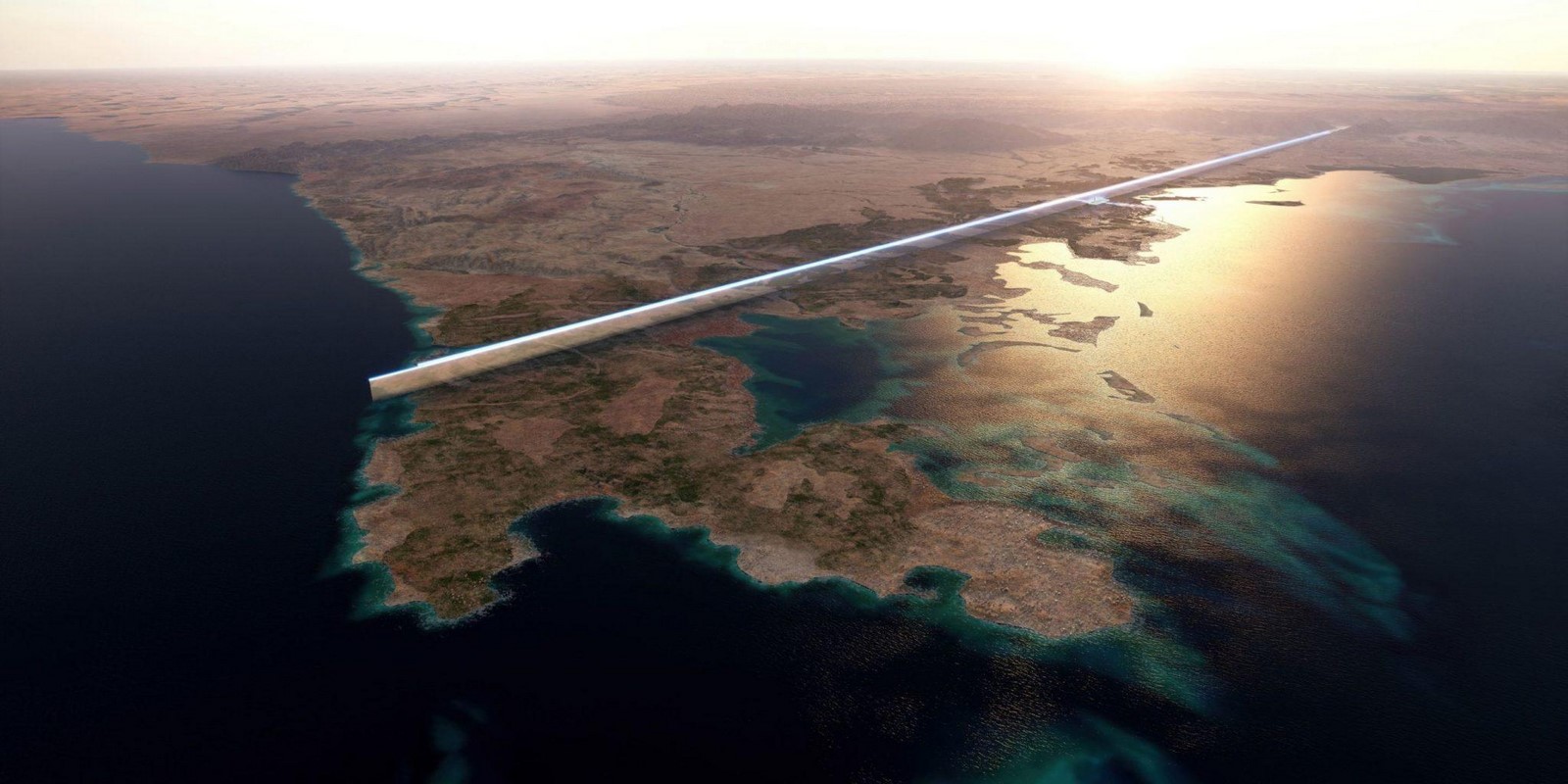
With projects such as ‘The Line’ in Saudi Arabia, we are witnessing the designs reflecting a contemporary way in which humans live. It presents the idea of a society that does not need private modes of transportation and has zero pollution and traffic while promising a life where everyone is connected as well as maintaining proximity to nature. The emergence and manifestation of such an experimental proposition signals a new way of habitation
With this one can only assume that architecture in the future will begin accommodating flying cars, automated living services and spaces assisted with virtual assistants, and other technological advancements that change the course of the human living experience.
Artificial Intelligence
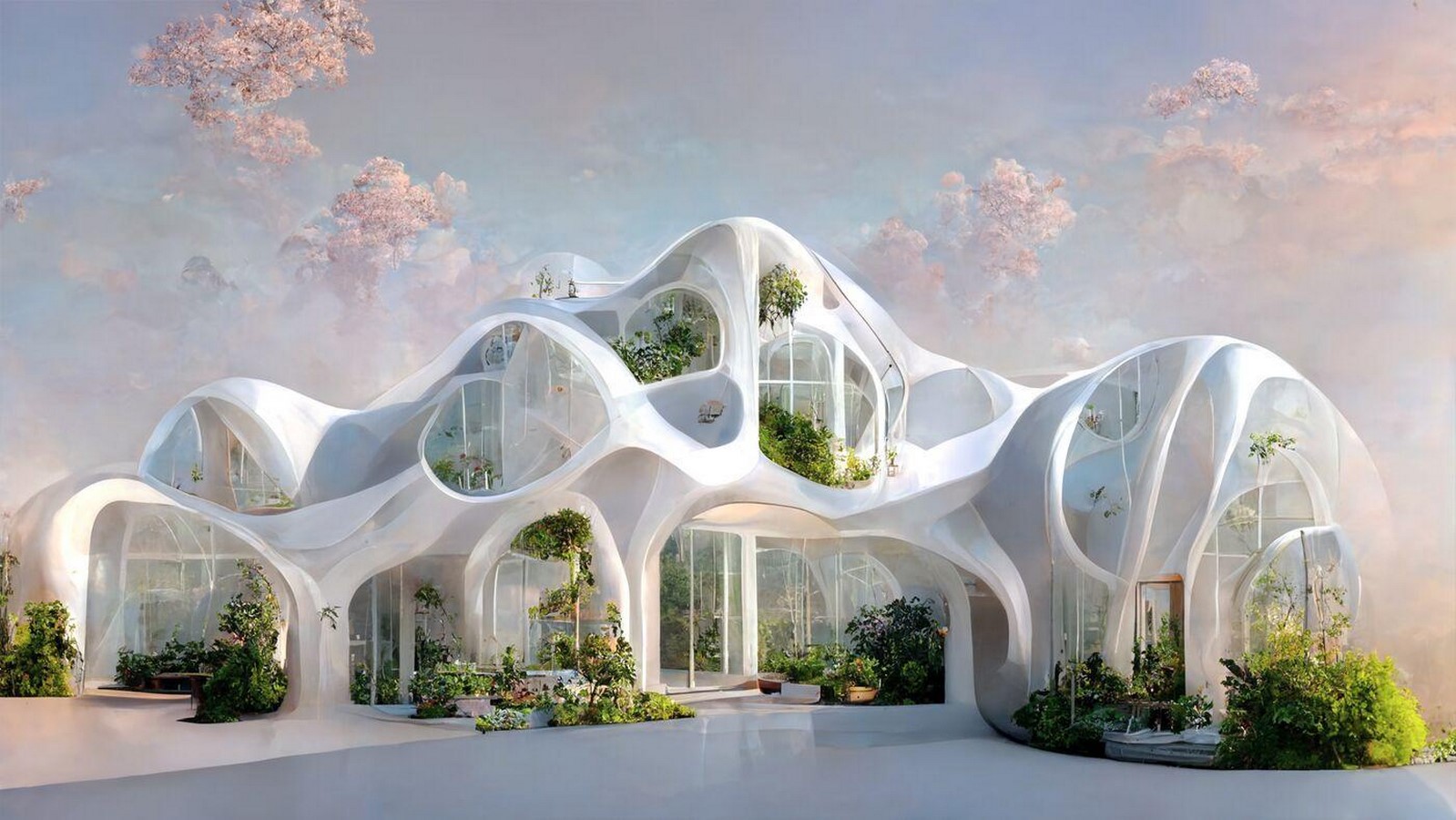
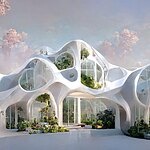
AI (Artificial Intelligence) in architecture is a rapidly growing sector that focuses on mimicking the visual and cognitive skills of a designer. Currently, it cannot be a dynamic problem solver that responds to complex situations. Tools like Mid Journey and Dall-E have been successful in making text into images and 3D meshes but have not been successful in making comprehensive buildable solutions yet.
Machine learning and applying AI to tools can help reduce repetitive and redundant tasks and enable a smoother and more comprehensive workflow for designers. It can help generate multiple suitable iterations for zoning and urban planning. And can help alter building information embedded in materials and building services across various drawings and documents all at once. More than replacing the role of a designer in the future AI would increase efficiency and aid the designer by eliminating mundane repetitive tasks
Immersive Experience

Architecture has always been synonymous with building. Traditionally a physical manifestation of an idea in the form of scaled models or small prototypes has been practiced to test the experiential and practicality of the idea. With the affordable availability of Virtual Reality technology, the horizons of architecture extend to experiences that do not require much from the physical world. It also helps in communicating construction information through innovative ways of visualization leading to a massive exchange of information. It helps visualize complexities, limitations, and opportunities without wasteful utilization of resources and can enhance effective communication between designers, engineers, and construction personnel.
Sustainability
The changes in anthropology as the result of excessive harvesting of resources can be seen in the altered landscape of the earth. The need to preserve and be conscious of the resources utilized becomes extremely important. The built environment contributes to 40% of the total global carbon emissions. Here sustainability becomes a prerequisite to the design of the built environment. One must consider the type and quantity of resources, fabrication process, and waste generated because of it. Sustainability will have to move away from a list of criteria to be met to a more holistic approach integrated with design.
Material Revolution
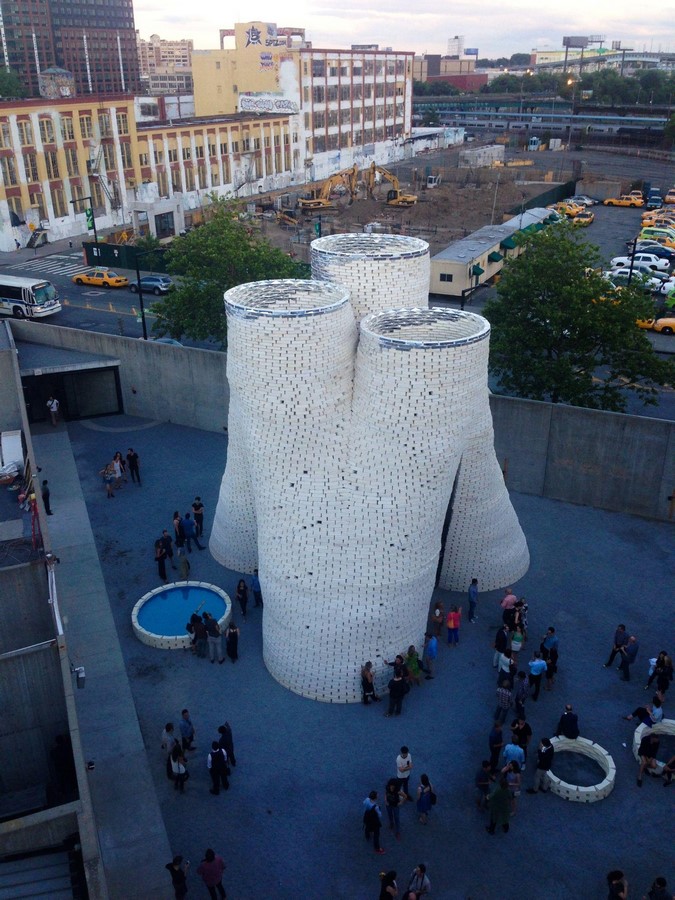
With the future looking at sustainable and environmentally friendly methods of building, there needs to be a shift in building materials and their application. With the current advancements in the use of ceramics, porous concrete, and transparent solar panels, one can imagine the implications of these on the way we design our buildings. Other materials that we can see more of in the future are fabrics, mycelium, algae, and others that are either developed with the goal of being reusable or decomposable.
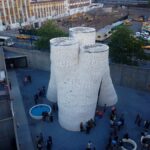
The fabric has been used as a material for formwork for concrete shells to replace the use of wood and steel. This was famously exhibited in a pavilion called Knit Candella designed by Zaha Hadid Architects.
Robotic Fabrication
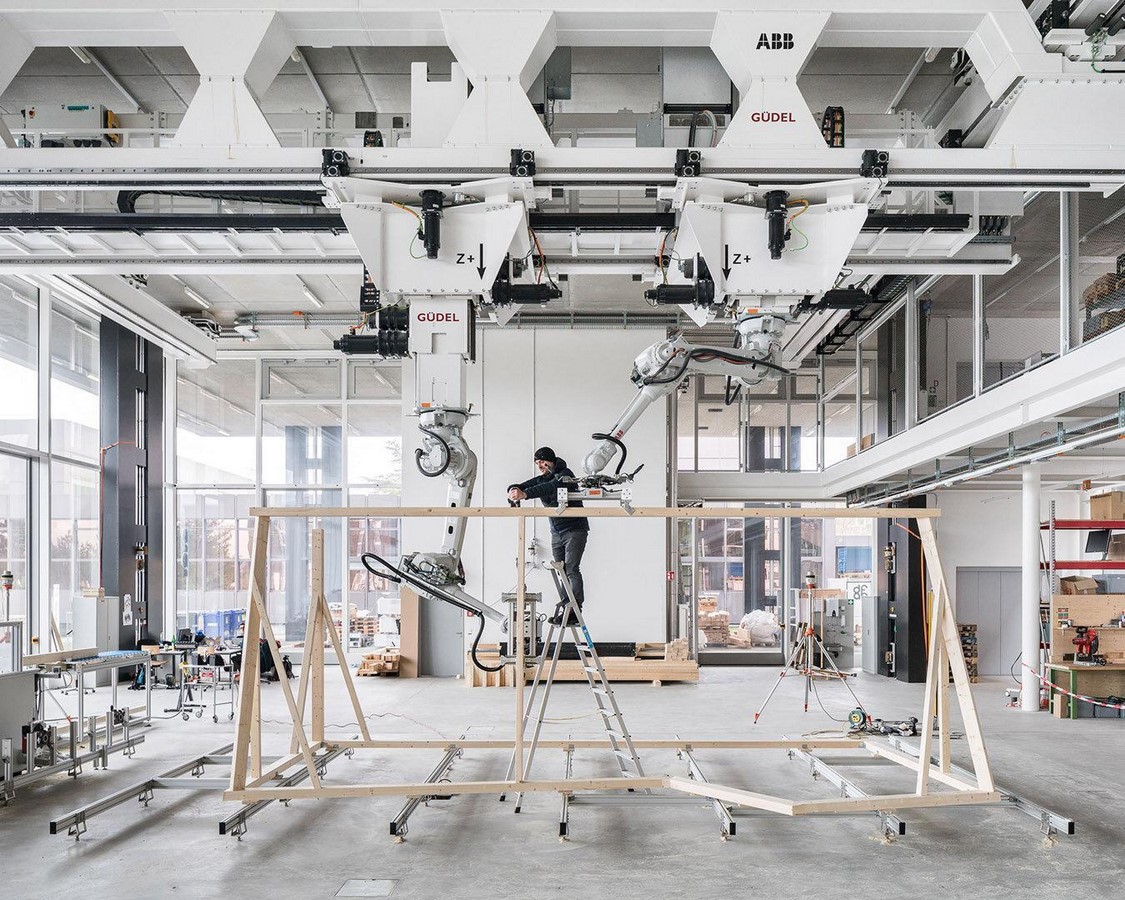
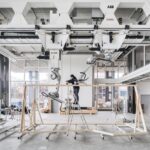
A large portion of architecture is realizing ideas in the physical world. Robotic fabrication has been used since the 1960s with tools like CNC milling and laser cutting. In the last few decades innovations in tools like 3D printers, and robotic arms with varying toolheads have opened a new way of fabrication along with new possibilities. These tools have enabled faster, more accurate modes of fabrication that reduce the amount of human effort required to build.
The Future of Architecture holds a new array of possibilities that require us to learn and master new tool sets and encourage collaboration with other fields such as material sciences, programming, and robotics. To look into the future of architecture is to understand the importance and methods of staying relevant to the needs of the time
References:
Brian, J. (2023) The Future of Architecture: How Ai Is Changing the game, LinkedIn. Available at: https://www.linkedin.com/pulse/future-architecture-how-ai-changing-game-joseph-brian/ (Accessed: 13 January 2024).
The line (no date) a revolution in urban living. Available at: https://www.neom.com/en-us/regions/theline (Accessed: 14 January 2024).
McLaughlin, K. (2023) The 6 most futuristic cities being built around the world, Architectural Digest. Available at: https://www.architecturaldigest.com/gallery/futuristic-cities-concept-roundup (Accessed: 14 January 2024).
Mortice, Z. (2023) Vision setting and problem solving: AI in architecture is Changing Design, AI in Architecture is Solving Problems and Changing Design. Available at: https://www.autodesk.com/design-make/articles/ai-in-architecture (Accessed: 14 January 2024).
Silva, F. (2021) Architecture’s carbon problem, Blueprint For Better. Available at: https://blueprintforbetter.org/articles/architectures-carbon-problem/ (Accessed: 14 January 2024).
Think Architecture (2023a) 5 trends shaping the future of Architecture, Think Architecture. Available at: https://www.thinkaec.com/5-trends-that-could-shape-the-future-of-architecture/ (Accessed: 14 January 2024).
Think Architecture (2023b) 5 trends shaping the future of Architecture, Think Architecture. Available at: https://www.thinkaec.com/5-trends-that-could-shape-the-future-of-architecture/ (Accessed: 14 January 2024).
Zaha Hadid architects (no date) KnitCandela – Zaha Hadid Architects. Available at: https://www.zaha-hadid.com/design/knitcandela/ (Accessed: 14 January 2024).