At first glance, architecture may appear as a silent and rigid element. However, this initial perception belies that architecture is a dynamic language that waves the different experiences of users and the expressive nature inherent in architecture. Beyond its physical forms, architecture has a vibrant vocabulary composing materials, forms, colors, and spatial arrangements that change in time and place. Considering the dynamic nature of architecture invites us to change our perspectives on architectural spaces as several connections of societal values in daily life, and cultural and historical identities. This approach to architecture encourages an environmental connection with nature highlighting the environmental consciousness among users.

Daily Connection: Time and Place
Architecture is capable of shaping and creating unique experiences and influencing users’ perspectives across diverse times and places. Architecture can be seen in anything from the intimate design of personal to public spaces, it also architecture serves as a dynamic canvas for the expression of creativity and functionality that includes a rich and meticulous consideration of details in daily users’ connection such as materials, the play of natural lighting and infusion of colors that life breathes into spaces, leaving a liveable and an indelible mark on the inhabitants and visitors alike.
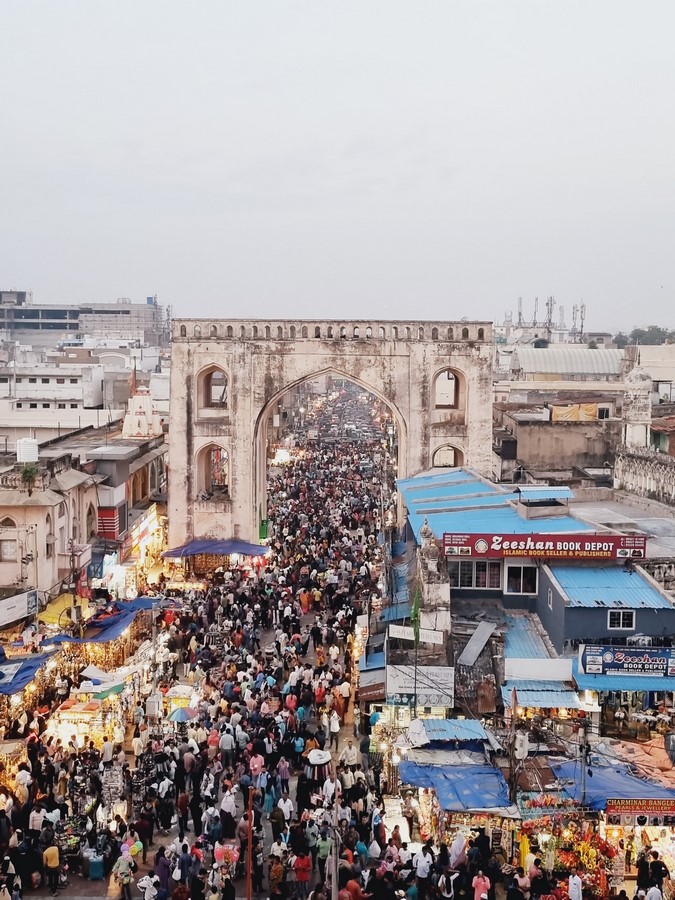
Cultural Connection: Visual appearance of urban environment
Living in an urban environment can enrich a user’s life with different senses through the lens of architecture that can change the whole perspective of urban living to create a dynamic interplay of the culture image beyond its physical structure stacks in the mind between architectural designs and the urban environment that create very dynamic experiences that resonate with cultural and historical depth. The architecture can transform the physical structure that appears as concrete and steel elements into the stories, traditions, and identities of cultural connections of the community. The visual appearance of the city or urban environment, with its diverse architectural styles weave a dynamic picture of the culture it embodies.
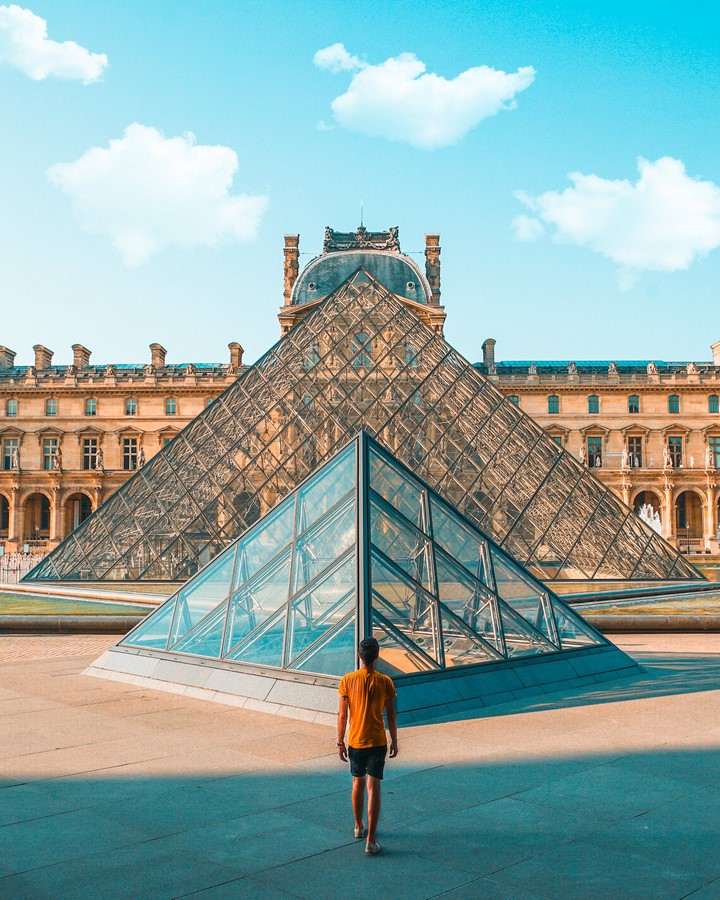
Historical connections: Reflections of past and future
Historical architecture involves users in a time machine. that offering a ticket between the past, present, and the future with a glimpse into human history. Exploring ancient architectural heritage connects users’ perspectives with the past in a tangible way. These architectural treasures stand as permanent witnesses, revealing stories of triumphs and societal transformations. Engaging perspectives with historical architecture sparks a reflection on the continuity of human experiences that connect past, present, and future.
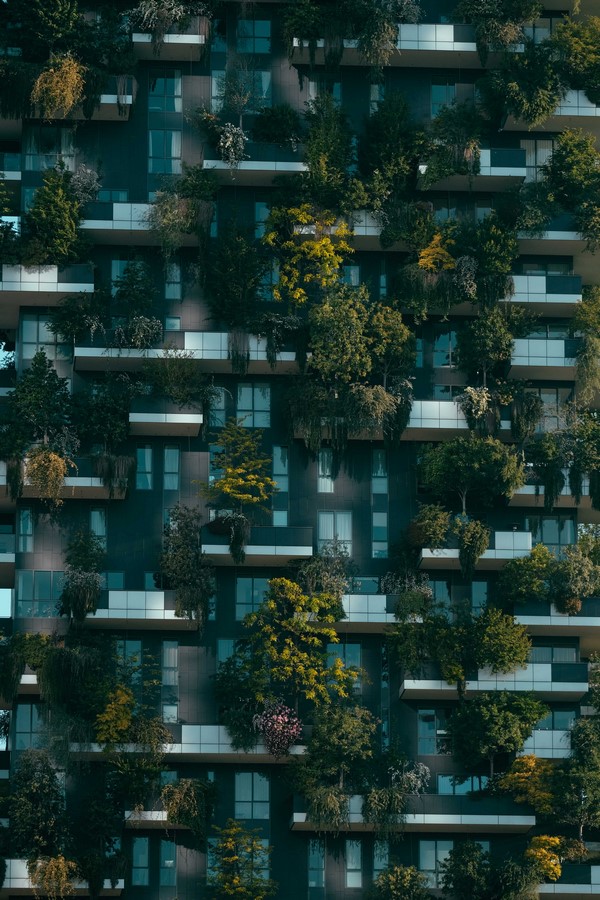
Natural Connection : Environmental conciseness
This era is defined by environmental challenges, and architecture can play a significant role in user conciseness and awareness in fostering a natural connection to go beyond the traditional boundaries between the built and natural environments. Architecture can be a catalyst for transforming individual perspectives into a heightened conciseness of environmental responsibility. Also, it encourages sustainable practices for daily habits in using materials, energy, and so on. Through the connection of eco-friendly technologies, green spaces, and energy-efficient designs, architecture concerns a sense of users’ perspectives that create a very dynamic relation between built structures and natural environments to inspire perspectives and embrace a more sustainable lifestyle. Therefore architecture acts as a powerful connection that changes consciousness toward a harmonious coexistence with the environment.
Conclusion
In conclusion, architecture has a dynamic force shaping life and influencing our perspectives in the various connections to powerful dimensions. It serves as a dynamic language that speaks behind a silent structure reflecting societal values, and historical and cultural identities. These dynamic connections extend into daily lives and transcend the traditional boundaries of place and time alike. Architecture entangled experiences that shape our consciousness and create an interplay between architecture and human experiences. In other words, architecture in its dynamic essence creates a dialogue between the structure and multifaceted dimensions of our lives.
Image Sources
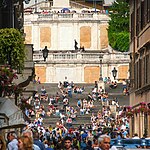
Image 01: Photo by Piotr Arnoldes from Pexels: https://www.pexels.com/photo/group-of-people-walking-and-sitting-on-street-6057694/ (2015) Online] [Accessed on 8th of December 2023]
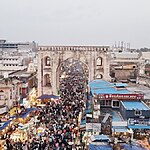
Image 02 : Photo by Sidhvil Gupta from Pexels: https://www.pexels.com/photo/crowd-at-the-charminar-kaman-in-hyderabad-india-19266334/ (2023) Online] [Accessed on 8th of December 2023]
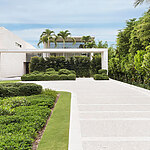
Image 03 : Photo by Tommy Milanese from Pexels: https://www.pexels.com/photo/man-standing-in-front-of-louvre-museum-of-paris-2704910/ (2019) Online] [Accessed on 8th of December 2023]
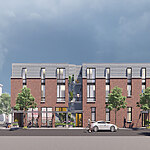
Image 04 : Photo by Francesco Ungaro from Pexels: https://www.pexels.com/photo/modern-residential-building-facade-decorated-with-green-plants-4322027/ (2020) Online] [Accessed on 8th of December 2023]