Architecture, the art of building structures, has long been intertwined with the stories of human civilisation. Each edifice, from the rudimentary caves adorned with ancient paintings to the towering skyscrapers of today, bears witness to the values, aspirations, and narratives that shape society. Yet, as our planet confronts dire environmental challenges and the depletion of vital resources, architecture finds itself at a crossroads. The urgency for a sustainable future beckons us to rethink our approach.
The Urgency for Sustainable Architectural Narratives
As humanity grapples with the consequences of its relentless exploitation of natural resources and the impacts of climate change, architecture stands at a critical juncture. The urgent need for a radical shift in architectural practices is evident, requiring a departure from the conventional and embracing sustainability. The buildings and structures we create must tell a new story about responsible resource management, ecological sensitivity, and preserving our planet for future generations.
In this era of architectural storytelling, the imperative of sustainability resonates deeply. Architects, designers, and innovators are reimagining the built environment, seeking harmony with ecological balance, energy efficiency, and a diminished carbon footprint. Concepts like green roofs and vertical greening emerge as symbols of humanity’s desire to coexist harmoniously with nature, integrating living vegetation into structures to insulate, reduce heat impact, and foster biodiversity. These architectural interventions transcend mere functionality; they embody humanity’s commitment to harmonious coexistence with nature.
Carefully planned architecture always tells a story. This can relate to various aspects: the place, a particular era, a person, an institution or an entire family. Architecture has an apparent attitude, which may take time to be visible. Sometimes you only understand the references when you have lived in a house or an apartment for some time – or because you know a bit more today than you did yesterday.
Materialities talk
Above all, the materials chosen and used have natural origins, allowing us to perceive temporalities. Three essential elements and many others are heard as follows:
Stone
The use of natural stone combines high architecture with local geology. And this is not only because of its selection and texture but also through the use of local craftsmen, whose knowledge is valuable because they are very familiar with the material. Thus, the history of the material becomes part of a home. Stone says something about protection and durability. Its sheer mass regulates temperature fluctuations and has something monumental per se (regarding its appearance and cost).
Concrete
Concrete consists of three basic ingredients – cement, water and aggregate (usually gravel and sand) – and is the world’s most widely used building material. A chemical reaction, namely hydration, transforms what is initially a highly plastic concrete slurry into its exact opposite, a high-strength building material. The process itself is ancient; the Romans were already using it. However, the means and methods have remained the same to this day.
The concrete formwork must be designed so the concrete slurry cannot leak out during its curing. It is often this very formwork that has a significant influence on the later character and texture of the concrete. The narrative quality of concrete thus lies in its manufacturing process: through the way it was formed, the aggregates used, the colour and the texture.
Wood
Renewable, timeless, and warm – these are just a few of the many significant characteristics of wood. A wood’s narrative qualities can stem from its origins – recycled lumber, for example – or from the environment in which it was grown.
Any material can serve as an occasion for design storytelling.
Futuristic Architectural Narratives: From Bubbletecture to New Frontiers
Another compelling facet of sustainable architecture is found in the realm of passive houses. These dwellings are meticulously designed to optimise energy efficiency, utilising strategic insulation, airtightness, and controlled ventilation. By harnessing natural elements such as solar energy and passive heating and cooling techniques, passive houses reduce energy consumption while ensuring the well-being of their inhabitants. In their very essence, these structures narrate stories of sustainable living seamlessly woven into the fabric of daily life.
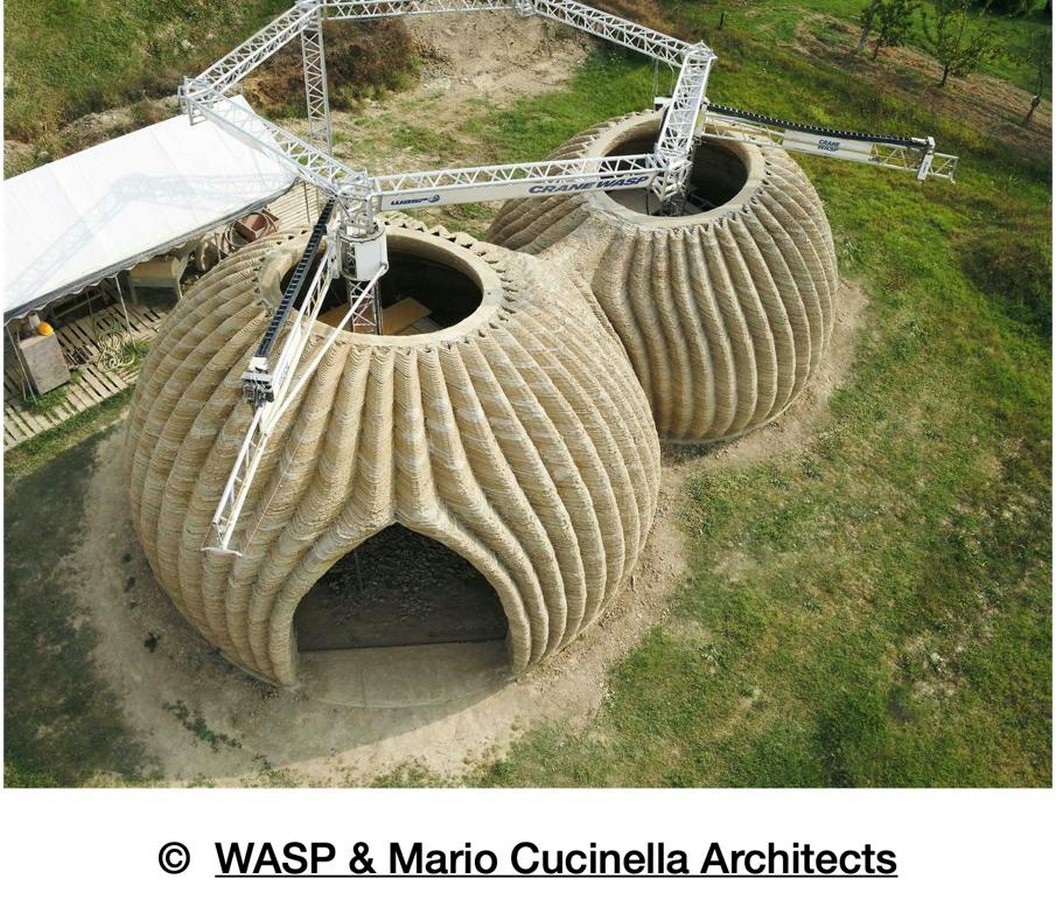
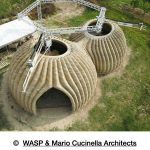
Recognising the scarcity of traditional construction materials like concrete, architects seek alternative resources and innovative methodologies. The TECLA project by MC A – Mario Cucinella Architects is a striking example, showcasing the potential of 3D printing technology and natural materials like clay. This groundbreaking initiative intertwines ancient wisdom with modern technological prowess, echoing a story of sustainable construction that challenges the resource-intensive practices of the past while creating aesthetically stunning architectural forms.
As we gaze toward the future, the boundaries of architectural possibility expand before us. Futuristic architectural narratives embody innovation, technology, and sustainable principles, pushing the limits of human imagination.
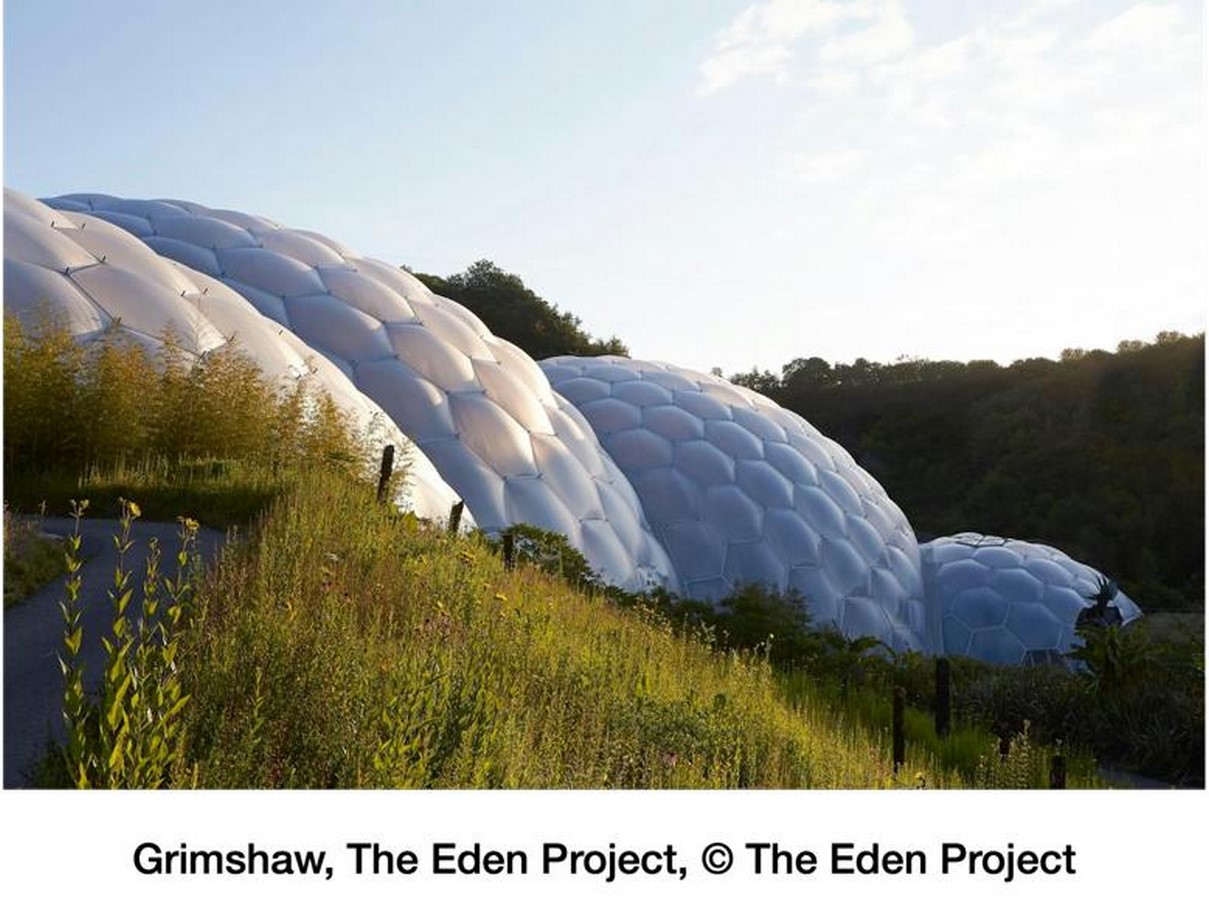
Bubbletecture or blow-up architecture, a fascinating concept that defies traditional notions of permanence, unveils inflatable structures crafted from advanced materials. These flexible, transportable spaces narrate tales of adaptability and resilience, reflecting architecture as a dynamic and responsive entity capable of accommodating diverse needs and contexts.
Advancements in 3D printing technology continue to revolutionise the architectural landscape, enabling the construction of intricate and sustainable designs. These cutting-edge techniques can revolutionise building, using abundant, eco-friendly, and locally sourced materials. Using recycled plastics, biodegradable composites, and even regenerative materials derived from natural sources demonstrates a shift towards sustainable construction practices and eliminating resource scarcity concerns.
Imagination Expansion by AI
Yet, the realm of architectural storytelling transcends the boundaries of our earthly domain. The architecture assumes a new narrative as humanity explores space and colonises extraterrestrial habitats. The concept of Martian architecture, for instance, reimagines structures that sustain human life on the Red Planet, defying traditional architectural forms, materials, and adaptation. These narratives intertwine the complexities of space exploration, scientific innovation, and sustainability, offering a glimpse into a future where humanity transcends the confines of Earth.

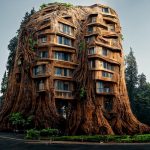
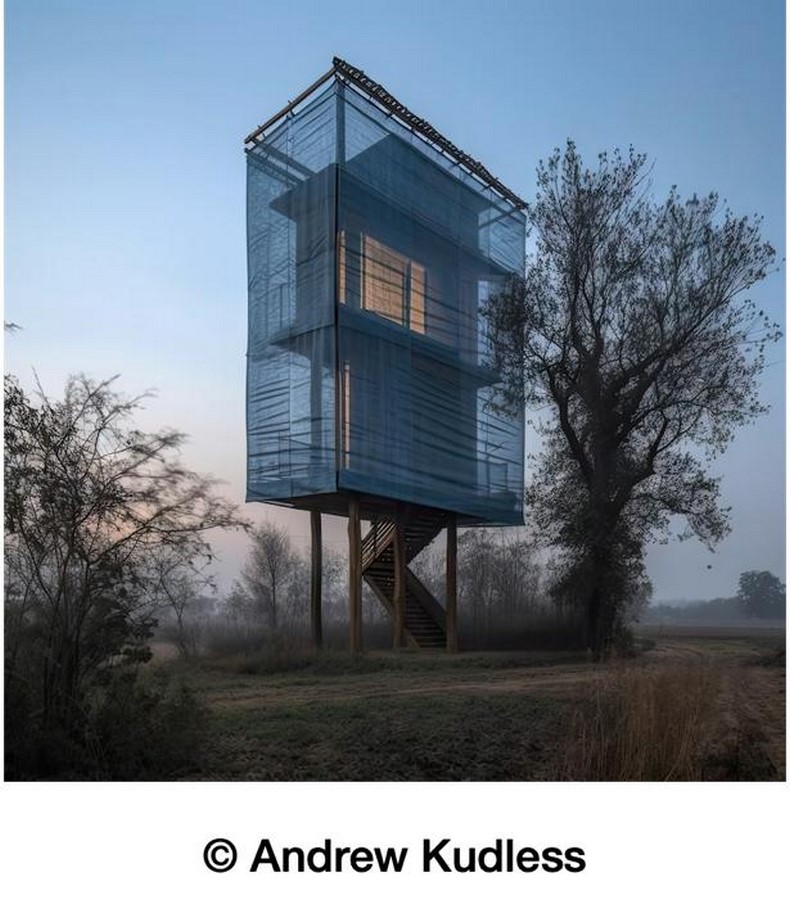
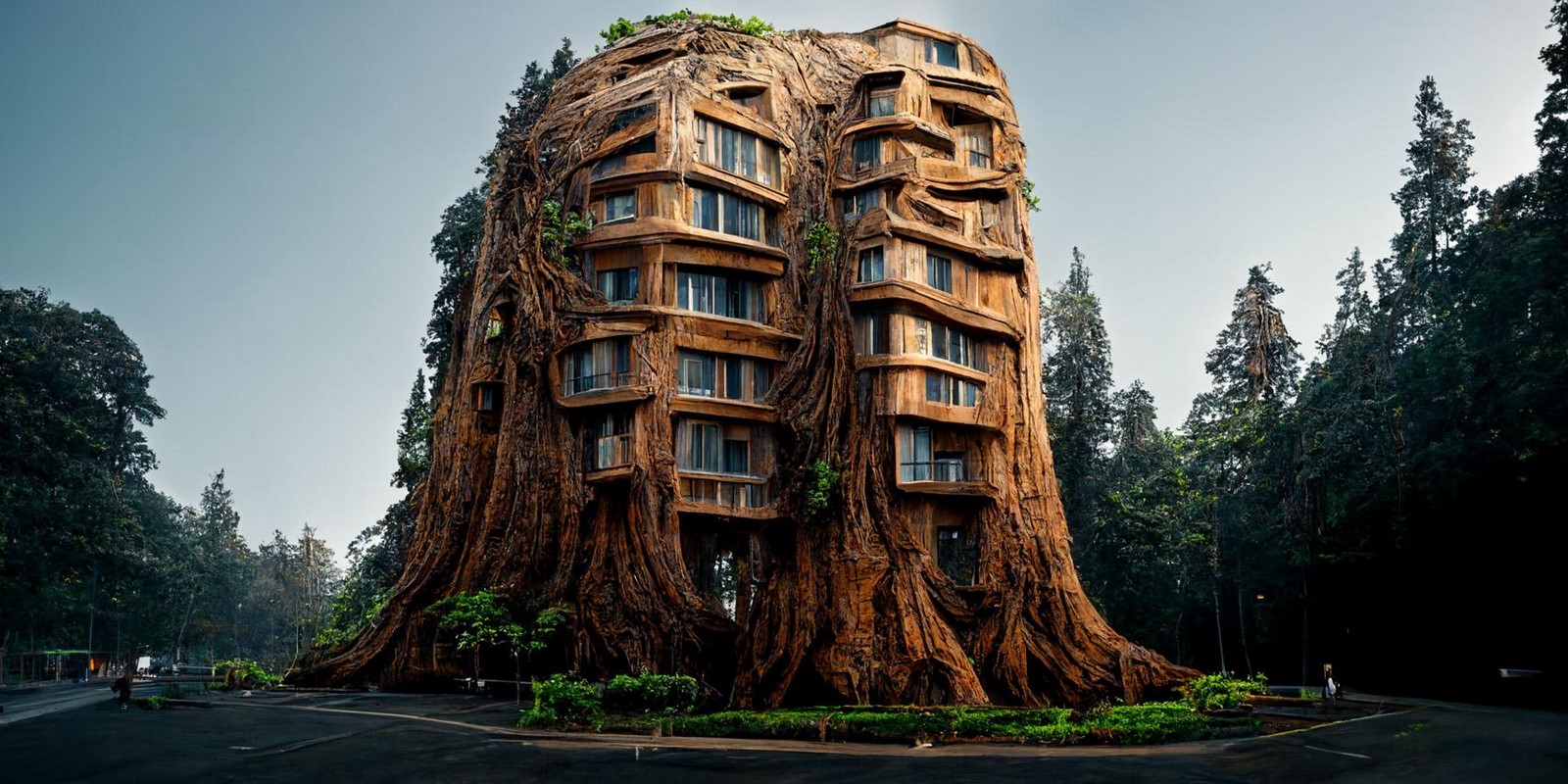
In the realm of architectural storytelling, a fascinating narrative unfolded—a convergence of human creativity and the mysterious realm of artificial intelligence (AI). Architects embarked on an exploratory journey, guided by AI’s data-driven insights, to reimagine the essence of architecture and shape a sustainable future. AI emerged as a catalyst for change, empowering architects to navigate uncharted territories and challenge traditional boundaries. By harnessing AI’s analytical capabilities, architects gained access to a wealth of data and insights, informing their decision-making processes and enhancing their creative vision. This partnership between human intuition and machine logic unlocked new pathways for sustainable design, pushing the limits of what is conceivable. AI-generated images do not serve as traditional design concepts; instead, as collections, they unveil a sensation, atmosphere, and potential.
The Power of Architectural Storytelling for a Sustainable Future
Architectural storytelling is a powerful catalyst for change, inspiring individuals and communities to embrace sustainable practices and envision a better future. Through thought-provoking designs, sustainable materials, and innovative construction techniques, architects can weave narratives of resilience, resourcefulness, and a commitment to ecological balance.
As the demand for sustainable architecture grows, it is essential to consider the broader context of storytelling beyond individual buildings. The environment is as crucial for it as its constructions. Landscape architecture and the design of public spaces provide opportunities to create narratives that connect communities, foster biodiversity, and enhance the quality of life. By integrating green spaces, urban forests, and sustainable infrastructure, architects can shape environments prioritising human well-being while reducing the ecological footprint.
Architectural storytelling also extends to the realm of education and public awareness. Design exhibitions, interactive installations, and community workshops can engage and empower individuals to participate actively in the sustainable architecture movement. By showcasing sustainable design principles and their impact on society, architecture becomes a medium through which stories of change, resilience, and collective responsibility are communicated.
Future designs and talks
The future of architecture lies in embracing sustainability as a fundamental pillar of design. By reimagining construction materials, integrating green technologies, and nurturing innovative approaches, we can create a built environment that tells stories of responsible resource management, ecological stewardship, and harmonious coexistence with the natural world. Through architectural storytelling, we can shape a future that transcends the boundaries of what is conceivable, leaving a legacy of sustainable, captivating, and inspiring structures for generations to come.
Sources:
Dreith, Ben (2022): How AI software will change architecture and design, in: Dezeen, 05.12.2022, [online] https://www.dezeen.com/2022/11/16/ai-design-architecture-product/.
Francis, Sharon (2019): Bubbletecture: Inflatable Architecture and Design, Phaidon Press.
Image 1: Wasp (n. D.): TECLA – Technology and Clay ©WASP & Mario Cucinella Architects [online] https://www.3dwasp.com/en/3d-printed-house-tecla/
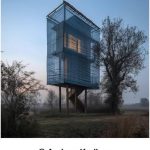
Image 2: Grimshaw (n. D.): The Eden Project: The Biomes in Cornwall, UK, [online] https://grimshaw.global/projects/culture-and-exhibition-halls/the-eden-project-the-biomes/.
Image 3: AI Spacefactory (n. D.): MARSHA — Building a Mars Habitat, AI Spacefactory, [online] https://www.aispacefactory.com/marsha.
Image 4: Buildings – Matsys (n. D.) AI Generated Architectural Sketches ©Andrew Kudless. Online: Matsys, [online] https://www.matsys.design/buildings.
Image 5: AI Generated Architectural Sketches – nature blended with architecture ©Manah Bhata. Online: https://www.dezeen.com/2022/11/16/ai-design-architecture-product/