There are innumerable lessons to be learned from studying and practicing architecture. The discipline itself requires a fair degree of knowledge as it lies at the convergence of a plethora of fields ranging from art, design, engineering, and environmentalism among others. Moreover, certain skill sets essential for success in this field can be readily transferred to nearly every other aspect of life. Perhaps the most vital among them are those of effective time management and structured workflows. These are especially relevant now when distractions and barrages of information abound from a digitally-driven world that constantly strives to capture your attention.
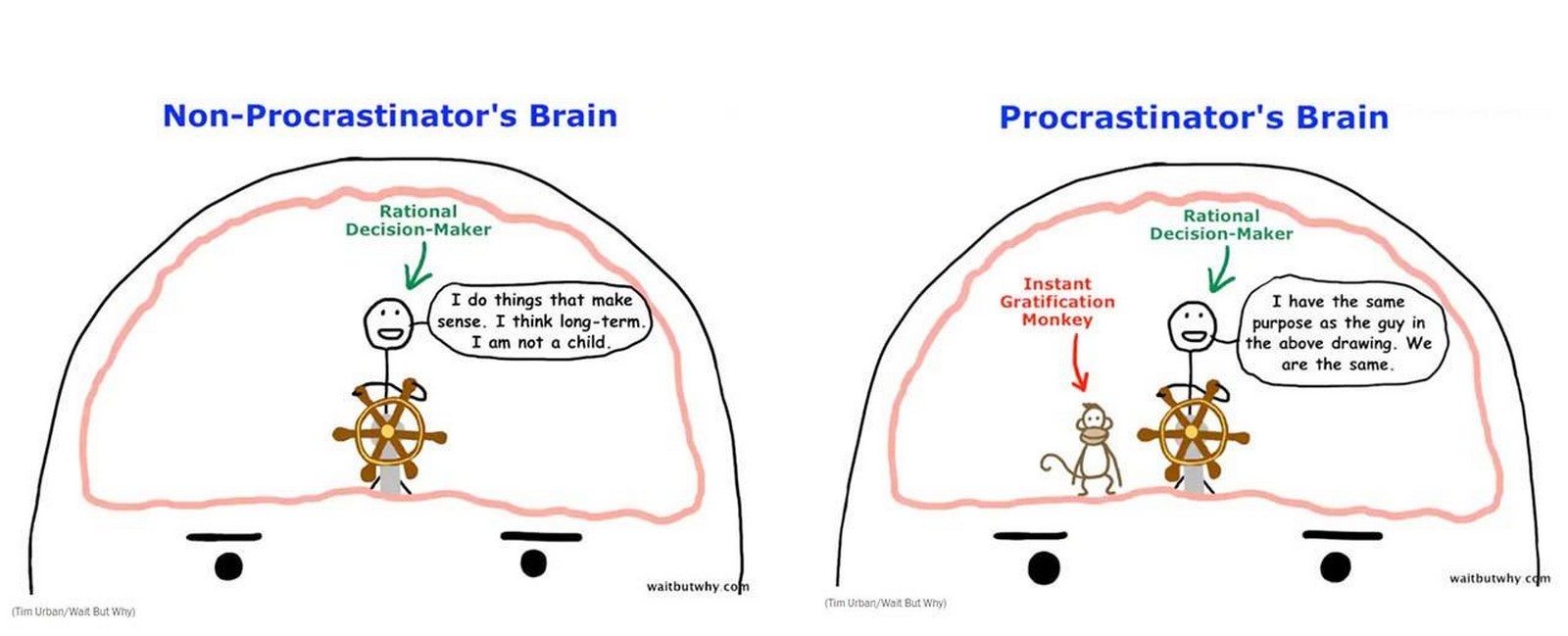
It is often said that Mozart completed the overture to his opera ‘Don Giovanni’ on the morning of its premiere. However, few among us can legitimately profess to be geniuses capable of replicating such feats. Ironically, the adage of artists and architects burning the midnight oil in a frenetic attempt to complete their work is one that most employed in these professions will have experienced firsthand. Some may even believe that it is when their best ideas are born. Despite this, it is now a well-accepted fact that constant last-minute work conducted under sleep deprivation is detrimental to an individual’s well being and should not be practiced regularly. Architects that indulge in this approach may often be weighed down by the technicalities and nuances required of practice but may also be guilty of improperly budgeting their time and not structuring their workflow effectively. The latter was painfully evident in my case.

My journey in the realm of architecture so far has involved a grating and often fruitless struggle against indolence and perfectionism, seeing progress undercut by relapses, much like Sisyphus forcing his boulder uphill. The manifestations of these impediments were an unending capacity for procrastination and my subpar organizational skills. Even the nature of my decision to adopt architecture as a career path was fairly off the cuff and took place at the close of my final year in school when left with little time for further delay.
At the time, the obvious way forward appeared to be through the field’s standardized collegiate aptitude test commonly referred to as the NATA exam. I enrolled in a NATA preparatory program where I thoroughly enjoyed the instruction and content – particularly due to my fondness for drawing, but struggled to submit assignments on time. These were symptoms of a persistent ailment that resurfaced as time wore on. On failing to complete my exam on the first attempt, I was left feeling deeply disappointed and I ventured to try again in the hope of raising my cumulative score – which yielded some degree of consolation and helped me gain entrance to an institution to commence my studies in architecture.
As many who have endured it know from experience, the first year of architectural education is a true test of fire – a crucible that alerts you to the unrelenting demands of the life that lies ahead. The stress and disorientation encountered in the confrontation of this formidable new discipline and its unending stream of assignments that leave little room to breathe are enough to overwhelm anyone. Again, I constantly grappled with deadlines and missed them more often than not. All-nighters were normalized over time, and the following mornings were spent in a nominally functioning, sleep-deprived haze. Here, old procrastinatory habits and new freedoms encountered through the limited supervision in hostels resulted in a muddled work ethic that compromised my introductory chapter to the discipline.
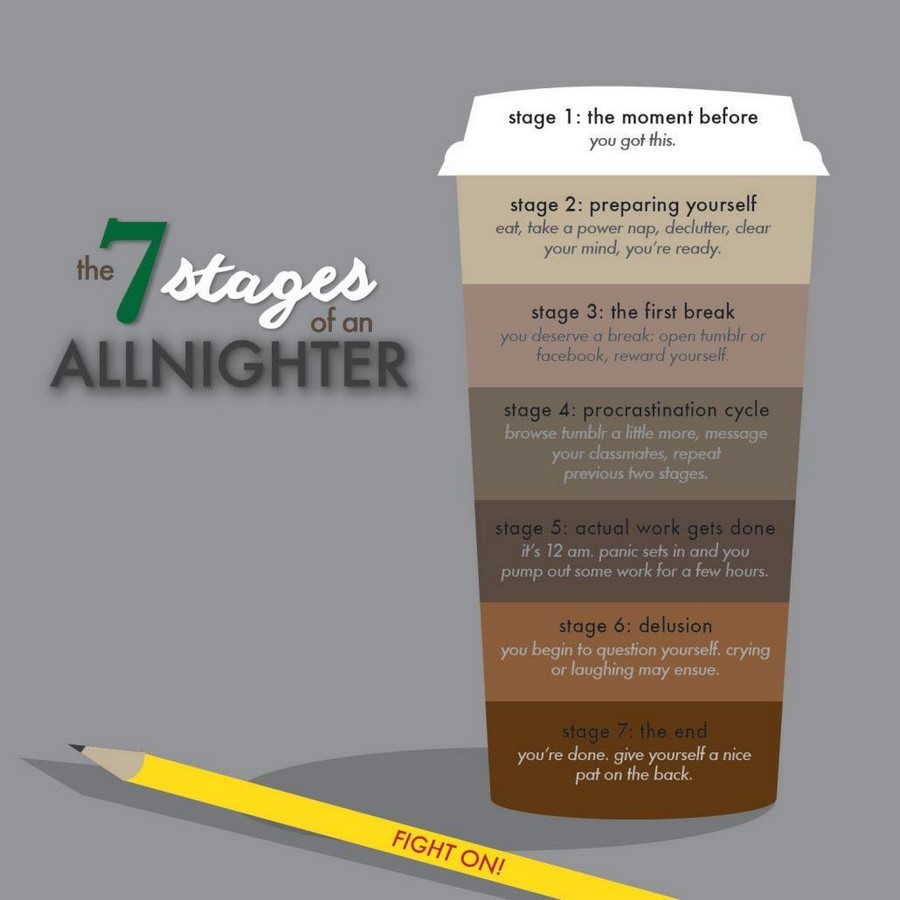
Over time, I gradually developed a deeper understanding of architecture’s underlying tenets through trials and tribulations – more of the latter, which aided me in masking my earlier shortcomings to a reasonable degree. However, while the clarity of my thought and presentation had somewhat improved, there was still an evident lack of organization in my approach towards coursework. This was painfully highlighted in my fourth semester, where I was perpetually behind the pace and never seemed to realize how the inefficiency of my workflow was the root of it all. I constantly delayed work in search of inspiration that never came and spent nights before juries in last-minute frenzies that lacked structure or direction, which culminated in being told to redo my design studio project over the holidays to clear the subject. During this time, I also had to report for a summer internship that I had secured.
The gravity of my situation finally dawned upon me and I was forced to address many of my old habits due to the little room for error I was allowed. The ensuing two months were a grueling period. During the day, the work I was allotted at the internship required noticeably higher levels of technicality and detail that seemed insurmountable at first. I was often slow to complete assignments, much to my supervisor’s chagrin however, their assistance and direction proved invaluable in the long run – far outweighing all my strife. Mornings and evenings were spent in commutes during rush hour – the latter acting as a short interval of respite as I prepared to work on drawings for college late into the night.
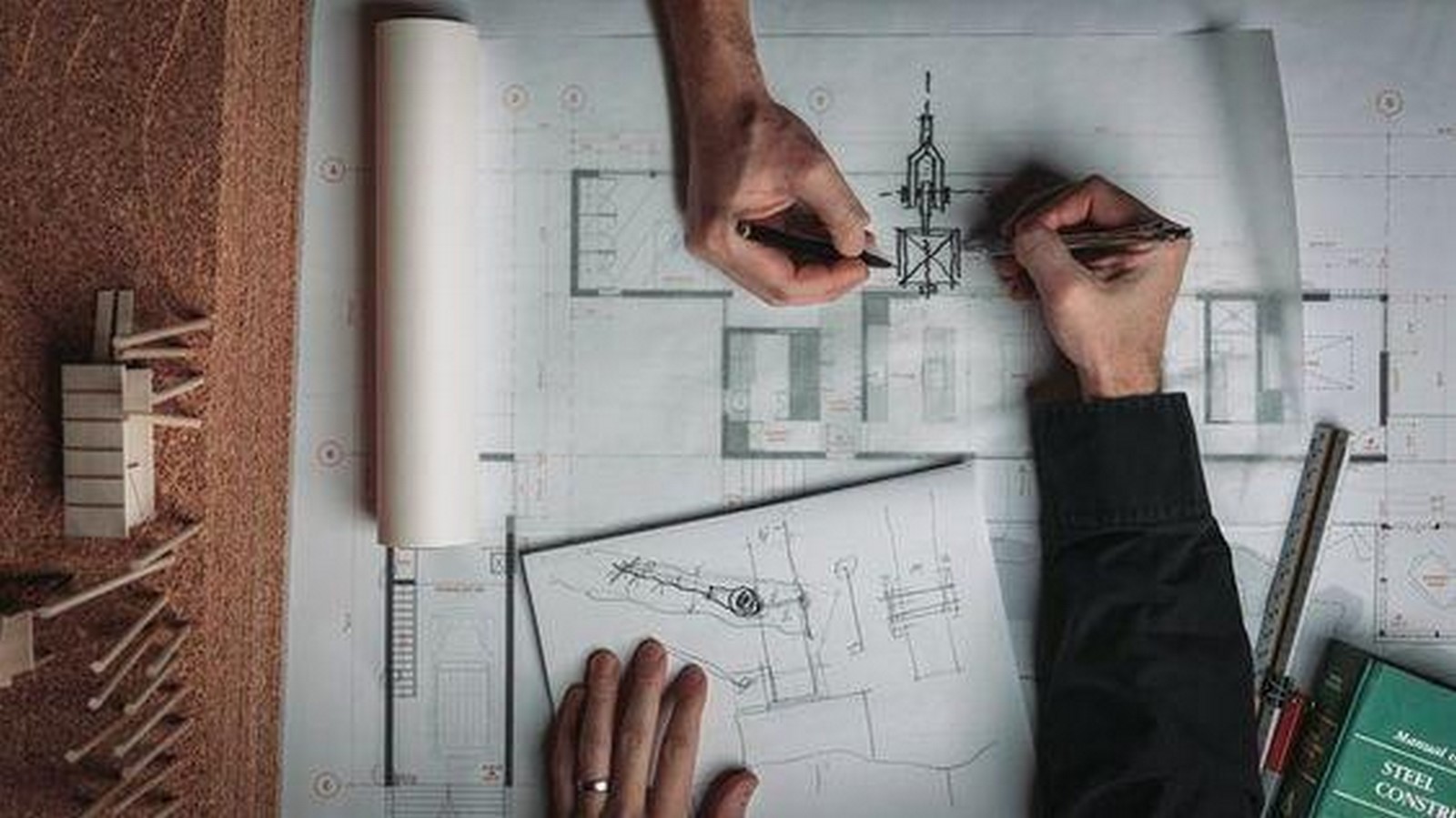
I was forced to cram as much time for productivity into a single day as logistically possible, preparing tight schedules and practicing strict discipline in adhering to them. By the end of those two months, I could say that I had truly learned the value of structured, consistent effort over frantic, last-minute desperation. Simple acts such as breaking down large tasks into smaller ones, prioritization, and accounting for slack in between proved to be far more effective than my earlier attempts. Actively seeking feedback at every stage rather than holding out for a finished product streamlined the progression of design iterations and allowed me to incorporate new ideas and perspectives. While there were still moments of last-minute desperation, they were never anywhere near as disordered and frenzied as earlier.
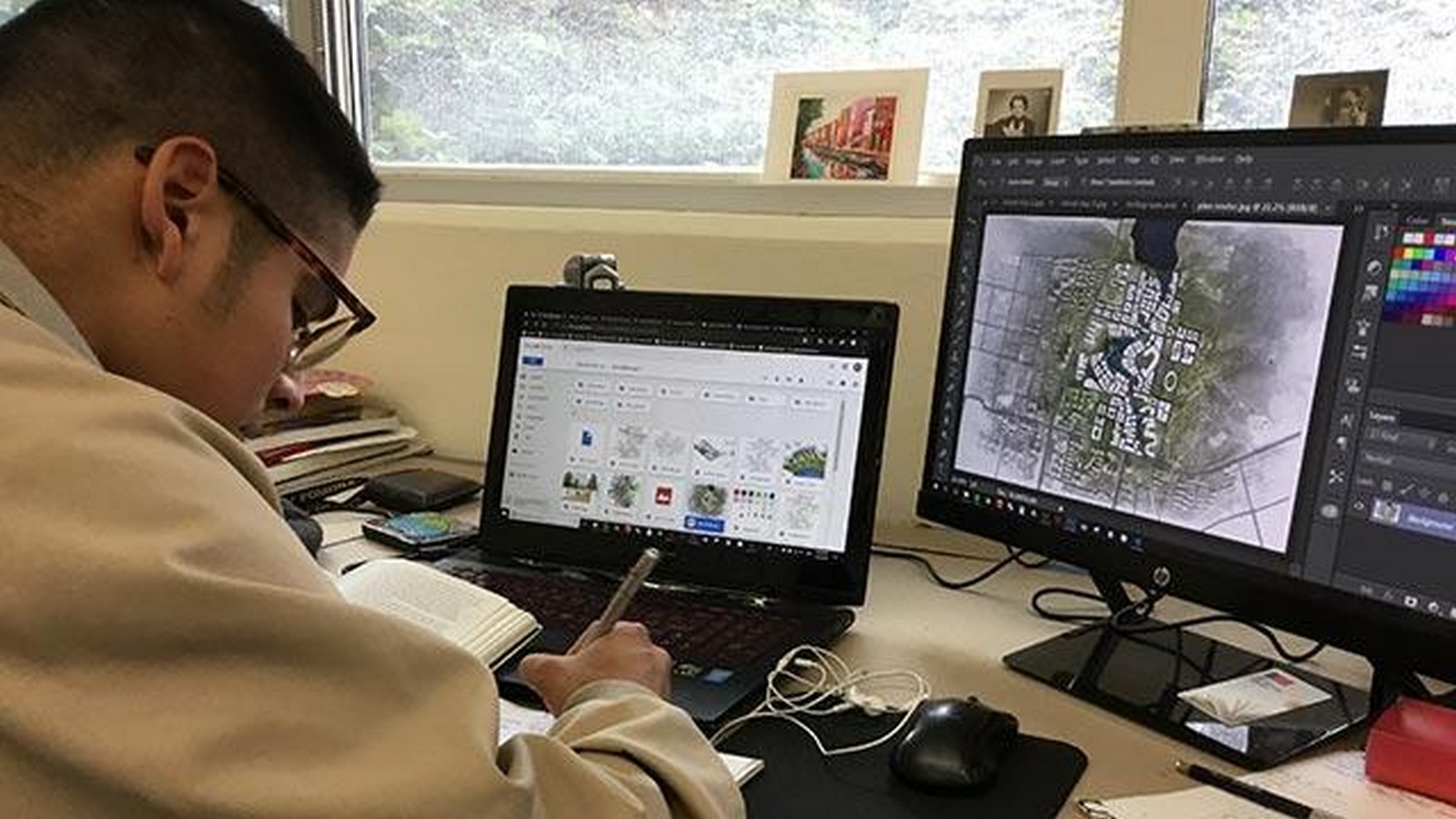
The effort I invested gradually bore fruit towards the end of this period as I grew more comfortable and self-assured within this hectic structure, even finding time for the occasional recreational activity. While it may not be the appropriate solution for everyone, a calculated shot of adversity proved to be exactly the type of catalyst I required. The harsh lessons learned proved invaluable and while the remainder of my journey has been far from perfect, I learned to live by the old axiom of working smarter and not harder. Although I cannot honestly claim to be an expert at budgeting my time or structuring work even now, this period alerted me to the necessity of these skills and how neglecting them can have harsh repercussions.