“We create Happy and Adventurous places” is what I saw first on the homepage of the MVRDV website when I started my research on the firm. And just to be curious about what it meant, as a designer, who just knows the work of MVRDV but never really dug into its core, it was interesting.
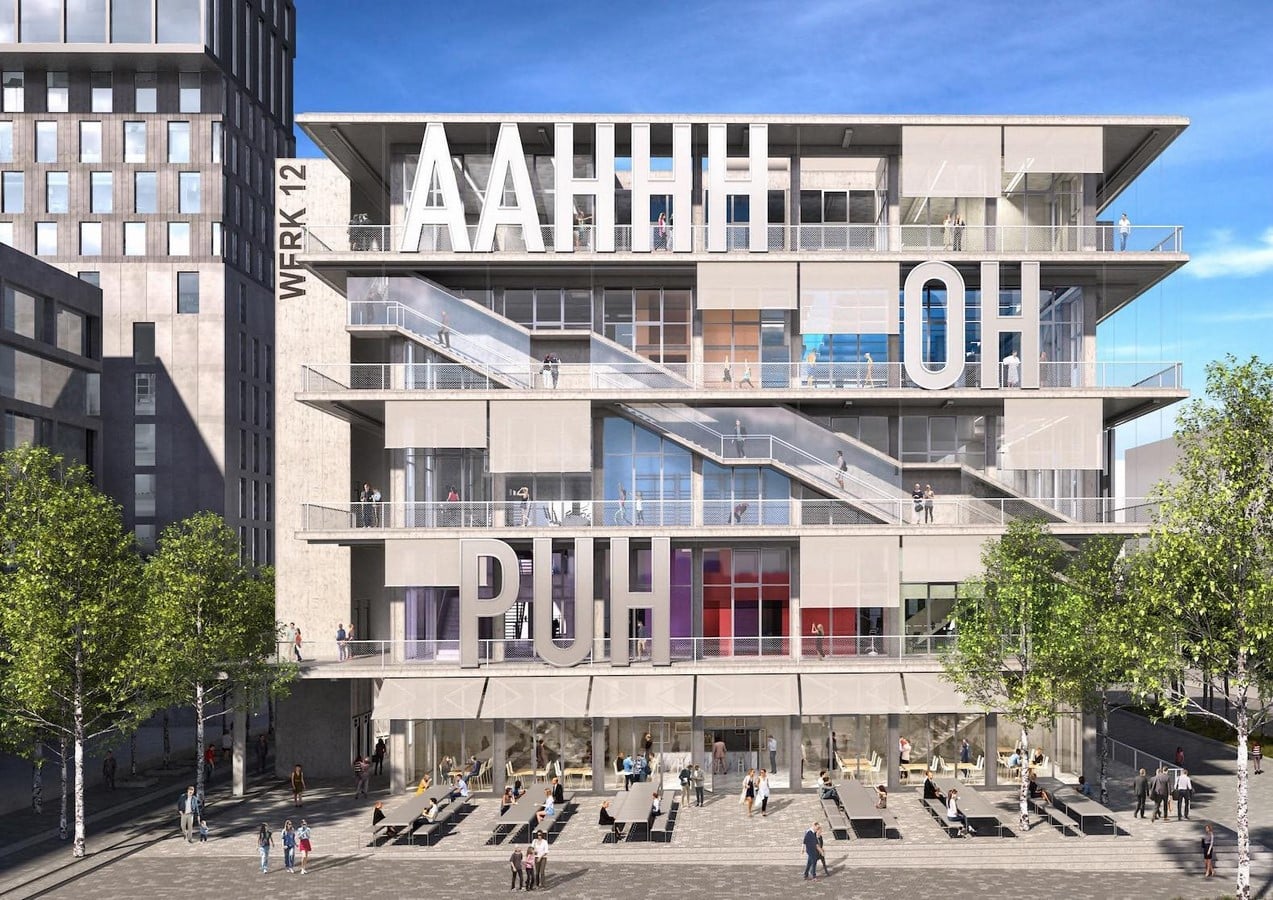
In this article, I will only try to see the reflections and interpretations of this slogan on picking various peculiar projects of MVRDV and trying to decode what the vision was to create, design, or execute. But before digging into it directly, let’s understand a little history of MVRDV.
MVRDV
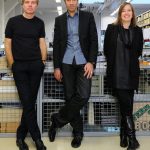
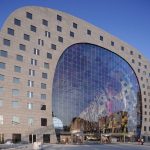
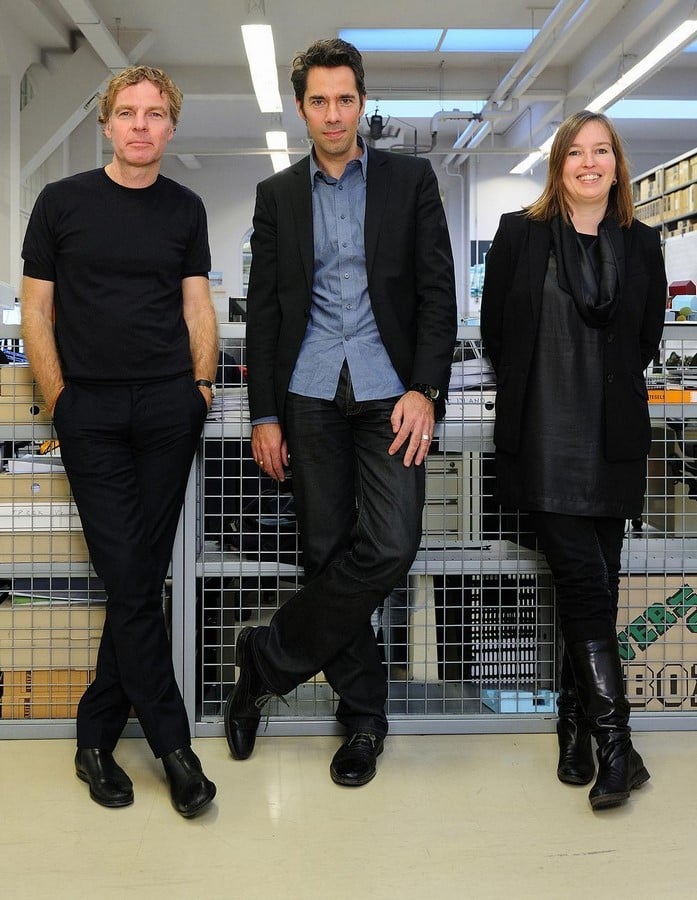
MVRDV is a Rotterdam-based architecture studio founded in 1993 by Winy Maas, Jacob van Rijs, and Nathalie de Vries. Known for breaking the mold, their designs often look more like bold experiments than traditional buildings. Whether it’s turning a food market into a giant archway at the Markthal in Rotterdam or shaping a futuristic green neighborhood with The Valley in Amsterdam, MVRDV constantly reimagines how we live, work, and connect in cities. Their work blends playfulness with purpose, proving that architecture can be both imaginative and practical at the same time.
As Nathalie de Vries says in the interview with Magali Robathan about the firm’s approach to Design, Architecture, and community, she has a remarkably interesting take on deconstruction. She says,
“We take a perfectly normal thing that’s been done very often in a certain way, and we start to question that. Why should we make every new shopping mall, or office, or tennis court in the same way?”
MVRDV: Style, Design, and Impact up to 2024
The Vision and ideology of MVRD since 1993 were very clear and is centered around these notions.
- People centered design.
- Sustainable.
- Socially engaging.
Since its founding in 1993 by Winy Maas, Jacob van Rijs, and Nathalie de Vries, MVRDV has established itself as one of the most innovative and experimental architecture studios in the world. Based in Rotterdam, the firm has consistently challenged traditional ways of designing, asking simple but powerful questions: Why should buildings, neighborhoods, or cities always look and function the same?
While the world progresses on the upfront modern architecture and more modernist abstract approach, Inclusivity and universality equally pace up in the progression. Architects and designers have started to look more intimately at the relationship between what we see and what we do not, hence opening a new portal of studies of closely looking at disabilities and experiences with architecture. This gets further enhanced for the articulation of built versus open and interlinking the understanding of space of the deaf with the physical memory of space for place attachments.
Style and Design – MVRDV is not defined by a single aesthetic style. Instead, their architecture grows out of methods, research, and context. Some features we will explore through case studies below:
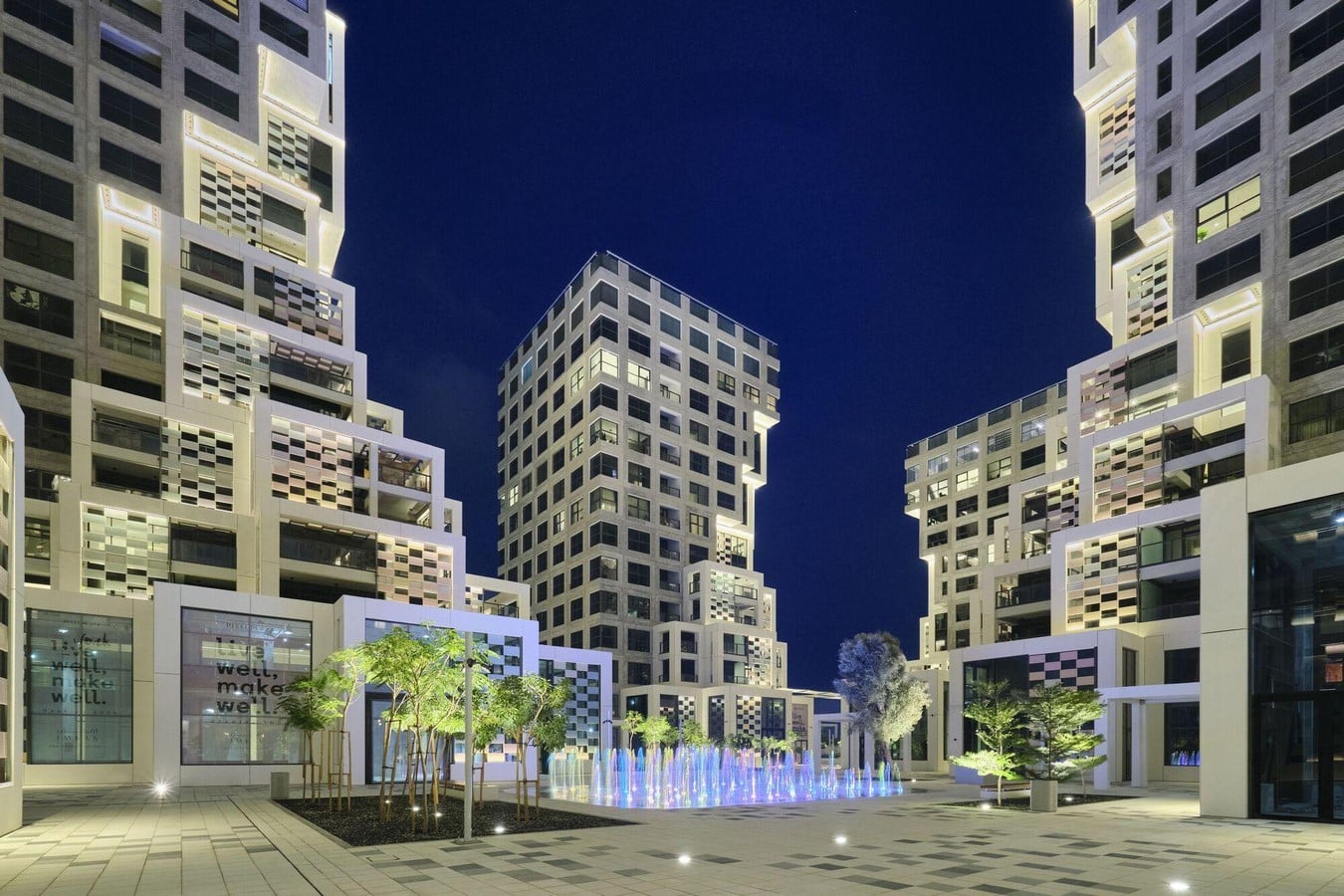
- Pixel-like Housing block
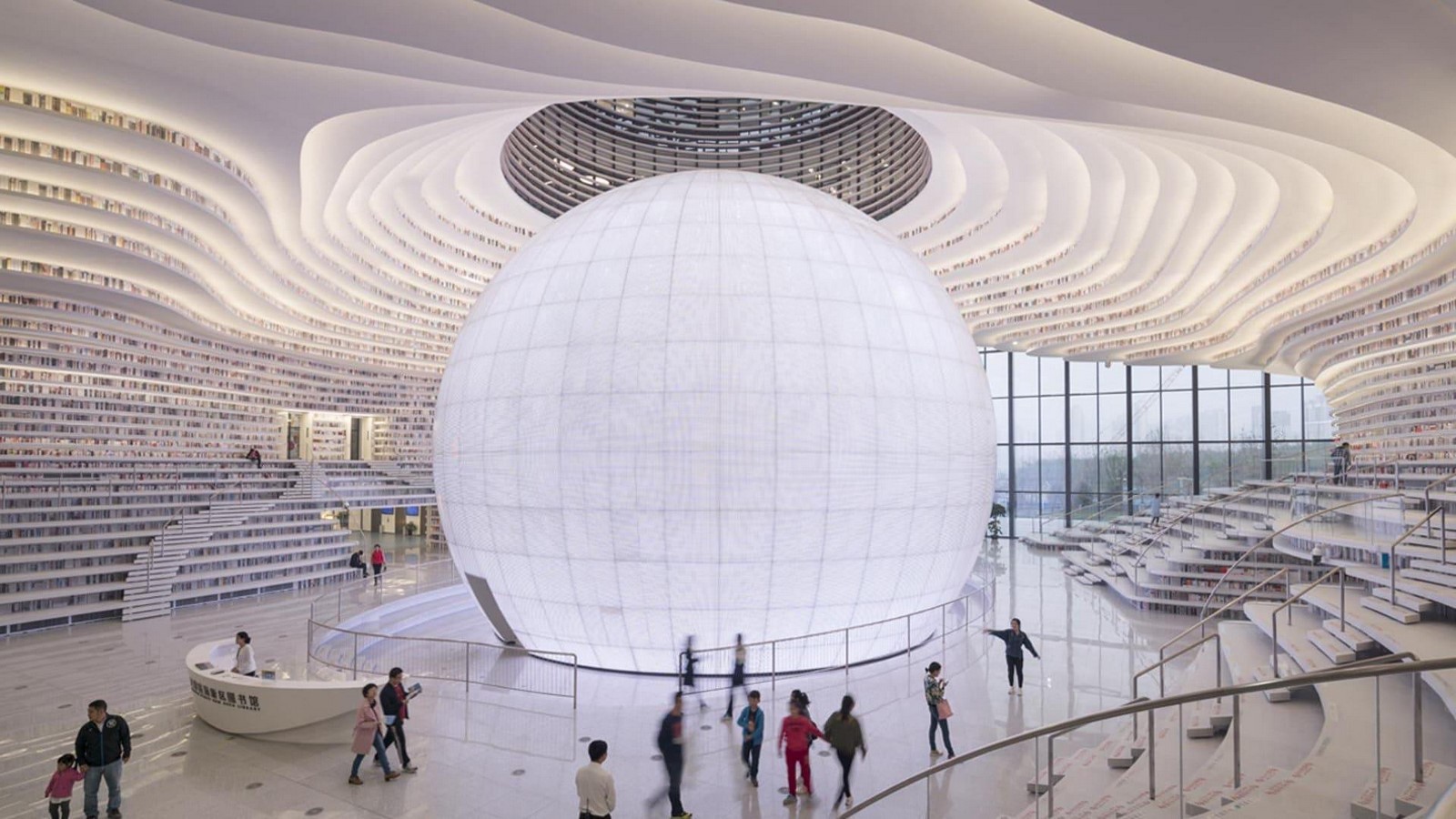
- Playfulness
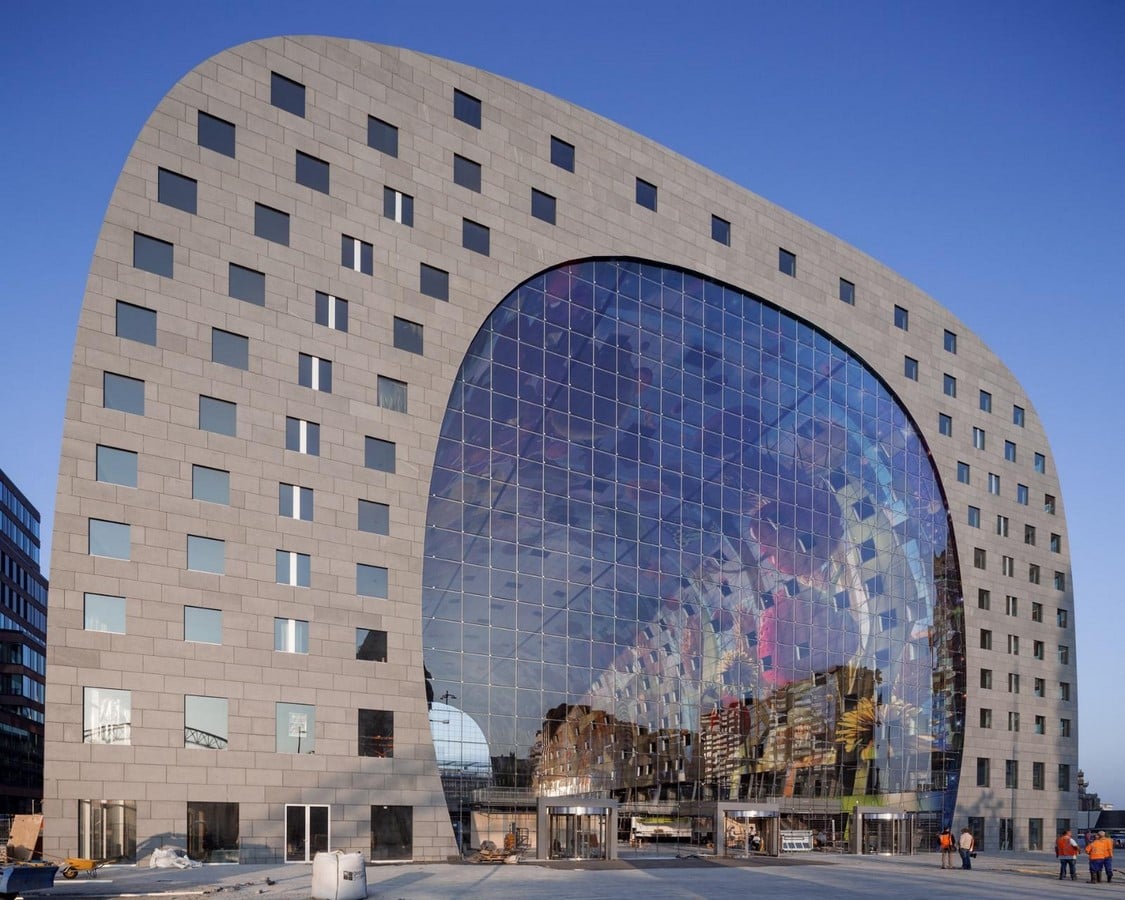
- Density
There are many more elements that MVRD has in all its design.
Transparency – Glass Farm, Schijndel: A farm-shaped building made of glass that blurs the line between tradition and modernity.
Pixelation – Mirador, Madrid: A housing block designed as a collection of stacked “pixels” with a dramatic open void in the center.
Sustainability – The Green Villa, Netherlands: A building wrapped in a living, green façade that redefines architecture as an ecosystem.
Adaptability – Seoul Skygarden (Seoullo 7017): A highway transformed into a public park, proving how infrastructure can be reborn.
MVRDV: Mission 2025
In 2025, MVRDV continues to push the boundaries of design, not only through new projects but also through an evolving design philosophy shaped by technology, sustainability, and social responsibility. Their work this year reflects both bold architectural experiments and a deeper exploration of AI-driven design methods.
Key directions in 2025:
- Urban Transformation: With The Mosaic masterplan in Roosendaal, MVRDV proposes over 40 interventions, from covering highways with green parks to reusing churches, showing how architecture can densify cities while improving quality of life.
- Playful Public Spaces: At Bangkok Design Week, their Mega Mat installation used recycled plastic mats to create a colorful urban landmark, raising awareness of plastic waste while creatively engaging the public.
- High-Rise Innovation: Projects like Downtown One in Albania and The Hills in Ecuador reflect MVRDV’s ability to combine commercial, residential, and cultural functions into sculptural towers that redefine skylines.
- Greening the City: Their upcoming Green Cathedral in Tilburg reimagines a church through living greenery and scaffolding, inviting communities to rethink the role of nature in urban identity.
- Artificial Intelligence as a Design Partner: Through their in-house research team, MVRDV NEXT, the studio is integrating AI into design workflows. From using Midjourney and Stable Diffusion for concept sketches to building custom AI models trained on their own archives, MVRDV sees AI as a creative ally. They remain cautious, however, stressing that technology must support, not replace, the human imagination.
- Vision Beyond Projects: By actively engaging in competitions like the World Wonder for Climate Action, MVRDV shows that their ambitions go beyond building; they aim to inspire global conversations on sustainability and climate resilience.
MVRDV’s journey shows how architecture can be more than just buildings; it can be a tool to question norms, reimagine urban life, and spark dialogue about our collective future. From their early playful experiments to today’s AI-driven explorations, they have consistently blurred the line between practicality and imagination. Their projects are not about repeating a signature style but about embracing diversity, adaptability, and boldness.
As of 2025, MVRDV stands as a studio that continues to challenge convention while staying deeply human-centered. Their work proves that architecture can inspire wonder, address urgent issues like sustainability and density, and even use technology as a partner in creativity. MVRDV’s vision is clear: design should not just shape cities, but also reshape how we think, live, and connect within them.
References:
MVRDV
Interview: MVRDV’s founders on doing it their way | CLAD
Galería de Pixel Residential Complex / MVRDV – 11
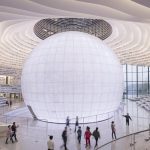
Tianjin Binhai Library: The World’s Coolest Home To 1.2 Million Books