Developing interior settings has seen a shift in design techniques that have adopted the supply of healthy and sustainable surroundings. However, many architects, designers, and users must apply sustainable design techniques. This article aims to investigate the role of interior designers and users in promoting the notions of sustainability in interior spaces through the right selection of materials and design solutions to conserve the environment and accomplish the users’ optimal connection with their surroundings. The findings indicate that promoting and developing interior settings with sustainable materials is a joint duty of interior designers and users. Providing sustainable materials that are attractive and effective, as well as encouraging interested parties (users) to provide materials and furniture that adhere to the reuse and recycling concept, is crucial to improving the environmental sustainability of interior spaces and improving occupants’ health and well-being.
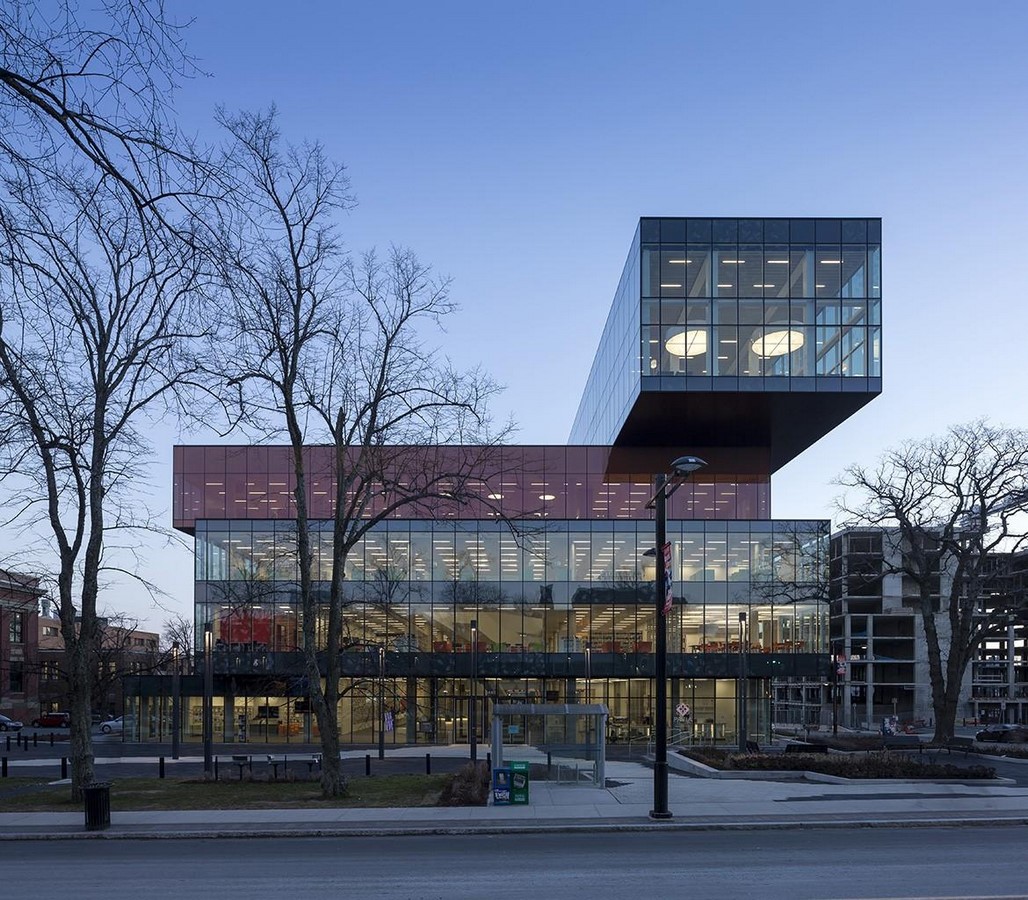
Sustainable interior design has gained popularity due to the need for environmental conservation. This approach integrates sustainability into interior design principles by choosing materials that allow residents to interact with them ecologically. Several companies, government entities, and non-governmental organisations have embraced the sustainable design philosophy to drive change and bring about responsibility in building and design. The five most important aspects of sustainable interior design include energy-efficient design, eco-friendly materials, water-efficient design, sustainability in style, and indoor air quality. LEED (Leadership in Energy and Environmental Design) is one of the world’s most widely recognised and accepted green building certification programs, defining six key parameters for evaluating sustainability. Climate change and environmental degradation are directly linked to energy consumption. Sustainable interior design can reduce emissions from lighting, heating, cooling, and running appliances by using natural lighting and colours, efficient insulation, blinds, shades, curtains, drapes, carpets and reflective surfaces. Using non-toxic and non-polluting products and materials with a low environmental impact is also fundamental. Water efficiency must be a key part of sustainable interior design through the application of built-in water recycling systems and tools, rainwater storage systems that recycle accumulated rainwater for household use; no-leak tap systems; drip irrigation systems; pressure regulating devices; high-efficiency nozzles; low-flow toilets and washrooms. Sustainability no longer has to compromise on the stylistic or aesthetic value of interior design due to the emergence of new technologies and manufacturing processes that create a wide range of recycled, environmentally conscious, stylish materials.
St. Andrews Institute of Technology and Management, Gurgaon
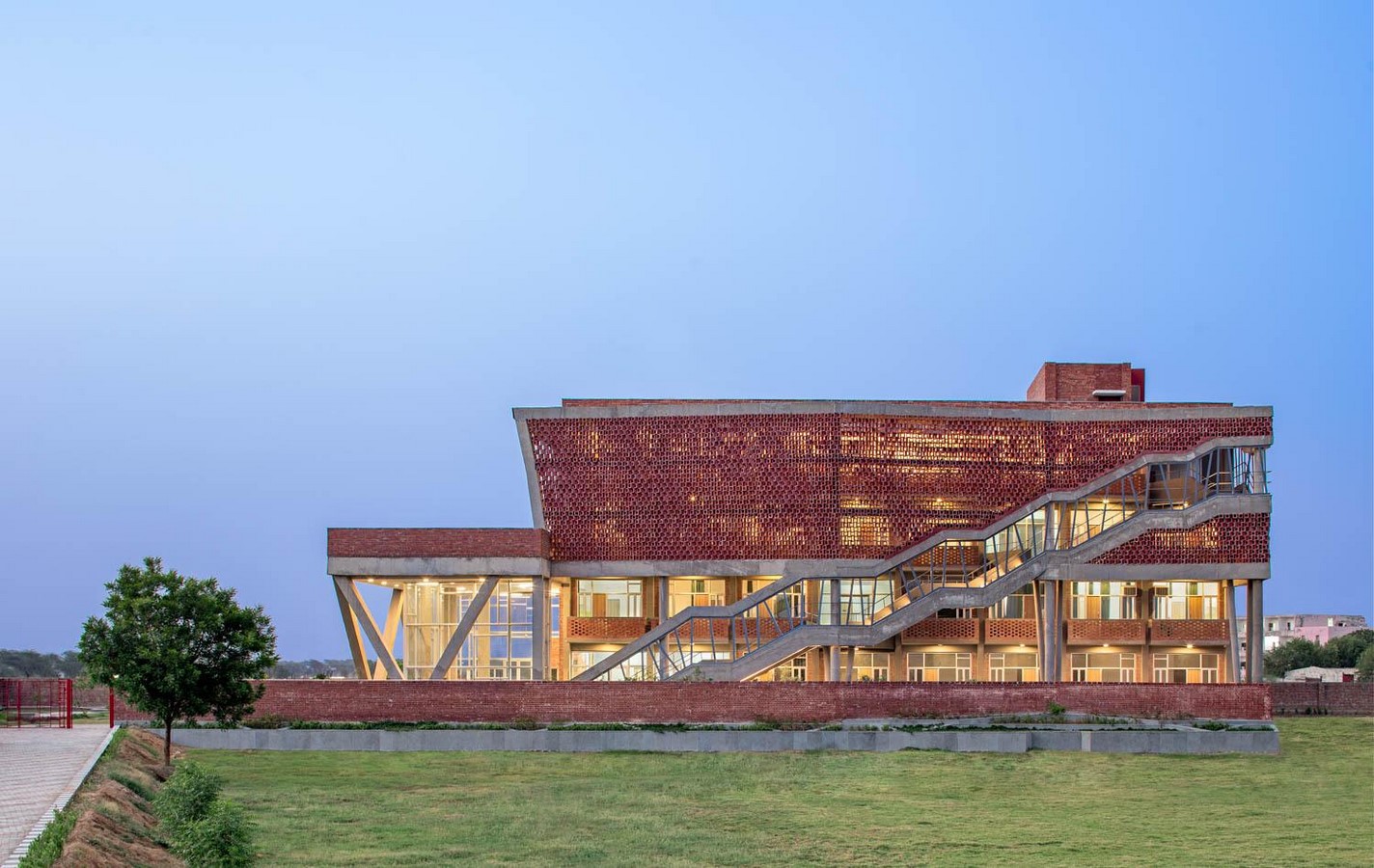
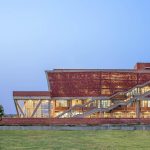
St. Andrews Institute of Technology and Management is a modern, sustainable residential complex designed by ZED Lab. The building is inspired by Indian vernacular architecture and utilises passive design strategies to create comfortable, socially functional spaces for 360 students. The atrium’s distorted shape allows natural light to permeate deeper into the structure while acting as a solar chimney. The hostel block contains triple-height roomy dorms that give students a better user experience and a more panoramic view of the outdoors. The building was created using software technology such as Ecotect, Grasshopper, Ladybird, and Rhino to develop a sustainable design narrative. The application of computational studies is relevant to constructing the brick jaali that surrounds the building, providing thermal insulation and diffused natural light ingress. The jaali façade decreases direct radiation by 70% and delivers 250 lux of daylighting in the dorms. The balconies within the brick skin are 4 feet wide and serve as buffer zones between indoor and outdoor spaces, regulating the building’s mean temperature throughout the year. Overall, ZED Lab has created a meticulously designed, well-engineered residential complex that reflects the university buildings’ contemporary nature while being environmentally sustainable.
Pathways World School, Aravali, by CP Kukreja Architects
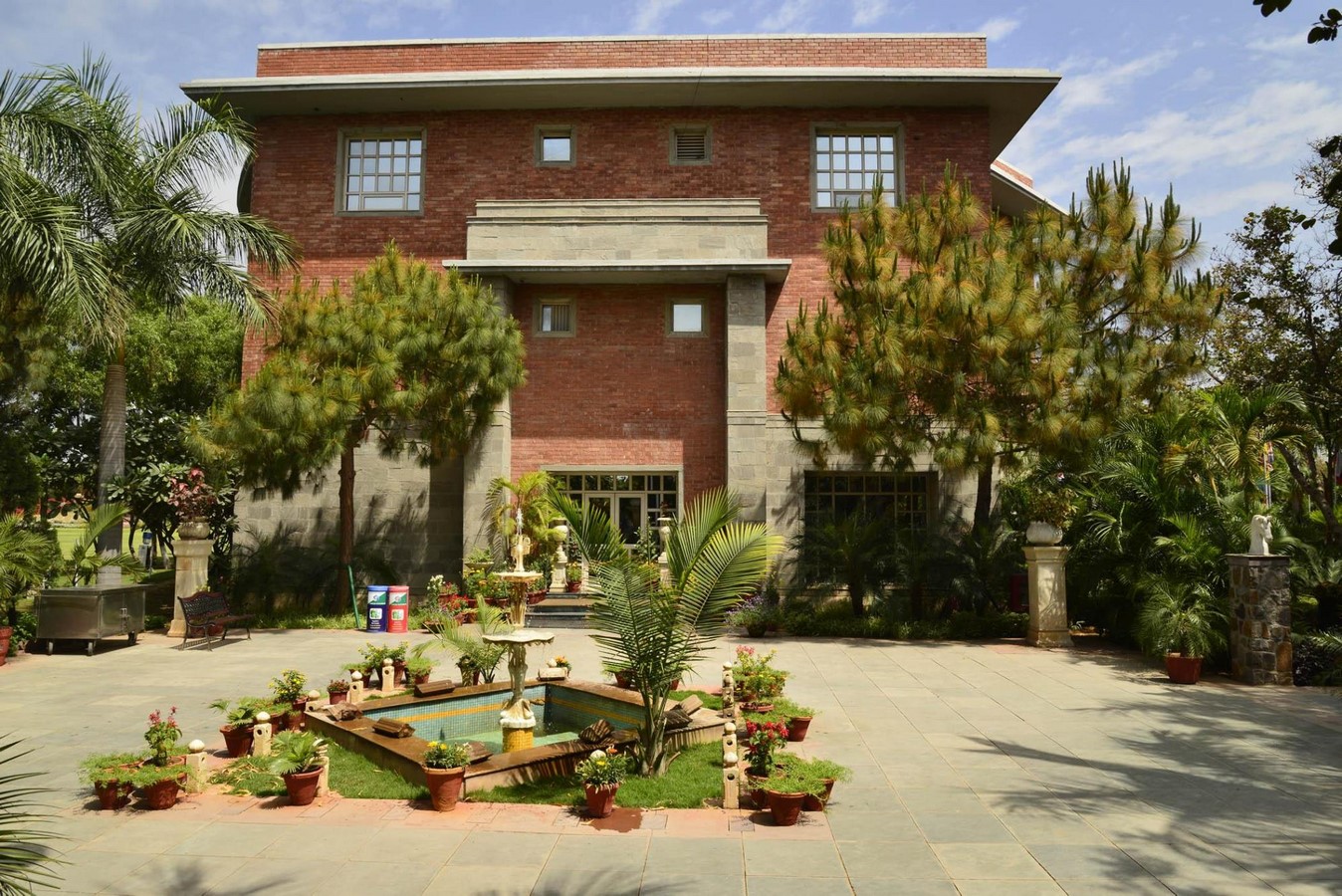
Pathways World School, Aravali is the world’s third LEED for Existing Buildings Platinum certified K-12 educational facility, trailing only Pathways Schools Gurgaon and Noida. Rather than designing buildings conventionally and then working to reduce their carbon footprint, Pathways Schools’ management studied and adopted age-old architectural methodologies and techniques utilising natural materials, resulting in healthy indoor environments with significantly lower energy requirements.
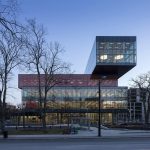
The FNN Sustainability Centre was constructed for archive, museum, and administrative office use within Tekfen Construction’s Machine Maintenance Facilities in Ceyhan. The main goal was to highlight the steel, which serves as the building’s structural structure, as a design feature. The archive room was planned as a self-contained compartment, whilst the offices were designed to showcase the steel structure entirely within the building, supported by transparent glass facades. The museum is the foyer and meeting point of two different programmes at the intersection of this entirely closed and fully open programme. Libraries are designed on surfaces where sound insulation is essential in offices, while transparency is prioritised on all remaining walls.
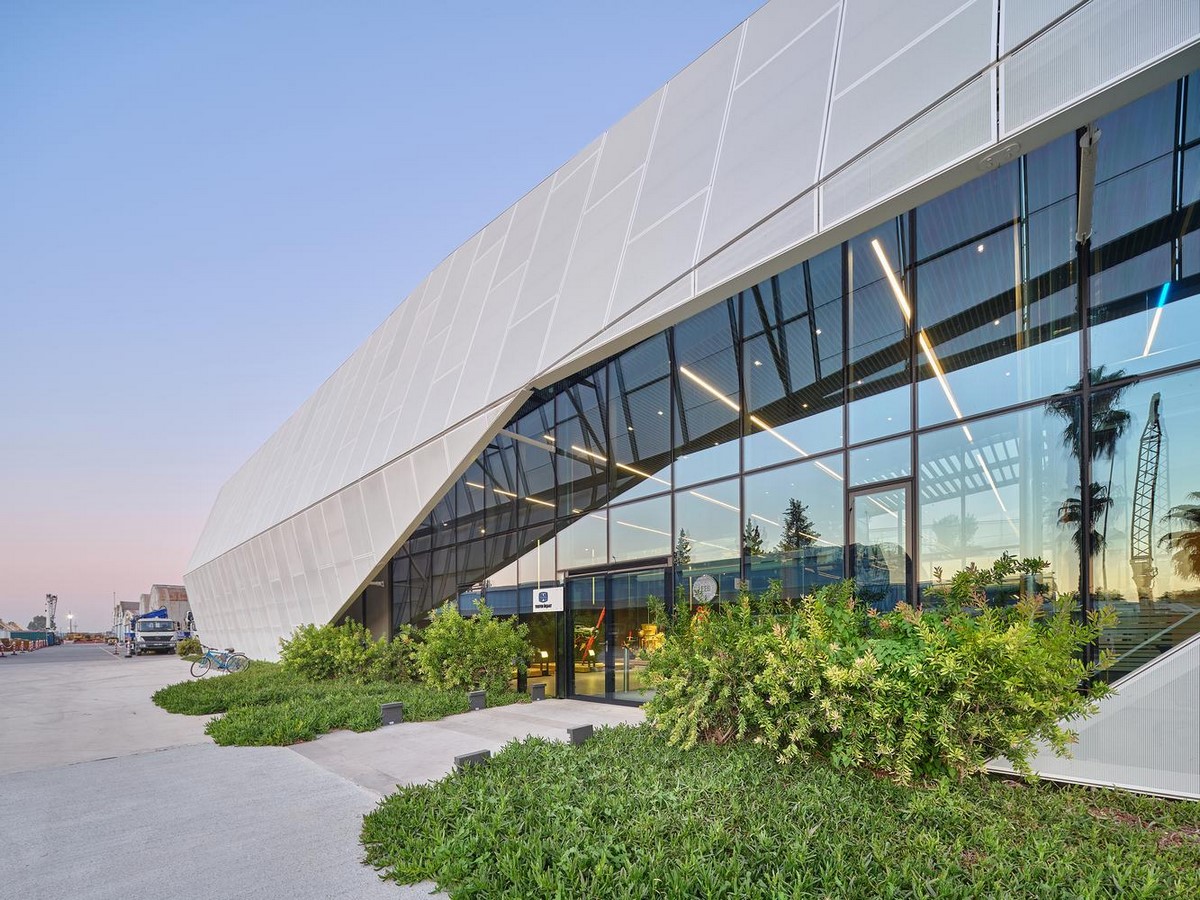
The FNN Sustainability Centre was given the LEED Platinum Certificate for its potential to generate 45% of the building’s energy through landscape area uses, plant choices, lighting design, and solar panels. By varying the distances between the inside buildings, the multi-purpose metal perforated shell surrounding the structure aims to generate inner gardens and green zones. Pools in both gardens have been integrated to give office personnel rest and fresh air areas. The green roof area has also been renovated into a multi-purpose facility with seating places for invitations and festivities.


Conclusion
The study discovered opportunities for transforming existing buildings into sustainable interior spaces by redesigning them using sustainable materials rather than ones that cause environmental damage and economic loss. Interior designers should propose solutions to improve the beauty and performance of sustainable materials and encourage interested parties (users) to offer materials and furnishings that adhere to the ideals of reuse and recycling. Both interior designers and users have a responsibility to promote and develop interiors that use sustainable materials.
References:
8 Key Sustainable Building Design Practices: Rowland + broughton (2022) rowland+broughton. Available at: https://www.rowlandbroughton.com/guide-to-sustainable-building-design/ (Accessed: 09 June 2023).
Abdel, H. (2021) St. Andrews Girls Hostel / Zero Energy Design Lab, ArchDaily. Available at: https://www.archdaily.com/955202/st-andrews-girls-hostel-zero-energy-design-lab?ad_medium=gallery (Accessed: 09 June 2023).
Caballero, P. (2023) FNN Sustainability Center / Acararch, ArchDaily. Available at: https://www.archdaily.com/1002131/fnn-sustainability-center-acararch?ad_medium=gallery (Accessed: 09 June 2023).