In recent times, the cities have not only been an epicenter of technological developments, opportunity, and innovation but also have promoted pollution, heat islands, biodiversity loss, and psychological fatigue. Urban planners and designers have suggested green belts, parks, and urban forests as solutions. However, high land values in dense metropolitan areas make creating horizontal greenery challenging. In response to this dilemma, a striking architectural concept emerged: the vertical forest.
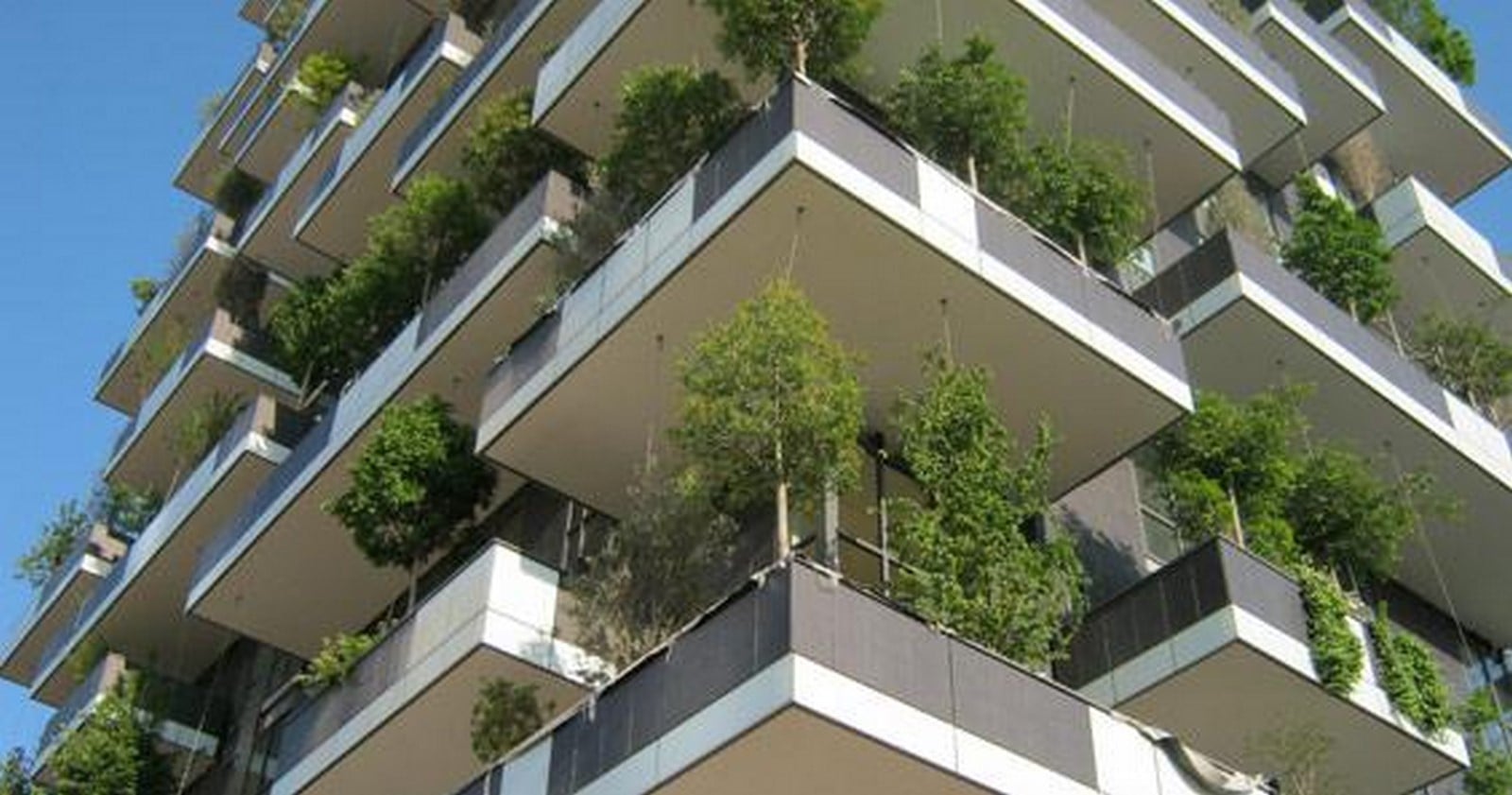
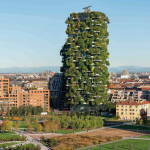
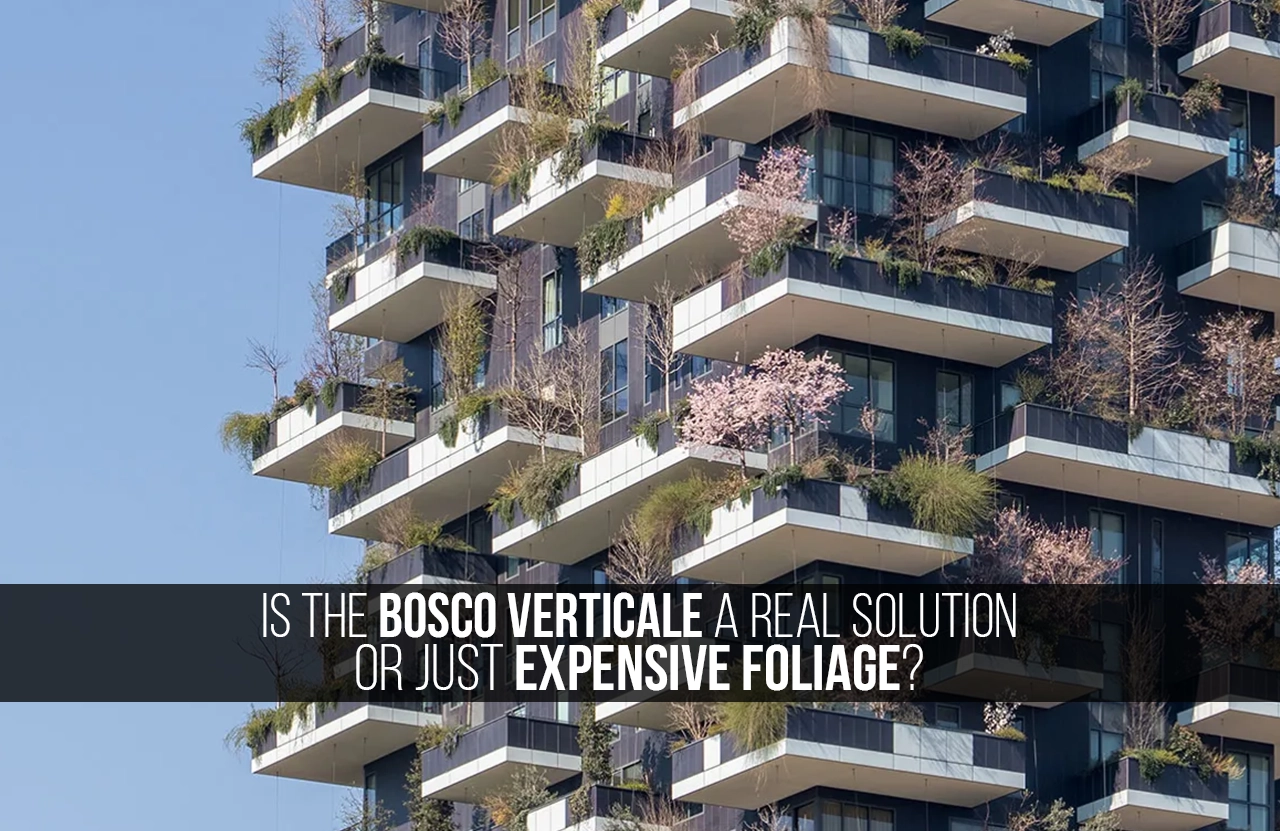
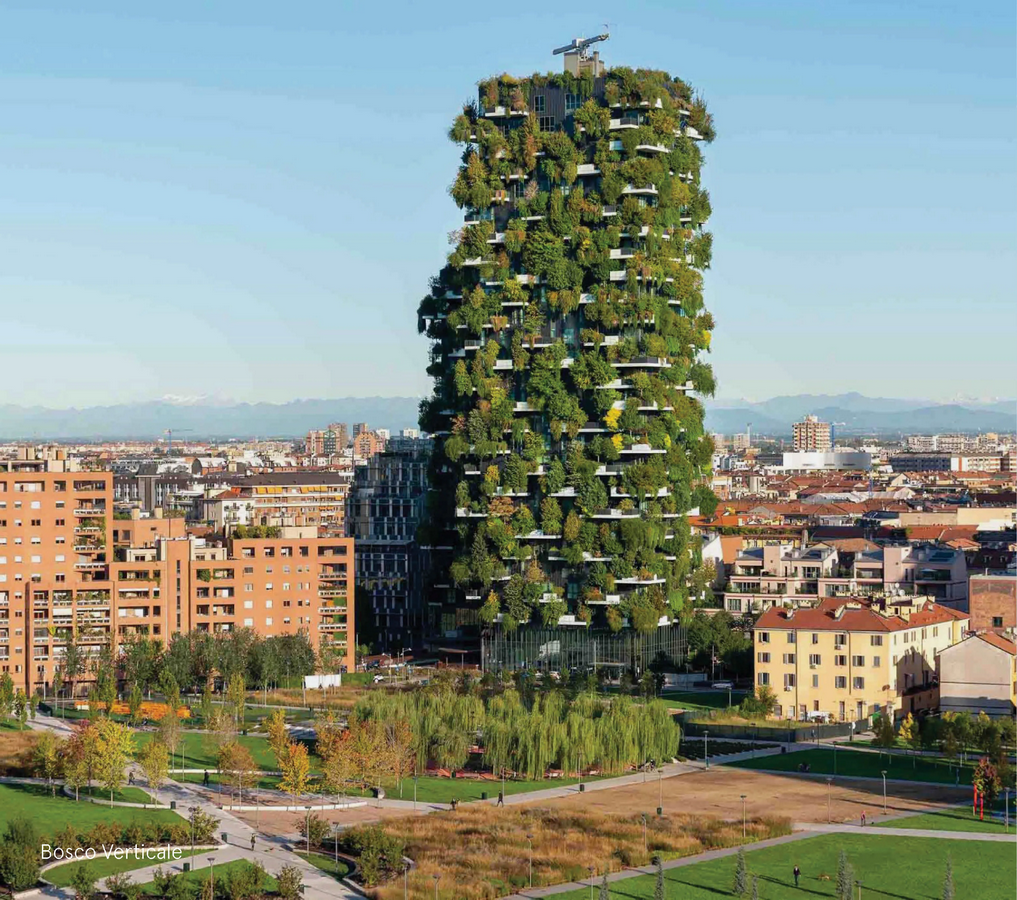
The most famous example is Bosco Verticale in Milan, designed by Stefano Boeri and completed in 2014. Two residential towers covered with more than 900 trees and thousands of shrubs seemed to offer an appealing answer: a skyscraper that acts like a forest.
But a decade later, the project sparked a major debate in architecture and environmental design. Is this a true ecological solution, or just a nice but costly symbol of sustainability?
Vision and Environmental Benefits of Bosco Verticale
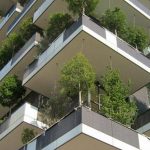
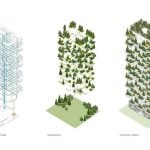
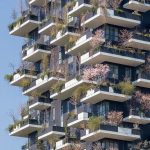
Bosco Verticale’s core idea is biological architecture. The idea behind Bosco Verticale is simple, yet revolutionary, integrating nature into the building envelope itself. The building boasts over 900 trees, around 5,000 shrubs, and more than 15,000 plants. In terms of ecology, this is akin to a medium-sized woodland, vertically arranged.
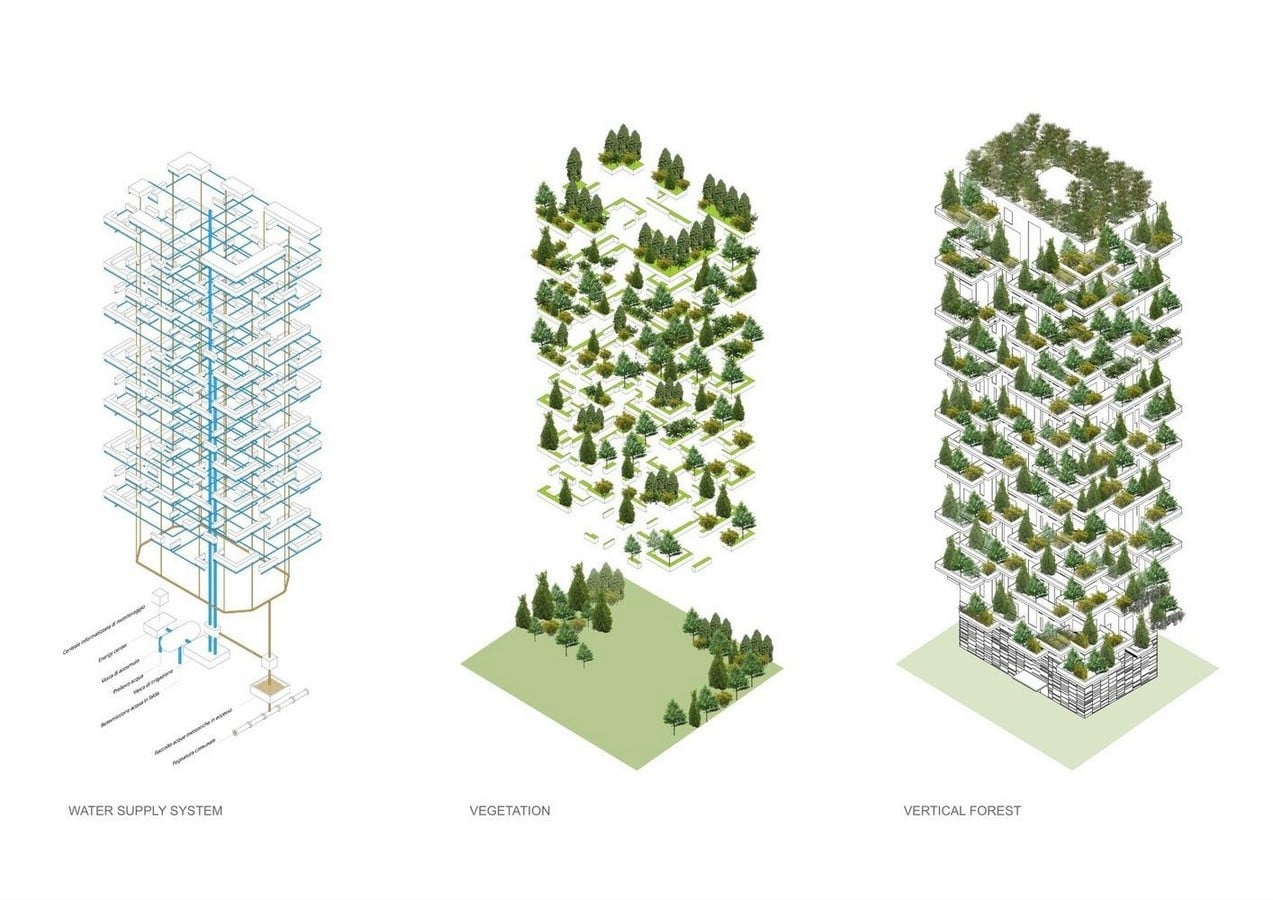
The vegetation offsets emissions equal to 44,000 pounds of carbon annually by absorbing about 30 tonnes of CO2 and producing 19 tonnes of oxygen. By cooling interiors by 2-3°C and shading facades by up to 30°C, plants act as natural insulation, reducing energy consumption for heating and cooling by roughly 7.5%. By 2014, more than 1,600 insects and birds had been identified, encouraging urban recolonisation. According to 2022 European Space Agency satellite data, the site cools like larger parks, reducing the urban heat island effect. Living conditions are further improved by noise reduction and fine dust filtration.
Psychological values and Cultural values of Bosco Verticale
A factor which is often overlooked by environmental critics is Human psychology. Urban dwellers are subject to stress, sensory overload, and nature deprivation. Studies in Environmental Psychology have found that the presence of greenery reduces anxiety levels, improves concentration, and increases overall well-being. Bosco Verticale offers direct access to the healing powers of nature, unlike a park, which is only occasionally visited. Thus, the Bosco Verticale can be classified as therapeutic architecture. This may be particularly important in the densely populated cities of India, where the availability of green space per capita is very low.
Economic Realities of Bosco Verticale
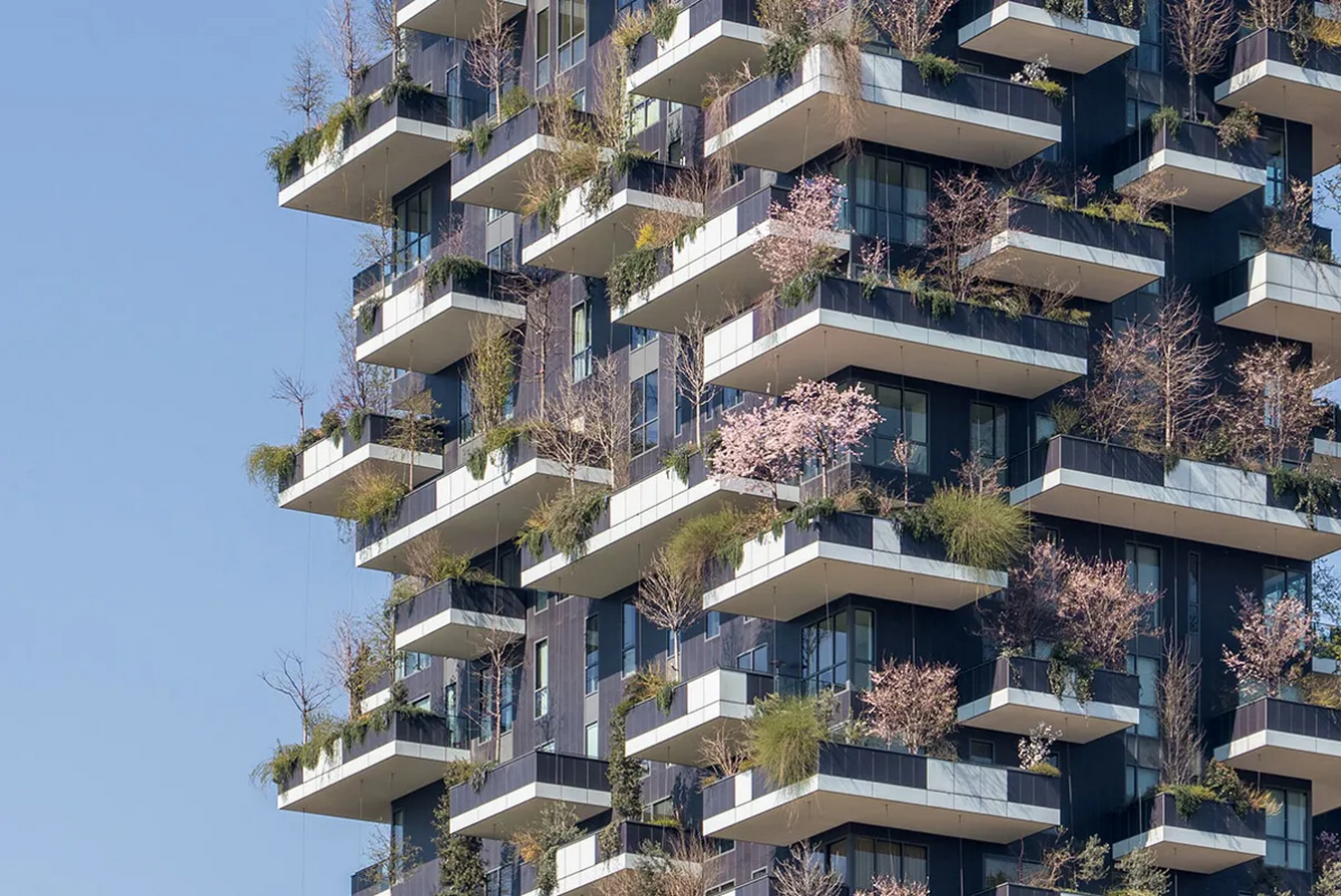
The “foliage” portion of the Bosco Verticale project is a massive engineering project. It is argued that the cost to the environment of constructing such a project might outweigh the benefits of the trees. To support the weight of thousands of gallons of water-soaked soil, and to account for the dynamic weight of trees swaying in high winds, a massive amount of reinforced concrete is necessary. Concrete production is one of the world’s leading causes of carbon dioxide emissions.
Bosco Verticale is a space for the elite. The cost of the apartments in Bosco Verticale is in the millions of Euros, and hence, the benefits of Bosco Verticale are thus reserved for a selected few. There is thus the problem of green gentrification, which suggests that Bosco Verticale is more about increasing land values than saving the planet.
Broader Impact of Bosco Verticale
The Bosco Verticale has inspired “vertical forests” in other countries after winning the International Highrise Award in 2014 and the “Best Tall Building Worldwide” by CTBUH in 2015. Bosco Verticale shows how a dense green cover can avoid sprawl by 50 times densifying nature without increasing footprints.
However, as a prototype, it raises questions about true sustainability: high costs restrict it to icons rather than solutions, but symbolism raises awareness. With calls for inclusive, affordable models tempering it, it’s a daring lesson in biophilic integration for architecture students interested in sustainable design, such as those in Rajasthan working on resilient spaces.
Conclusion or Final Verdict
So, is it a real solution or just an expensive foliage?
The answer is: it is expensive foliage that is necessary as an experiment.
As a real solution to the problem of climate change, Bosco Verticale is a failure. Not only is it unaffordable to the average person, but it is also unaffordable to the environment due to the cost of the materials it is made of. As a necessary experiment or proof of concept, it is a success. The building has challenged the world of architecture to rethink the “skin” of the building, moving away from the use of dead materials to living materials.
Key Takeaway: For vertical forests to be a “real solution” to the problem of climate change, it is necessary to develop the means to construct these buildings with low-carbon materials and to make it affordable to the average person. The trees in Milan are certainly expensive to maintain, but it is a discussion that the concrete jungle needs to have.