Charles Dickens said, “Electric communication will never be a substitute for the face of someone who, with their soul, encourages another person to be brave and true.”
Food, Clothing, Shelter, and… Connection
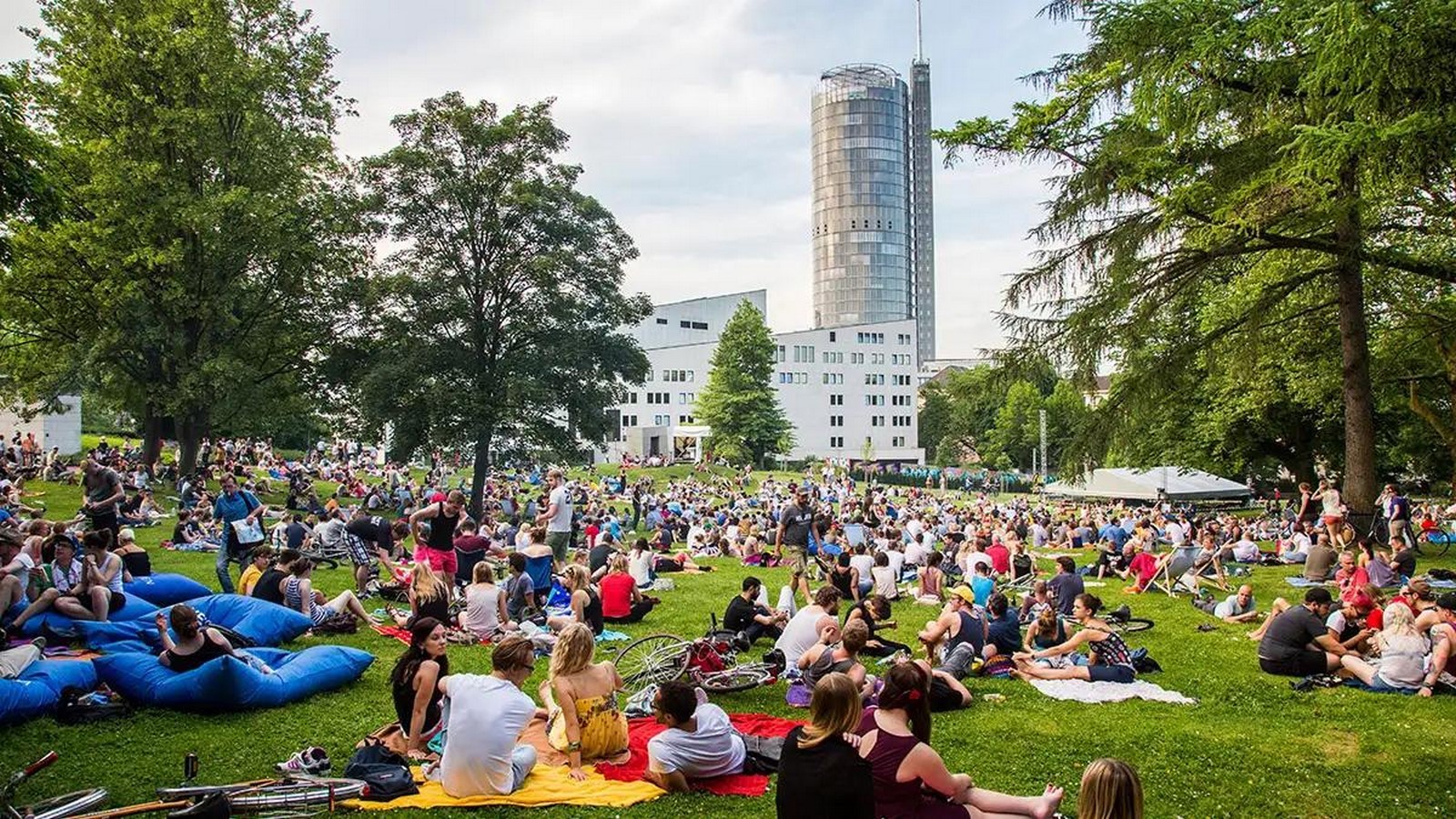
More than just a quote on the advancement of technology is a fundamental statement concerning the importance of connection and interaction in the lives of humans. Social relationships have always and will always be a core need for man. Food, clothing, and shelter are important, but social interaction is just as important. Humans break in confinement and solitude but blossom in the midst of healthy relationships.
As there is so much more to man than his physical/physiological needs such as food, clothing, and shelter i.e., mental and emotional needs. It is important to cater to these needs, too. In fact, it is a bold statement to make that failing to cater to these needs may cause way more harm than failing to cater to man’s physiological needs.
Public Spaces and Human Connection
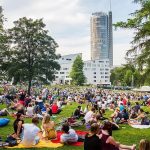
Throughout history, man has built for himself structures or systems that helped fill the void that only interaction with other humans could fill. From small centers at the middle of a community settlement, to large squares, to the construction dedicated area where the community gathers to interact, discuss, and be entertained. One thing remains the same: man loves to be around his kind. Public spaces have gone from small areas in a village to large public squares and community gardens. All of these are very human aspects of creating an environment that fosters emotional and mental well-being.
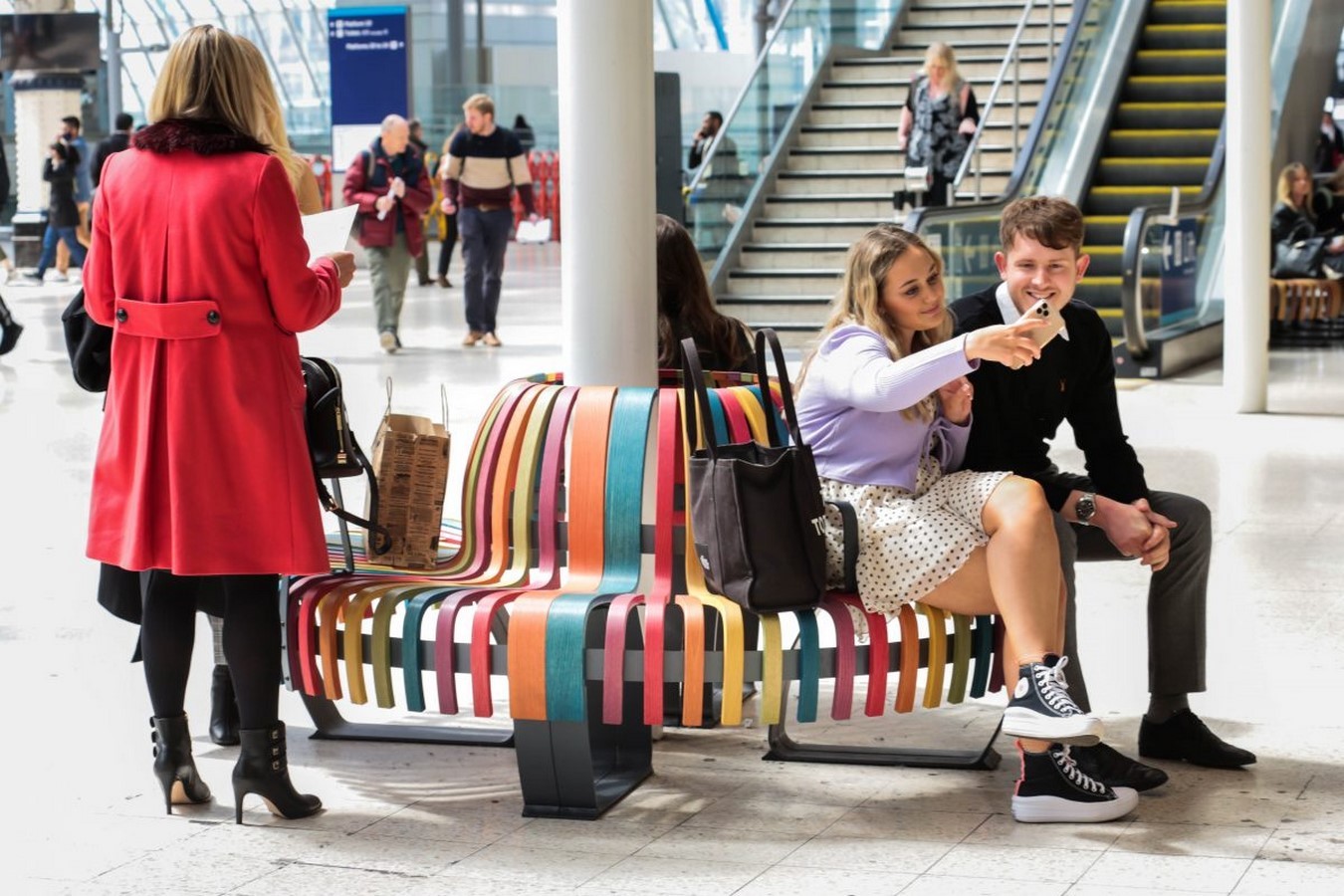
More than that, these spaces also serve as where social interactions occur. These interactions do not have to be formally arranged or planned ceremonies, but could be as simple as meeting new people while taking a walk in the park. These interactions could be as simple as a conversation that helps the mood when walking along a seemingly lonely path in a park. Simple as it may seem. But powerful in building unity, harmony, and togetherness in a community
The COVID Problem
More than just parks, gardens, and squares, other examples of public spaces are bus stations, subway stations, markets, and so on. Spaces where humans naturally and informally meet and interact. However, after the COVID lockdown and all the restrictions that came with living through those times, humans have had to evolve, and more technology emerged. Technology that made it easier to get things done without leaving the house. So much can be done online; going to markets physically is no longer necessary, and groceries can be ordered online.
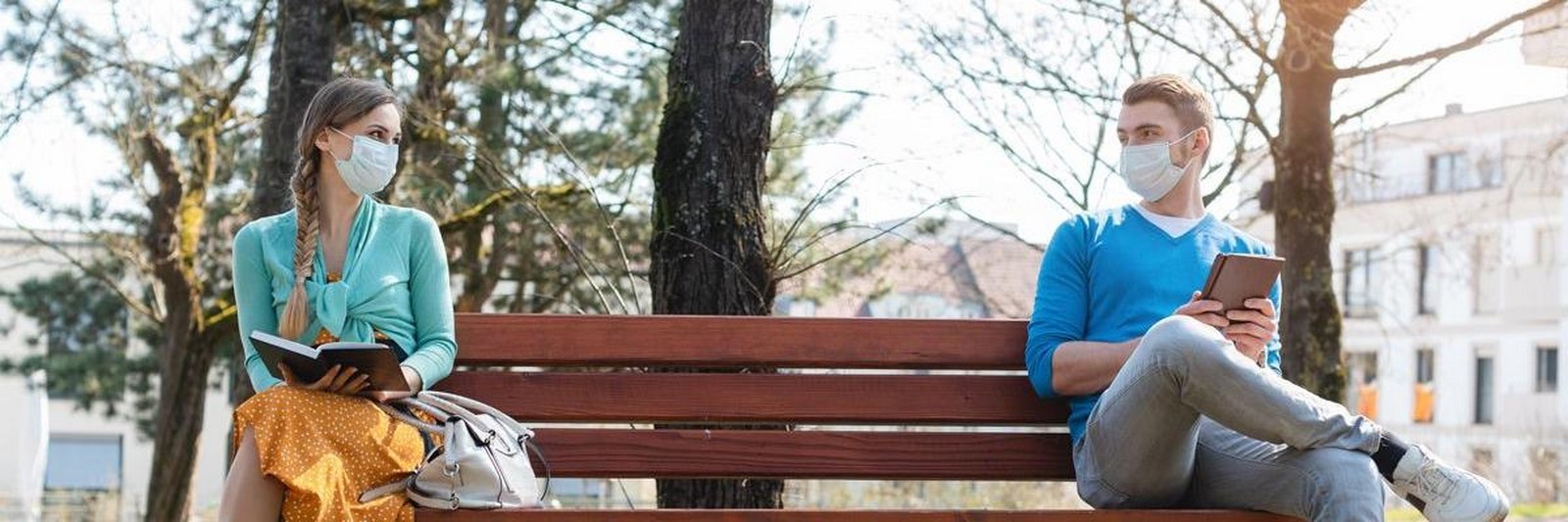
While this has made life much easier and safer, it has also made humans lonelier. And maybe a great factor in the increase of mental illnesses after the pandemic. What can be done? How can a balance be created?
Creating a Balance
The big question now is how architecture can help create spaces that still include the safety measures gotten from the pandemic but also foster interactions. How can public spaces be designed to allow for connection even without contact?
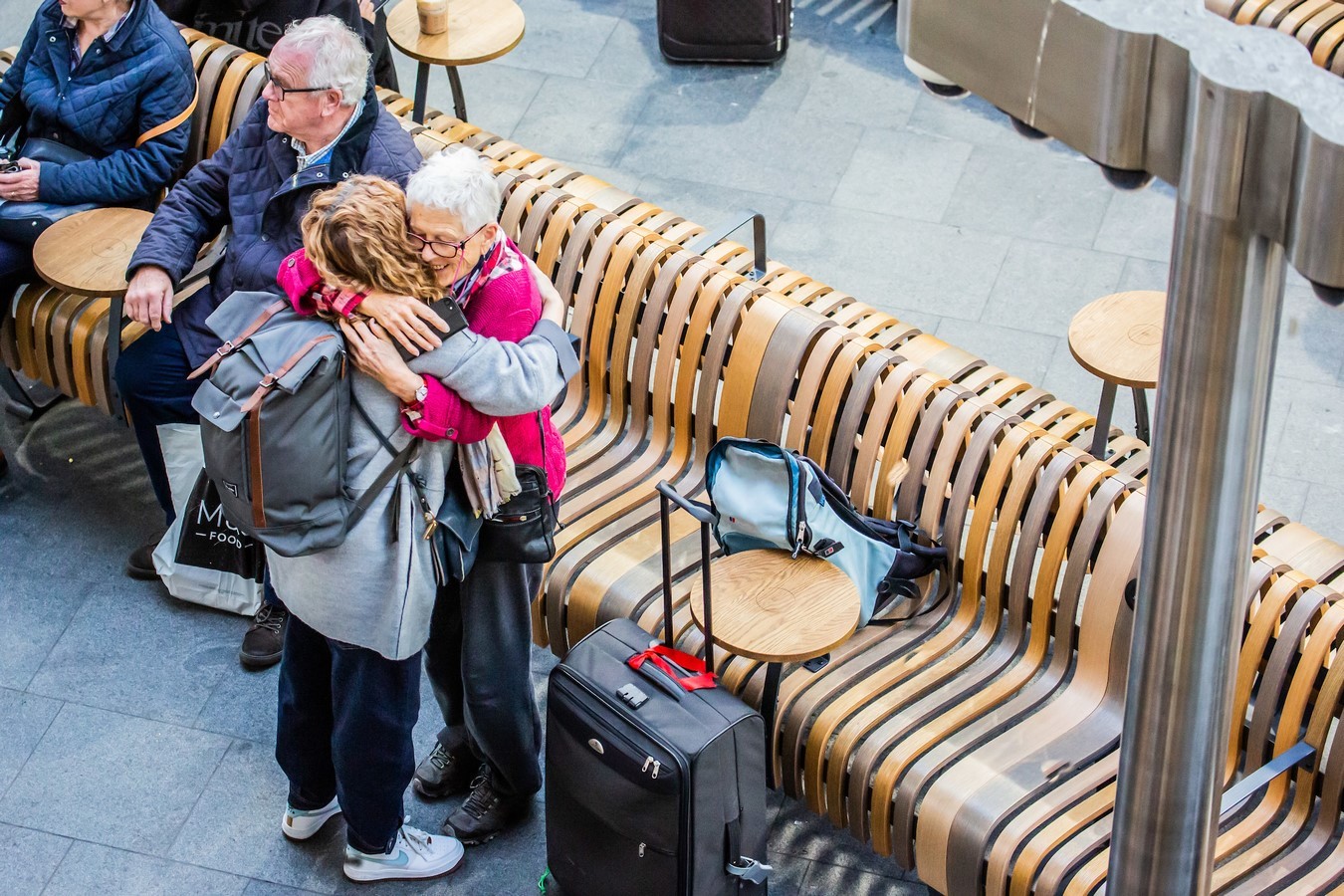
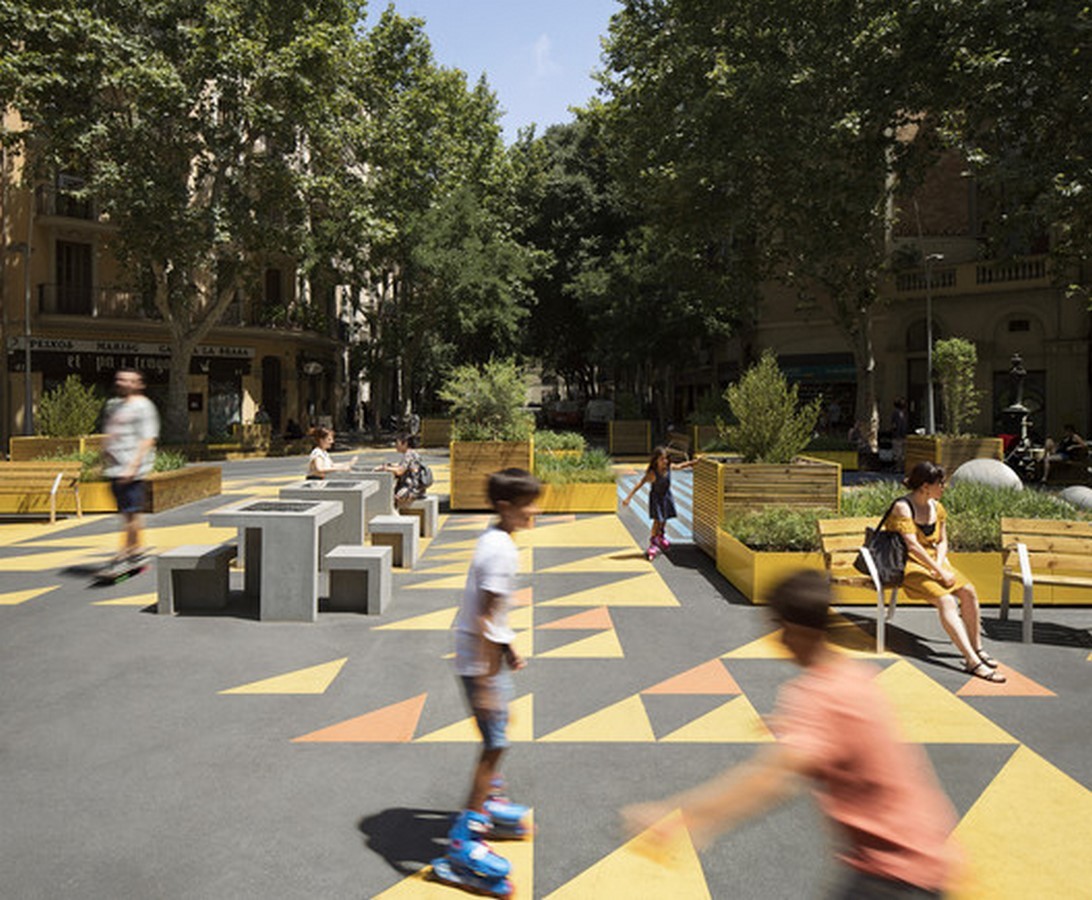
The design of spaces needs to be more open and less isolating. This includes all spaces, commercial and residential. Alongside introducing nature into the outdoors, the indoors should also be designed to flow into the outdoors. Common areas should be added across office buildings to link several offices and firms; interaction need not be limited to co-workers alone. Design should be done in a way that creates pockets of spaces that force interactions naturally and subtly.
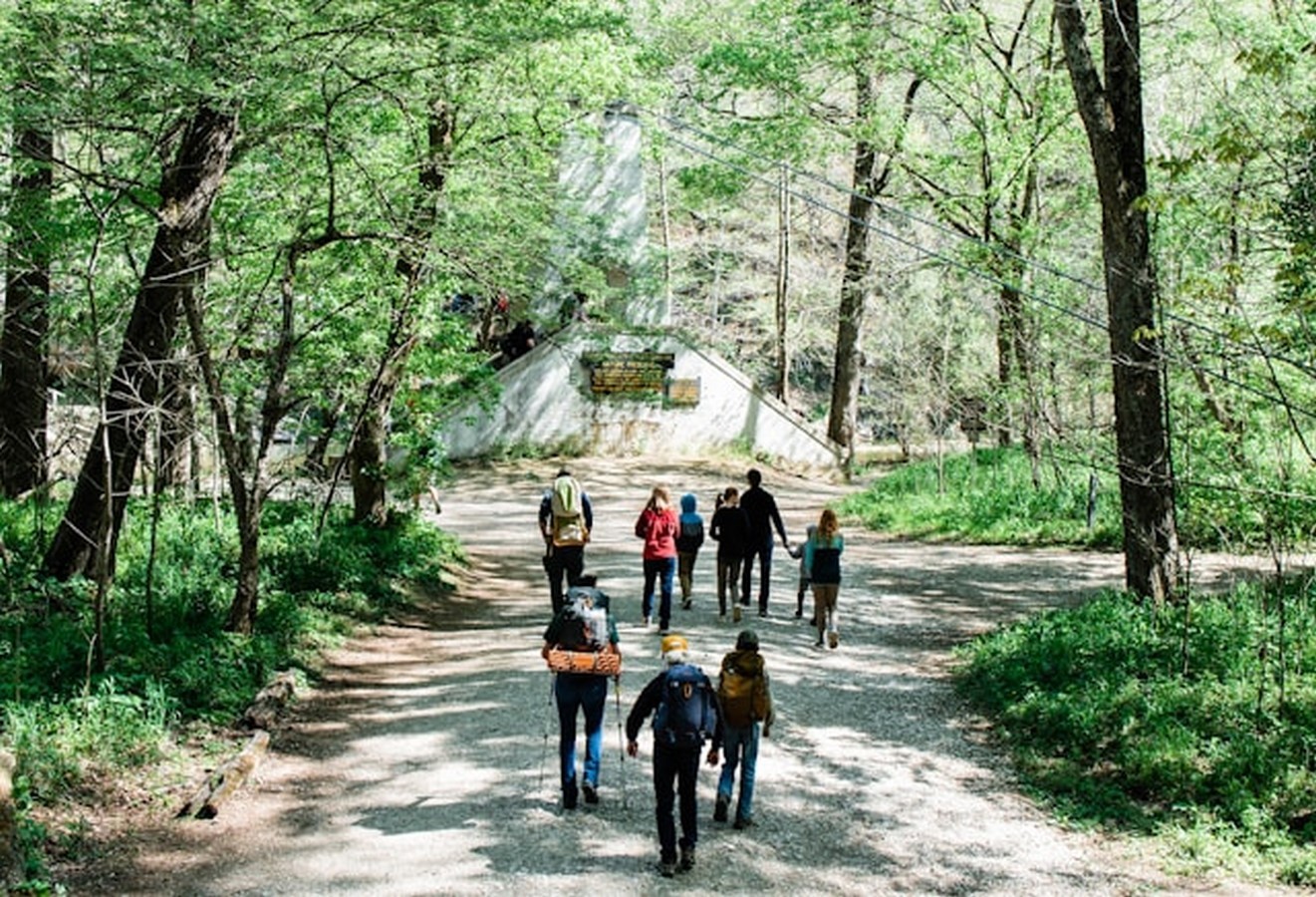
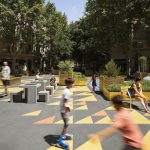
In addition to parks designated for a community, stop points can be created along walkways and streets that make users pause and reflect, enjoy, or relax. These little things have significant power and capacity to improve human interaction and make public spaces worthwhile.
CITATIONS:
Arch2O. (2025) Instilling a Sense of Ownership in Public Places. Available at: https://www.arch2o.com/instilling-sense-ownership-public-places/ [Accessed: 22 February 2026].
Business Insider. (2020) Photos of empty public spaces during coronavirus pandemic outbreak. Available at: https://www.businessinsider.com/photos-of-empty-public-spaces-during-coronavirus-pandemic-outbreak-2020-3?r=US&IR=T [Accessed: 22 February 2026].
Green Foundation Company. (2025) Platform for Interaction Through Good Public Space Design. Available at: https://greenfc.com/stories/platform-for-interaction-through-good-public-space-design/ [Accessed: 22 February 2026].
Kaarwan. (no date) Public Space Design for Social Interaction and Community Engagement. Available at: https://www.kaarwan.com/blog/architecture/public-space-design-for-social-interaction-and-community-engagement?id=213 [Accessed: 22 February 2026].
Urbanet. (2021) Truly Open — Rethinking Public Spaces In The Post-COVID City. Available at: https://www.urbanet.info/truly-open-rethinking-public-spaces-post-covid-city/ [Accessed: 22 February 2026].