The Soviet city was conceived as a spatial manifestation of ideology, but functioned in practice as an environment shaped by compromise, adaptation, and everyday use. Decades after the dissolution of the USSR, Soviet urban forms continue to structure contemporary cityscapes throughout Eastern Europe, Central Asia, and the Caucasus. Housing blocks, street grids, public squares, and infrastructural networks persist not merely as remnants of a political past but as active frameworks that shape ongoing urban life.
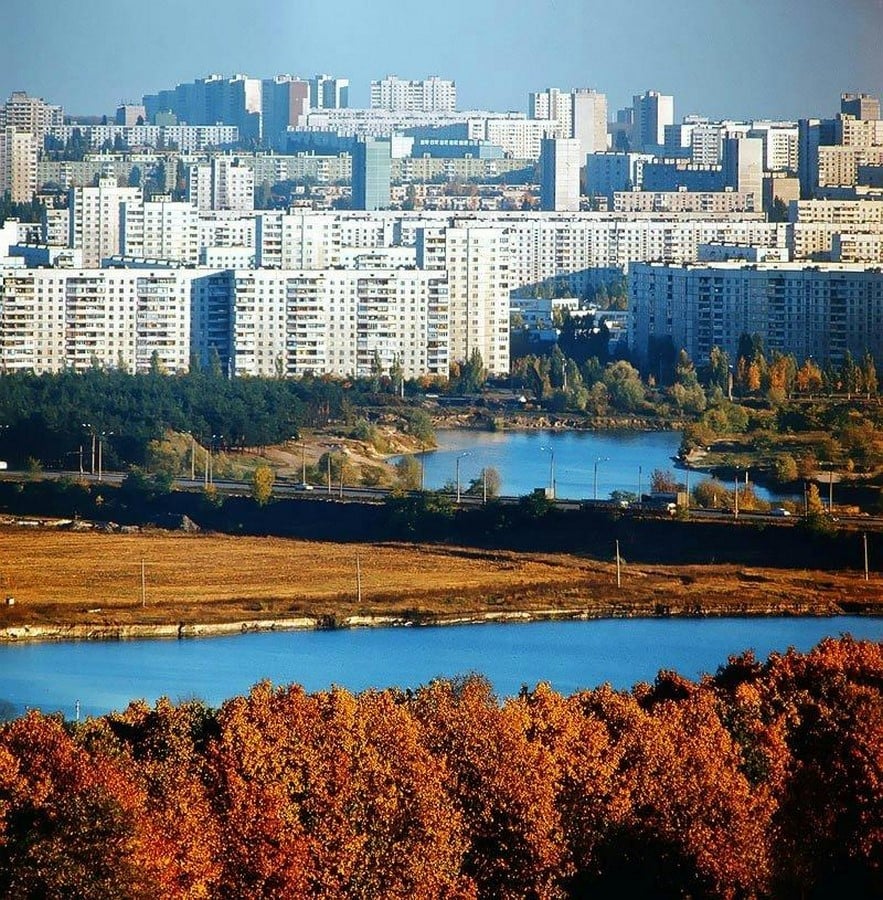
Urban memory in the post-Soviet city extends beyond monuments or official narratives. It is embedded in daily routines, material deterioration, informal modifications, and the ongoing occupation of spaces originally designed for a different social order.
Planning Ideals and Lived Realities
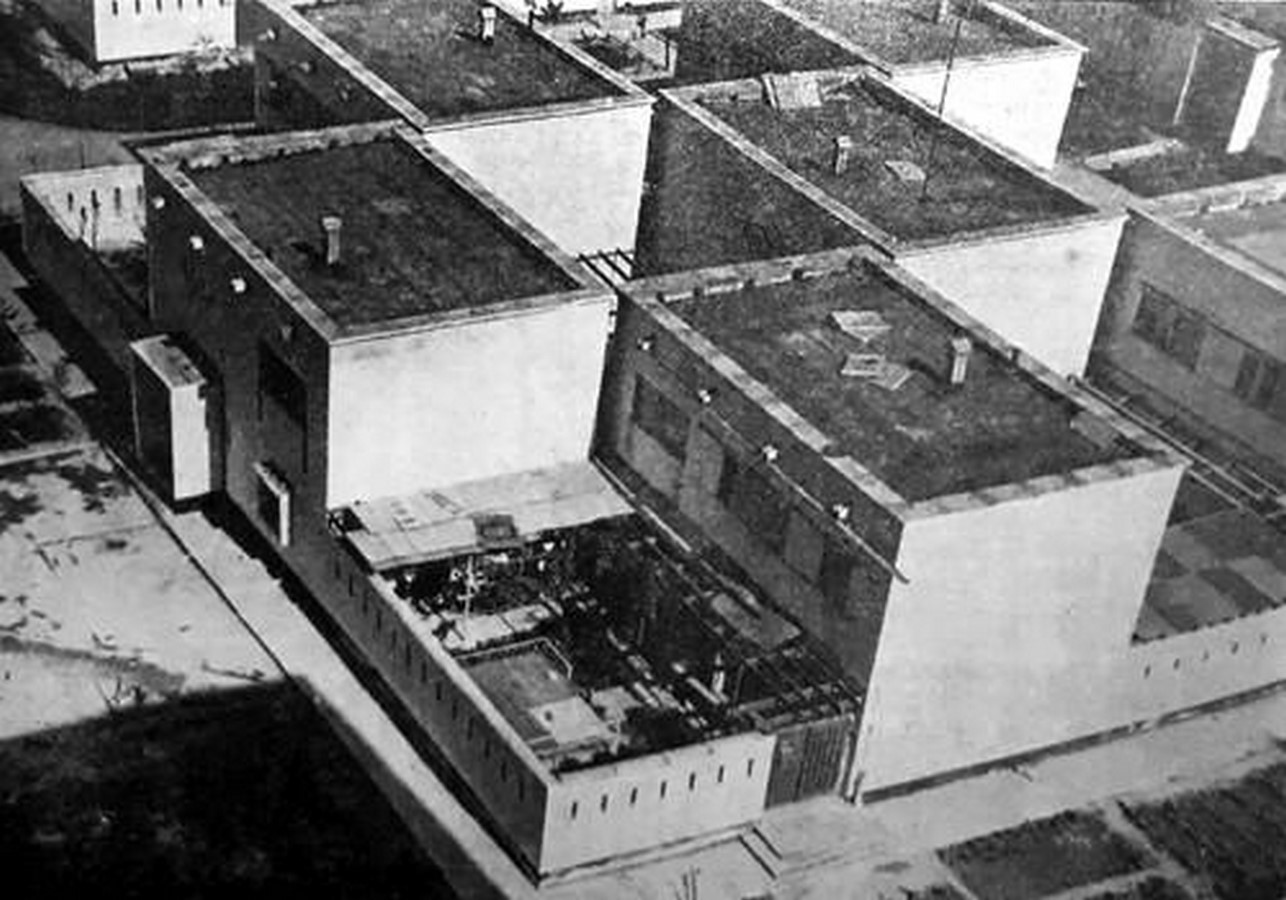
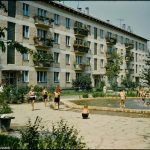
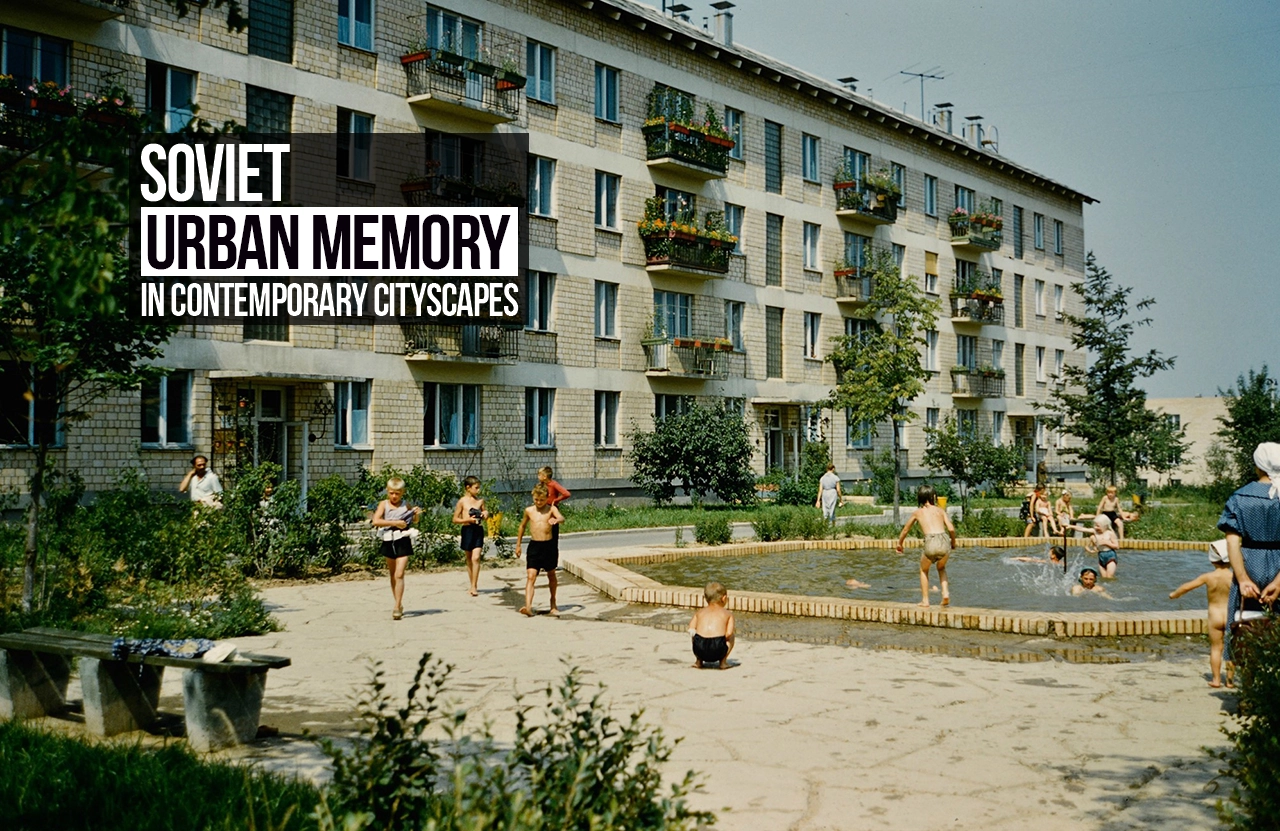
Soviet urban planning prioritized clarity, efficiency, and standardization. Mass housing initiatives generated repeatable building types designed to address chronic housing shortages and promote collectivist ideals. Neighborhoods were systematically zoned, green spaces mandated, and daily life organized spatially through proximity to schools, workplaces, and essential services.
However, from the outset, these plans confronted local conditions beyond their control. Climate, cultural practices, family structures, and existing urban fabrics all shaped the ways standardized forms were inhabited. Residents enclosed balconies to expand living space, subdivided interiors for multi-generational households, and repurposed courtyards for social and productive activities. These adaptations contributed to the divergence of the Soviet city from its intended uniformity.
The City as a Layered Archive
Contemporary cityscapes shaped by Soviet planning operate as layered archives. Buildings bear traces of multiple periods: original construction, late Soviet modifications, post-socialist renovations, and recent commercial adaptations. Concrete facades may remain unchanged while ground floors host new retail functions. Infrastructure laid decades ago continues to support contemporary mobility and exchange.
These layers do not resolve into a single narrative of progress or decline. Instead, they coexist, producing environments where temporalities overlap. The memory of the Soviet city is thus spatial rather than commemorative—experienced through daily movement, material decay, and routine maintenance.
Everyday Practices of Memory
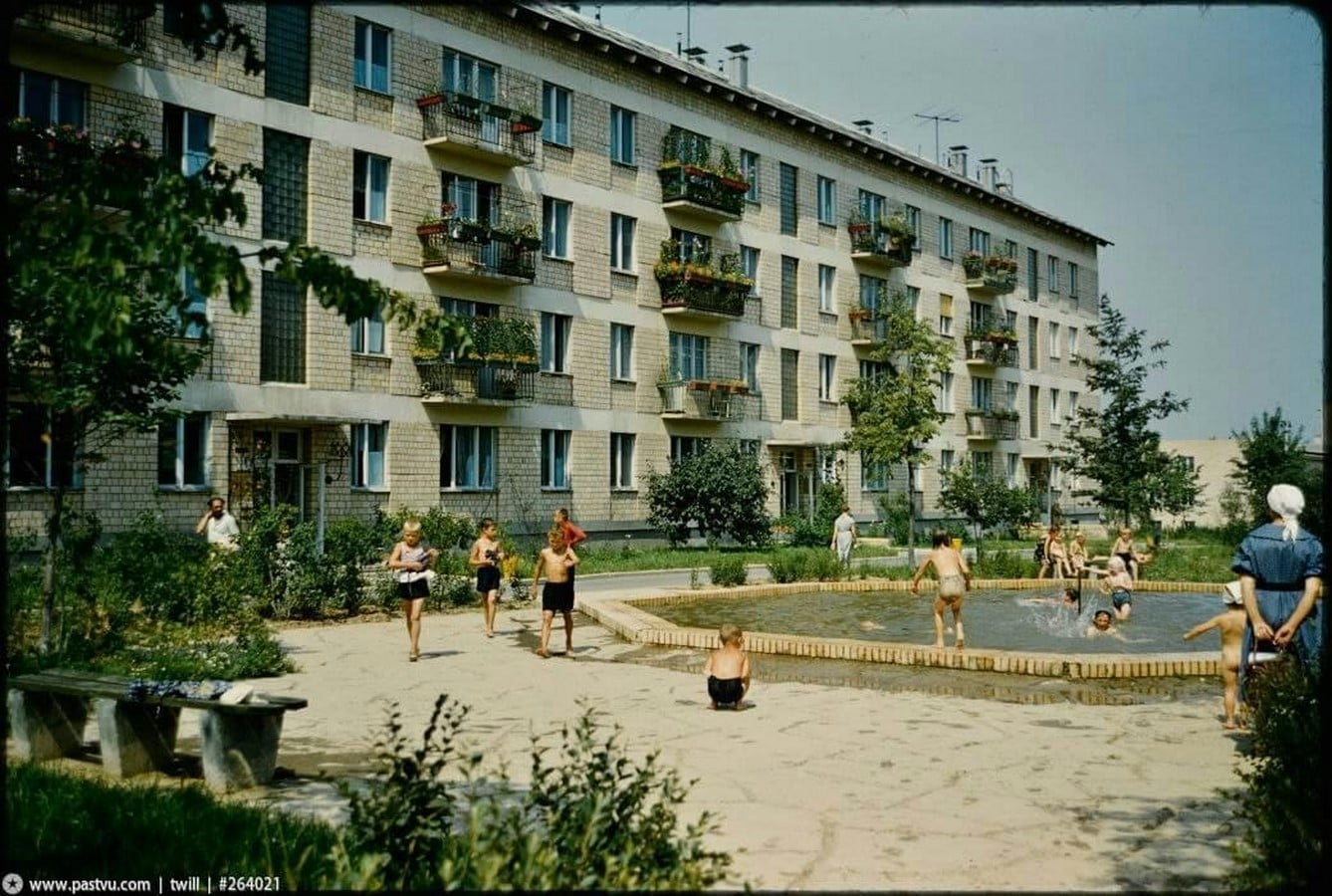
Urban memory persists not only through form but through practice. Stairwells repaired collectively, gardens cultivated in residual spaces, and informal extensions added over time reflect a continuity of self-help and local knowledge. These practices, developed under conditions of scarcity and centralized control, often proved more responsive to everyday needs than state-led interventions.
In contemporary contexts, they remain visible in how spaces are managed and adapted. While formal renovation projects may seek to modernize or erase Soviet-era structures, everyday use often preserves them through continued relevance. Memory, in this sense, is sustained less by preservation policies than by habit.
Reinterpretation of Public Spaces
Public spaces in Soviet cities were designed to embody the collective identity and presence of the state. Squares, avenues, and monuments formed symbolic landscapes meant to reinforce shared values. Today, these spaces are frequently reinterpreted rather than removed. Monuments are relocated or contextualized, while squares become sites of leisure, protest, or commercial activity.
Such transformations do not negate the Soviet past but reframe it. The persistence of these spaces allows for reinterpretation across generations, enabling contemporary users to assign new meanings to inherited forms.
Beyond Homogenization
While Soviet planning aimed at visual and spatial uniformity, the long-term result has been diversification rather than sameness. Informal adaptations, material aging, and localized renovation have produced cityscapes marked by variation. What was once standardized has become differentiated through use.
This challenges the common perception of the Soviet city as monotonous and static. Instead, it reveals an urban environment shaped by continuous negotiation between imposed structures and lived experience.
Memory as an Urban Condition
Soviet urban memory in contemporary cityscapes is not a question of nostalgia or rejection. It operates as an urban condition, embedded in layouts, materials, and routines that continue to shape daily life. These cities do not simply remember the Soviet past; they live with it.
Understanding this memory requires attention to practice rather than symbolism, to continuity rather than rupture. In doing so, the Soviet city emerges not as a relic of a closed historical moment, but as a dynamic landscape where past and present remain in constant dialogue.