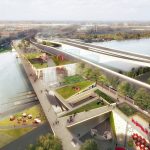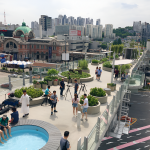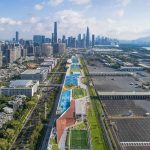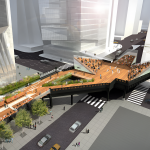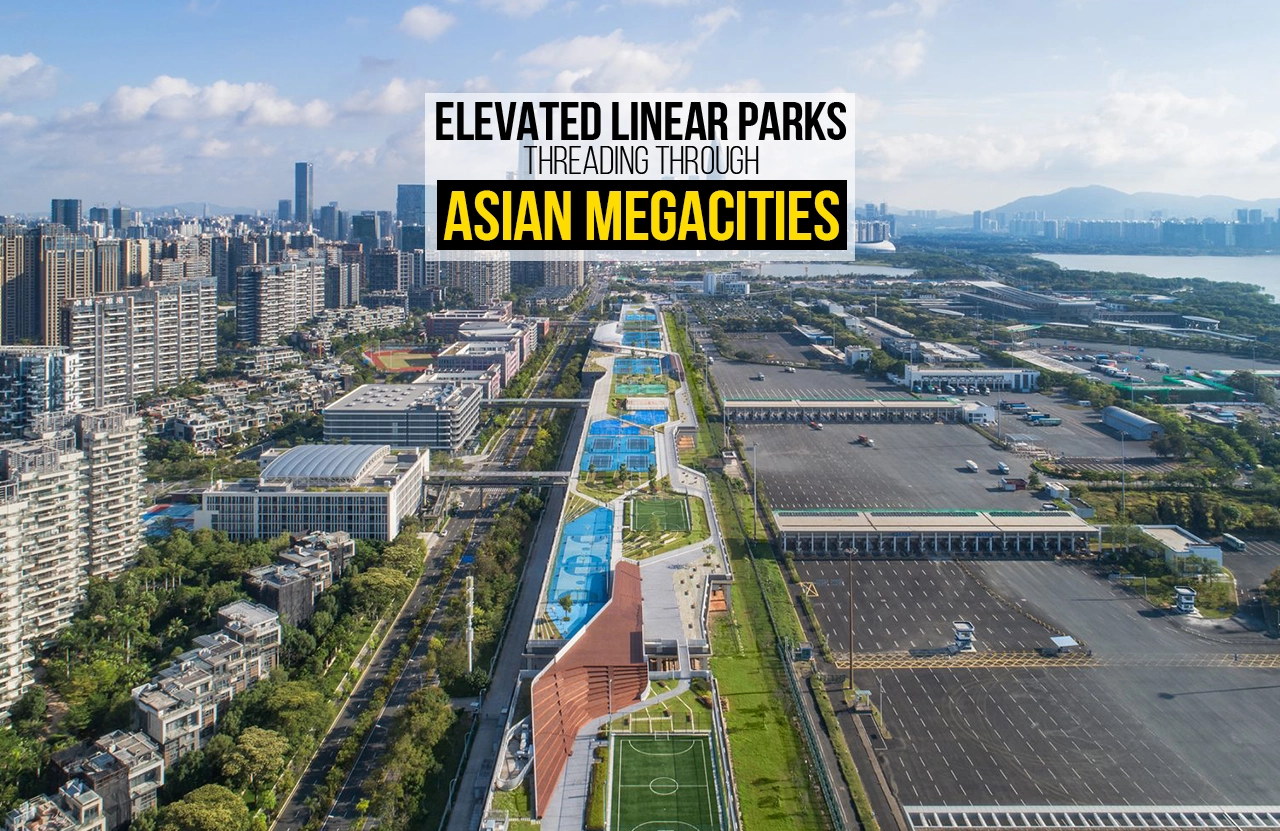
Asian megacities are growing vertically as much as they are horizontally, driven by extreme density, acute land scarcity, and rapid urbanisation. As a result of these challenges, traditional ground-level park spaces are increasingly difficult to accommodate.
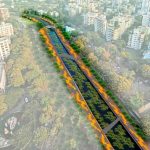
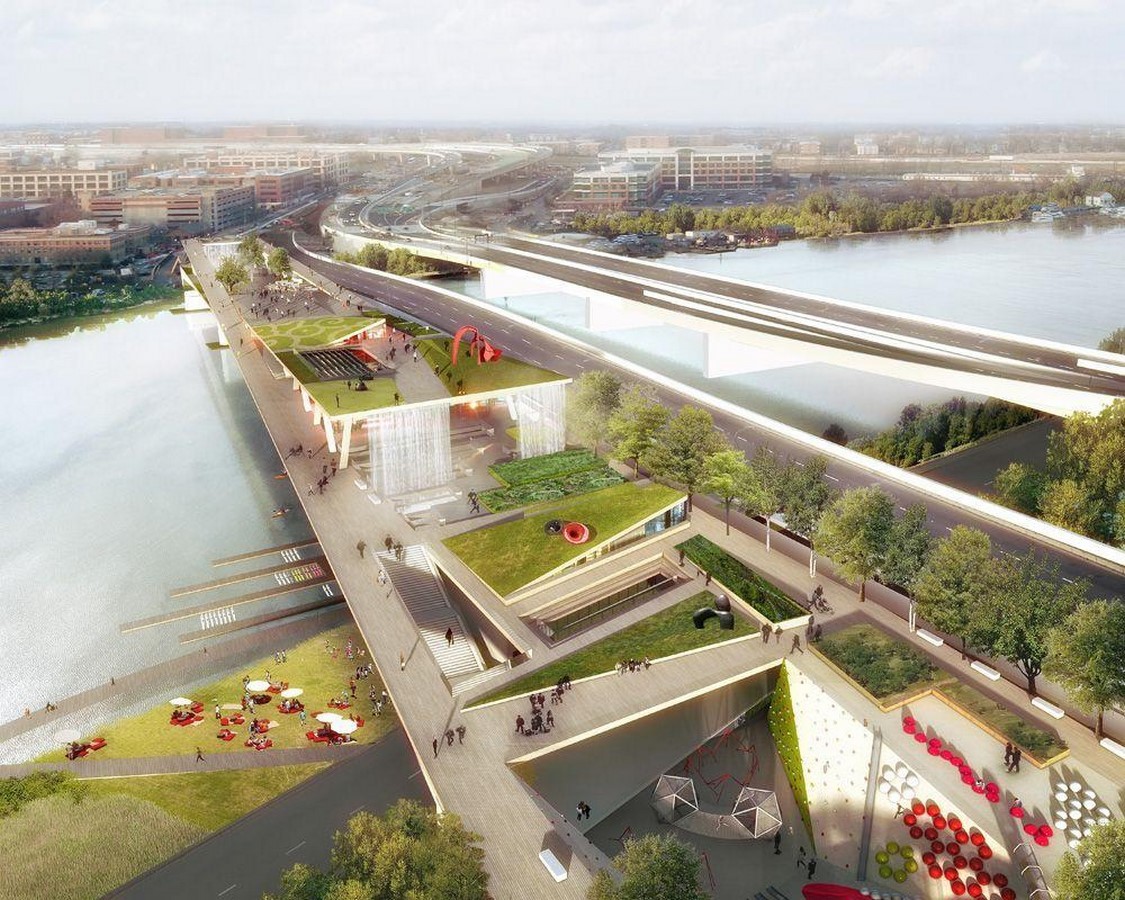
Elevated linear parks have become a particularly innovative urban solution, transforming flyovers, railway corridors, viaducts, and obsolete infrastructures into a continuous public landscape that floats over the city. Threading into the urban fabric, these parks are more than just green walks in the sky; they are infrastructural combinations of mobility, ecology, and social space. By re-purposing existing structures, linear parks offer high line parks providing a new experience of the mega city from above and in natural proportion to a human scale.
Social Connectivity and “Neuro-Urbanism”
Parks are solving the “loneliness epidemic” of high-rise living. By providing a continuous, walkable path that is physically separated from the noise and danger of traffic, they foster what planners call social equity.
“Verticality isn’t just about height; it’s about possibility. We are creating a secondary ground plane where the public realm can breathe.” —From the Urban Planning Forum, 2026.
In cities where implementing the ’15-minute city’ model is challenging, the construction of these skywalks facilitates direct connections among residential towers, transit hubs, and commercial zones, making walking and cycling a viable daily choice.
Some of the examples are:
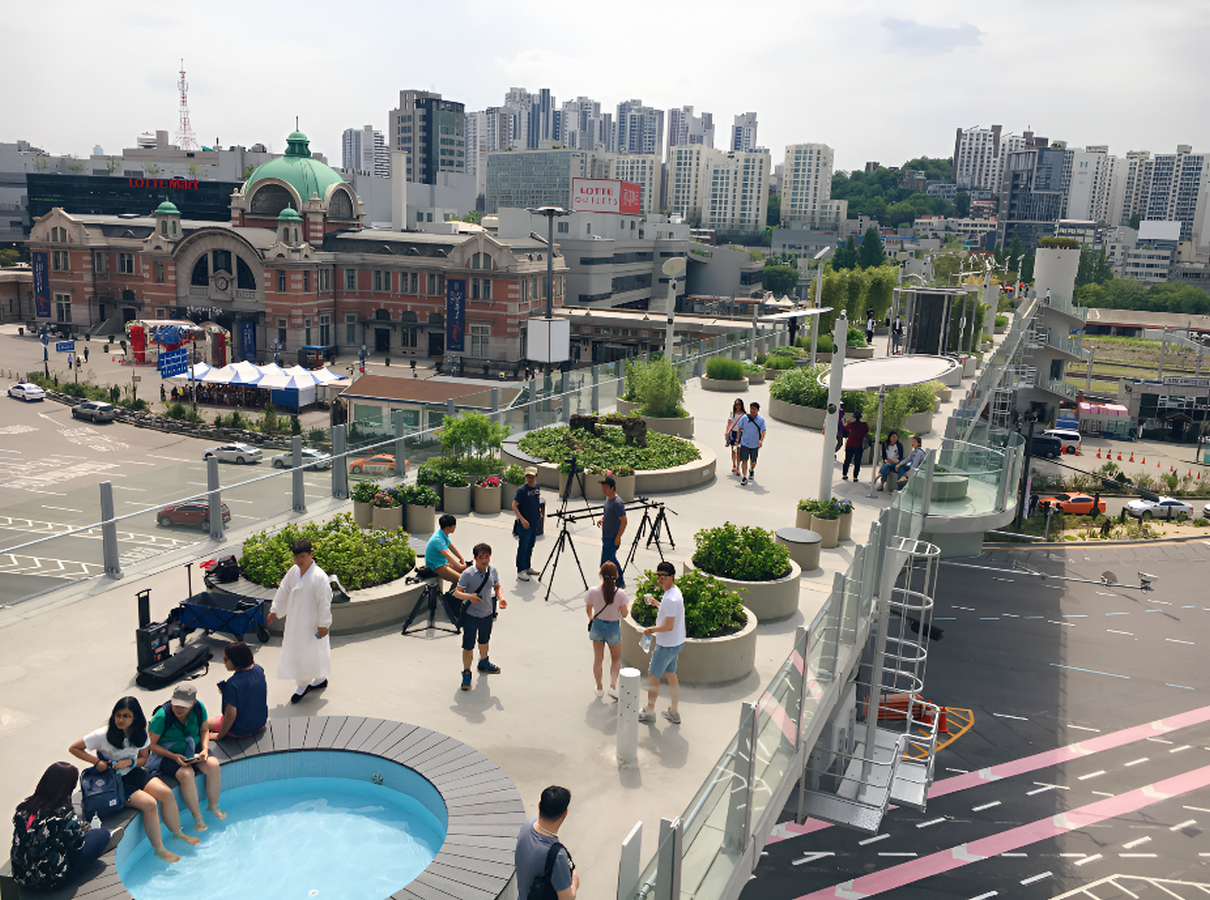
- Seoullo 7017, Seoul- 24000+ Korean plants
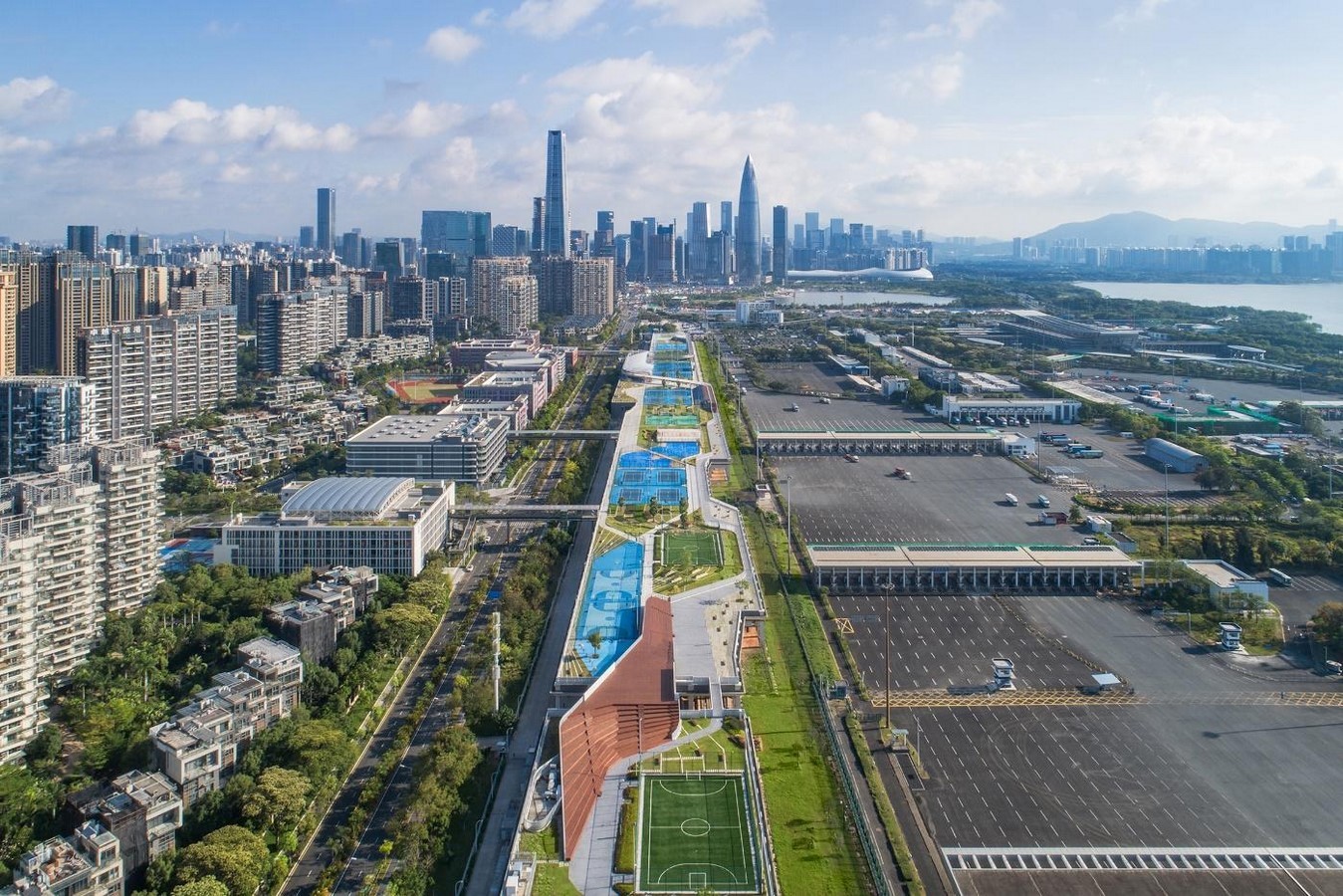
- Shenzhen Skypark, Shenzhen- Rooftop sports Complex
- Capita Spring Sky Singapore- 4-storey “Green Oasis”
- Benchakitti Park Bangkok- Elevated Forest walkway
Reimagining Infrastructure as Public Space
Asian megacities have primarily focused on efficient and streamlined movement in their infrastructure design. Elevated rail corridors and highways create physical and psychological barriers, casting shadows and isolating communities below. Elevated linear parks invert this paradigm by reclaiming these structures as active public spaces. By adding vegetation and pathways for pedestrians, cities are able to maximize land use without additional land acquisition.
Urban areas can retain the social history tied to the infrastructure, and aged structures are given new life and a purpose through the added social features of the linear parks. Projects such as elevated promenades built on former flyovers or disused rail lines demonstrate how hard infrastructure can be softened through landscape design, lighting, and human-scaled interventions. Infrastructure creates the opportunity for urban areas to have multifunctional, non-mono systems that support a community’s daily activities in addition to providing a means of transportation.
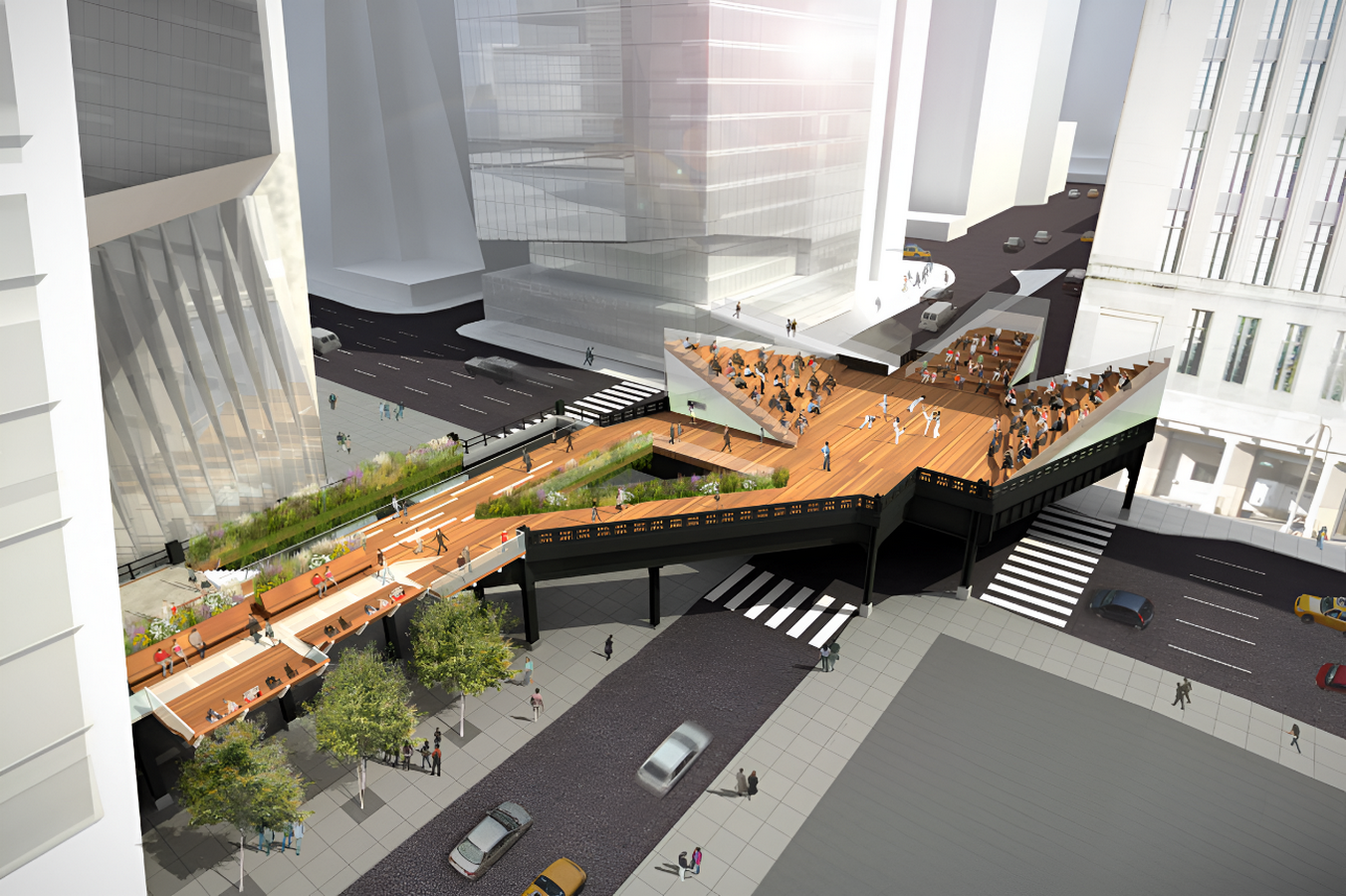
Stitching the Fragmented Megacity
Asian megacities are characterized by discontinuity; gated developments, barriers in infrastructure, mono-functional zones. Elevated linear parks address this by offering uninterrupted pedestrian networks above the chaos of the ground. They function as ‘urban threads’ linking residential and commercial zones, transport hubs, and cultural sites.
In Tokyo and Hong Kong, where pedestrian movement at ground level is often interrupted, walkways with integrated landscape elements blur the boundary between circulation and recreation. These linear parks enhance walkability in climates and densities where traditional streets fail to perform this role.
Democratization of Space
The ability of elevated linear parks to democratize open space is one of their greatest strengths. Unlike privatized podium gardens or gated parks, these projects tend to be open, continuous, and publicly accessible. They offer safe areas for walking, informal recreation, street vending, and social interaction activities that are deeply embedded in Asian urban life.
In cities like Mumbai or Jakarta, where parks are underprovided at ground level, elevated linear parks can bridge disparities by passing through multiple neighborhoods regardless of income levels. When designed with universal accessibility, seating, diverse programming, and varied activities, they can function as truly democratic public parks, rather than as elite urban interventions.
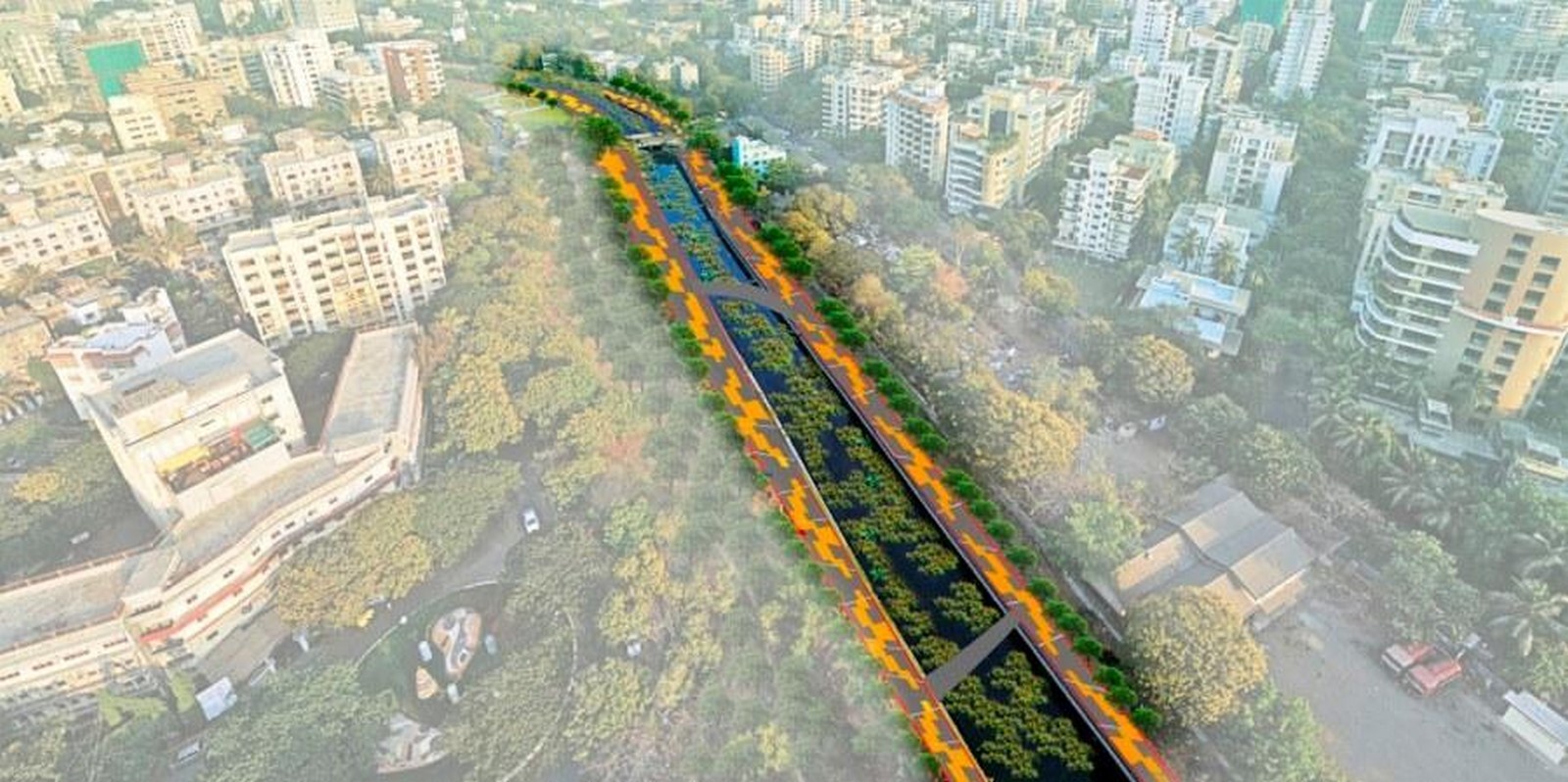
Ecological and Climatic Benefits in Dense Cities
In megacities with diminishing green cover, elevated linear parks provide essential ecological infrastructure, as they integrate vegetation into highly built-up environments, improving air quality, reducing heat island effects, and enhancing urban biodiversity. Native vegetation, green buffers, and shaded pathways promote microclimatic cooling, improving comfort in Asian tropical and temperate outdoor spaces.
With green, permeable surfaces and bioswales, these parks also support sustainable water management. Being elevated, they alleviate runoff in the city’s drainage systems while encouraging responsible behavior. When built as a network, rather than as stand-alone interventions, linear elevated parks integrate green infrastructure and support ecological networks, providing megacities with much-needed horizontal layered green infrastructure.
Challenges and Future Potential
Despite their advantages, elevated linear parks present complex challenges related to design, construction, and long-term management. Structural limitations, safety concerns, maintenance costs, and climatic exposure require careful planning and interdisciplinary collaboration. The lack of active community use and programming can lead to elevated linear parks to experience problems of lack of utilization and safety.
Governance that fosters the successful construction and use of elevated linear parks is an integration of urban policies, community activism, and maintenance of the parks. Future directions point toward integrating elevated linear parks into larger urban systems that are linked with transit-oriented development, cycling networks and ground-level public spaces. In urban Asia, as the centers of megacities are increasingly vertically built, elevated linear parks provide highly relevant and adaptable solutions to the public spaces problem.
Conclusion
Elevated linear parks represent a progressive response to the spatial, ecological, and social challenges faced by Asian megacities. By transforming infrastructural corridors into green public realms, they redefine how cities grow and function under extreme density. Threading through the urban fabric, these parks connect people, neighborhoods, and ecosystems while reclaiming space for public life. As multifunctional landscapes in the sky, elevated linear parks signal a future where urban infrastructure is not only efficient, but also humane, inclusive, and environmentally responsive.
Reference List-
- Team QoC (2024). Linear parks: Adding value to urban landscape – Question of Cities. [online] Question of Cities. Available at: https://questionofcities.org/linear-parks-adding-value-to-urban-landscape/.
- Ren, X., Guan, C., Chen, S., You, M., Li, Y. and Huang, K. (2025). Planning for Rhythmized Urban Parks: Temporal Park Classification and Modes of Action. [online] arXiv.org. Available at: https://arxiv.org/abs/2509.02635.
- Wikipedia Contributors (2025). Elevated Park. Wikipedia.
- Creative Holland. (2017). Creative Holland | Dutch architects transform Seoul highway into park. [online] Available at: https://www.creativeholland.com/en/dutch-architects-transform-seoul-highway-park