Bahrain, an archipelago nation nestled in the Persian Gulf, boasts a rich architectural tapestry that reflects its historical significance as a trading epicenter and its contemporary goals. From ancient settlements to modern skyscrapers, the architectural evolution of Bahrain encapsulates the nation’s journey through time, reflecting cultural, economic, and technological metamorphoses.
The country’s strategic position between Mesopotamia and the Indus Valley civilizations contributed to the early development of urban settlements, religious complexes, and trade-related infrastructure that would influence the region’s architectural trends for millennia.
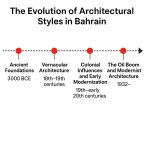
Ancient Foundations: The Dilmun Civilization
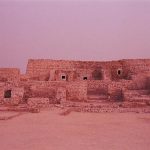
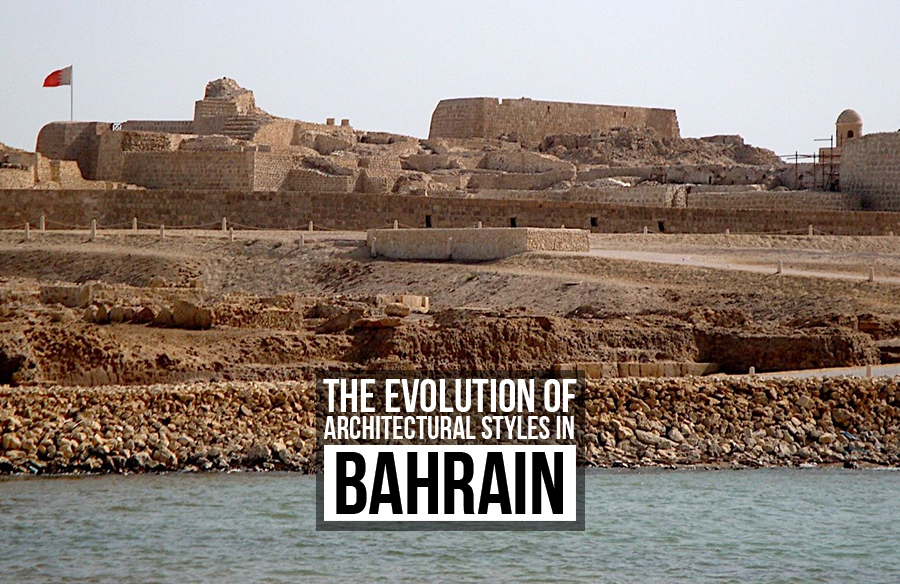
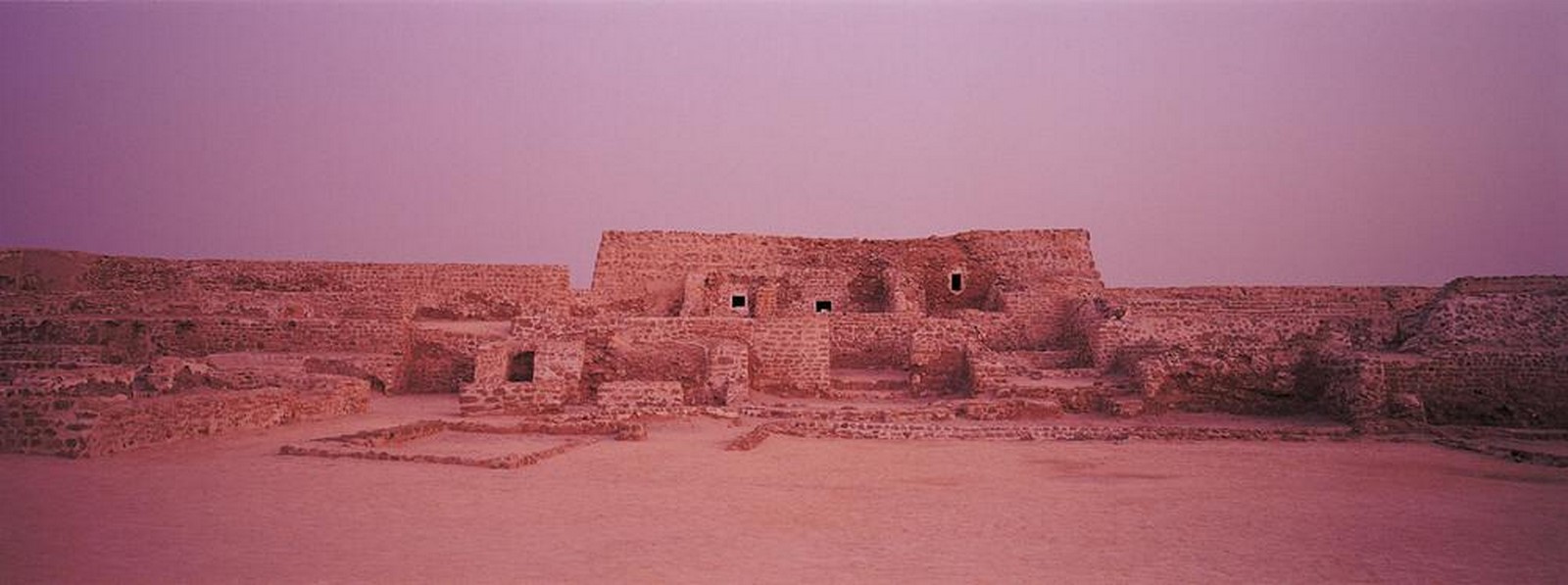
The roots of Bahraini architecture trace back to the Dilmun civilization, dating as far as 3000 BCE. Archaeological locations like Qal’at al-Bahrain, a UNESCO World Heritage site, reveal early civic planning and construction methods. Structures from this period employed locally available materials similar to limestone and palm fronds, showcasing an inherent connection between architecture and the surroundings. Excavations have revealed layers of urbanization that suggest a complex society with planned streets, harbor facilities, temples, and storage houses, indicating advanced civil engineering and architectural sensibilities for that era.
The Barbar Temple, another prominent remnant from the Dilmun era, was built using large limestone blocks and aligned with celestial movements. This reflects the importance of spiritual life and environmental harmony in early Bahraini construction techniques.
Vernacular Architecture, Climate, and Culture
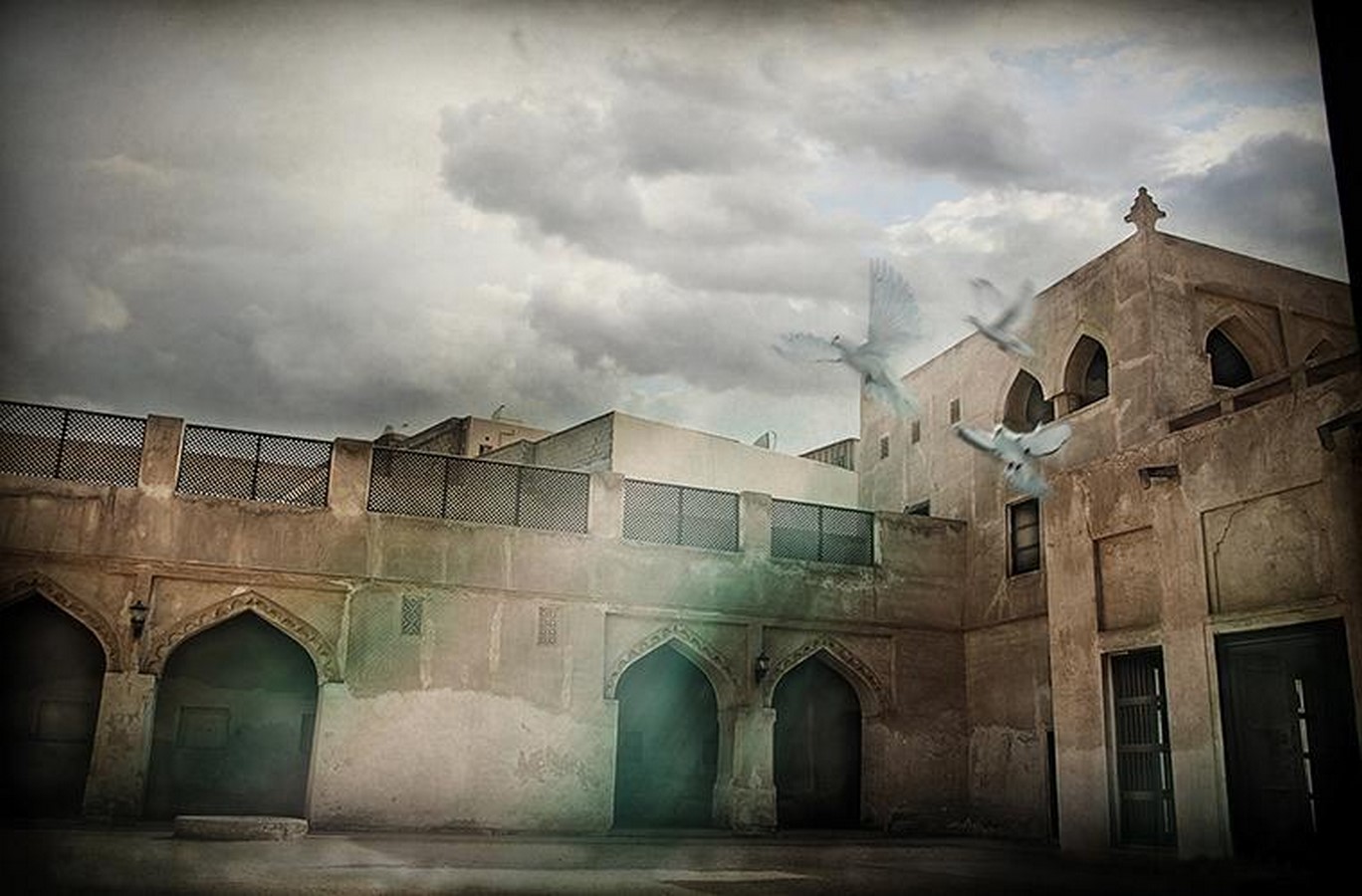
Traditional Bahraini architecture evolved to address the archipelago’s dry climate and social customs. Homes were designed around central courtyards, promoting ventilation and segregation. Wind towers, or badgirs, captured and directed gentle winds into living spaces, illustrating passive cooling methods—a hallmark of Gulf vernacular architecture. Materials like coral rubble and gypsum were generally used, reflecting both functionality and aesthetic appeal. Coral, readily available from Bahrain’s reefs, acted as a natural insulator, keeping interiors cool during scorching summers.
Neighborhoods, known as fareej, were planned to ensure community cohesion and shared resources like wells and mosques. The urban fabric was intimate, human-scaled, and socially responsive.
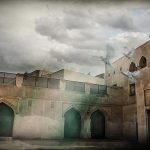
The metropolis of Muharraq stands as a testament to this architectural heritage. Notable structures include the Shaikh Isa bin Ali Al Khalifa House, which offers a perception of 19th-century domestic architecture and social ranking. Its wind tower, decorative gypsum carvings, and introverted plan reflect the dual values of climate responsiveness and Islamic cultural modesty.
Colonial Influences and Early Modernization
The 19th and early 20th centuries introduced new architectural principles due to increased commerce with British colonial powers and abutting regions. Structures like Bab Al Bahrain, constructed in 1945, mix traditional Islamic motifs with British colonial design, representing the managerial and commercial development of Manama. This landmark, originally facing the sea, was part of a broader urban strategy to formalize and modernize trade infrastructure.
Colonial-era buildings adopted arched colonnades, pitched roofs, and imported materials like steel and glass, merging Eastern ornamentation with Western construction logic. Educational and governmental buildings also reflected this hybrid style, signaling a shift in civic architecture influenced by modernization and external governance.

The Oil Boom and Modernist Architecture
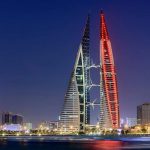
The discovery of crude oil in 1932 catalyzed rapid remunerative growth, leading to significant regional development. Modern architecture, characterized by minimal ornamentation and functional design, gained eminence. Structures like the Bahrain World Trade Center, completed in 2008, illustrate this shift. The Twin Towers incorporate wind turbines, integrating sustainability with sleek design and earning international acclaim for environmental innovation.
This period also saw the rise of residential and commercial structures that prioritized effectiveness and contemporary amenities, reflecting the nation’s evolving society and remunerative status. Public housing initiatives and the introduction of zoning laws facilitated structured urban expansion. Bahrain’s early embrace of modernist principles, such as flat roofs, open floor plans, and reinforced concrete frames, created a new architectural vernacular that diverged sharply from traditional forms.

Contemporary Architecture Innovation and Identity
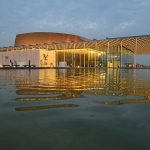
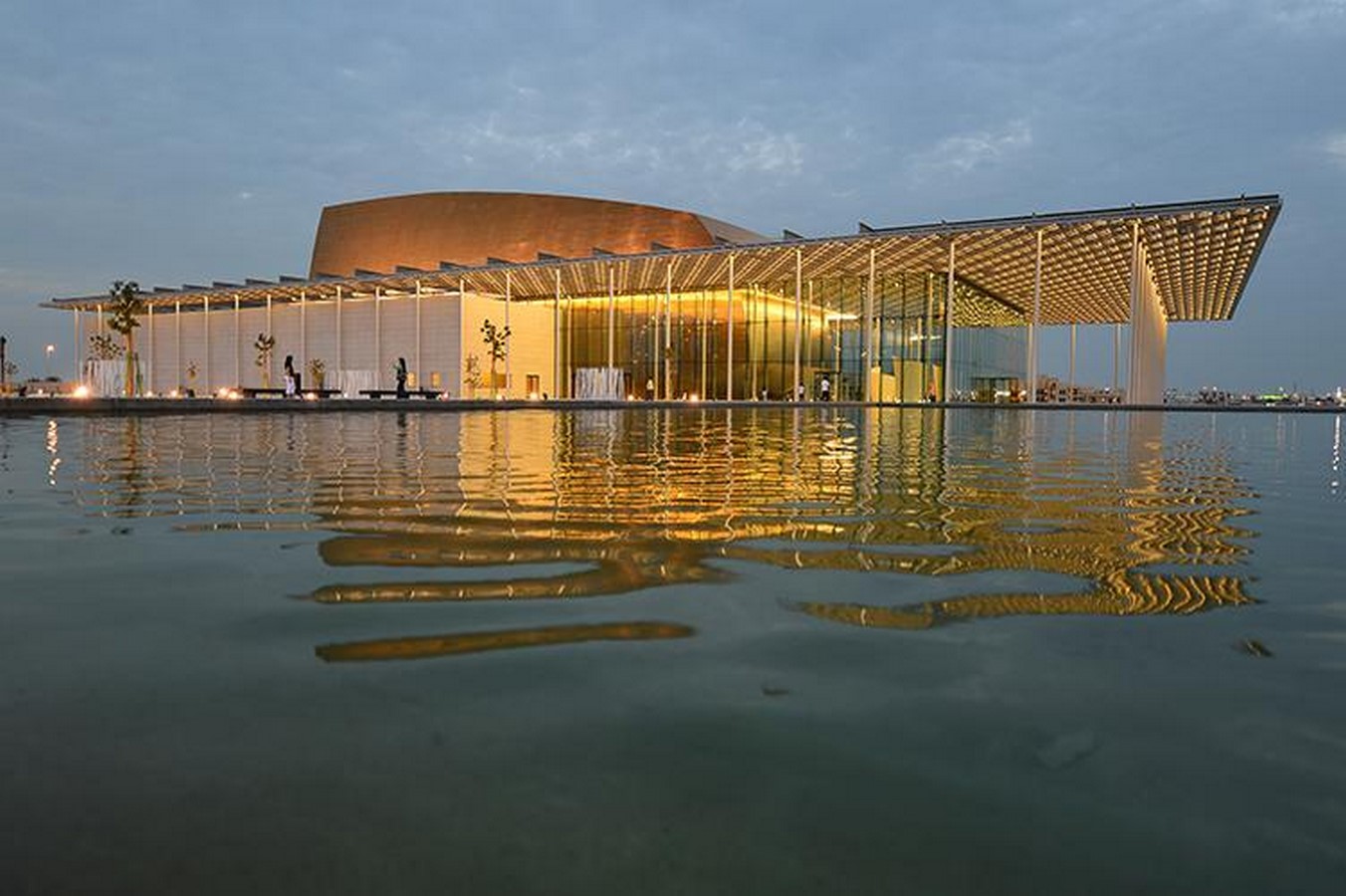
In recent decades, Bahraini architecture has embraced invention while seeking to conserve cultural identity. Strategies like the Bahrain National Theatre and the Bahrain Financial Harbour exhibit contemporary design infused with regional elements. These projects showcase global architectural dialogues while remaining rooted in Bahrain’s socio-cultural ethos.
Architect Anne Holtrop’s work on the Siyadi Pearl Museum and the Suq al-Qaysariya commercial space in Muharraq exemplifies this fusion. His designs exercise raw materials and minimalist aesthetics to complement the monumental surroundings. Holtrop’s approach often avoids conventional construction geometry in favor of organic forms and handcrafted textures, bridging past and future through design.
Additionally, the Pearling Path Project, a UNESCO initiative, reflects Bahrain’s commitment to sustainable conservation. By restoring historic merchant houses and connecting them through modern interventions, Bahrain blends heritage with tourism and education, reinforcing architecture as a medium of national storytelling.
Bahrain’s architectural journey reflects a dynamic interplay between tradition and modernness. From ancient settlements to futuristic skyscrapers, the fabricated environs narrates stories of cultural adaptability, accommodation, and invention. As Bahrain continues to evolve, its architecture stands as a testament to the nation’s rich heritage and forward-looking vision.

References:
- Design Encyclopedia. Architecture in Bahrain. https://design-encyclopedia.com/T=Architecture+In+BahrainInternationalHistoryBlog
- The Forgotten Art of Bahraini Architecture. https://intlhistory.blogspot.com/2019/08/the-forgotten-art-of-bahraini.html
- Iqra Sense. Muharraq Bahrain: Islamic History, Architecture, and Culture. https://www.iqrasense.com/muslim-culture/muharraq-bahrain-islamic-history-architectur-and-culture.html
- Eastern Chronicles. Bahrain Architecture History. https://easternchronicles.me/bahrain-architecture-history/
- Re-thinking The Future. The Role of Modern Architecture in Bahrain’s Urban Development. https://www.re-thinkingthefuture.com/city-and-architecture/a13814-the-role-of-modern-architecture-in-bahrains-urban-development/
- Kurby Blog. From Past to Present: The Evolution of Manama Bahrain’s Architecture. https://blog.kurby.ai/from-past-to-present-the-evolution-of-manama-bahrains-architecture/
- Financial Times. The Guardian of Bahrain’s Cultural Identity. https://www.ft.com/content/e5cf3a2b-5458-49f5-b6e8-6192dea73f56
- The Guardian. Bahrain’s Pearling Path: How a sci-fi kingdom reconnected with its past. https://www.theguardian.com/artanddesign/2025/mar/14/bahrain-pearling-path-sci-fi-kingdom-car-parks