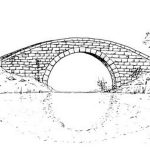
Imagine two different human settlements on either side of a river, and there is no way to connect both of the settlements because no boats or pathway is available to cross that river. What do you think is the best way to connect that settlement easily to share their ideas, tradition, foods, culture, and trade between them? The answer is ‘A Bridge’. A bridge is one of the most marvelous inventions of building design for human mankind that make interconnection possible to cross a physical barrier such as the body of water, valley, road, or rail without obstructing the path below. It is designed to allow passage over the obstruction, which is typically something that would be difficult or impossible to cross otherwise.
Definition of Bridge & its Fact
“Necessity is the Mother of invention”, this is the idea that leads humans to develop such a marvelous engineering icon for the human world. There are many lacks bridges in the world. Every day, millions of people cross them. Surprisingly, there are a lot of things that people don’t realize about these intricate buildings, including the designers, builders, and maintenance professionals who are always working on them. Bridges come in a wide variety of designs, each with a specific function and range of applications. The type of bridge depends on the place or landform where it is going to be built. Also, material availability for the bride plays an important role to characterize the bridge. By using art, architecture & technology, a design of bride derived that must not harm the environment and is dedicated to the ecosystem. The bridge is a public space also where one can do recreational activities and feel it’s stunningly design.
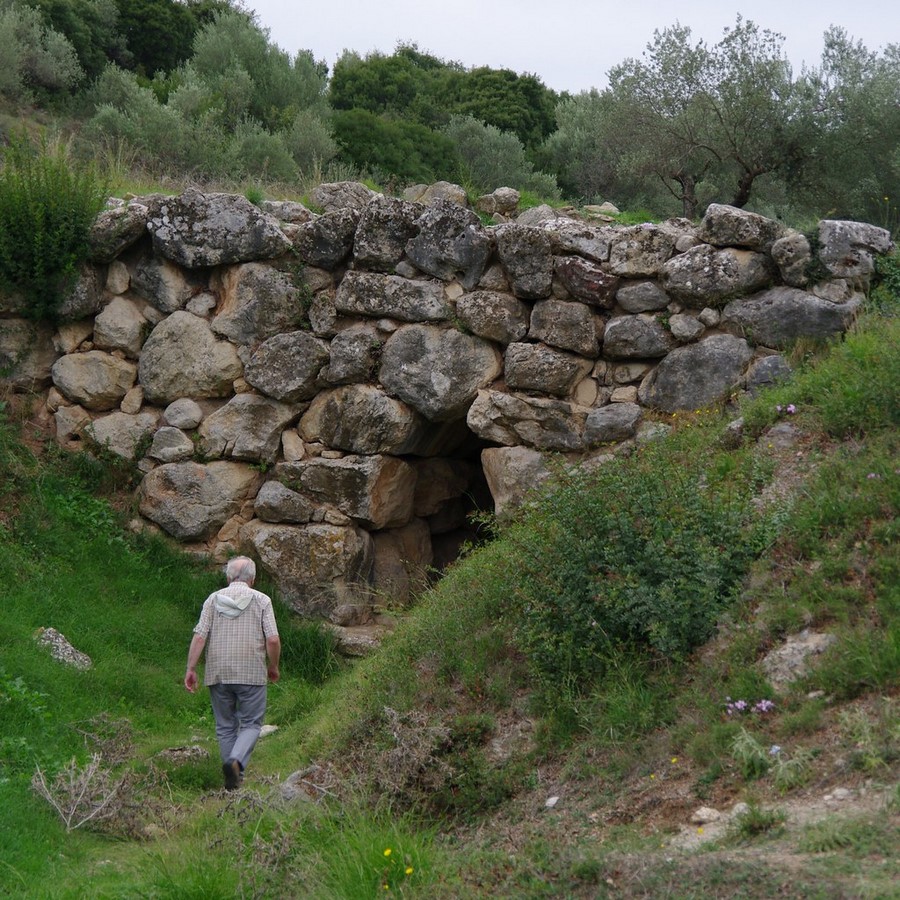
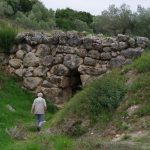
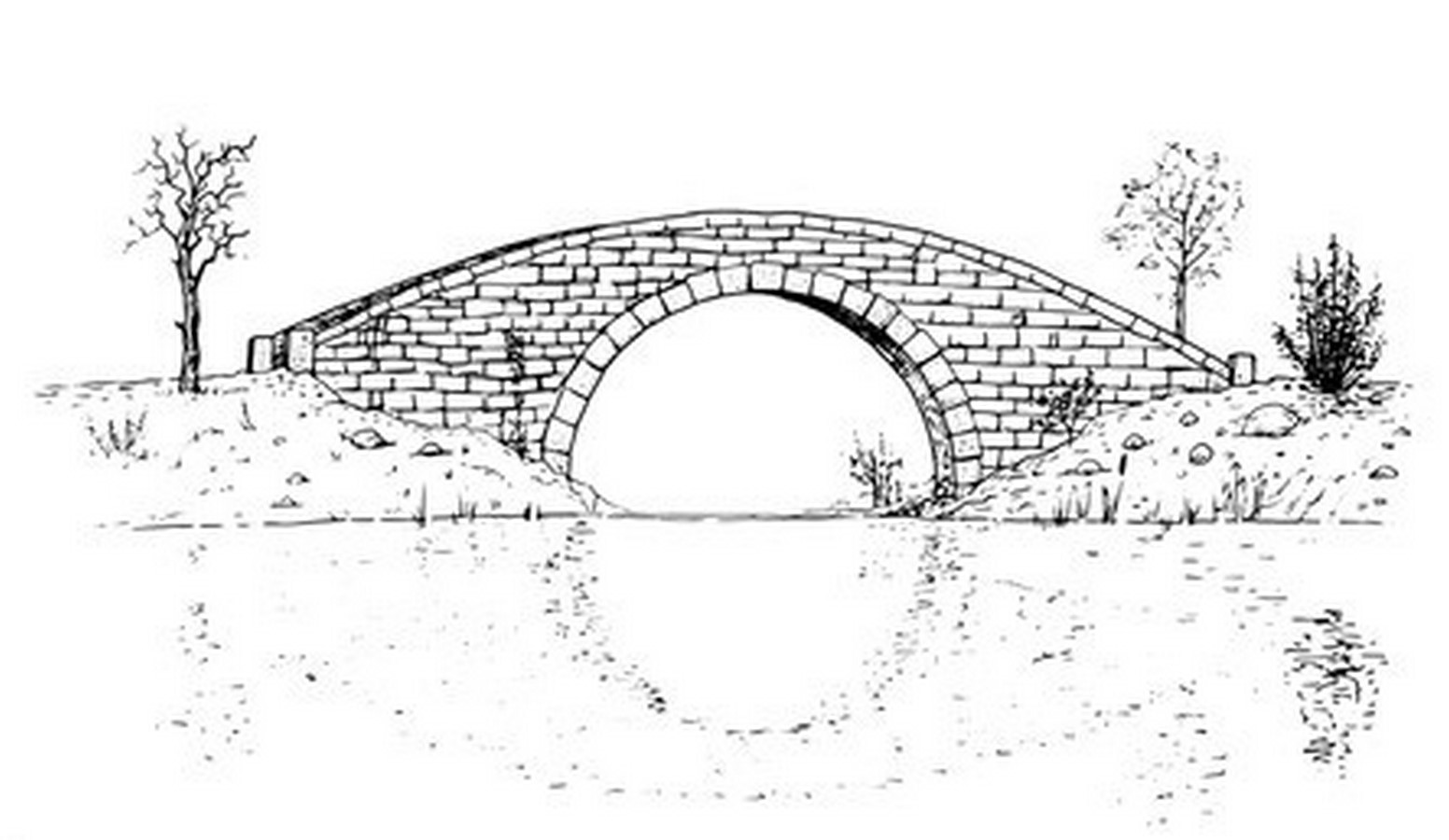
The oldest known bridge is the Kazarma Bridge or Arkadiko Bridge, located in Argolida, in the Peloponnese, Greece, whose construction dates back to the Mycenaean period, around 1300 BC. The Arkadiko Bridge is still used today for local pedestrian and agricultural traffic and has been in service for more than 3,000 years. It was part of the road linking the city-states of Mycenae, Argos and Tirynthos with the port of Palaia Epidavros. This bridge, along with three others from the same period (though less well preserved), was able to accommodate chariots and therefore is proof of the central power that Mycenae exercised over other cities in the region. The Arkadiko Bridge consists of a corbelled arched vault made of Cyclopean blocks stacked without mortar, characteristic of buildings of the period.
Uncovering the Rio-Antirrio of Greece
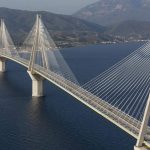
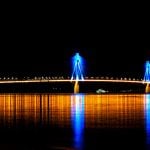
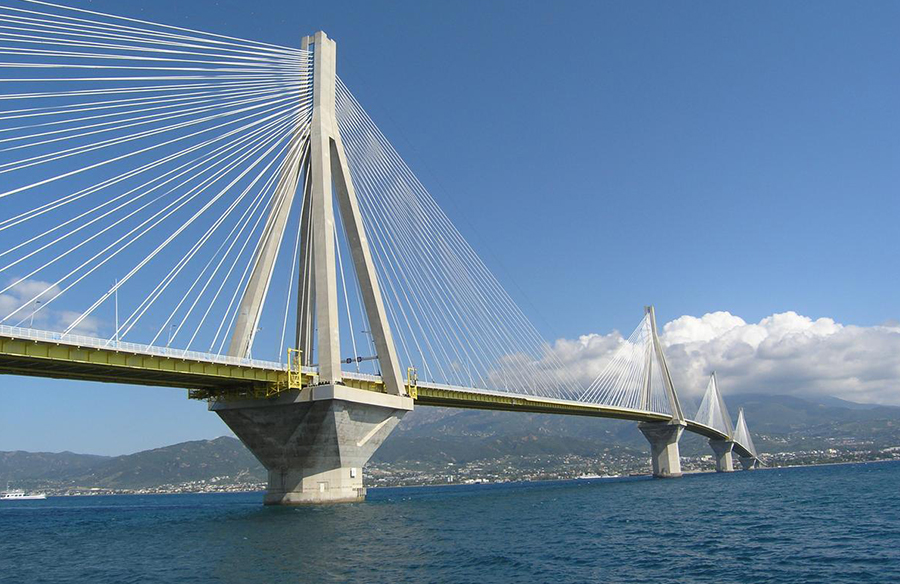
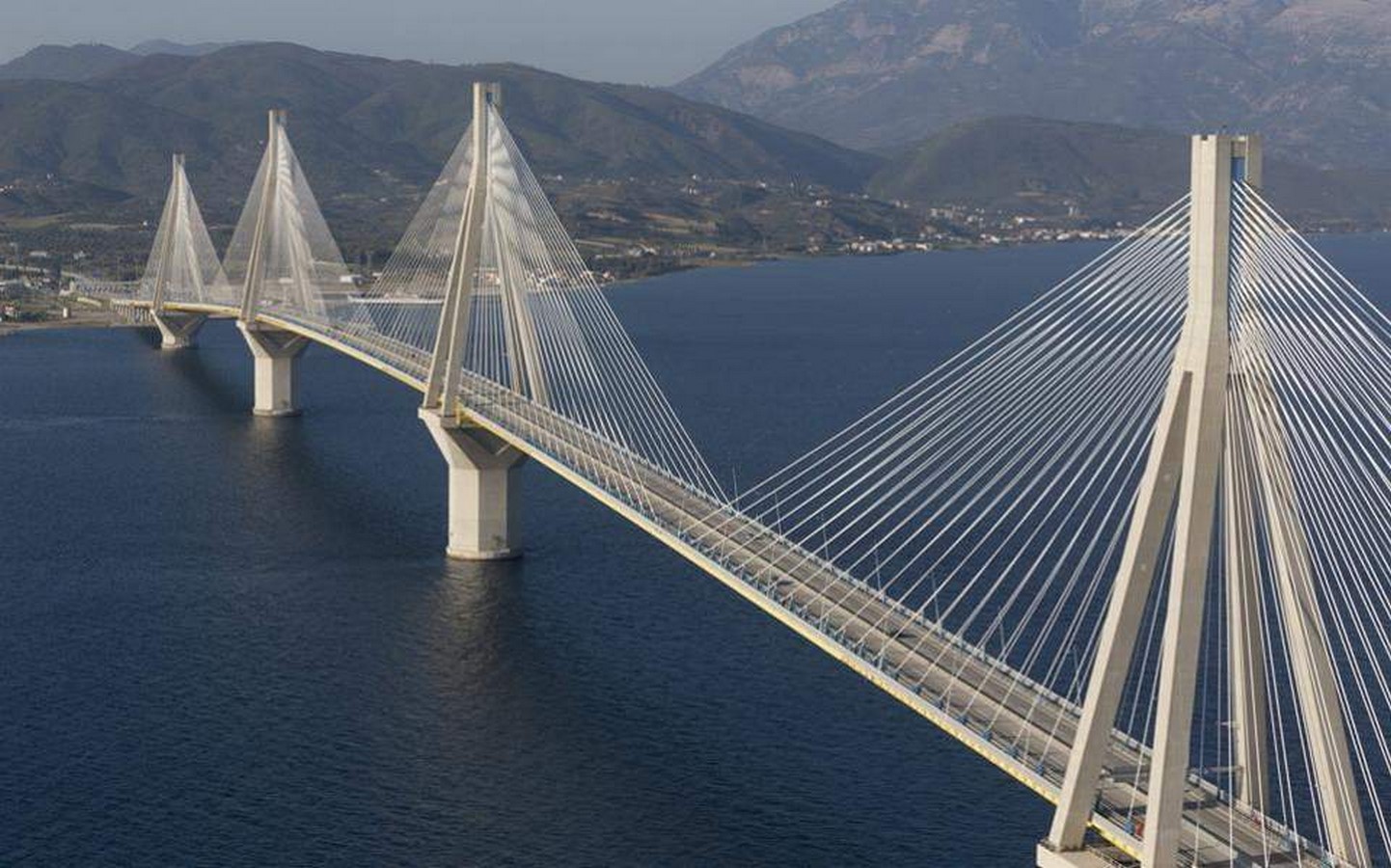
The Rio-Antirrio, one of the longest cable-stayed bridge in the world, spans the western end of the Gulf of Korinth to connect the Greek peninsula with the Peloponnese. The bridge has also shortened travel time across the Gulf from 45 minutes by ferry to five minutes by automobile since it was built to absorb rather than resist the energy and movements of the earth caused by earthquakes and tsunamis. The bridge’s five-year construction was supervised by AECOM.
Design Concept of Rio-Antirrio
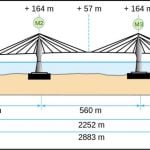
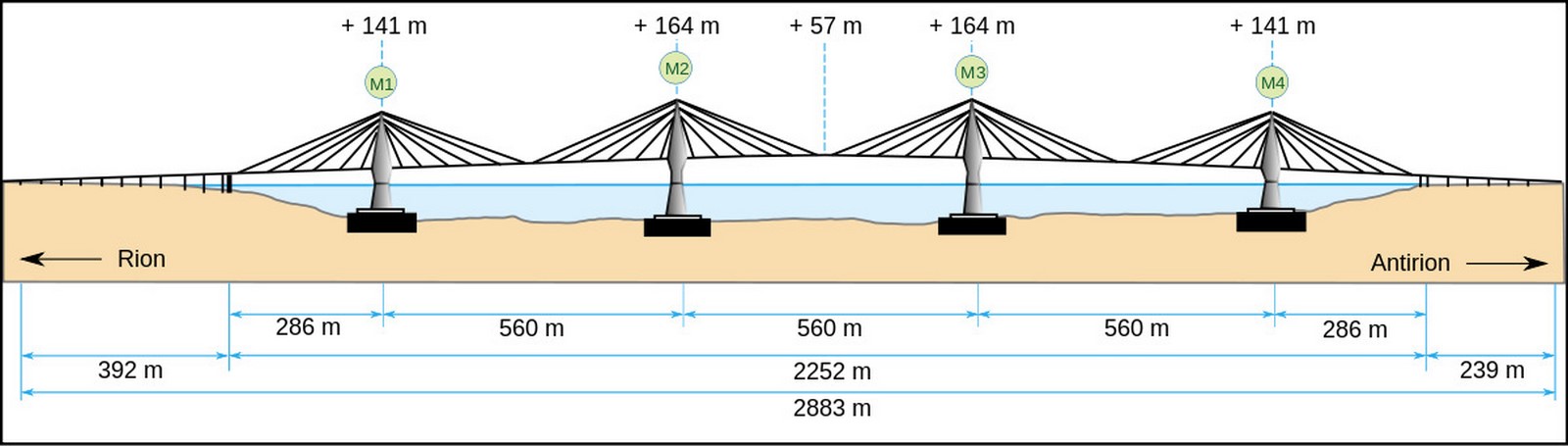
The 2,880 m (9,449 ft.) long bridge (about 1.8 miles) significantly enhances transportation to and from the region. It is 28 m (92 ft.) wide, with two vehicle lanes in each direction, one for emergencies, and a walkway for pedestrians. Its 2,252 m (7,388 ft.) long, five-span, four-pylon cable-stayed section is the second-longest cable-stayed deck in the world. The straits’ distinctive geography necessitated the consideration of a number of special engineering issues. The Gulf of Corinth is expanding at a pace of roughly 30 mm per year, the water depth is 65 m, the seabed is primarily made up of loose sand, there is significant seismic activity, and it is possible that tectonic movement is taking place. Special construction techniques were used as a result. The piers lie atop a bed of gravel that has been painstakingly levelled to a flat surface rather than being submerged into the seabed, a difficult endeavor at this depth. The piers should be let to move laterally on the seabed during an earthquake, with the gravel bed absorbing the energy. To minimize movement, the bridge components are fastened to the pylons using jacks and dampers. If the connection was too rigid, the bridge construction might collapse in the event of an earthquake. In order to protect the piers, it was crucial that the bridge not have too much lateral leeway. Over the span of the bridge, there are plans for the strait to gradually widen.
Conclusion: Insights of the Rio-Antirrio
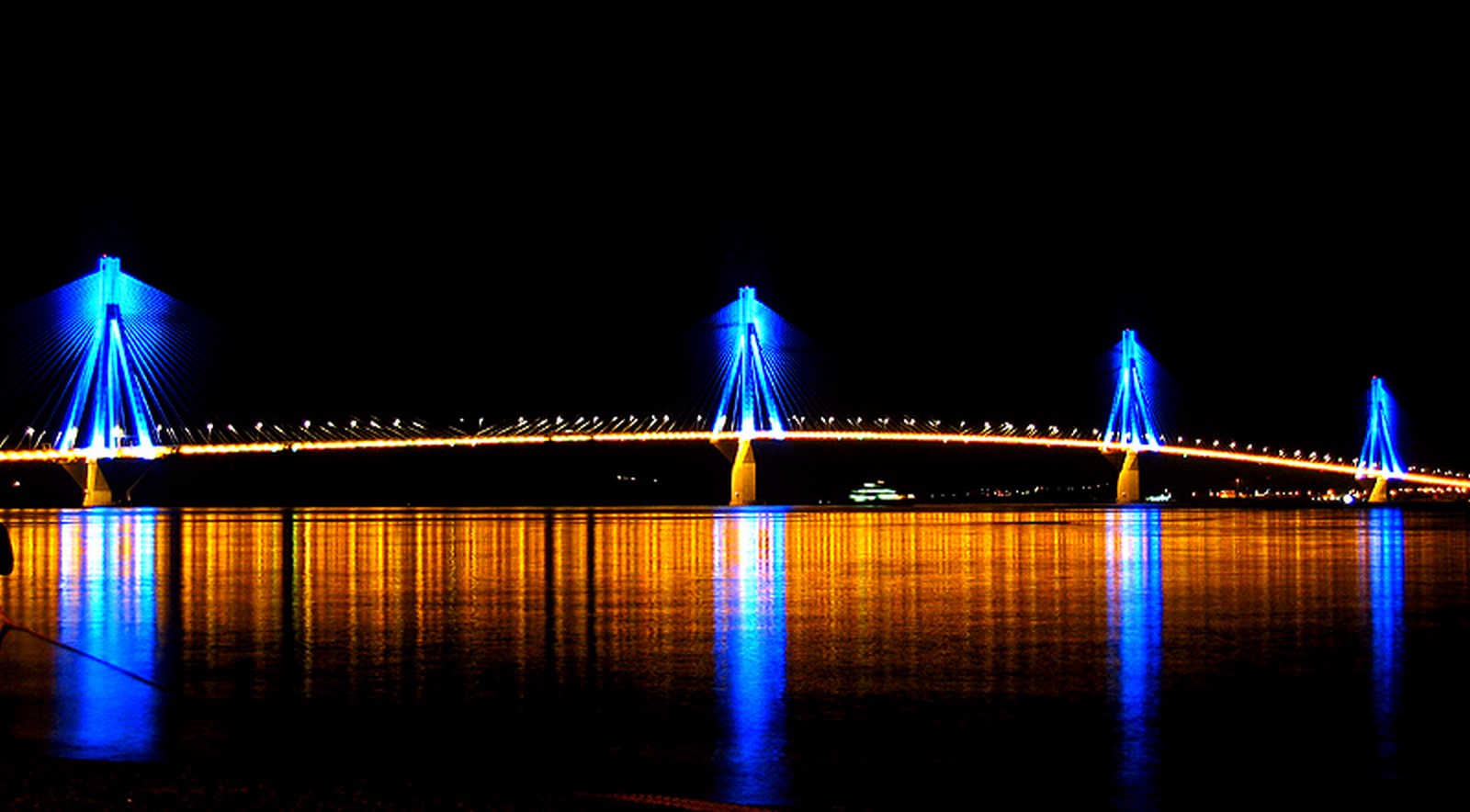
Mr. Berdj Mikaelian was the principal designer of the Rio-Antirrio. The first phase of construction, degrading, and preparation of construction started in July 1998. The second phase of Support pylons construction was started in 2000. The third and last phase of the bridge construction finished in 2003 which includes traffic decks and supporting cables. After this three-phase, the primary construction was finished on the 21st of May in 2004, and the only things left to be installed were equipment which includes sidewalks, railings, etc., and waterproofing. One of the interesting things about the bridge is that the first people to cross it formally were Olympic torchbearers. It was dedicated on the 7th of August 2004, a week before the start of the 2004 Summer Olympics in Athens. The International Association for Bridge and Structural Engineering awarded the bridge its Outstanding Structure Award for 2006 in recognition of its design. The suspension announced of the blue decorative lighting was due to the ongoing European electricity crisis as well as to be in keeping with the company’s environmental strategy. Between 2015 and 2022, the bridge’s carbon footprint was cut by 84.5%.
Reference list:
Bridge Masters. (2016). 9 Facts About Bridges You Probably Don’t Know. [online] Available at: https://bridgemastersinc.com/9-facts-bridges/.
www.google.com. (n.d.). fitrst known bridge – Google Search. [online] Available at: https://www.google.com/search?q=fitrst+known+bridge&rlz=1C1CHBF_enIN912IN912&oq=fitrst+known+bridge&aqs=chrome..69i57j0i13i15i30j0i390l2.5923j0j15&sourceid=chrome&ie=UTF-8 [Accessed 13 Oct. 2022].
AECOM. (n.d.). Rio-Antirrio Bridge. [online] Available at: https://aecom.com/projects/rio-antirrio-bridge/ [Accessed 13 Oct. 2022].
www.nafpaktos.gr. (n.d.). Rio–Antirrio Bridge | MUNICIPALITY OF NAFPAKTIA. [online] Available at: https://www.nafpaktos.gr/en/rio-antirrio-bridge-en [Accessed 13 Oct. 2022].
Wikipedia Contributors (2022). Rio–Antirrio Bridge. [online] Wikipedia. Available at: https://en.wikipedia.org/wiki/Rio%E2%80%93Antirrio_Bridge
Image list:
- Illustration of Bridge. https://images.fineartamerica.com/images/artworkimages/mediumlarge/3/an-old-bridge-across-a-small-river-evelyn-shi.jpg
- Oldest Known Bridge – Arkadiko, Greece. https://www.flickr.com/photos/75827322@N00/30615334232
- Rio-Antirrio Bridge, Greece. https://www.nafpaktos.gr/en/rio-antirrio-bridge-en
- Elevation chart of the bridge. https://upload.wikimedia.org/wikipedia/commons/thumb/b/b6/Rio_AntiRio_Bridge_Elevation-fr.svg/1200px-Rio_AntiRio_Bridge_Elevation-fr.svg.png
- Rio-Antirrio Bridge during night, Greece. https://i1.trekearth.com/photos/23180/rio_bridge.jpg