In the heart of Jamshedpur, the United Club quietly stands as a beautiful blend of history, architecture, and culture. Built during the colonial era, this structure has witnessed generations of laughter, celebrations, and camaraderie. For many, it’s not just a building; it’s a place where memories are created, friendships bloom, and the city’s vibrant spirit comes alive.
The United Club isn’t flashy or loud, but its understated elegance has made it a beloved landmark in the city. From its well-planned design to the locally sourced materials used in its construction, every element tells a story—one that is deeply rooted in Jamshedpur’s heritage. This case study looks at the design, materials and construction, and sustainability of the United Club while exploring the emotional and cultural significance it holds.

The 110-year-old United Club was originally called Naach Bungla (Dancing Hall) in the early 20th century, during a time when the city had a significant foreign presence. By 1921, the building became home to the Technical Institute, which provided metallurgy training to Indians with foundational education. Later, it was renamed to its current title. Until 1961, the premises served as the site for weekend entertainment programs that were broadcasted for the local community.
Design: Planning, Philosophy, and Style
The United Club was designed during the British colonial era, and its architecture reflects the careful balance of practicality and beauty that defined that time. Its planning prioritised open spaces, natural light, and ventilation, making it perfectly suited to Jamshedpur’s tropical climate.

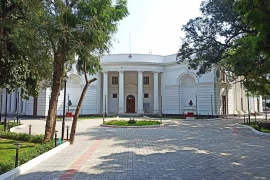
The serene outdoor seating area of United Club, Jamshedpur, a historic colonial-era building known for its elegant architecture and lush lawns.
Planning
One of the first things you notice about the club is its expansive verandas. These shaded areas are more than just decorative—they offer a cool retreat from the summer heat and create a welcoming environment for people to gather. Whether it’s enjoying a cup of tea or catching up with friends, the verandas are where life happens.
The lawns surrounding the building are equally inviting, with their perfectly trimmed grass and lush greenery. These open spaces blend seamlessly with the structure, offering a sense of tranquillity. Inside, the layout is simple and functional. High ceilings and wide arched windows allow sunlight and breeze to flow freely, creating a sense of openness and comfort.
Design Philosophy
The design philosophy of the United Club focuses on elegance and simplicity. It doesn’t scream for attention, yet it manages to leave a lasting impression. The building’s clean lines, symmetrical layout, and minimal ornamentation give it a timeless appeal.
The arched windows are not just beautiful—they are functional, too, letting in plenty of light while keeping the interiors cool. The pitched roof is another smart design element, built to handle the heavy monsoon rains of Jamshedpur effortlessly. Every detail of the design reflects thoughtfulness, blending beauty with purpose.
Style
The club’s architectural style is distinctly colonial but with a touch of local charm. The columns, verandas, and arches echo classical European design, while the use of local materials gives it a distinctly Indian feel. Inside, the wooden floors, polished furniture, and vintage décor transport you to another era. The combination of these elements creates a warm and inviting atmosphere, making the club feel like a second home to its members.

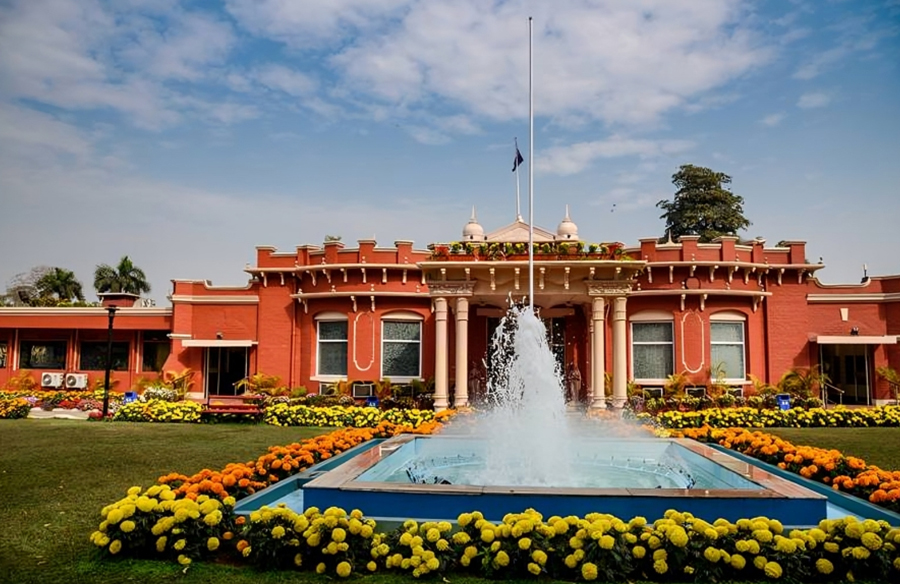
The United Club Jamshedpur is a charming colonial-style building with its red-brick walls, elegant white columns, and beautifully landscaped gardens centered around a serene fountain.
Materials
The building is made from a mix of locally sourced stone, bricks, and timber. The stone provides a strong foundation, while the bricks are excellent for keeping the interiors cool in Jamshedpur’s warm climate. Lime mortar was used as a binding material, an eco-friendly choice that reflects the sustainable practices of the time.
The roof is constructed with terracotta tiles, a material chosen not just for its aesthetic appeal but also for its ability to insulate against heat. Inside, you’ll find rich teak and sal wood, used for everything from the beams to the flooring and furniture. These woods are not only durable but also add warmth and character to the space.
Construction Techniques
The structure is built using traditional load-bearing masonry, a technique where the walls bear the weight of the building. This method, combined with timber trusses for the roof, creates a lightweight yet sturdy structure.
What’s remarkable is the level of craftsmanship seen throughout the building. From the intricate carvings on the wooden railings to the polished floors that have stood the test of time, it’s clear that the builders poured their heart and soul into creating something extraordinary.
Sustainability and Legacy
Even though the United Club was built decades ago, its design and construction embrace principles of sustainability that feel remarkably modern.
The club’s design is a lesson in how to live in harmony with nature. Its wide verandas, high ceilings, and large windows allow for natural ventilation, reducing the need for air conditioning. The surrounding greenery acts as a natural cooling agent, making the space comfortable even during peak summers.
The materials used are another testament to its sustainability. Durable and long-lasting, they require minimal maintenance, which reduces the environmental impact over time. By relying on local materials like stone and timber, the construction minimised transportation costs and supported local industries.The use of lime mortar instead of cement is particularly noteworthy. Not only is it eco-friendly, but it also allows the building to breathe, preventing issues like dampness and ensuring its longevity.
The United Club is more than just a building; it’s a symbol of Jamshedpur’s history and identity. Built during the industrial boom brought about by the Tata Group, the club was envisioned as a space where people could relax, connect, and create a sense of community.
Over the years, it has hosted countless events, from elegant dinners to cultural celebrations, becoming a melting pot of traditions and stories. For many residents, the club is tied to fond memories of childhood picnics, family gatherings, and festive celebrations.
Today, the United Club stands as a reminder of the city’s colonial past and the cultural exchanges that shaped it. Its preservation is a testament to the value of heritage, showing how old buildings can continue to inspire and bring people together in modern times.

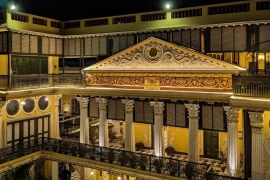
The United Club Jamshedpur comes alive at night with its warm lights, graceful columns, and a glowing fountain, creating a magical and inviting atmosphere.
Services and Facilities
The United Club Jamshedpur offers dining, banquet facilities, sports amenities like tennis courts and a swimming pool, a gym, a library, and spaces for indoor games. It also hosts cultural events, workshops, and social gatherings, providing a vibrant hub for leisure and community engagement.
The United Club in Jamshedpur is not just an architectural landmark—it’s a living, breathing part of the city’s story. Its thoughtful design, rooted in colonial traditions yet adapted to local needs, showcases the timeless appeal of simplicity and functionality.
From the materials used to the sustainability practices it embodies, the club is a shining example of how buildings can be both beautiful and environmentally conscious. More importantly, it holds a special place in the hearts of those who call Jamshedpur home, serving as a space for connection, celebration, and reflection.
In a world where modern buildings often prioritise speed and efficiency over character and soul, the United Club is a gentle reminder of the enduring value of craftsmanship, heritage, and thoughtful design. It’s not just a structure; it’s a legacy—and one that will continue to inspire for generations to come.