Monastery by Local Works
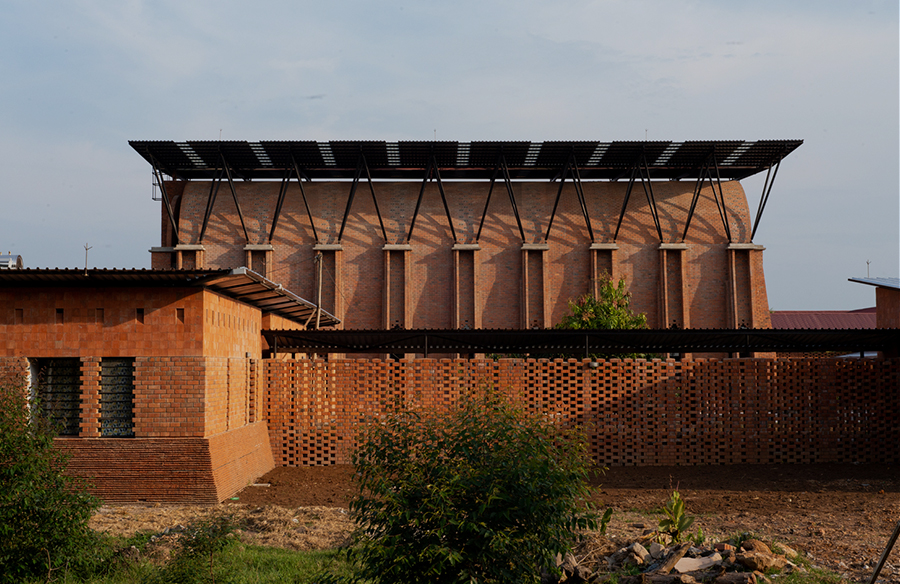
The Victoria Monastery, founded in 1952 in Kenya, was relocated to Uganda in 2008 due to post-election instability. Localworks designed the monastery, which includes the Church, Noviciate, Guesthouse, and Gatehouse, with four new structures. The design focuses on the Cistercian tradition of creating purer environments for meditation and devotion. However, the Cistercian tradition influenced European culture and technology during the Middle Ages. It is regarded as one of the most exquisite architectural designs from the Middle Ages. By combining contemporary age African architectural principles with traditional Christian and monastic design sensibilities, Our Lady of Victoria Monastery by Localworks emerges as a place for reflection and spirituality.
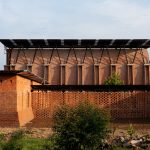
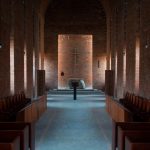
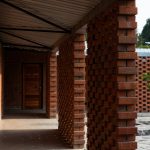
Here Our Lady of Vicotria Monastery reflects a direct connection to the earth and its surroundings creates and amplifies the sense of spiritual connection that this type of design fosters. The church features ‘columns of light’ supported by glass bottles, and the design incorporates local materials, climate, and culture. The church is covered by a secondary tropical roof, allowing for solar panels and allowing sunlight to shine in. The use of bricks made from ethically burned coffee husks ensures a passive and sustainable indoor atmosphere. The landscape architecture provides the monks with uncomplicated, serene surroundings for reflection. The overall tone of the structure is greatly influenced by the stern, undistracted way of being a Cistercian, which allows for a life of prayer and devotion.
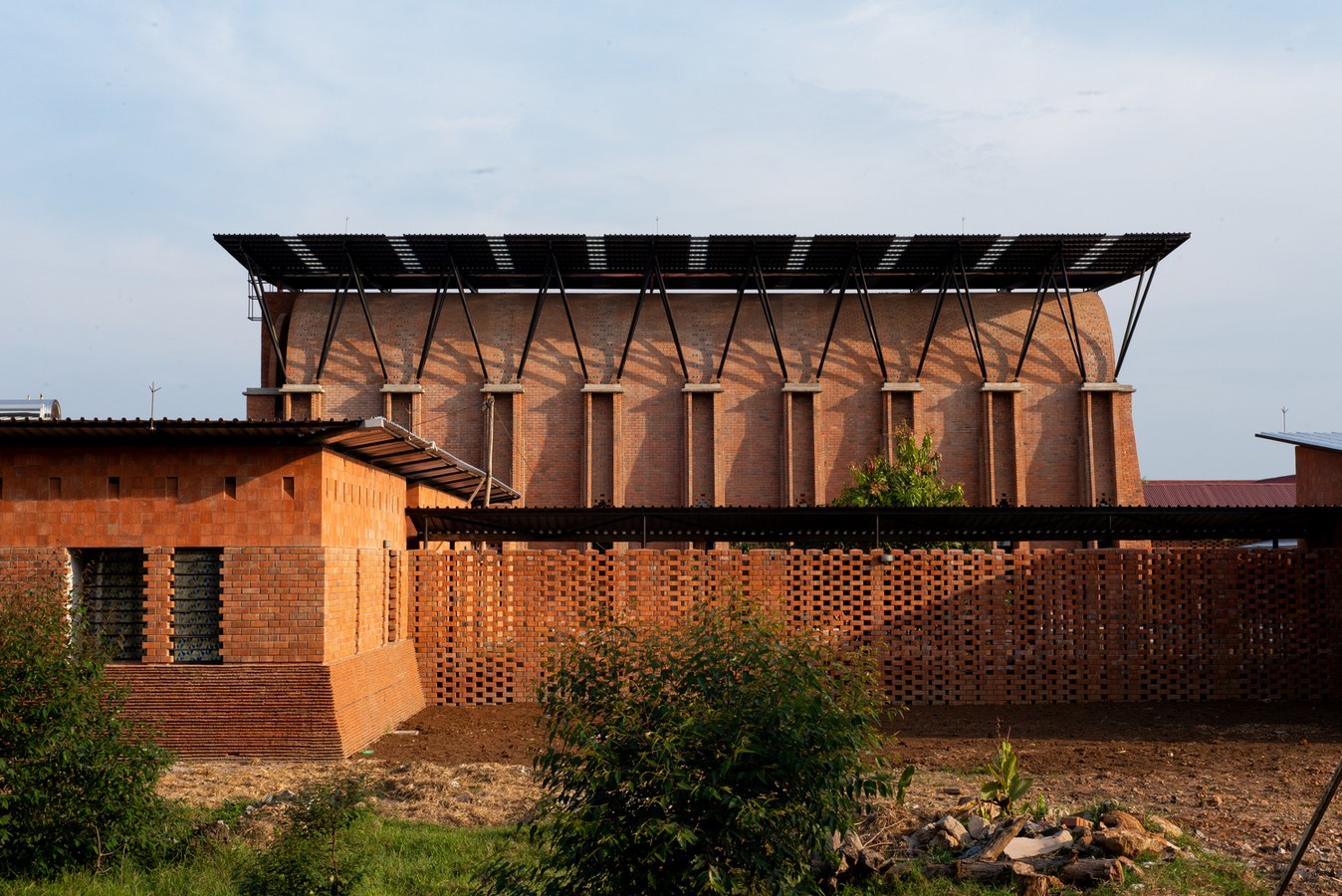
Our Lady of Victoria Monastery is one of the best examples of Cistercian Architecture in recent times.
Cistercian architecture originated from Bernard of Clairvaux’s aesthetic tastes, who thought that removing unnecessary adornment would help to produce a clean place free of visual disturbances so that the monks may concentrate on a life of prayer and religious devotion. However, the Cistercian Monastery reflects the originality of the material and finishes used, making it obvious for the monastery to be Cistercian. Christianity holds deep roots in Africa since the first century, and since then the architecture has reflected timely.
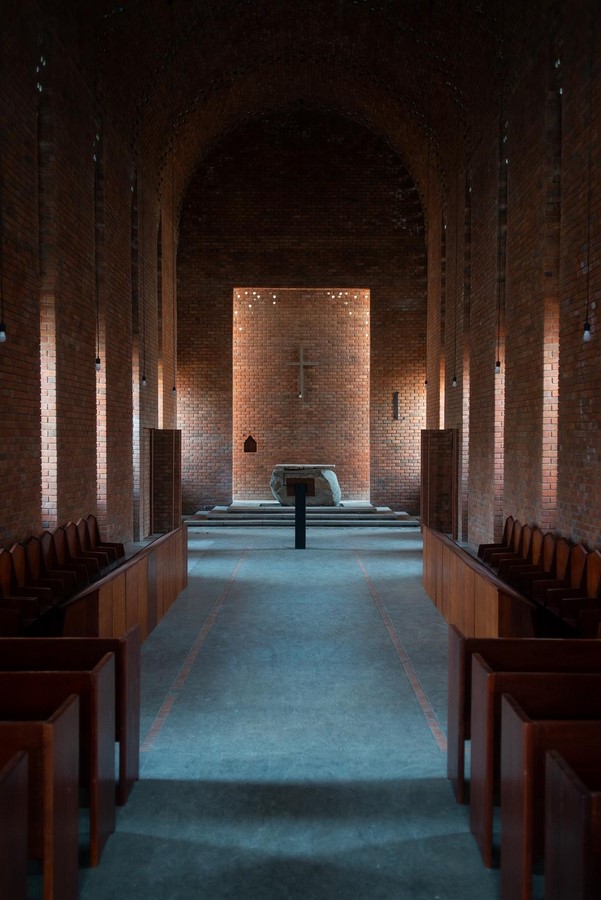
Our Lady of Victoria Monastery’s strategy was solely focused on Cistercian architectural traits. The Cistercian buildings have a history of creating pristine environments that forbid any interruptions to the physical act of praying or to any other kind of devotion. While the neighborhood is still traditional, the building has been subtly changed. Instead of having solid masonry columns with windows in the middle, this church now has ‘columns of light’ that seem to support it, connected by arches made of brickwork strips with glass bottles scattered throughout.
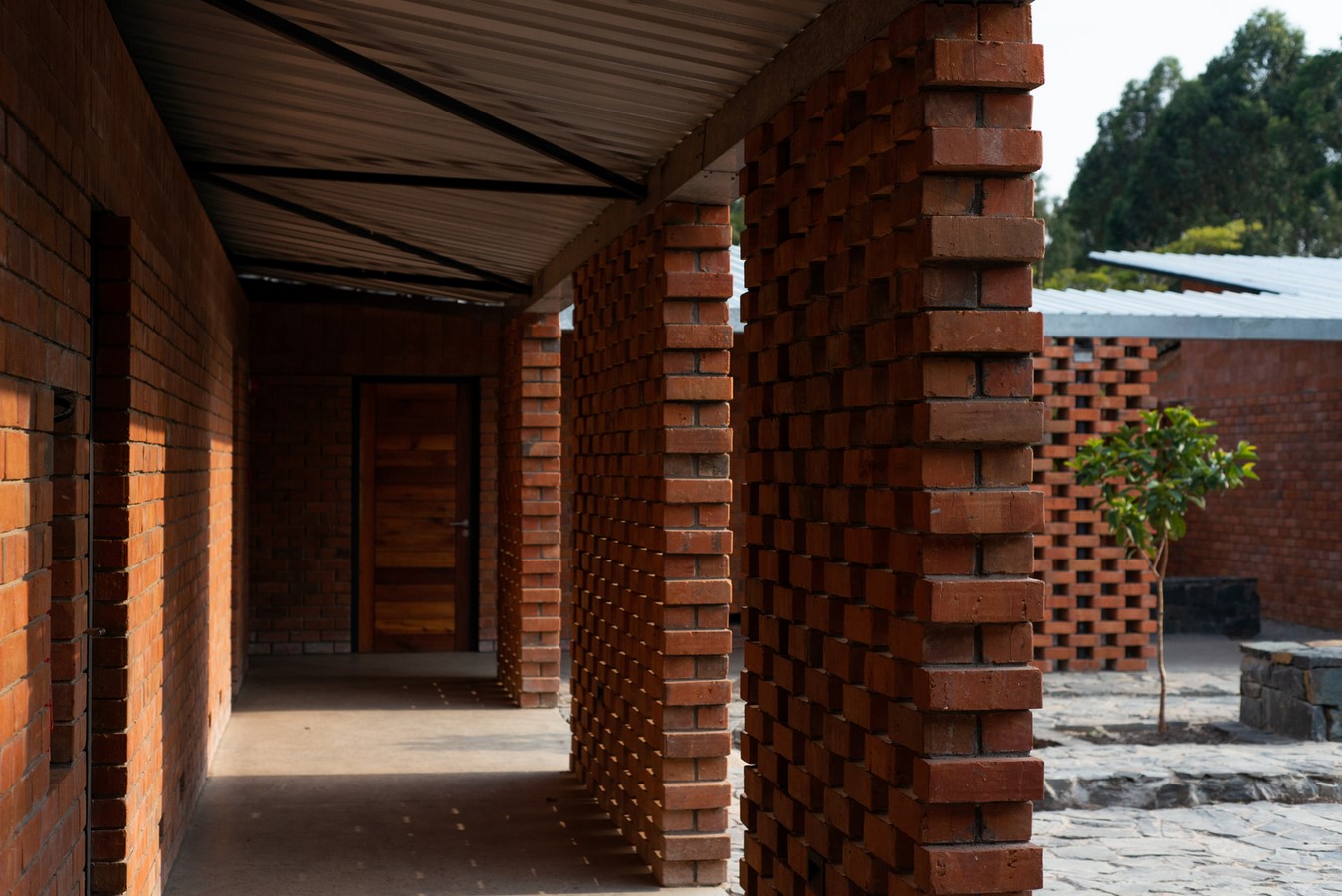
Our Lady of Victoria Monastery not only reflects the Cistercian style but also responded to its context in terms of form, material, climate, and culture. While the courtyard in front of the cathedral responds to the idea of openness of order while also physically forming insulation from the outer world, the cloister garden is solely intended for observation. In totally, Our Lady of Victoria Monastery reflects the vernacular in a delicate way that is permeated with spirituality while adapting to a historically uncommon construction typology for sub-Saharan Africa.
Cistercian Architecture
The architectural style is distinguished by a commitment to severe discipline and humility. In contrast to most orders of the period, during which the arts flourished, the Cistercians imposed strict restrictions on their use of art. In the 12th century, the use of stained glass, stone church towers, illuminated manuscripts, and sculptural church decorations all eventually became forbidden. With their stunning architecture, the more than 700 Cistercian monasteries that were built in secluded areas of Europe in the 12th century represent this severity.
When possible, smooth, light-colored stone was used to build structures. Columns, pillars, and windows all fell at the same foundation level and any plastering that was done was kept to a minimum. At both the elevation and floor levels, the sanctuary retained a simple 1:2 proportion. Cistercian sites were constructed in a pure, rational form to preserve the appearance of church structures, and they are among the most stunning examples of Middle Ages artifacts.
The Cistercians were known for their creativity because of their isolation and necessity for self-sufficiency. Most Cistercian churches and monasteries were constructed in secluded valleys far from towns and populous areas. Many Cistercian structures contain waterwheels and early hydraulic engineering. Wood and metal were the next two most significant building materials, following stone. The Cistercians were meticulous in their management and upkeep of the forests. They were also skilled metalworkers, and the growth of Cistercian structures as well as the evolution of Gothic architecture as a whole have both been directly attributed to them.