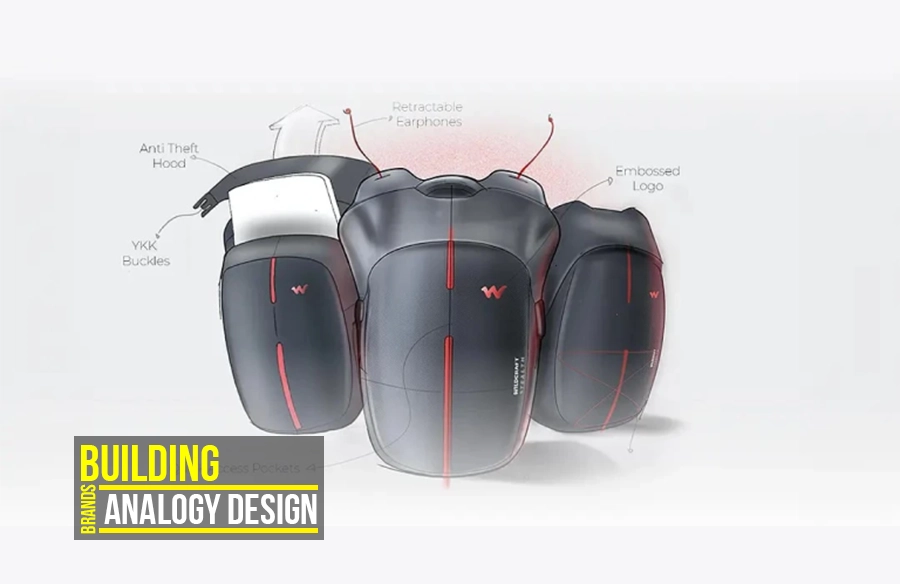
Analogy Design is redefining industrial design in India as an award-winning studio based in Bangalore, founded by Vyasateja Rao. The studio specialises in helping hardware startups, small manufacturers, and entrepreneurs transform raw ideas into game-changing, market-ready realities. Analogy bridges the gap between imaginative design and engineering. They help companies create products that are not only visually appealing but also commercially viable, patent-ready, and investor-friendly. Their portfolio consists of studio works spanning a wide range of industries, including consumer electronics, smart home devices, and lifestyle products.
The Philosophy of “Analogy”
Analogy Design was initially founded as ‘Aribu’(to know), the design studio later came to be known as ‘Artefacts’ to symbolise the marriage of art and science, before finally rebranding to Analogy in 2018. For the studio, the term analogy stands out as a metaphor because it is heavily centred on the use of imagery and facts. The rebranding of the studio revolves around the idea of the role of industrial design as a bridge between imaginative soul and the manufactured reality. In the context of design, the use of analogies to define the ‘way’ a product should “feel” or “look” helps to guarantee the survival of the imaginative “soul” through the gruelling ‘millimetre wars’ of the factory floor.
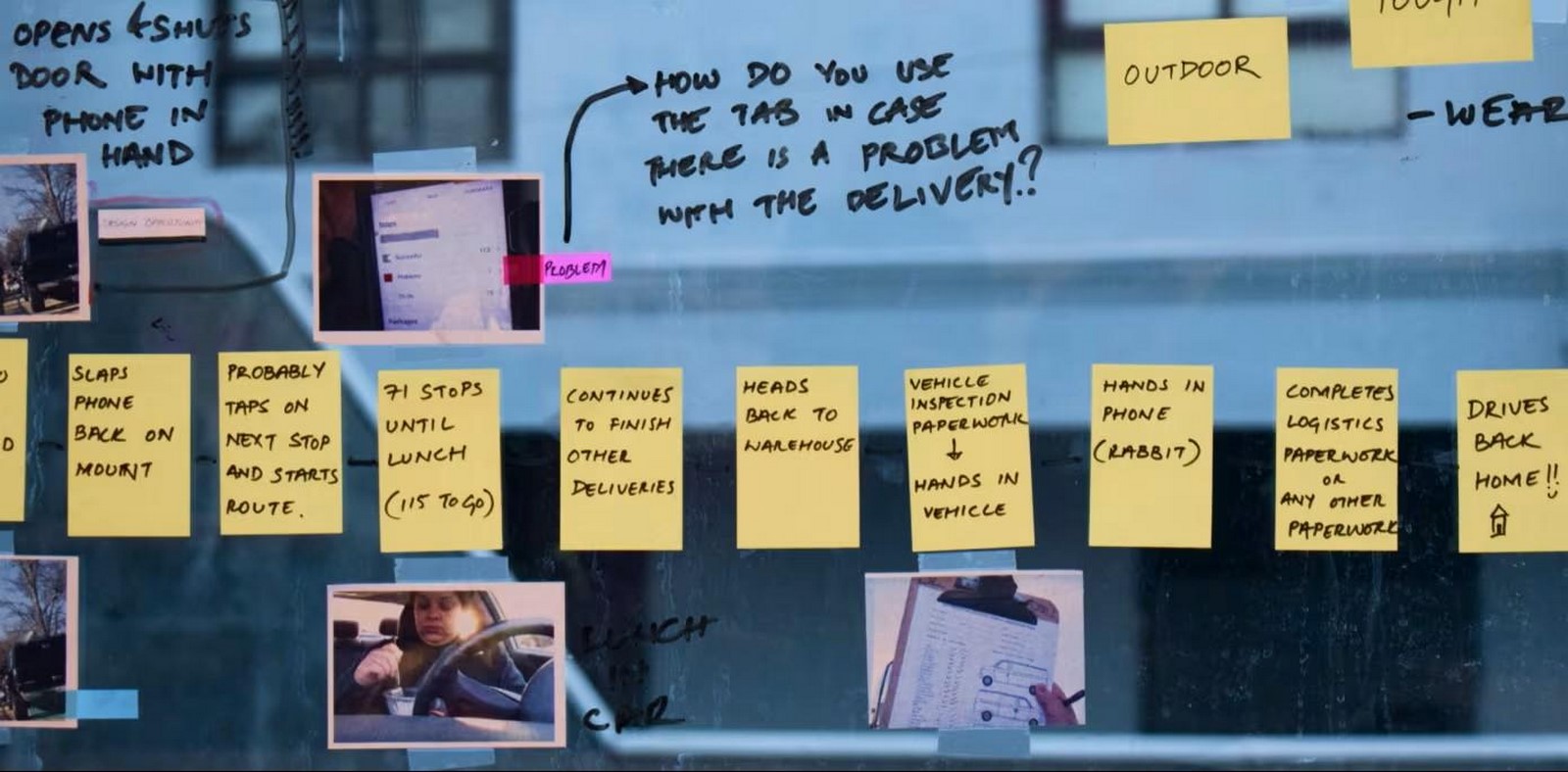
This gives rise to the first pillar of the Analogy Design’s first principle, the idea that a product’s “soul” is found in its personality and the emotional connection it fosters, ensuring it is something users will engage in their everyday life. Design must quietly improve life for both the user and the system that brings the product into existence. Design, to the studio, is not merely about the look and feel of a product but about the experience that the consumer gets to enjoy and cherish
The second pillar of the Analogy design studio’s philosophy centres on the ‘Indian design’. The studio rejects the notion that Indian design can be defined as a particular aesthetic or as a concept of Jugaad. Analogy design identifies the Indian design style with flexibility, resourcefulness and relevance to the human experience. The work that the studio does emerges from the position of scarcity rather than a position of abundance that the Western design world takes for granted. This results in a design that can withstand the real world, thus allowing for scalability to a global market of billions.
The Art Of Balancing Design With Running A Business
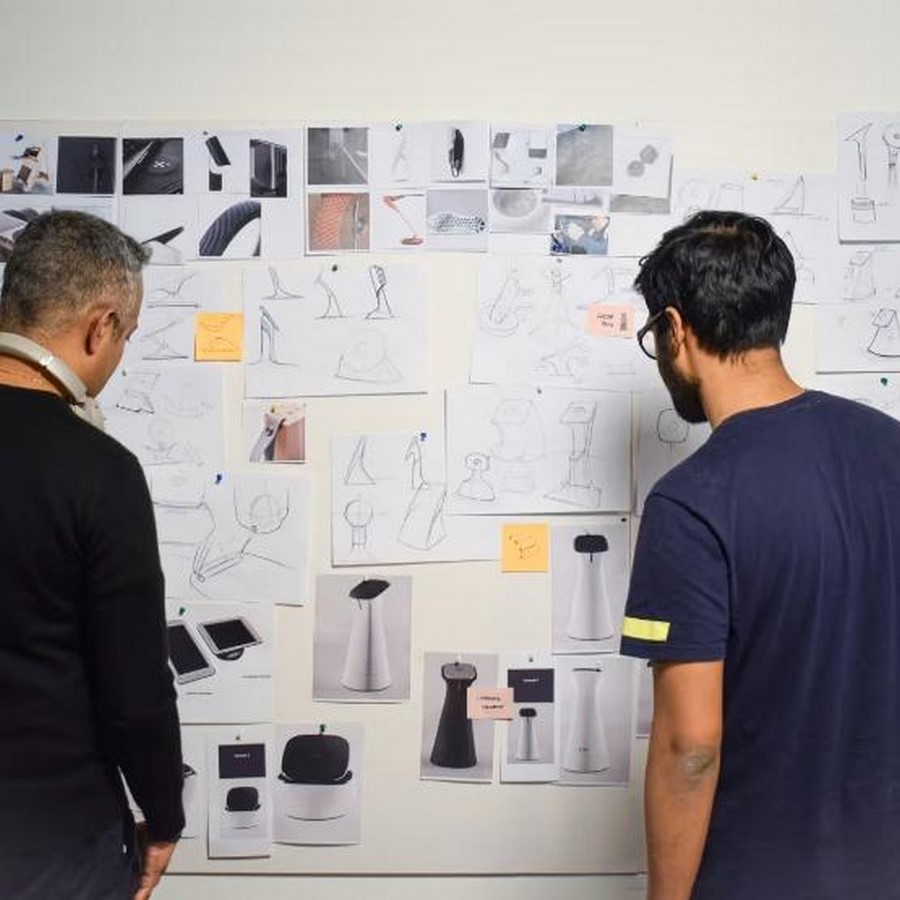
Analogy Design operates with a clear entrepreneurial focus, maintaining strict financial discipline and emphasising sustainable, paced growth over rapid expansion. The team strategically balances its workload across revenue-driven projects (33%), innovation-based projects (50-60%), and long-term strategic products, ensuring ongoing relevance and profitability. The Studio maintains a team structure of 30 members to ensure quality remains high, and the business does not become a commoditised agency. Additionally, the studio invests heavily in people rather than tools, 40% of the revenue is allocated to salaries and 20% to software and tools. This strategy has allowed Analogy to remain profitable, debt-free, and independent since its inception.
Product Path Methodology for Hardware
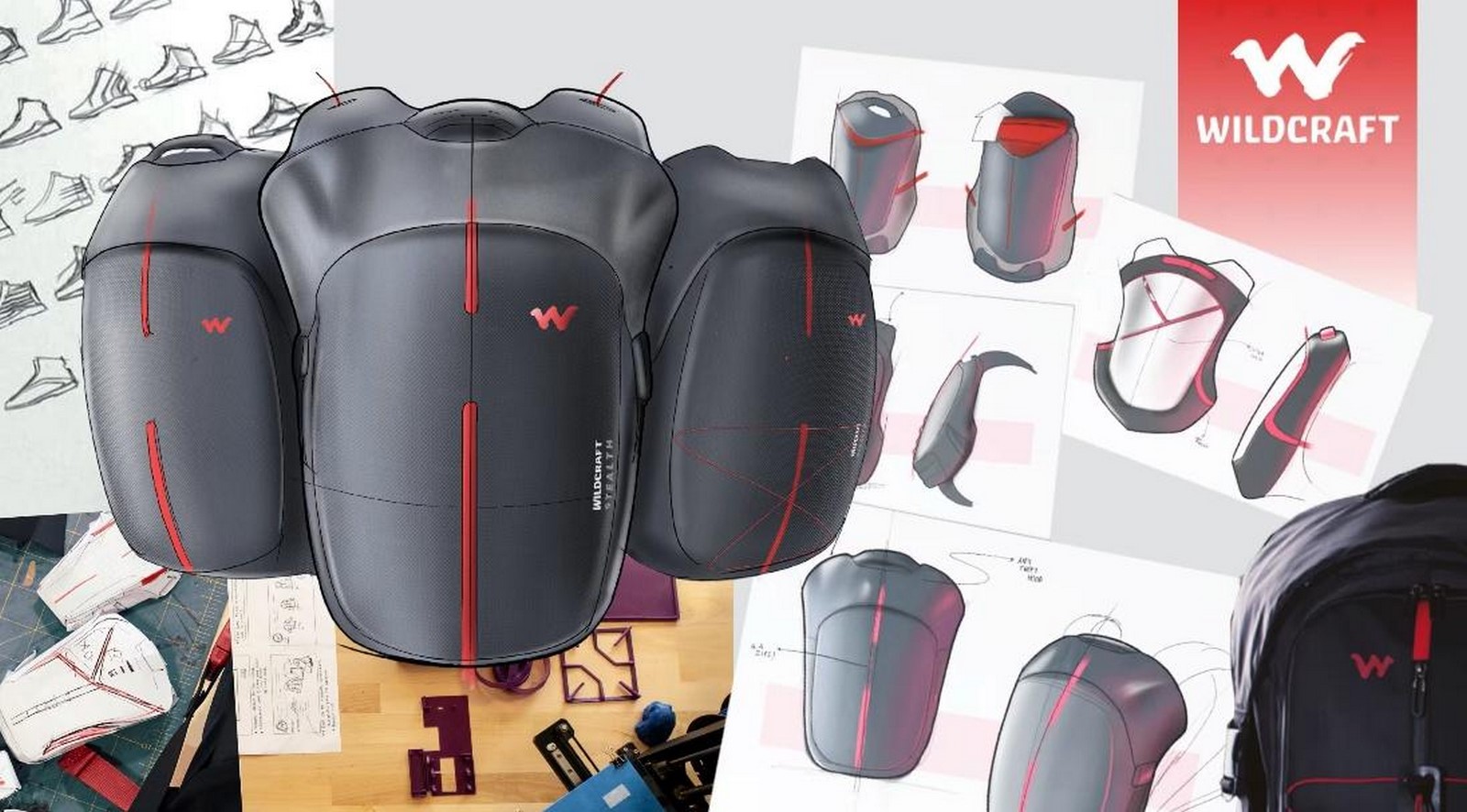
Analogy makes use of a proprietary end-to-end system referred to as the product path. This system follows a set of elements that comprise three crucial stages:
Concept & Strategy: Developing the problem-solution fit, usability, and the visual identity of the product.
Engineering & Prototyping: Developing mechanisms, functional models, and detailed CAD to create a product.
Manufacturing & Scaling: Vendor management, quality control, and certification stages that first-time entrepreneurs often forget until the last minute
Launch Phase: The last transition is from the refined prototype to actual manufacturing. This phase includes launch support from the studio so that the end product is as close as possible to the original design intent and vision.
The key philosophies of this methodology allow cyclical research, accessibility for the non-technical clients, and funding alignment. Unlike a linear approach that stops research at a stage, the product path believes in cyclical research that continues until manufacturing. The product path method reduces complexity by effectively translating technical jargon to ensure that the founders without a technical background can make informed decisions. The methodology aims to improve the chances of securing project funding by creating investor-ready prototypes.
From Idea to Impact
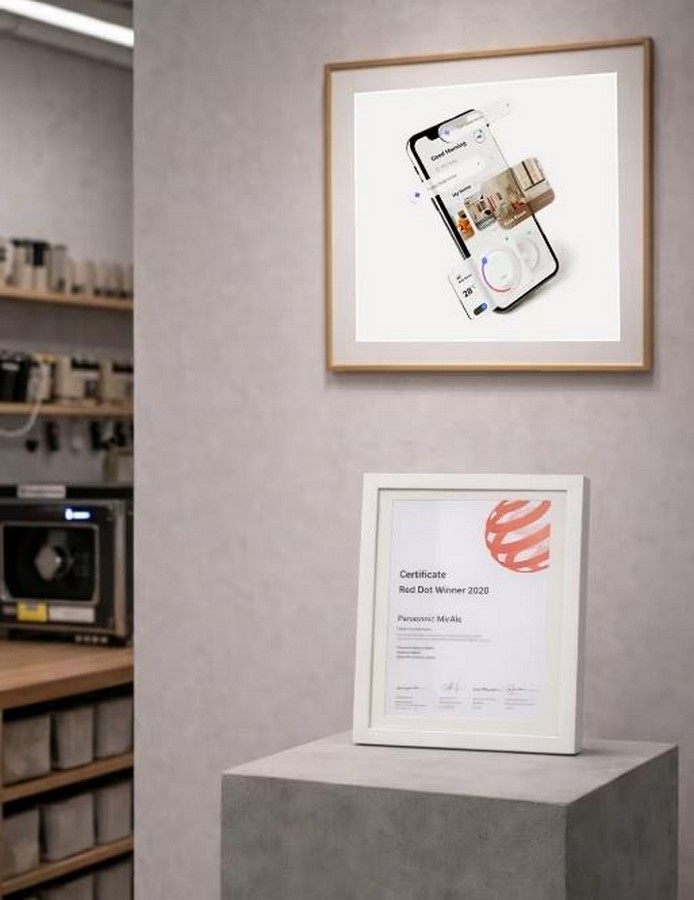
Analogy Design is not merely a design firm. The studio is dedicated to solving problems by creating products that transform the lives of users. Analogy’s attempt to bridge the gap between education and industry practice is to invest time in mentoring the next generation of designers. They want the next generation of designers to move from project-based learning to an outcome-based thinking paradigm. Ultimately, Analogy design is a mission-driven practice striving to make India a global design capital. Their 10-year journey as an independent, profitable studio is a case study in how to merge artistic thinking with entrepreneurial strategy to prove the adage that the best way to predict the future is to design it. Their design focus is on outcome-based thinking to ensure that the products designed are not only successful in the market but also quietly make a positive impact on society.
References:
Team, D.E. (2025). A Conversation with Divya Rao & Vikrant Mishra from Analogy Design Studio | Branding in Asia. [online] Branding in Asia. Available at: https://www.brandinginasia.com/a-conversation-with-divya-rao-vikrant-mishra-from-analogy-design-studio/ [Accessed 8 Mar. 2026].
India’s Best Design Awards. (2025). India’s Best Design Awards 2025. [online] Available at: https://ibda.design-india.com/analogy-design-industrial-design-studio/ [Accessed 8 Mar. 2026].
Mastersunion.org. (2025). Design for a changing world: How Analogy is redefining products in India. [online] Available at: https://mastersunion.org/blog/design-for-a-changing-world-how-analogy-is-redefining-products-in-india [Accessed 8 Mar. 2026].
marianna (2024). Designing Convenience: Analogy Awarded India’s Best Design Studio 2023 – DesignIndia. [online] DesignIndia. Available at: https://design-india.com/designing-convenience-analogy-awarded-indias-best-design-studio-2023/ [Accessed 8 Mar. 2026].
Analogy Design (2026). EP 3: AI Smart Glasses | 16 Weeks to CES, 10 Months to Acquisition | Build 2 Create. [online] YouTube. Available at: https://www.youtube.com/watch?v=bf1yA_k_f9g [Accessed 8 Mar. 2026].
Analogy Design (2025). EP1: The hard truth about building design teams. [online] YouTube. Available at: https://www.youtube.com/watch?v=k1TKgt6Ge-I [Accessed 8 Mar. 2026].
Analogy Design (2026). Ep 2: The Untold Story | 8 Years. 3 Failed Studios. 1 Real Product | Build 2 Create. [online] YouTube. Available at: https://www.youtube.com/watch?v=MlYWfeWH9TU [Accessed 8 Mar. 2026].
Masters’ Union (2024). How He Built a Global Design Studio in Bangalore | Ep. #22 ft. Analogy. [online] YouTube. Available at: https://www.youtube.com/watch?v=fwNWEkBtalQ [Accessed 8 Mar. 2026].
www.analogydesign.co. (n.d.). Leading Industrial Design Studio & Company based in Bangalore. [online] Available at: https://www.analogydesign.co/.
Analogy Design (2023). Mumbai Design Xpress Talk By Vyasateja Rao (Founder of Analogy). [online] YouTube. Available at: https://www.youtube.com/watch?v=qYhgLBoMbWk [Accessed 8 Mar. 2026].
Images:
Analogydesign. (n.d.). [Photograph-1] Available at : https://www.analogydesign.co/
Analogydesign. (n.d.). [Photograph-2] Available at : https://www.analogydesign.co/
Analogydesign. (n.d.). [Photograph-3] Available at : https://www.analogydesign.co/
Analogydesign. (n.d.). [Photograph-4] Available at : https://www.analogydesign.co/