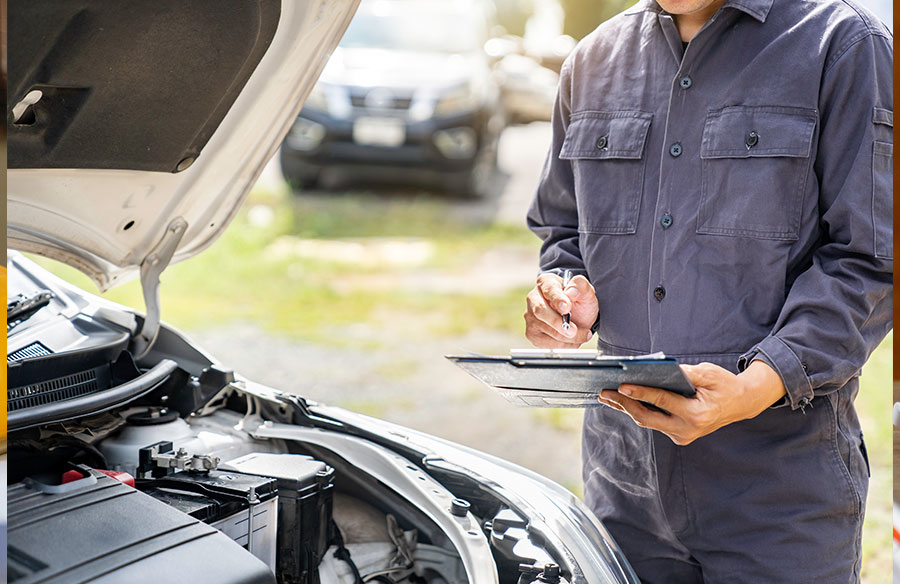
Owning a vehicle comes with responsibilities that go beyond filling the gas tank and keeping it clean. Regular maintenance and timely repairs are essential for keeping your car safe, dependable, efficient. Whether you use it for daily commuting, family errands, or weekend trips, taking care of small automotive issues before they become major problems can save you time and money. For drivers in Wellesley, MA, understanding the importance of preventative maintenance is one of the best ways to protect their vehicles throughout the year.
Just as thoughtful architectural design enhances daily living within a home or workspace, the design and upkeep of a vehicle’s interior and systems profoundly shape our daily experiences. From ergonomic seating to intuitive dashboard layouts, these elements contribute to a sense of comfort, safety, and efficiency, mirroring the principles applied in designing static environments.
Finding reliable auto repair services in Wellesley, MA, also makes it easier to stay ahead of unexpected breakdowns and maintain your vehicle’s long-term performance.
Why Regular Vehicle Maintenance Should Never Be Ignored
Every vehicle experiences wear and tear over time. Engine components, brakes, tires, filters, and other essential parts gradually deteriorate through regular use. Without proper maintenance, these components can develop problems that affect its performance and safety.
Routine maintenance helps identify potential concerns before they become expensive repairs. For example, replacing worn brake pads early can prevent additional damage to the rotors. Similarly, changing engine oil at recommended intervals helps protect internal engine components from excessive friction and overheating.
Regular inspections also give drivers a better understanding of their car’s condition. Instead of waiting for a warning light or unusual noise, professional technicians can evaluate important systems and recommend necessary services.
Common Auto Repair Issues Wellesley Drivers Should Watch For
Recognizing early warning signs can help prevent unexpected automotive problems. Although every vehicle is different, several common issues deserve attention.
1. Brake Problems
Your braking system is one of the most important safety features in the car. Worn brake pads, damaged rotors, and low brake fluid can reduce stopping performance.
Watch for warning signs such as:
- Squealing or grinding sounds when braking.
- Vibrations in the steering wheel or brake pedal.
- A brake pedal that feels unusually soft.
- Increased stopping distances.
- A brake warning light on the dashboard.
Ignoring these symptoms can put you and other road users at risk. Having its brakes inspected when you notice unusual behavior helps ensure the car can stop safely.
2. Engine Performance Issues
Engine problems can develop gradually or appear unexpectedly. You might notice rough idling, reduced acceleration, unusual noises, or difficulty starting the car.
Some common causes include worn spark plugs, clogged air filters, fuel system problems, and ignition component failures. In some cases, an illuminated check engine light may indicate a minor issue. In others, it can point to a more serious mechanical concern.
A professional diagnostic inspection can help identify the underlying cause rather than relying on guesswork.
3. Battery and Electrical Problems
A weak battery can make starting the car difficult, particularly during colder weather. Electrical problems may also affect headlights, dashboard displays, power windows, and other systems.
If your engine cranks slowly, your headlights appear dim, or you frequently need a jump-start, it may be time to have your battery and charging system tested.
Battery inspections are especially useful before seasonal temperature changes, as extreme cold and heat can affect battery performance.
4. Tire Wear and Alignment Issues
Tires are essential for maintaining traction, stability, and control. Improper inflation, uneven wear, and misalignment can negatively affect handling and fuel efficiency.
Pay attention to uneven tread patterns, steering wheel vibrations, and the car pulling to one side. These symptoms may indicate alignment issues, tire imbalance, or suspension problems.
Regular tire inspections and rotations help extend tire life while supporting safer driving.
How Wellesley’s Weather Can Affect Your Vehicle
Weather conditions can have a noticeable impact on car performance and maintenance requirements. In Wellesley, seasonal changes make it particularly important to prepare it for different driving conditions.
Winter temperatures can affect battery performance, tire pressure, and engine fluids. Snow and road salt can also contribute to corrosion on undercarriage components and braking system parts.
During warmer months, high temperatures can place additional stress on the cooling system, battery, and air conditioning components. A properly functioning cooling system is especially important for preventing engine overheating during summer driving.
Seasonal inspections can help identify weather-related wear and ensure that essential car systems are ready for changing conditions.
Preventative Maintenance That Helps Avoid Costly Repairs
Preventative maintenance is one of the most effective ways to extend the car’s lifespan. Following the manufacturer’s recommended maintenance schedule helps keep important components operating as intended.
Here are several maintenance services worth prioritizing:
Oil and Filter Changes: Engine oil lubricates moving components and helps manage heat. Replacing old oil and filters at the recommended intervals supports engine performance and longevity.
Brake Inspections: Routine brake checks help identify worn pads, damaged rotors, and fluid-related concerns before they affect stopping ability.
Fluid Checks: Coolant, transmission fluid, brake fluid, and other essential fluids should be inspected according to manufacturer recommendations.
Tire Maintenance: Checking tire pressure, inspecting tread depth, and scheduling rotations can improve handling and help prevent premature tire replacement.
Air Filter Replacement: Clean air filters support proper airflow and help protect the engine from dust and debris.
Battery Testing: Checking battery health and charging performance can reduce the likelihood of unexpected starting problems.
The appropriate maintenance schedule depends on the car’s make, model, age, and driving habits. Always refer to the manufacturer’s recommendations and consult a qualified technician when something does not seem right.
Why Choosing a Reliable Auto Repair Shop Matters
Not every automotive issue is easy to identify. Modern vehicles contain advanced electrical systems, computer-controlled components, and specialized mechanical systems that require proper diagnostic equipment and technical knowledge.
The sophisticated integration of electrical systems and computer-controlled components in contemporary vehicles parallels the increasing reliance on smart technology and data analytics in architectural design. From building management systems to intelligent material performance, understanding and maintaining these complex digital layers is crucial for optimal functionality and longevity in both mobile and static structures.
Choosing a dependable repair shop means having access to technicians who can inspect the car, explain their findings, and recommend appropriate repairs.
When evaluating an auto repair provider, consider the following:
- Experience and Qualifications: Look for technicians with relevant automotive training and experience.
- Clear Communication: A reliable repair shop should explain the problem and discuss recommended solutions before beginning work.
- Transparent Estimates: Understand the expected labor and parts costs before authorizing repairs.
- Proper Diagnostic Equipment: Modern vehicles often require specialized tools to identify mechanical and electrical problems.
- Consistent Service: Building a relationship with a trusted repair provider makes it easier to maintain your vehicle over time.
Good automotive service is not simply about fixing a problem after something goes wrong. It is also about helping drivers understand their cars and make informed maintenance decisions.
When Should You Schedule an Auto Repair Appointment?
Some automotive problems require immediate attention, while others can be addressed during routine maintenance. Knowing the difference is important.
If you experience brake failure, engine overheating, sudden steering problems, or a flashing check engine light, stop driving when it is unsafe to continue and arrange professional assistance.
Other symptoms, such as gradually declining fuel efficiency, unusual vibrations, fluid leaks, or intermittent starting problems, should also be investigated promptly.
Even if the car appears to be running normally, periodic inspections can uncover developing issues that are not immediately noticeable.
Keep Your Vehicle Ready for the Road in Wellesley
Your vehicle is an important part of your daily routine, and keeping it in good condition requires consistent attention. From brake inspections and oil changes to engine diagnostics and seasonal maintenance, addressing automotive concerns early can help reduce unexpected expenses and improve driving safety.
For local drivers, choosing reliable auto repair services in Wellesley, MA, is an important step toward maintaining dependable transportation. By following a regular maintenance schedule, paying attention to warning signs, and working with qualified automotive professionals, you can help it remain reliable for years to come.
Don’t wait until a minor automotive issue turns into a major repair. Give the car the attention it needs and make preventative maintenance part of your regular driving routine.